
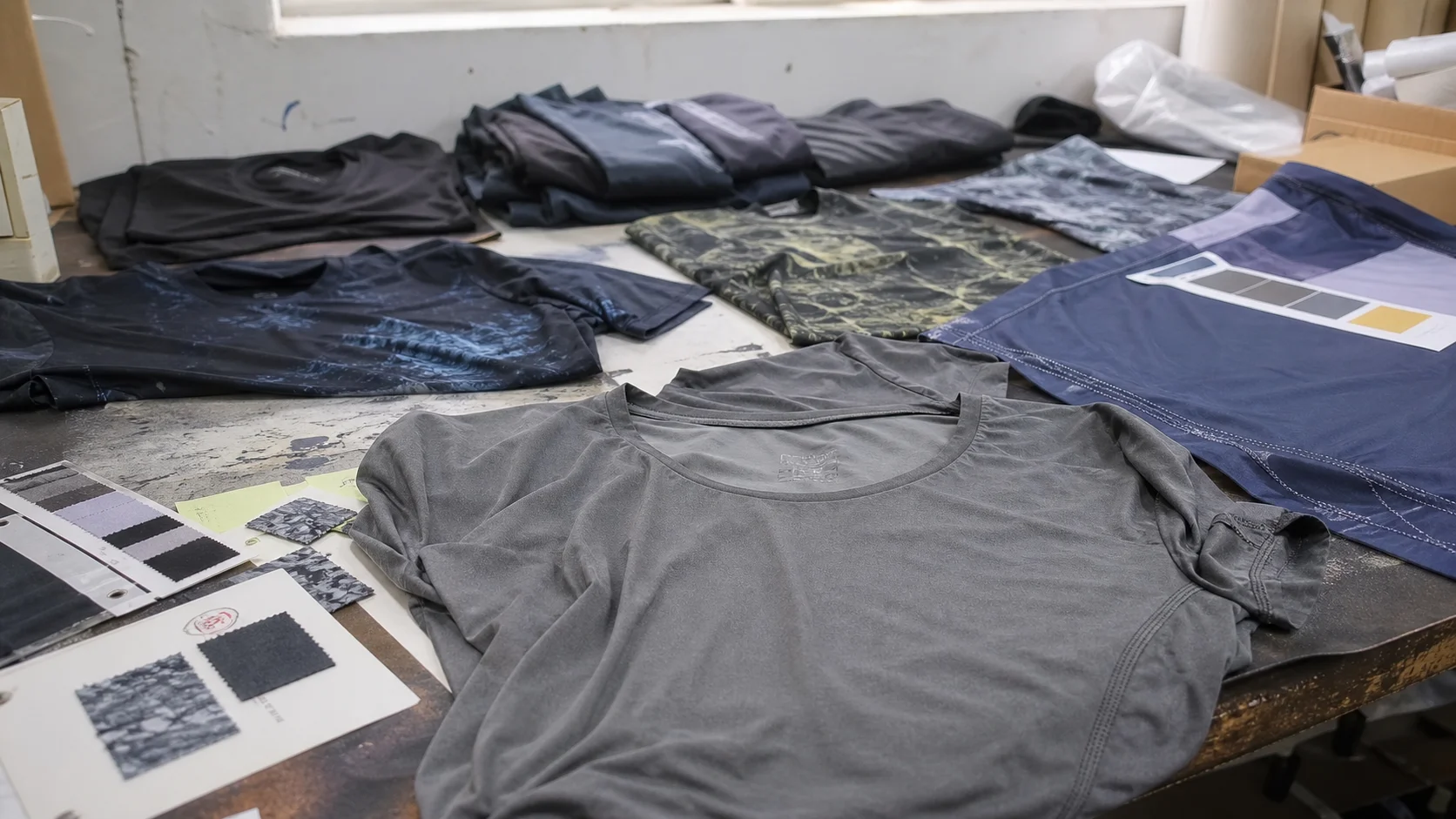
A detailed outline for buyers sourcing wholesale chef coats with the compliance documentation needed for international hospitality tenders, covering fabric...
Wholesale Chef Coats for Tenders With Compliance Docs - Fabrikn production reference
In international hospitality tenders, a chef coat is not just a uniform item. It is a procurement line tied to brand presentation, workplace practicality, laundering durability, and documentary compliance. Buyers sourcing wholesale chef coats with compliance documentation for international hospitality tenders usually face a more demanding process than a standard apparel reorder. They are expected to compare technical specifications, verify paperwork, align garment construction with kitchen use, and prove supplier reliability before any purchase order is released.
That is where many bulk uniform programs either stay controlled or become expensive. A low quoted price can look attractive at the bid stage, but missing documents, weak fabric performance, or unstructured approval steps often create delays later. In tender-based buying, delays are costly. A hotel opening, catering rollout, cruise contract, or institutional foodservice launch depends on uniforms arriving on time and matching approved standards.
For that reason, buyers often prioritize suppliers that can present a clear documentation package along with sensible manufacturing controls. If your procurement team is evaluating wholesale chef coats for hotels, restaurants, resorts, contract catering groups, culinary academies, or institutional kitchens, the practical question is not only who can sew the garment. The real question is who can support the tender process with the right evidence, realistic production planning, and consistent quality execution.
Fabrikn operates in this sourcing space with a manufacturing support model focused on product development, bulk production coordination, and buyer communication. Buyers reviewing supplier capabilities can explore relevant information through services, request project-specific guidance via contact us, or review the company profile at about us.
When a tender says “chef coats,” the requirement usually goes beyond a simple white jacket. Procurement teams are buying a combination of appearance, performance, and administrative certainty. In many hospitality programs, the chef coat must satisfy operational staff, brand managers, and compliance reviewers at the same time.
Typical tender requirements may include:
This is why experienced buyers tend to write detailed tech packs or tender annexes. A chef coat that looks correct in a sample can still fail in bulk if the placket shape changes, stitch density drops, the white shade varies across lots, or the fabric shrinks beyond tolerance after wash testing.
The strongest sourcing approach is to define use conditions early. A fine-dining kitchen may want premium long-staple cotton blends with a sharper hand feel and elevated finishing. A high-volume catering operation may favor polyester-cotton constructions that hold shape, manage cost, and tolerate harsher wash cycles. Neither choice is automatically better. The right decision depends on laundering method, replacement cycle, budget, and presentation standards.
Compliance documentation in apparel tenders varies by country, buyer type, and end use. Not every project requires the same file set, yet serious hospitality tenders commonly ask for a document trail that reduces procurement risk. Buyers should verify exact requirements case by case, especially where imports, public tenders, or multinational approvals are involved.
Commonly requested documents include:
Some tenders also request social or environmental documentation, but buyers should distinguish between mandatory submission items and preferred supplier credentials. That distinction matters because overloading a quote stage with irrelevant paperwork can slow sourcing without improving garment performance.
The practical purchasing judgment here is simple: prioritize documents that directly reduce import risk, quality disputes, or tender rejection. A complete fiber content declaration and a reliable test report are often more valuable to a uniform buyer than a broad marketing presentation full of generic claims.
For international hospitality tenders, documentation should support three decisions at once: whether the product is safe to buy, whether it will perform in use, and whether it can clear internal approval without delays.
For chef coats, the highest-value reports are usually the ones tied to wash durability and consistency. Kitchens are demanding environments. Garments are exposed to heat, grease, frequent laundering, and repeated wear. If the coat loses shape, yellows unevenly, or suffers seam stress too early, replacement cost rises quickly.
Most buyers focus on:
A supplier that understands this will usually recommend testing against actual care expectations rather than generic assumptions. That is a better procurement outcome than approving a garment only on visual appearance.
Many tender failures start with weak product definition. If the specification is vague, quotations become impossible to compare properly. One supplier may quote a light 180 GSM fabric, another a denser 240 GSM twill, and both may call the item a chef coat. The price gap then looks confusing when the product is not really equivalent.
For wholesale chef coats, the specification sheet should usually address the following points:
There are clear tradeoffs in material selection. A 100% cotton chef coat can feel more natural and breathable, but it may crease more and shrink more unless the fabric finish and wash control are handled carefully. A poly-cotton blend often gives better shape retention and can reduce cost pressure, but the hand feel may be less premium if the blend is too synthetic for the target brand level.
Buyers managing public tenders or multi-property rollouts usually get better results when they specify tolerances. For example, size tolerance bands, shade continuity expectations, shrinkage limits, and stitch-per-inch standards make supplier comparison far more disciplined.
Not every tender needs premium functionality, but some details have a direct operational benefit:
These features can improve usability, though they also add trim complexity and sometimes increase MOQ pressure. Specialty trims or custom dyed components often require higher minimums and longer sourcing lead times.
In tender-driven uniform buying, sampling is where risk is reduced or transferred forward. Skipping approval stages may save a few days early, but it often creates weeks of delay later. A disciplined sample path is the safer commercial choice.
A standard approval flow for wholesale chef coats often includes:
The sealed sample is commercially important. It becomes the practical reference for bulk production and inspection. Without a sealed reference, disputes become harder to resolve because the buyer and supplier may be working from different assumptions.
Buyers should also ask whether the sample is being made from stock fabric or actual bulk-sourced material. A sample sewn from a substitute cloth may look fine but can misrepresent bulk performance. This point is often overlooked in fast-moving tenders.
Reasonable sample timelines vary, but many standard woven chef coat developments take around 7 to 14 days for initial samples once the tech pack is clear, with more time needed if custom trims, embroidery layouts, or repeated fit revisions are involved.
MOQ and lead time are rarely fixed numbers in uniform manufacturing. They depend on style complexity, fabric sourcing route, trim customization, color count, and order consolidation opportunities. Buyers should be cautious of absolute promises made too early.
For wholesale chef coats, typical MOQ patterns in the market often look like this:
Order Type Typical MOQ Range Comments Basic stock-supported styles 100 to 300 pieces Possible when standard white or black fabrics and common trims are used Custom branded chef coats 300 to 800 pieces Common for custom labels, embroidery, packaging, or adjusted patterns Large hospitality tender programs 800 to 3,000+ pieces Often split by size ratio, property rollout, or delivery scheduleThese are not universal thresholds, but they are useful planning ranges. A buyer asking for low MOQs with fully custom fabric, custom snaps, multiple logo positions, and specialized packaging should expect either a price premium or longer development time.
Lead time also deserves a realistic view. Bulk production for chef coats may take roughly 30 to 60 days after final approvals in straightforward programs, while more complex orders can run longer if greige fabric booking, dyeing, testing, trim development, or peak-season capacity affects the schedule.
The most common lead-time dependencies include:
From a purchasing standpoint, the cheapest quote is not automatically the lowest landed cost. If a supplier cuts price by using lighter fabric, inconsistent interlining, or weaker sewing control, replacement rates and tender claims can erase the initial savings quickly.
Bulk chef coat production looks simple on paper, but inspection problems are common when controls are loose. White garments are especially unforgiving because shading, marks, and stitching defects show easily.
Typical risk points include:
These issues are manageable, but only if inspection checkpoints are built into the order process. Buyers handling international hospitality tenders often request a combination of pre-production review, inline inspection, and final random inspection. That structure is usually more effective than relying only on a final shipment check.
A practical tradeoff exists here. More inspection control adds cost and time, yet it usually reduces dispute risk. For tender supply, that tradeoff often favors stricter control because the reputational and operational cost of late-stage failure is much higher than the cost of inspection.
If the order is for a hotel launch, resort chain rollout, or public-sector catering contract, inspection should be treated as a procurement safeguard, not a formality.
When comparing suppliers for wholesale chef coats with compliance documentation, buyers should avoid evaluating on price alone. A better method is to review capability across five practical areas: product understanding, document readiness, production control, communication discipline, and commercial realism.
Ask whether the supplier can discuss fabric weight, closure options, wash performance, branding methods, and likely failure points in chef coats. If answers remain generic, there is a higher risk that the product will be handled as a basic commodity rather than a technical uniform line.
Check whether the supplier can assemble the compliance package required by the tender. That may include declarations, test reports, specs, and inspection documents. Slow or vague document handling is often an early warning sign.
Review the sample approval path, bulk planning method, and inspection checkpoints. Buyers do not need inflated promises. They need a supplier that can explain what gets approved, when it gets approved, and what happens if a material issue appears mid-order.
In international buying, response quality matters. Clear answers on revision status, approval holds, and shipment timing help buyers protect tender schedules. Silence or overconfidence usually causes preventable problems.
Be careful with quotations that look unusually low against the specification. In apparel sourcing, extreme price gaps usually point to non-equivalent fabric quality, omitted trims, missing compliance scope, or unrealistic assumptions around packing and testing.
For buyers sourcing in the Activewear & Teamwear category, a supplier partner is often judged by how well it supports structured procurement rather than by sales language. Fabrikn is relevant to this conversation because buyers in hospitality, teamwear, and custom uniform programs typically need product development support, sourcing coordination, and commercially grounded guidance during bulk execution.
That matters in tenders where details can shift after technical review. Size ratios may change. Logo applications may need revision. Packaging instructions may tighten. Compliance files may need to match importer or buyer templates. A supplier relationship is more useful when it can absorb those practical adjustments without losing control of the order.
Buyers wanting to understand service scope can review services. Teams that are actively preparing a hospitality tender, requesting quotations, or mapping compliance needs can use the contact us page for direct discussion. Procurement teams that want background before vendor onboarding can review about us.
Sourcing wholesale chef coats with compliance documentation for international hospitality tenders requires a tighter process than ordinary garment buying. The product has to satisfy visual standards, wear demands, laundering realities, and documentary scrutiny at the same time. Buyers that define specifications clearly, control sample approvals, verify document scope early, and build inspections into the timeline usually achieve better tender outcomes.
The strongest purchasing decision is rarely based on the lowest quote alone. It is based on whether the supplier can deliver the right chef coat, in the right quantity, with the right paperwork, and without creating avoidable risk in production or import clearance. That is the commercial standard serious hospitality buyers should apply.
For procurement teams working through upcoming hotel, restaurant, resort, catering, or institutional uniform tenders, the sensible next step is to align product specs and compliance needs before bulk commitments are made. That reduces ambiguity, improves quote comparison, and protects delivery schedules.
Get a free quote from Fabrikn — your trusted B2B clothing manufacturer with 10+ years of experience. MOQ as low as 200 pieces.
Get a Free Quote →Buyers commonly request fabric composition declarations, test reports for wash performance or colorfastness, size specs, country of origin statements, inspection reports, and restricted substance declarations where required by the buyer or importing market.
Basic programs using standard fabrics may start around 100 to 300 pieces, while custom branded orders often fall in the 300 to 800 piece range. Larger tender programs can run well above that, especially when multiple properties or delivery phases are involved.
Many standard programs take about 30 to 60 days after final sample and material approvals. Lead time can extend if fabric must be produced fresh, trims are custom-made, or testing and inspection stages add time.
It depends on the use case. Cotton can offer a more natural hand feel and comfort, while poly-cotton often gives better wrinkle resistance, shape retention, and cost efficiency. Commercial laundering conditions should guide the final choice.
A sealed sample acts as the approved reference for production and inspection. It helps prevent disputes over fit, construction, trim choice, and appearance once bulk manufacturing begins.
Frequent issues include shade variation, stains on white fabric, weak snap or button attachment, embroidery puckering, measurement inconsistency, and packing assortment errors. Early inspection checkpoints reduce these risks.