
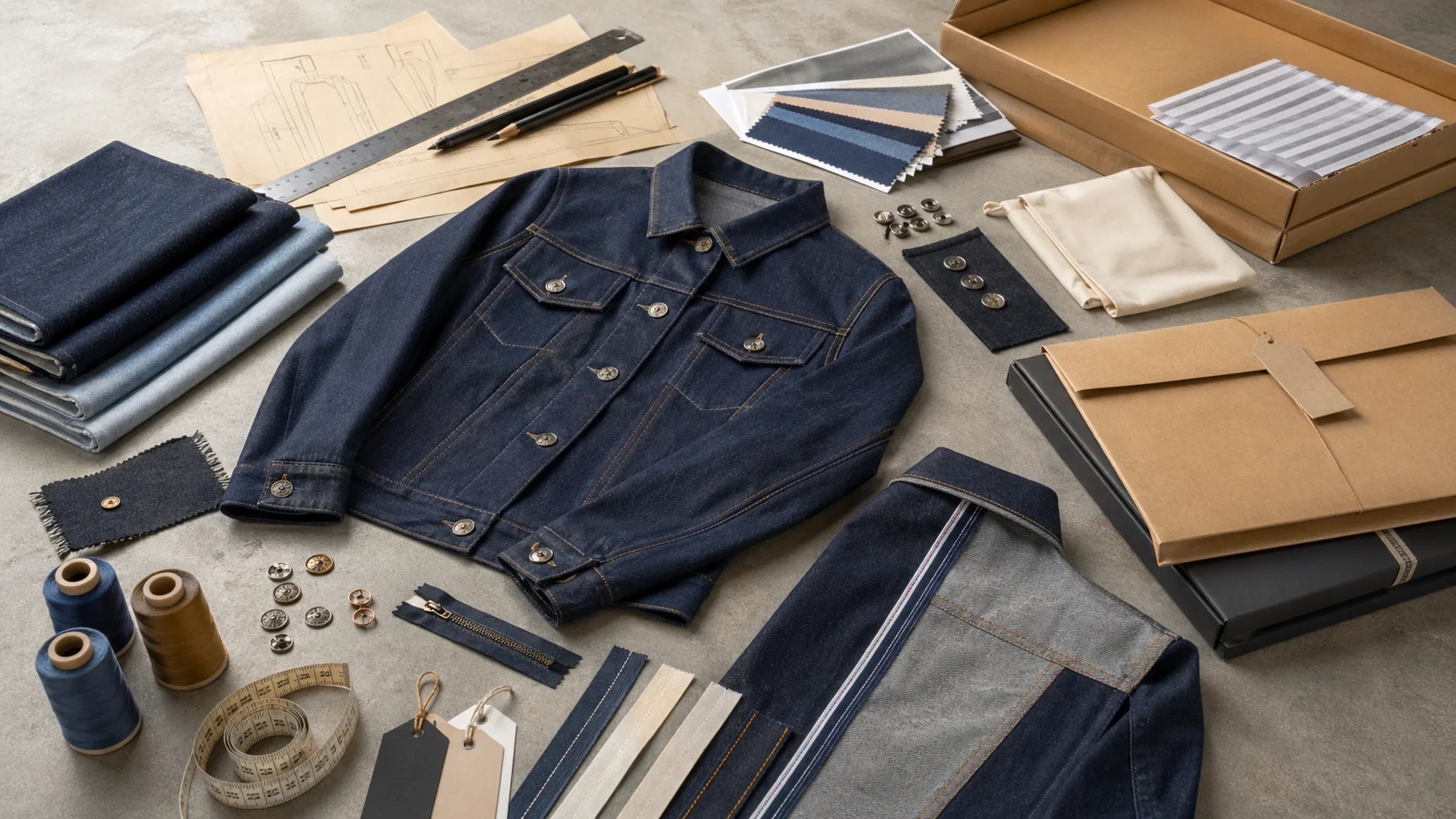
A practical SEO outline on how workwear coats hold color through industrial laundering, what fabric and dye choices matter, and how to specify...
Colorfastness Workwear Coats for Repeated Cleaning - Fabrikn production reference
Colorfastness workwear coats for repeated cleaning are outerwear garments built to keep their shade, tone, and overall appearance after many wash or dry-clean cycles. In practical sourcing terms, colorfastness is not a decorative feature. It is a performance requirement that affects brand consistency, uniform control, replacement rates, and how professional a workforce looks after months of use.
For coats used in maintenance, logistics, light industrial work, food handling, laboratory support, security, and similar settings, repeated cleaning is a given. A coat may be washed weekly, sometimes more often if the role is high-contact or hygiene-sensitive. That means the fabric, dye system, stitching, trims, and even the thread need to survive a harsher lifecycle than casual outerwear.
Good colorfastness is usually judged across several dimensions: resistance to washing, resistance to rubbing, resistance to perspiration, and resistance to light. A coat can look fine out of the box and still fail after six to ten wash cycles if the dye quality is weak or the finish is unstable. That is why buyers should ask for test data, not just style images.
For suppliers and buyers working through a new program, the specification should be written in practical terms. State the cleaning method, target wash count, expected appearance standard, and acceptable fade level. If the coat is likely to be laundered industrially, say so. Home wash assumptions often understate the stress level.
For sourcing support, see Fabrikn’s services overview and company background on the about us page.
Repeated cleaning changes the economics of workwear. A coat that looks acceptable at delivery but degrades after a few cycles increases replacement frequency and creates uneven appearance across a team. For uniform programs, that inconsistency is often more expensive than paying slightly more for a better fabric upfront.
Cleaning also stresses garments in ways that are not always visible during factory inspection. Heat, detergent chemistry, agitation, drying temperature, and finishing agents all interact with the dye and base cloth. Dark shades such as navy, charcoal, black, and forest green tend to show problems quickly because crocking, wash fade, and seam shading become obvious faster than on lighter colors.
A sourcing team should separate marketing language from measurable requirements. “Fade resistant” is too vague on its own. A better approach is to define performance around lab testing methods or accepted internal standards. The more often the coat will be cleaned, the less forgiving the specification should be about color shift, pilling, and trim shrinkage.
This is especially important for outerwear & jackets that are layered over shirts, polos, or base garments. A coat that bleeds can contaminate other items in the wash. A coat that loses color unevenly can also create patchy brand presentation, which is a real issue in customer-facing or regulated workplaces.
The best fabric choice depends on the work setting, the cleaning method, and the comfort expectation. There is no single “best” construction for every program, but some combinations are more reliable than others.
Thread choice should not be overlooked. Polyester thread is often preferred for durability and color stability. Cotton thread can behave differently under industrial wash conditions and may be less suitable where repeated cleaning is aggressive. Zippers, snaps, hook-and-loop tape, and label materials should also be selected for wash durability. A coat fails the program if the fabric survives but the trim does not.
When comparing suppliers, ask whether the main fabric is piece-dyed, yarn-dyed, solution-dyed, or pigment-dyed. Each route carries different cost and performance tradeoffs. Piece-dyed fabrics can deliver flexibility and broad shade options. Solution-dyed materials often cost more but can justify the premium in programs where long service life matters.
Colorfastness is not only a fabric issue. Garment construction has a real effect on how a coat looks after washing. Tight, uniform stitching helps the garment keep its shape. Stable seam allowances reduce distortion. Reinforced stress points lower the chance that wear and laundering will expose lighter internal layers or seam slippage.
Cut and fit matter too. A coat that shrinks or twists after washing can create the impression of poor color quality even when the dye itself holds up. Buyers should look at fabric shrinkage, seam puckering, and surface abrasion together. The visual result is what users judge, not the lab report alone.
For programs with mixed wear conditions, consider whether the coat needs a face fabric that resists rubbing against tools, belts, equipment edges, or seat surfaces. Abrasion can make a well-dyed garment look tired long before true fading occurs. That distinction matters when judging sample approvals and renewal timing.
The sample approval process should be disciplined. Buyers often make the mistake of approving a coat after checking only style, fit, and initial shade. That is not enough for repeated cleaning programs. The sample should be tested under the intended care route before any bulk commitment.
Colorfastness approval should be based on the real cleaning process, not a generic wash test. Industrial laundering, home laundering, and dry cleaning create different failure modes.
A practical approval sequence usually looks like this:
Buyers should also define how many laundering cycles are considered acceptable for the trial. Five cycles may be enough for a quick check, but a serious uniform program often needs more. The right number depends on the end use. A hospital support coat or food service outer layer has a different expectation from a seasonal site jacket.
Testing should include both the face fabric and the finished garment. A fabric test alone can miss failures caused by thread, lining, pocketing, labels, or trim. This is where lower-cost sourcing sometimes becomes expensive later. Small material substitutions can pass unnoticed until the coat reaches field use.
Typical MOQ ranges for colorfastness workwear coats vary by factory, fabric, and customization level. For simple private-label programs, buyers may see MOQs around 300 to 1,000 pieces per color or style. Fully customized builds, special dye lots, or technical trim packages can push that higher. Smaller order quantities are possible, but unit price usually rises fast.
Lead times are shaped by fabric availability, dyeing route, sampling rounds, and inspection requirements. A straightforward program using greige stock or an already-approved fabric may move faster than a program requiring new color development or lab dips. When color consistency is critical, allow time for shade approval, wash testing, and any corrective re-sampling.
Production can also be delayed by trim sourcing. Zippers, snaps, reflective tape, labels, and specialized buttons often have longer procurement windows than buyers expect. If the coat has multiple colorways, the dye-house and cutting schedule become more complex. That raises the risk of shade variation across batches unless the supplier has strong lot control.
Program Factor Typical Impact on MOQ Typical Impact on Lead Time Basic polyester-cotton coat Lower to moderate Short to moderate Custom shade with lab dips Moderate to higher Moderate to longer Industrial wash requirement Moderate Longer due to testing and approval Special trims or reflective elements Moderate to higher Longer due to component sourcingBudget planning should include sample rounds and contingency time for approval changes. A buyer who builds a strict performance standard should expect at least one revision cycle in many cases. That is not a sign of poor sourcing. It is normal when the garment must survive real laundering conditions and still look consistent.
Inspection risk starts with shade variation. Even when the same color code is used, lot-to-lot differences can be visible under daylight or fluorescent inspection. If the coat is part of a team uniform, variation between body panels, collars, and pocket facings can become obvious after cleaning.
Another common failure point is crocking, especially on deep shades. A coat may look strong in the warehouse but transfer dye onto shirts, vehicle upholstery, or other garments after wear and wash. Buyers should ask for both dry and wet rub performance, since one can be acceptable while the other is not.
Trim failure is a second major risk. Buttons may discolor, zippers may lose finish, and reflective materials may crack or peel. Care labels can also fade or detach, which creates compliance and traceability issues in regulated programs. In some cases, the coat body outlasts the trim, making the garment unfit for continued use.
Fabric pilling and surface abrasion deserve attention on brushed or softer finishes. A coat can retain its color reasonably well while still looking worn because the surface texture has broken down. For procurement, that is still a quality loss. End users rarely separate technical causes from visual results.
A strong purchase order removes ambiguity. It should identify the cleaning method, expected performance window, shade standard, and inspection criteria. The more exact the application, the less room there is for supplier interpretation.
Make care instructions part of the commercial discussion. A coat that can only hold color under gentle washing is not a good fit for a facility that uses hot industrial cycles. The buyer should align garment specification with the actual laundry environment. Otherwise, the product will be blamed for a process mismatch.
It is also worth clarifying whether replacement inventory should match the original production run. In long-term programs, shade drift between reorder lots can create visible inconsistency even when each batch meets a basic standard. For that reason, some buyers keep archived swatches and retain approved fabric records for future reorders.
For repeated cleaning, the safest place to spend is on fabric quality, dye stability, and trim durability. Those are the parts that determine whether the coat keeps its appearance after real use. Saving a small amount on the base cloth often creates a much larger cost through replacements and complaints.
That said, not every coat needs the most expensive technical solution. If the use case is light-duty and the wash frequency is modest, a well-constructed polyester-cotton blend may be entirely adequate. The point is to match the engineering level to the service environment rather than overbuild by default.
Buyers should hold the line on vague claims. Ask for measurable evidence. Ask for care-test results under the intended wash method. Ask what changed between lab dip, PP sample, and bulk production. Those questions are more useful than chasing an abstract “premium” label.
For procurement teams evaluating suppliers or development support, Fabrikn’s contact page is the right place to start the conversation around specifications, testing, and bulk planning.
Get a free quote from Fabrikn — your trusted B2B clothing manufacturer with 10+ years of experience. MOQ as low as 200 pieces.
Get a Free Quote →Colorfastness is the ability of a coat to retain its color after washing, rubbing, exposure to light, and regular wear. For workwear, it is a practical durability requirement rather than a cosmetic preference.
Polyester-cotton blends, 100% polyester, and solution-dyed synthetic fabrics are common choices. The best option depends on cleaning method, comfort needs, and how much fade resistance the program requires.
There is no universal number. Many buyers define performance around their own laundry process and expected service life. A coat used weekly in industrial laundry should be held to a stricter standard than one cleaned occasionally at home.
Shade loss, dye bleed, and crocking are among the most common failures. Surface pilling and trim breakdown can also make a coat look worn even when the base fabric still holds color.
Dark colors often show problems more clearly, even when the actual level of dye loss is similar. Navy, black, and charcoal can reveal fading, rubbing, and uneven wash results faster than lighter shades.
Both matter. Fabric testing is useful, but the finished coat can still fail because of thread, trims, labels, lining, or construction. The garment should be assessed after cleaning, not only the raw cloth.
Typical MOQs often start around 300 to 1,000 pieces per style or color, depending on the factory and the level of customization. Special dyes, trims, and technical requirements may increase the minimum.
Start with a clear specification: fabric, color target, cleaning method, required tests, size range, and expected order volume. From there, use Fabrikn’s services page to frame the development discussion and move into sampling.