
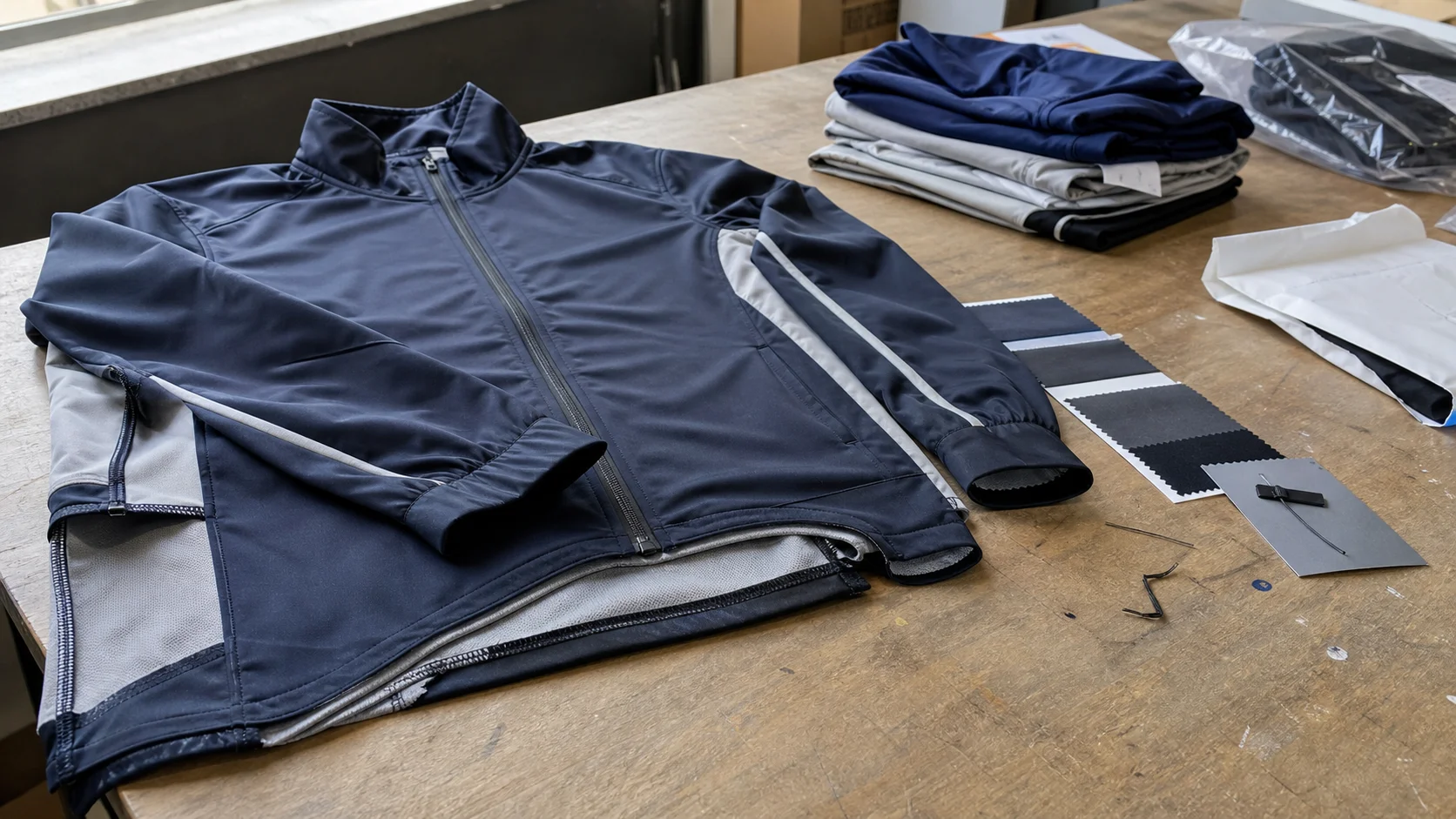
A practical outline for culinary school stores planning custom chef coat orders with minimum order quantities, decoration choices, sizing, and fulfillment...
Custom Chef Coats MOQ Ordering for Culinary Stores - Fabrikn production reference
Custom chef coats are a straightforward product on paper and a surprisingly sensitive one in practice. For culinary school stores, uniform shops, and private label apparel buyers, the minimum order quantity, or MOQ, shapes everything from pricing to approval timelines to how much design freedom you can actually use. A coat that looks simple on a spec sheet can still run into issues with fabric availability, embroidery placement, sizing spread, trim consistency, and wash performance after the first production run.
This guide is written for sourcing teams, merchandising buyers, and culinary school store managers who need a practical view of custom chef coats MOQ ordering. The focus is on what usually affects order size, what to ask before approving samples, and where buyers tend to overestimate flexibility. For broader private label support, you can also review Fabrikn’s services, learn more about the company, or go straight to contact us to discuss a program.
Culinary school stores usually serve a mixed demand profile. New student intake generates a predictable opening order, while continuing students, late enrollments, and faculty replacements create smaller replenishment orders later. That pattern makes MOQ planning more important than in a one-time promotional garment program. A buyer who only looks at the lowest quoted unit price can end up ordering far more inventory than the store can move in one semester.
MOQ matters for three practical reasons. First, it determines whether a manufacturer will commit to a specific fabric, trim set, or embroidery setup. Second, it affects the amount of size and color depth you can include. Third, it sets the economics for private label customization, which is often where culinary stores want the most control. A low MOQ may be available, but it usually comes with tighter style limits, fewer decoration options, or higher per-unit costs.
For culinary school stores, the best ordering model is usually a balance: a base coat program with stable core specs, plus controlled customization for school branding. That approach keeps the item retail-friendly while avoiding overcommitment to niche design details that raise the minimum.
MOQ ranges vary by factory, decoration method, and fabric choice, but buyers can use a practical working range when planning a program. For custom chef coats, a common starting point is:
Those numbers are not fixed rules. A supplier with available fabric stock may accept a smaller run. A supplier sourcing custom-dyed fabric, specialty snaps, or branded accessories may require much more. Culinary school stores should treat any very low MOQ quote with care and confirm whether it applies to the base garment only or to the full branded package.
One common mistake is comparing a blank chef coat MOQ to a fully finished private label MOQ as if they are the same product. They are not. Embroidery setup, private neck labels, size labeling, and packaging inserts all change the economics and can raise the real minimum even when the garment itself is simple.
MOQ is tied to cost structure, not just supplier preference. The main cost drivers are fabric sourcing, color development, decoration setup, labor efficiency, and packaging requirements. When a buyer understands those inputs, the quoted minimum makes more sense.
Fabric is usually the biggest lever. A standard poly-cotton twill or cotton-rich chef coat fabric is easier to source than a specialty performance blend. If the school wants a specific hand feel, better wrinkle resistance, or a heavier gram weight, the supplier may need to run a dedicated fabric lot. That pushes the order size upward.
Trim choices also matter. Buttons, snaps, piping, contrast collar fabric, sleeve vents, and monogram placement all add setup work. A coat with standard white buttons and no contrast detailing will usually be easier to produce in lower quantities than a coat with branded metal snaps, double piping, or a custom hidden placket.
Decoration is another major factor. Left chest embroidery is common and manageable. Large back embroidery, tonal embroidery on dark cloth, or patch applications require more labor and more QC attention. A buyer planning to sell to students should weigh whether the added brand value justifies the complexity. In many cases, a clean left chest logo and a private label neck finish are enough.
Packaging can also change the minimum. Individual polybagging, size stickers, barcode labels, retail inserts, or custom hangtags all add labor and materials. A school store that needs retail-ready presentation should factor that into the quote early instead of adding it after sample approval.
Strong product specifications reduce revision cycles. That matters because every round of revision can delay approval and create confusion over what the factory is actually pricing.
For culinary school store programs, the most common fabric options include cotton, poly-cotton, and cotton-rich blends. Cotton offers a familiar feel and strong breathability, but it can wrinkle and may shrink more if not controlled. Poly-cotton is easier to manage for wash performance and shape retention. Cotton-rich blends sit between the two and are often chosen when comfort and durability both matter.
Buyers should define the fabric with measurable detail, not just a label. Useful specs include:
Construction details should be fixed early. A double-breasted front, mandarin collar, underarm vents, and sleeve length all affect fit and production handling. For schools, the fit tends to matter more than fashion detail. A coat that looks sharp on a single size sample but fits poorly across the size curve creates returns and exchange headaches later.
Buttons and closures deserve closer attention than they usually get. Traditional knot buttons are common in chef coats, but snap closures or concealed plackets may be preferable for durability and speed. The tradeoff is that alternative closures can raise MOQ if they require different sewing operations or trim sourcing.
Sample approval is where many private label orders either stay on track or start drifting. The fastest way to protect a culinary school store program is to formalize the approval sequence before bulk production begins.
A practical sample flow usually has three steps:
Each step serves a different purpose. The proto sample should not be treated as a final garment. It exists to catch obvious issues like neckline shape, pocket placement, or closure balance. The fit sample is more important for school stores because student buyers often need predictable sizing across a broad range. The pre-production sample is the point where all commercial details should match the bulk order.
Buyers should ask for clear sign-off language in the order process. If the factory can move to bulk production after a sample approval, the approval record needs to be unambiguous. A vague note like “looks good” is not enough. A better practice is to confirm the exact fabric, trim, label, embroidery art, and size spec that were approved.
For embroidered logos, request a stitch count reference and a placement template. A logo that sits too high or too low on the chest can make the coat look off-balance even if the garment itself is well made. The same applies to school crest size. Small design changes can have a larger visual impact than buyers expect.
Lead time for custom chef coats usually depends more on sourcing and approvals than on sewing speed. A factory can only move quickly when fabric, trims, artwork, and grading are all locked.
As a working estimate, a simple custom chef coat order may take 30 to 45 days after approval if materials are available and the order is not complex. More customized programs often run 45 to 75 days, and orders with special fabric development can take longer. The real bottlenecks are usually sample revisions, color approvals, and label or packaging finalization.
Culinary school buyers should build time around enrollment dates, not just delivery dates. If coats are needed for orientation, production has to begin early enough to absorb delays in size confirmation and logo approval. A rushed order often creates compromises: fewer size options, simpler decoration, or a higher price to push the job through.
Seasonal demand also affects capacity. Back-to-school periods and hospitality intake cycles can tighten factory calendars. That is one reason a stable replenishment plan is useful. When the core coat spec stays unchanged, repeat orders can usually move faster and with less risk than one-off redesigns.
Inspection for chef coats should focus on consistency. These garments are often judged visually at a glance, but the failures that matter most tend to be operational rather than dramatic.
The main risk areas are:
Buyers should not assume a clean sample guarantees clean bulk production. Chef coats are often simple enough that small process lapses become visible quickly. A crooked closure line, poor topstitching, or inconsistent embroidery thread tension can reduce the retail value of the piece even when the garment is technically wearable.
An inspection plan is worth setting before purchase order release. A standard approach is inline checks for stitching and measurements, then final random inspection on packed units. If the order includes a school crest or private label packaging, inspect those elements separately. Brand presentation errors are easy to miss until the goods are already distributed.
For culinary school stores, the lowest-risk program is usually the one that keeps the design simple, fixes the spec early, and avoids late-stage changes to logo size, fabric weight, or packaging.
A good culinary store assortment does not need a dozen coat variations. It needs enough choice to serve student needs without multiplying inventory risk. The most workable structure is usually a narrow core line with controlled options.
A practical assortment can include one white chef coat, one black chef coat, and one premium or instructor version if the school wants a tiered offer. The same base pattern can often be used across all three, which helps with grading consistency and lowers the chance of fit issues. Store buyers should resist the urge to add too many fabric-color combinations unless there is a strong sales reason.
Size strategy matters just as much as style strategy. Culinary schools often need a wider size spread than a standard retail run because student populations are diverse. That does not mean every size must be held in equal quantity. It means the initial buy should be shaped by actual enrollment patterns and exchange history, not by guesswork.
Private label packaging can help the store look organized and professional, but it should support the product rather than complicate it. A clean hangtag, barcode, and size sticker are often enough. Fully customized cartons or elaborate inserts are usually not necessary for a first program unless the store already has a strong retail standard.
Private label chef coats create a better brand experience for the school, but they also narrow flexibility. The more the buyer customizes, the more the order depends on stable forecasts and firm approvals.
The upside is clear. A private label coat can carry the school name, create a consistent student uniform, and support a more polished retail offering. The downside is that it raises the stakes of each specification decision. Once a label, embroidery, and branded trim are locked, changes become more expensive and slower to implement.
For first-time programs, a restrained private label approach is often the right call. Use a stable garment base, define the logo application clearly, and keep the label package simple. That structure lowers MOQ pressure and makes it easier to reorder in the next intake cycle.
Established programs can push further with custom interior labels, branded neck tape, or specialty packaging. Even there, it pays to review the reorder logic. A successful school store item should be easy to replenish, not just visually distinctive.
For buyers comparing vendors, ask directly how the MOQ changes across these categories: blank garment only, logo embroidery only, custom neck label, custom trim, and full private label packaging. That comparison reveals where the real cost breaks sit.
Before issuing a purchase order for custom chef coats, it helps to confirm the following points:
That checklist sounds basic because it is. The real value is in making the buyer and supplier commit to the same assumptions before production starts. Most preventable problems in custom chef coat ordering come from assumptions that were never written down.
Get a free quote from Fabrikn — your trusted B2B clothing manufacturer with 10+ years of experience. MOQ as low as 200 pieces.
Get a Free Quote →A common MOQ range is 100 to 300 pieces for simple custom embroidered coats, with 300 to 500 pieces more typical once private label details, special trims, or custom fabric are added. Heavily customized programs can run higher.
Usually yes, but the size ratio needs to be agreed in advance. Suppliers often prefer a planned size breakdown because it affects cutting, grading, and packing efficiency.
Custom-dyed fabric, specialty trims, complex embroidery, and branded packaging usually push MOQ up more than basic logo placement does.
Three stages are common: proto sample, fit or size-set sample, and pre-production sample. Smaller programs may compress that flow, but skipping approval steps raises risk.
A simple order may take 30 to 45 days after approval. More customized programs often take 45 to 75 days or longer, depending on fabric sourcing, trim sourcing, and revision cycles.
Poly-cotton is often the practical choice because it balances comfort, durability, and wrinkle resistance. Cotton-rich blends can work well too, depending on the school’s wash and wear expectations.
Lock the spec early, approve placement templates, review a pre-production sample carefully, and inspect stitching, sizing, labeling, and embroidery before shipment is released.
Not usually. A simple private label approach is often better for the first run. It keeps MOQ manageable and makes it easier to correct the program before scaling up.
For sourcing support, product development help, or a private label discussion around culinary school apparel, review services, then reach out through contact us. A well-defined coat program is easier to reorder, easier to inspect, and easier for a school store to sell without excess inventory sitting on the shelf.