
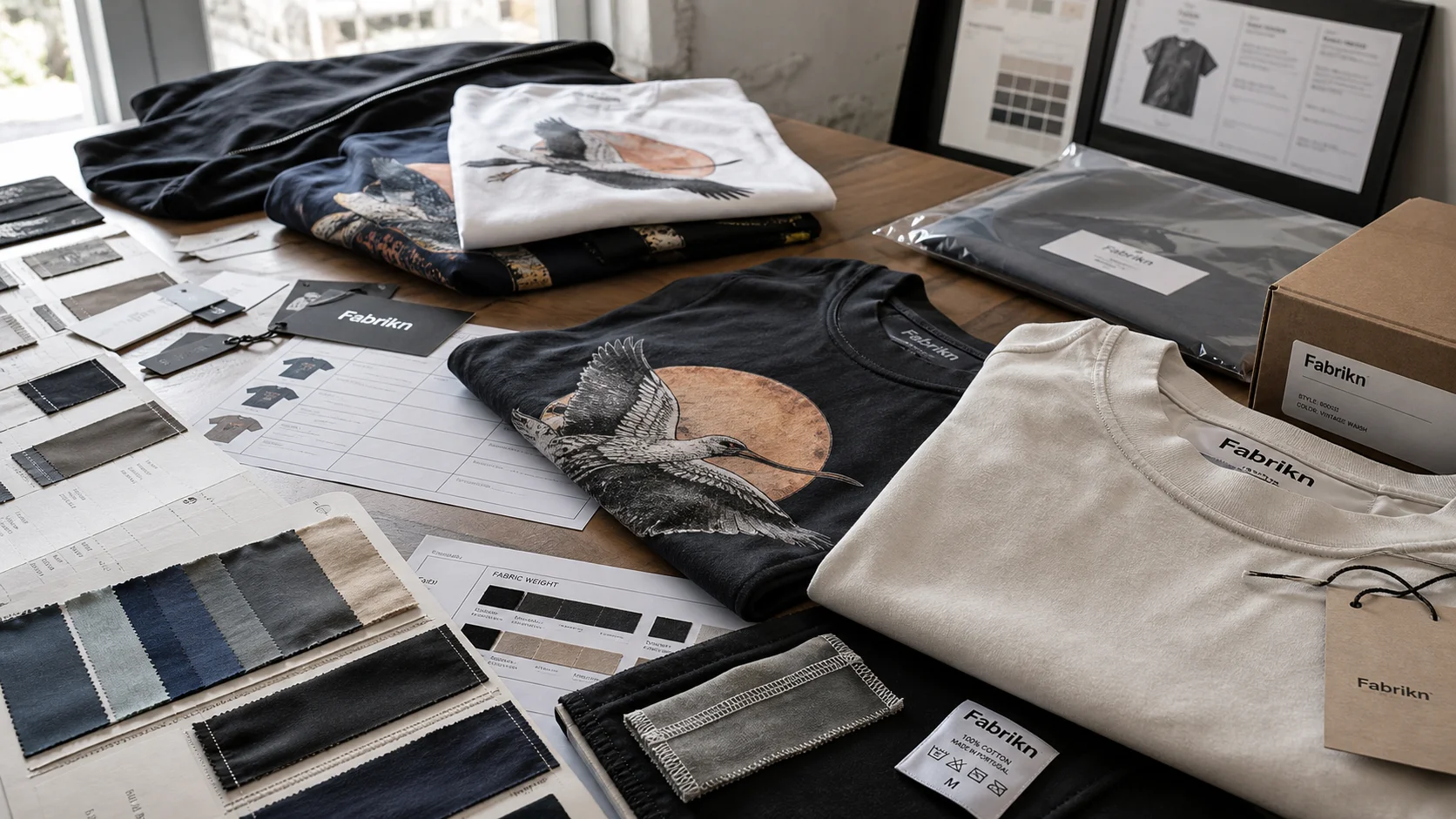
Much Does Clothing Sampling Cost compared by sample evidence, fabric or trim specs, MOQ, AQL terms, cost lines, delivery timing, and rework responsibility.
Fast answer: Much Does Clothing Sampling Cost: Tech Pack, Sample Gate, MOQ, and QC Terms should be judged by production evidence, not by a generic sourcing promise. The buyer needs sample proof, cost breakdowns, QC checkpoints, and delivery buffers in writing.
Ask for recent sample photos, measurement tolerances, fabric or print test assumptions, decoration test notes, packing examples, and a named inspection checkpoint. These details show whether the team can repeat an approved sample at bulk volume.
Separate garment cost, decoration, labels, packaging, sampling, testing, freight, and rush charges. Clear cost lines make it easier to reduce colorways, adjust size depth, or reserve more time for sampling.
If you are developing a new apparel line, one of the first questions you will likely ask is: how much does clothing sampling cost? The short answer is that clothing sampling can cost anywhere from a few dozen dollars to several hundred dollars per sample, depending on garment complexity, materials, construction, and the manufacturer’s development process. For many brands, sampling is one of the most important early investments in the product development cycle because it helps turn ideas into sellable products before committing to bulk production.
This guide breaks down the real factors behind clothing sampling cost, what brands should budget for, and how to avoid unnecessary expenses while still getting high-quality samples. Whether you are creating a simple T-shirt, a technical jacket, or a fashion-forward dress, understanding sampling costs can help you plan smarter and reduce risk. If you want to explore full production support, you can also review our services page.
Clothing sampling is the process of creating a prototype or pre-production version of a garment before bulk manufacturing begins. A sample is used to test the fit, fabric, stitching, trims, sizing, construction, and overall appearance of the design. It allows brands, designers, and manufacturers to identify issues early and make corrections before placing a larger order.
Sampling is not just about making one item. In most cases, it is a structured development stage that may include multiple rounds:
Each round may involve different costs, especially if revisions are needed. That is why the total sampling budget is often higher than brands expect at the beginning.
Sampling is one of the most valuable steps in apparel manufacturing because it reduces the risk of production mistakes. Even a great design can fail if the fit is wrong, the fabric is unsuitable, or the garment construction is inconsistent. Sampling helps brands assess the product before investing in inventory.
Here are the main reasons sampling matters:
Without sampling, brands risk costly mistakes in mass production. A small sampling fee is usually far less expensive than fixing an entire order of flawed garments.
The average clothing sampling cost varies widely based on the item and the manufacturer. In general, you can expect the following approximate ranges:
Some manufacturers may charge less for simple styles if they are already familiar with the construction method, while others may charge more for development support, pattern work, or custom materials. In addition, brands should budget for associated costs such as pattern making, fabric sourcing, embroidery, printing, grading, and shipping.
It is also common for a brand to pay for multiple sample rounds, not just one. For example, a style may require an initial sample, a revised fit sample, and a final pre-production sample. That means total sampling costs can easily range from under $200 for a basic style to over $1,000 for a more technical or heavily revised piece.
If you want to speak with a manufacturer about your sampling project, visit our contact us page.
Several factors influence how much clothing sampling costs. Understanding these variables can help you estimate a more realistic budget.
The more complex the garment, the higher the sampling cost. A plain crewneck T-shirt is faster and easier to sample than a tailored blazer, padded jacket, or detailed evening dress. Complex garments require more pattern work, sewing time, and construction expertise.
Fabric choice plays a major role in cost. Standard fabrics that are easy to source usually keep sampling prices lower. Custom-developed fabrics, specialty knits, performance materials, or imported textiles can raise the price due to sourcing time and higher material costs.
Zippers, buttons, labels, snaps, embroidery, appliqué, printing, sequins, and other decorative elements can increase sampling costs. The more custom details your garment has, the more time and materials are required to produce the sample.
If your garment requires a new pattern, the manufacturer or pattern maker may charge separately. Pattern development costs can be especially important for first-time designs, custom fits, or technically advanced garments.
The first sample is rarely perfect. If the fit or design needs changes, a revised sample will usually be needed. Every new round may add extra labor, materials, and shipping fees, increasing the total cost.
Some factories offer lower sampling costs for larger potential orders or long-term customers. If you plan to place bulk production after sampling, some manufacturers may credit part of the sample cost toward the final order.
Sampling costs can differ by country and region. Labor rates, overhead, and sourcing costs vary across manufacturing hubs. Brands working with overseas factories may find lower base sampling prices, but they should also factor in shipping time and communication.
Rush sampling usually costs more. If you need a sample quickly for a launch, presentation, or buyer meeting, the manufacturer may charge an expedited fee.
Not all samples serve the same purpose. Different sample types may have different price points because they require different levels of development.
A prototype sample is often the first physical version of the design. It may be used to test the basic silhouette, proportion, and construction idea. This is usually one of the most important early samples and may cost less than later refined samples, especially if the materials are basic.
A fit sample is used to check sizing and garment fit on a body or dress form. If revisions are needed, additional fit samples may be required. Cost depends on complexity and the number of changes requested.
A sales sample is used for marketing, showroom presentations, or buyer meetings. These samples often need a better finish and more accurate materials so they can represent the final product more closely.
A pre-production sample is made to confirm the final version before bulk production begins. It is usually the most important approval sample because it should closely reflect the final factory output.
A size set sample is created in multiple sizes to ensure grading consistency. This can add cost because each size must be checked and may need its own sample.
SMS stands for salesman sample. It is often created for line sheets, showroom use, or wholesale presentations. The cost depends on how close it must be to the final product and whether special finishes are required.
To help make clothing sampling cost easier to understand, here are some general examples of what brands might expect to pay.
A simple cotton T-shirt may cost around $30 to $70 for a sample if the fabric is standard and the construction is straightforward. If there are custom prints, special washes, or premium fabric requirements, the price can increase.
A hoodie or sweatshirt may cost around $50 to $120 per sample. Costs rise if the style includes custom drawcords, embroidery, specialty fleece, oversized construction, or complex finishing.
A woven shirt or blouse may cost around $60 to $140, depending on fit details, button plackets, collar construction, and fabric selection.
Denim samples often cost around $80 to $180 because they involve more detailed construction, washes, hardware, and fit testing.
Outerwear samples can range from $150 to $400 or more due to layered construction, lining, insulation, zippers, snaps, and technical materials.
Sportswear and technical garments often fall in the $100 to $300+ range because of stretch fabrics, bonded seams, performance testing, and specialized pattern work.
These are only estimates. The actual cost depends on your manufacturer, sample complexity, and the amount of development support included.
Brands can control clothing sampling cost by planning carefully and minimizing unnecessary revisions. The goal is not to cut corners but to make the process more efficient.
One of the best ways to reduce sample costs is to send complete and accurate information from the start. Include sketches, technical packs, measurements, fabric references, trim details, and finishing instructions. The clearer your input, the fewer mistakes and revisions will be needed.
If your product can be developed with readily available materials, sampling will usually be more affordable. Custom materials can be worth it for premium positioning, but they often increase both time and cost.
To avoid paying for extra sample rounds, review every sample carefully and provide consolidated feedback. A focused, well-organized approval process can save both time and money.
If you are launching a new brand, begin with a small capsule collection rather than a large line. Sampling fewer styles helps you manage risk and keep early development costs under control.
Some manufacturers will apply part of the sampling cost to your bulk order if production moves forward. This can make sampling much more cost-effective over the full project.
An experienced clothing manufacturer may charge a fair sample fee, but they can often save you money in the long run by reducing errors and improving development efficiency. You can learn more about our background on the about us page.
Knowing the sampling process helps brands plan budgets and timelines more accurately. While every manufacturer works differently, the general process usually includes the following steps:
The sampling stage can take anywhere from a few days to several weeks depending on complexity, revisions, and fabric availability. Brands should always build enough time into their development calendar, especially if they are working toward a seasonal launch or trade show deadline.
Some new brands hesitate to invest in sampling because of the upfront cost. However, sampling is almost always worth it when developing products for sale. It protects your budget from much larger production mistakes and gives you confidence in the final item.
Sampling is especially important when:
In other words, the sample cost should be viewed as part of product development, not as an optional extra. It is an investment in product quality, brand credibility, and production accuracy.
Choosing the right partner can have a major impact on your overall sampling cost and product outcome. The lowest quote is not always the best option if it leads to poor communication, weak quality control, or excessive revisions.
When evaluating a manufacturer, look for:
A reliable manufacturing partner can help you reduce mistakes, shorten development cycles, and improve final product quality. If you are exploring sampling and production support, you can get in touch through our contact us page.
So, how much does clothing sampling cost? In most cases, brands should expect to pay anywhere from $30 to $400+ per sample, depending on garment type, complexity, materials, and the number of revision rounds. While sampling may seem expensive at first, it is one of the most important investments in apparel development because it helps brands avoid costly production errors and improve product quality before bulk manufacturing.
If you want to build a strong clothing line, plan your sampling budget early, provide detailed specifications, and work with a manufacturer that understands both design and production. With the right approach, sampling becomes a strategic tool that saves money in the long run and helps you launch with confidence.
Get a free quote from Fabrikn — your trusted B2B clothing manufacturer with 10+ years of experience. MOQ as low as 200 pieces.
Get a Free Quote →For a new brand, clothing sampling often costs between $30 and $400+ per sample depending on complexity. Simple garments are cheaper, while technical or custom pieces cost more.
Usually not. Many garments require multiple sample rounds, such as a prototype, fit sample, and pre-production sample. Each round may have its own fee.
Yes, many manufacturers charge for revised samples because they require additional labor, materials, and production time.
Sometimes. Some manufacturers offer sample credits or partial refunds if you move forward with bulk production. This depends on the factory’s policy.
Sample prices vary based on fabric, pattern complexity, trims, construction details, revision rounds, and urgency. More complex garments naturally cost more to sample.
Provide a detailed tech pack, use standard materials when possible, and work with an experienced manufacturer. Clear information helps reduce errors and unnecessary revisions.