
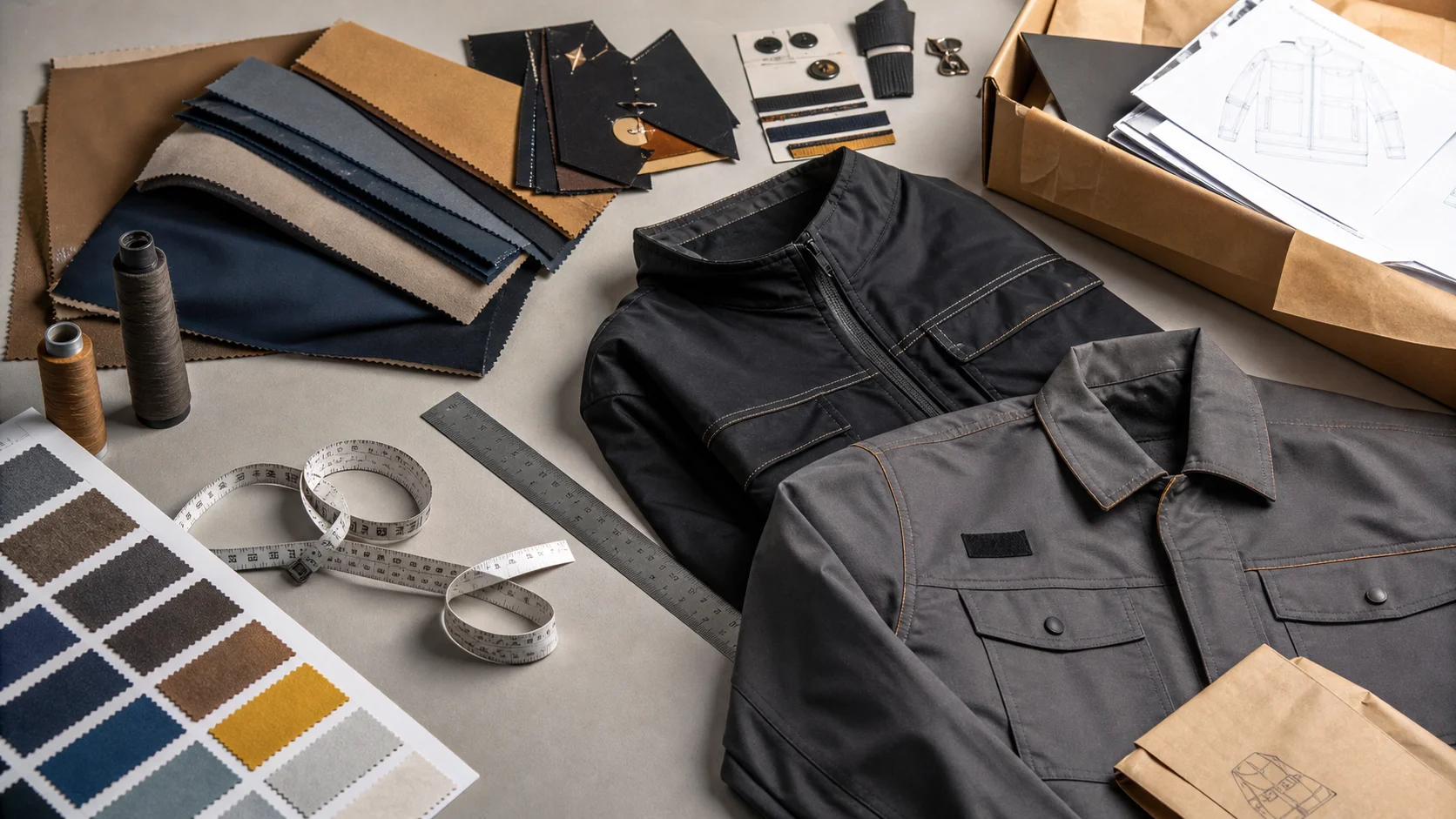
Private Label Shopify Clothing Bundle Strategy Case Study with checks for samples, fit, MOQ, QC evidence, pricing terms, and delivery risk.
Fast answer: Private Label Shopify Clothing Bundle Strategy Case Study should be judged by production evidence, not by a generic sourcing promise. The buyer needs sample proof, cost breakdowns, QC checkpoints, and delivery buffers in writing.
Ask for recent sample photos, measurement tolerances, fabric or print test assumptions, decoration test notes, packing examples, and a named inspection checkpoint. These details show whether the team can repeat an approved sample at bulk volume.
Separate garment cost, decoration, labels, packaging, sampling, testing, freight, and rush charges. When every cost line is visible, it becomes easier to reduce colorways, adjust size depth, or reserve more time for sampling.
In the fast-paced e-commerce landscape, private label Shopify stores face relentless pressure to differentiate their apparel offerings while maximizing profit margins. This Private Label Shopify Clothing Bundle Strategy Case Study chronicles how a mid-sized apparel brand transformed its product line by deploying carefully crafted clothing bundles, leveraging Shopify’s platform capabilities, and collaborating with a manufacturing partner for consistent quality. With an emphasis on strategic bundle curation, Shopify automation, and targeted marketing, the brand achieved higher average order values, stronger customer retention, and improved operational efficiency.
With Fabrikn’s manufacturing and private label expertise, the brand navigated the complexities of sourcing sustainable materials, executing quality control, and scaling production. This case study highlights practical lessons for private label entrepreneurs seeking to build profitable Shopify clothing bundles. As the narrative unfolds, readers will learn how the brand aligned bundle architecture with customer needs, configured Shopify for seamless cart behavior, and amplified bundle appeal through marketing. The journey concludes with measurable outcomes, ensuring the article delivers actionable insights for apparel companies exploring similar growth strategies.
Private label apparel brands often rely on individual SKUs to tell their story. However, bundling is a powerful lever for increasing customer lifetime value and showcasing cohesive outfits that reinforce brand identity. When executed correctly, bundles drive higher average order values (AOV) and simplify purchasing choices for shoppers. Shopify, with its intuitive interface and scalable architecture, makes it possible to orchestrate complex bundle strategies that deliver on both merchandising and operational fronts.
Bundling in the private label clothing space can take several forms: mix-and-match wardrobe sets, seasonal capsule kits, subscription-style rotations, or themed bundles centered around activities such as travel, fitness, or workwear. The key is to align bundles with compelling narratives that resonate with core customer personas while keeping the logistics manageable. For private label brands manufacturing on-demand or in limited runs, mixing popular SKUs with newer pieces in a bundle can fast-track the validation of upcoming styles.
From a Shopify perspective, bundle success hinges on inventory synchronization, pricing transparency, and frictionless checkout experiences. Merchants must configure bundle-related apps or native line item scripts to ensure that inventory is deducted correctly and discounts are applied uniformly. Also, the presentation layer – including curated hero images, videos, and storytelling copy – positions the bundle as a value-packed proposition rather than just a discounted package.
This case study explores how one brand achieved these objectives by collaborating with Fabrikn to translate the strategic vision into actionable merchandising, marketing, and manufacturing plans. Throughout the process, Shopify served as the transactional backbone, with bundles acting as the catalyst for growth.
The brand at the heart of this study is a private label apparel business focused on premium wardrobe staples for professionals aged 28 to 45. As the brand matured, leadership noticed a plateau in order frequency despite strong traffic growth. Customers were gravitating toward curated outfits rather than single pieces, yet the store lacked an effective mechanism to showcase complete looks.
Key goals for the bundle strategy included:
To achieve these goals, the brand partnered with Fabrikn for private label manufacturing. Fabrikn’s team helped define the assortment roadmap, ensuring fabric choices and construction techniques aligned with the brand’s premium positioning. In tandem, Shopify experts configured the store to showcase bundles across landing pages, collection sections, and pop-ups. This synergy between merchandising strategy, manufacturing execution, and platform setup formed the foundation of the case study.
Another essential component was data. The brand used Shopify’s analytics to identify high-converting products, popular size profiles, and average cart metrics. These insights guided the selection of SKUs included in each bundle, ensuring that every offering mirrored actual customer preferences rather than speculative combinations. Fabrikn provided input on production timelines to align bundle launches with inventory availability and seasonal demand.
Designing a clothing bundle required balancing aesthetic cohesion with operational feasibility. The brand formed a cross-functional team with representatives from merchandising, product development, and supply chain. This group collaborated with Fabrikn to finalize materials, trims, and cut-and-sew processes for each SKU. Fabrikn’s detailed tech packs made it straightforward to maintain consistency across multiple bundle releases.
The team segmented bundles into three categories:
Each bundle combined two to four pieces carefully selected to highlight complementary silhouettes and textures. For instance, the “Workday Command” bundle paired a structured blazer, tapered trousers, and a silk shell. Bundles included optional add-ons such as belts or scarves to enhance perceived value without complicating fulfillment.
Private label differentiation came through exclusive cuts, signature detailing, and branded packaging. Fabrikn ensured that each garment met the brand’s high standards, sourcing premium sustainable fabrics and overseeing production line audits. Quality control checkpoints were built into the manufacturing timeline, reducing the risk of defects before pieces were folded and shipped to Shopify’s fulfillment partners.
Another layer of the design process entailed pricing strategy. Bundles were priced at a slight discount compared to buying items individually, yet the margin remained healthy due to economies of scale in production and the perceived value of bundled looks. Pricing decisions incorporated manufacturing costs, shipping rates, and marketing spend. The result was a compelling offer that still preserved a strong brand reputation.
Shopify’s flexibility was central to making the bundle strategy operational. The store employed Shopify’s product types, tags, and metafields to tag bundle components and control display logic dynamically. The following approaches were implemented:
For entrepreneurs without Shopify Plus, bundling apps that mimic script functionality were used to replicate the same experience. In addition, the store leveraged Shopify Flow to alert the team when bundle inventory reached reorder thresholds. Flow also triggered automated Slack messages to supply chain managers, facilitating proactive reordering and minimizing stockouts.
To reduce friction, bundles were also featured on the homepage and collection pages through Shopify’s sectioned theme. The brand used “Shop the Look” blocks so customers could explore how each piece worked together. Pop-ups that launched after a customer viewed a single product suggested bundles as curated upgrades.
Subscriptions were introduced for select bundles through Shopify’s subscription APIs, enabling repeat purchases for staple items like premium tees and knitwear. This approach supported long-term customer engagement. The subscription functionality was highlighted on bundle pages with copy emphasizing “Effortless restocking.”
Automation extended beyond the storefront. Order fulfillment workflows included automated labeling, packing slips, and notifications to customers. When a bundle order shipped, Shopify transmitted bundle details to logistics partners so packaging could be customized with branded tissue paper and thank-you cards, reinforcing the premium experience.
The brand’s marketing team built a launch campaign that primed existing customers and attracted new audiences through storytelling. The campaign’s pillars included email sequences, social media content, influencer partnerships, and targeted paid ads. Messaging emphasized “Simplified Wardrobe, Elevated Look,” positioning bundles as premium curated sets rather than discount packages.
Email marketing played a pivotal role. The brand segmented lists by purchase history and recommended bundles that matched each customer’s preferred styles. For example, customers who frequently bought workwear received emails promoting the “Executive Capsule,” while casual shoppers saw messages about the “Weekend Ease Duo.” Emails were data-driven and personalized, featuring dynamic product recommendations from Shopify’s merchandising logic.
Social media content showcased styled bundles in real-life settings. Instagram Reels and TikTok videos focused on “get ready with me” narratives that highlighted how the pieces layered seamlessly. Influencer partnerships extended reach; creators styled the bundles and shared discount codes that aligned with the brand’s aesthetic values.
Paid advertising targeted lookalike audiences based on high-value customers. Ad creatives displayed multi-piece outfits in carousel format, communicating the bundle story with minimal words. Ads drove directly to specific bundle landing pages where Shopify’s optimized checkout process captured conversions.
Pop-ups and upsell modules on product pages suggested bundle upgrades when customers added a single item to the cart. This mechanism reminded shoppers of the value proposition without appearing intrusive. Post-purchase emails also reinforced the bundle concept, encouraging customers to explore accessories that complemented their recent order.
An educational blog series detailed the benefits of building a closet around curated bundles, and it linked to the private label storefront. The strategy not only improved SEO but also positioned the brand as a thought leader in private label apparel curation.
Fulfilling bundled orders introduced complexity because multiple SKUs needed to ship together in coordinated packages. The brand used a fulfillment center partnered with Fabrikn to streamline the process. Fabrikn’s quality control (QC) team inspected each garment before shipping, ensuring the bundle maintained its premium promise.
QC checkpoints included fit verification, seam inspection, color accuracy, and packaging consistency. Any deviations triggered corrective actions, preventing subpar garments from entering the supply chain. The brand documented QC findings in shared dashboards, allowing Shopify order fulfillment teams to respond quickly with replacements or refunds when necessary.
Packaging played a strategic role as well. Bundles were delivered in branded boxes with tissue paper, product cards, and care instructions. This elevated unboxing experience reinforced the private label’s premium positioning and encouraged repeat purchases. Customers frequently shared unboxing videos, generating organic buzz and social proof.
Inventory management was tightly controlled with Shopify’s stock tracking. When a bundle sold, all linked SKUs were automatically decremented, preventing oversells. The operations team maintained safety stock levels for each component to avoid bundled stockouts during promotional pushes.
Supplier collaboration remained critical. Fabrikn coordinated production runs to align with bundle demand forecasts. By planning well in advance, the team mitigated the risk of fabric shortages or production delays. The manufacturing partner’s transparency and responsiveness ensured that bundle components arrived at the fulfillment center in sync, enabling a smooth customer experience.
The private label clothing bundle strategy delivered measurable gains across KPIs. Within six months of launch, the brand observed a 23% increase in average order value and a 17% improvement in repeat purchase rate. Bundle-focused campaigns drove 30% of total revenue during the test period, proving that curated sets catalyzed customer interest.
Additional insights:
However, the process wasn’t without challenges. Early bundle attempts led to inventory discrepancies, which prompted a deeper integration between Shopify and the fulfillment center. Continuous monitoring proved essential, especially during peak promotional periods. The brand also learned that timing matters; bundles launched too late into a season struggled to convert, so future releases were scheduled earlier to coincide with customer shopping habit shifts.
One unexpected outcome was the halo effect on single-product purchases. Bundles introduced shoppers to pieces they might not have considered individually, resulting in subsequent sales of stand-alone items featured in bundles. This uplift reinforced the strategic importance of curated storytelling.
Overall, the case study demonstrated that private label brands could use Shopify bundles effectively as part of a comprehensive growth playbook. The combination of precise manufacturing from Fabrikn, Shopify engineering, and marketing finesse unlocked a new revenue engine for the apparel brand.
For brands seeking to replicate or scale a private label clothing bundle strategy, partnering with Fabrikn can be a game-changer. Fabrikn’s services provide end-to-end manufacturing, from sourcing fabrics to final quality assurance. The company’s transparent production timelines and sample processes allow brands to iterate quickly without sacrificing quality.
Strategic scaling steps include:
Working with Fabrikn for private label production ensures consistency across bundle releases, which is critical for maintaining brand integrity. With Fabrikn’s support, brands can also explore sustainability initiatives, such as using recycled fabrics or traceable supply chains, further differentiating their private label bundles.
For more information about working with Fabrikn, visit the services page to see how the company partners with apparel brands. You can also reach out directly to discuss a bundle strategy or learn about private label production options. To better understand the company’s values and capabilities, explore the about us section.
Scaling also involves marketing muscle. Further investments in content, influencer relationships, and paid media amplify the visibility of bundle offerings. The brand in this case study scaled its marketing budgets based on bundle conversion data, ensuring each dollar spent aligned with measurable returns.
Finally, consider cross-functional alignment. Bundling success requires collaboration across merchandising, manufacturing, marketing, and operations. The brand’s structured approach, supported by Fabrikn, exemplifies how private label Shopify stores can orchestrate that alignment while delivering standout customer experiences.
Get a free quote from Fabrikn — your trusted B2B clothing manufacturer with 10+ years of experience. MOQ as low as 200 pieces.
Get a Free Quote →What is a private label clothing bundle?
A private label clothing bundle is a curated set of garments produced under a brand’s name and sold as a single offering on platforms like Shopify. Bundles typically pair complementary pieces to create ready-to-wear outfits, encouraging higher AOV and reducing decision fatigue for customers.
How does Shopify handle inventory for bundles?
Shopify can manage bundle inventory through custom apps or Shopify Plus scripts that decrement stock for each individual SKU when a bundle is purchased. Merchants often integrate third-party bundle apps for smaller plans or rely on Shopify Flow automation to ensure accuracy.
Why should I partner with a private label manufacturer like Fabrikn?
Partnering with Fabrikn allows apparel brands to rely on experienced private label manufacturing, from fabric sourcing to production and quality control. Fabrikn brings transparency, scalability, and the ability to produce bundles with consistent quality, enabling brands to focus on marketing and customer engagement.
Can bundles improve customer retention?
Yes. Bundles that focus on customer lifestyles and repeat purchase needs (such as staples or subscription-style packs) can enhance retention by offering convenience, consistent quality, and perceived value.
How do bundles impact profitability?
When designed thoughtfully, bundles can improve profitability by increasing order value, accelerating inventory turnover, and allowing brands to experiment with new items alongside proven bestsellers to mitigate risk.