
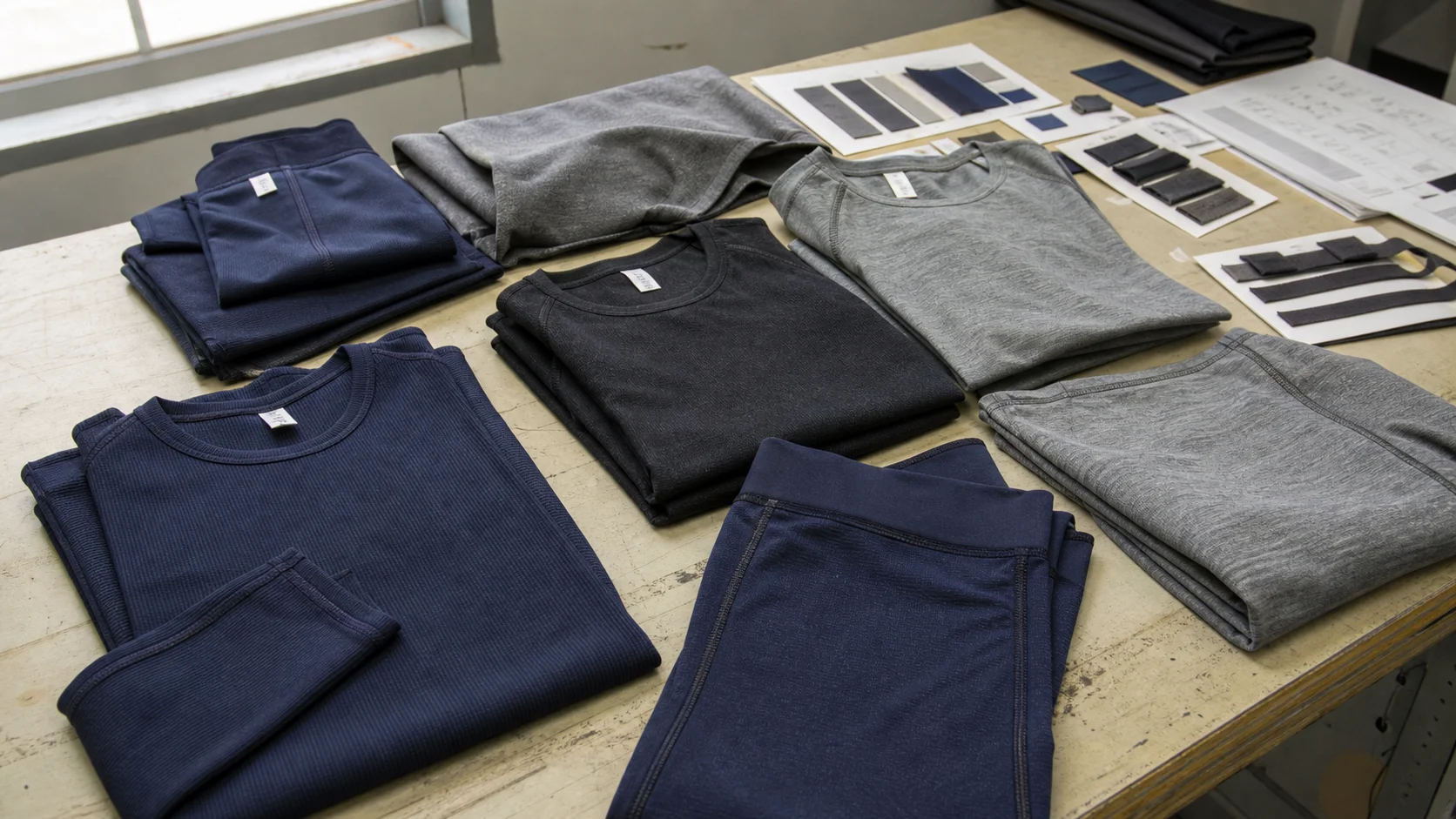
A 2500-word SEO outline for auditing colorfastness in airport uniform team base layer sets, covering test methods, failure risks, fabric variables, wash...
Base Layer Set Colorfastness Audit for Airport Teams - Activewear & Teamwear manufacturing guide
Airport uniform teams work in a demanding environment. Base layer sets sit next to the skin, move through long shifts, and are exposed to sweat, repeated washing, fluorescent lighting, and sometimes outdoor conditions during transfers, baggage handling, security support, or ramp-related duties. If the color fades too early, the team looks inconsistent fast. If the dye bleeds, a dark base layer can stain lighter outerwear or leave a poor impression during mixed laundering cycles.
For procurement teams, colorfastness is not a cosmetic detail. It is a control point tied to brand consistency, wearer satisfaction, replacement frequency, and total program cost. A base layer that looks acceptable in the first sample round can still fail after a few wash cycles if the fabric, dye class, finishing, or trim choices are weak. That is why a colorfastness audit should be built into the sourcing process before bulk production is approved.
In airport teamwear, the buying decision should be practical: choose a fabric system that holds color under real use, not just on a showroom hanger. The best approach is to define expected wash behavior, test against the intended care instructions, and verify that both body fabric and trims stay within acceptable performance limits. For broader program support, see Fabrikn services and the company overview at About Us.
A proper audit looks at the whole base layer set, not only the main fabric color. For airport teams, that usually means top and bottom pieces, if both are included, plus elastic, printed size labels, heat-transfer logos if used, and any contrast panels. One weak component can compromise the entire set.
The audit should answer a few basic questions:
Teams that wear uniforms daily need a stricter standard than occasional eventwear. A base layer set may be issued as part of a layered system, which means the outer garment, base layer, and accessories can all interact during laundering and wear. A deep navy or black base layer is common because it hides minor staining better than lighter colors, but dark shades also show fading and crocking more quickly if the dye system is not strong enough.
Colorfastness starts with the fiber and fabric construction. Polyester, nylon blends, and performance knits usually handle repeated washing better than some cotton-heavy options, but the right answer depends on comfort, breathability, and the employer’s care routine. Airport teams often need long-wear comfort plus fast drying, so many programs look at polyester-spandex or nylon-spandex blends with moisture management.
That said, not every synthetic blend performs the same way. Yarn quality, knit density, dye method, and heat setting all influence how well the color remains stable. A light-weight jersey may feel comfortable, but if it is too open or under-dyed, fading can appear quickly at seams, pressure points, and stretch zones. A heavier interlock or brushed knit can improve appearance retention, yet it may feel warmer and cost more.
Buyers should ask for fabric specifications rather than relying on “performance fabric” labels. Useful details include:
In practical sourcing terms, a darker shade in a stable synthetic blend is easier to manage than a fashion-tone color that has not been validated through wash testing. Deep black, navy, charcoal, and select muted colors often perform better in corporate teamwear, but the specific recipe still matters. A strong base color can fail if the dye is not properly fixed or if the finishing process is inconsistent between dye lots.
Colorfastness audits should not stop at the main body fabric. Trims are frequent trouble spots because they are sourced separately and may behave differently under wash and wear conditions. For airport uniform programs, this includes elastic waistbands, cuffs, neck bindings, hem tape, embroidered patches, woven labels, and printed care labels.
Thread selection matters more than many buyers expect. Contrast stitching may look sharp in the first sample but can create visible color change if the thread bleeds or frays. If the uniform program requires a clean, professional appearance, it is often safer to keep stitching color close to the body fabric unless contrast thread is part of the approved design language.
Heat-transfer logos need careful review. Some transfers crack or discolor after repeated laundering, and some can appear slightly different in brightness compared with the base fabric under airport lighting. Embroidery is usually more durable in appearance, but it can add stiffness, affect comfort on base layers, and raise cost. The sourcing decision is a tradeoff between durability, comfort, and visual identity.
Labels also deserve scrutiny. Printed care labels should remain legible after washing. If woven labels are used, they should not irritate skin or distort after laundering. On close-fitting garments, even a small label failure can create complaints from frontline staff.
A disciplined sample process reduces costly surprises. The sequence usually starts with a development sample, followed by a fit sample, then a color approval sample, and finally a pre-production sample. For colorfastness, the most important point is not just whether the first sample looks right, but whether the selected bulk fabric and production process can reproduce the same result.
A good approval workflow usually includes these steps:
Airport teams should not approve bulk production on appearance alone. A fabric can look excellent on day one and still fail after a few cycles if the dye fixation is weak. The buyer should ask for wash-tested samples using the intended care process, because hand wash and gentle machine wash results do not always predict real operational laundering. If in-house testing is limited, request supplier test reports and make sure they are tied to the same fabric lot or a very close equivalent.
For procurement coordination, it helps to keep communication central and documented. If you need to discuss specs, sampling, or program timing, use the contact page at Contact Us.
A colorfastness audit is only meaningful when it is tied to recognized test methods. Buyers do not need to be test lab specialists, but they should know which evaluations matter and what failure thresholds are acceptable for the program.
Common checks include:
For airport base layers, perspiration and rubbing are especially relevant. Staff move, bend, carry, lift, and sit for long periods, so friction is constant. A fabric that passes visual approval but leaves color on inner layers, seat backs, or skin-contact items will create complaints quickly. If the uniform is worn under a lighter outer layer, wet crocking is a serious risk.
Buyers should request test reports that identify the actual fabric used, not just a generic product family. Pay attention to whether the report reflects the final dyed fabric, the final print application, and the production finishing process. It is not enough to see a lab result on a reference swatch if the bulk order uses a different dye lot or a changed trim set.
There is also a practical point on scoring. A lab rating may technically pass a standard, but procurement should decide what is acceptable for brand image. In a visible airport environment, a borderline result may be acceptable for low-risk internal wear, yet too weak for frontline uniforms that must stay consistent through heavy rotation.
Test area Why it matters for airport teams Common risk if weak Wash fastness Repeated laundering is unavoidable Fading, shade shift, uneven appearance Perspiration fastness Base layers sit against skin for long shifts Staining, odor retention, discomfort complaints Rubbing fastness Movement and friction are constant Color transfer to outerwear or skin-contact items Light fastness Some teams work near bright daylight or exposed areas Premature fading in high-visibility zones Dimensional stability Fit consistency affects comfort and presentation Twisting, shrinkage, poor size retentionMost colorfastness problems in base layer sets come from a small set of avoidable decisions. The first is over-optimistic sampling. A buyer sees a good-looking sample and assumes the bulk will match, even when the supplier later changes dye lot, fabric mill, or finishing route. The second is under-specification. If the technical pack does not define fabric composition, color tolerance, wash method, or trim requirements, the supplier may choose a cheaper input that changes performance.
Another common issue is mixing components from different sources. A base layer body fabric may be stable, while the elastic, print, or label is not. This can create staining or visible migration after washing. In layered uniform systems, that failure becomes more noticeable because workers wear garments together and wash them together.
Heat and detergents matter too. Some programs use stronger commercial laundering than the supplier anticipated. If the garment was only tested for domestic washing, the buyer may see faster fading, pilling, or distortion in the field. This is why care instructions must match the operational reality of the team.
Design choices also affect risk. Very dark, saturated shades can look premium, but they tend to reveal crocking issues more easily. Light colors may hide minor rub, yet can show staining and yellowing more quickly. A balanced shade, combined with a stable dye system, is usually the safer procurement decision for airport teamwear.
A strong spec sheet reduces disputes and keeps the factory focused on measurable targets. For base layer set colorfastness, the following items should be captured before quotation and again before bulk approval:
It also helps to define what happens if a result sits in the gray area. For example, if wash fastness passes but wet crocking is borderline, does the buyer accept it, request rework, or reject the lot? These decisions should be made before production starts, not after shipment. That discipline saves time and keeps the supplier accountable.
When the program involves multiple sizes, gender fits, or seasonal variants, keep the color standard consistent across the whole range. A common mistake is approving one size and assuming the rest will behave the same. Fit differences can change stretch and stress, which in turn can influence surface appearance and perceived fading.
Airport uniform buyers should plan around typical apparel sourcing constraints. For custom base layer sets, MOQ often ranges from 300 to 1,000 sets per color or style, depending on fabric availability, print complexity, and whether the supplier is cutting from stock fabric or developing custom-dyed material. Lower MOQs are possible in some cases, but they may come with higher unit cost or fewer customization options.
Lead time depends on more than sewing. Dyeing, lab dips, fabric knitting, trim sourcing, sampling, wash testing, and bulk packing all affect the schedule. A straightforward order from stock fabric may move faster, while custom color matching or special performance finishes can add weeks. If the program requires approval from multiple stakeholders, build in time for sample revisions.
A practical planning approach is to treat colorfastness testing as part of the critical path. If the test fails and the buyer needs a second round, the calendar slips quickly. Teams that leave testing until after bulk fabric is committed often face avoidable delays. That is especially risky for airport contracts with fixed uniform rollout dates or seasonal staffing changes.
Final inspection should verify more than size and stitch quality. For a base layer set, check shade consistency across the shipment, appearance after sample wash if required, label correctness, and any sign of dye transfer during packing. Dark garments packed tightly with light accessories need extra care.
Inspection points should include:
Airport uniforms are often distributed through internal stores or uniform management systems, which means packaging consistency matters. Garments should arrive clean, dry, and sorted correctly by size and style. If the packing process is rough, folded prints can crack, garments can pick up warehouse dust, and dark colors can rub against each other in transit.
From a sourcing standpoint, inspection should be tied to a clear acceptance standard. Buyers should decide in advance whether slight shade variation is acceptable across a production lot or whether the whole order must stay within a narrow range. The tighter the brand standard, the more important it is to inspect from the first production run rather than assuming repeatability.
When comparing suppliers, look beyond quoted price. A low quote can hide weak fabric consistency, loose testing discipline, or poor trim control. For airport team base layers, the better supplier is usually the one that can show process control, clear spec understanding, and realistic advice about fabric tradeoffs.
Useful comparison points include:
A practical sourcing editor’s view is simple: a supplier that asks better questions usually causes fewer problems later. If they confirm usage conditions, wash method, fit expectations, and artwork method before quoting, the chance of a colorfastness dispute goes down. If they only promise low price and fast delivery, risk goes up.
For buyers building a longer-term uniform program, it is worth reviewing the supplier’s overall manufacturing support, not just one style. A stable partner can help standardize base layers, outerwear, and accessories across multiple seasons and replenishment cycles. If you want to explore program support, start with Services and the company background at About Us.
A base layer set colorfastness audit for airport teams is a practical sourcing safeguard, not a technical box-ticking exercise. It protects appearance, reduces replacement pressure, and supports a professional uniform standard across long shifts and repeated laundering. The key is to test the complete garment system: fabric, trim, print, thread, and care method. Buyers who define requirements early, approve samples carefully, and inspect bulk production with discipline are much less likely to face color complaints after rollout.
For airport uniform teams, the right base layer set is the one that keeps its color, shape, and comfort under real working conditions. That standard should be written into the spec, verified in samples, and checked again before shipment.
Get a free quote from Fabrikn — your trusted B2B clothing manufacturer with 10+ years of experience. MOQ as low as 200 pieces.
Get a Free Quote →It is a review of how well the garment’s color holds up against washing, sweating, rubbing, and light exposure. For airport teams, the audit should cover the body fabric and all trims, labels, and printed elements.
Dark neutral colors such as black, navy, and charcoal are common because they hide light staining and wear. The safer choice still depends on dye quality, fabric type, and wash performance. A poor dark dye can fade faster than a well-made lighter shade.
Typical MOQ is often around 300 to 1,000 sets per style or color, though this varies by factory, fabric source, and customization level. Custom dyeing or special trims can raise the minimum.
Wash fastness, perspiration fastness, and rubbing fastness are usually the most important. Light fastness also matters for teams with daylight exposure. Dimensional stability should be checked so the set keeps its fit after laundering.
No. A sample can look correct and still fail after repeated use. Buyers should ask for wash-tested samples, confirm bulk fabric consistency, and verify that trims and prints match the approved performance level.
Use stable dye systems, confirm wet and dry crocking results, keep trim colors compatible with the body fabric, and make sure packing and laundering instructions are clear. Bulk inspection should also check for any sign of transfer before shipment.