
Vet Apparel Packaging Suppliers for Manufacturing Factories compared by sample evidence, fabric or trim specs, MOQ, AQL terms, cost lines, delivery timing,...
Fast answer: Vet Apparel Packaging Suppliers for Manufacturing Factories: Material, Print, MOQ, and QC Terms should be judged by production evidence, not by a generic sourcing promise. The buyer needs sample proof, cost breakdowns, QC checkpoints, and delivery buffers in writing.
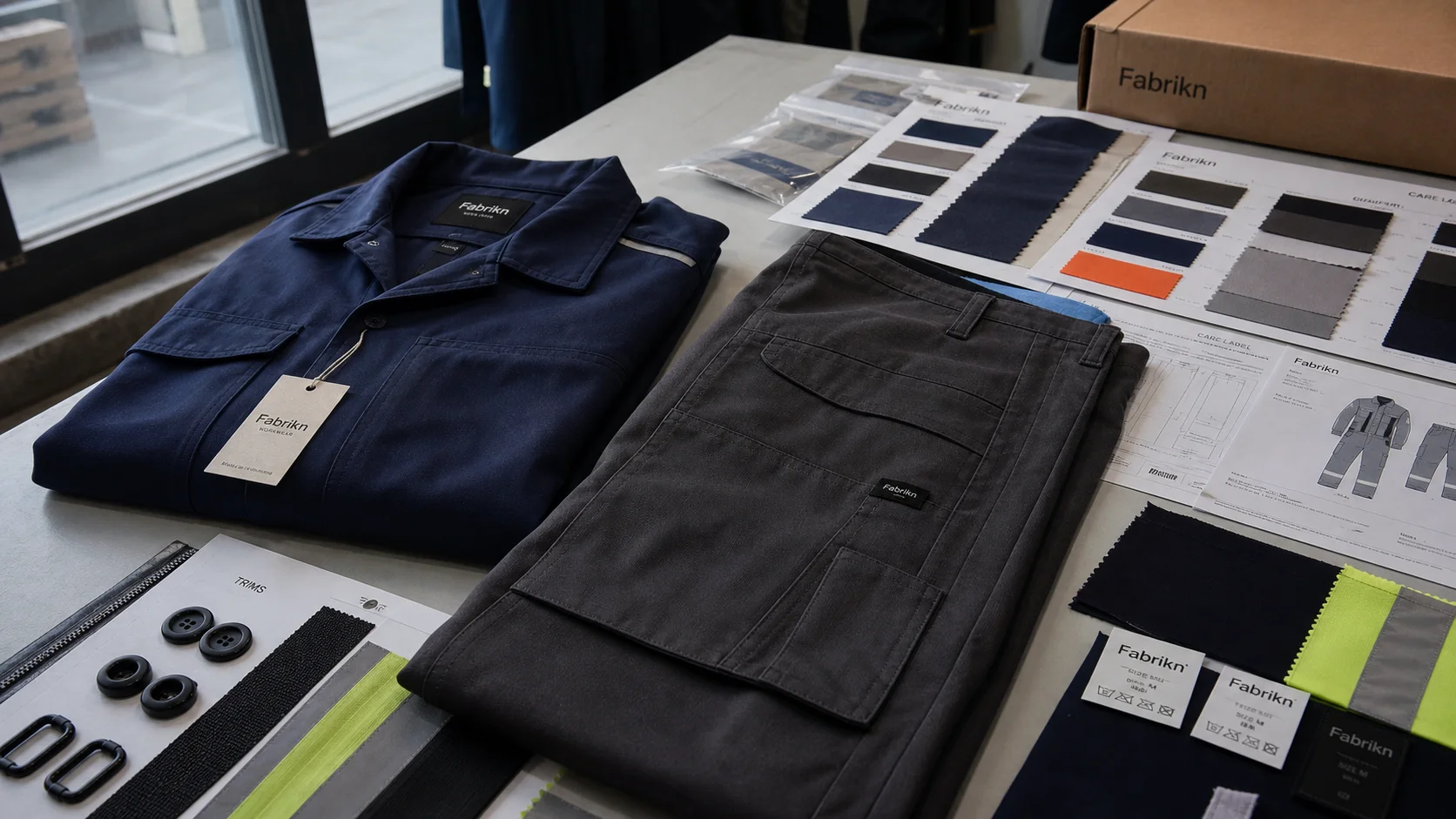
Ask for recent sample photos, measurement tolerances, fabric or print test assumptions, decoration test notes, packing examples, and a named inspection checkpoint. These details show whether the team can repeat an approved sample at bulk volume.
Separate garment cost, decoration, labels, packaging, sampling, testing, freight, and rush charges. Clear cost lines make it easier to reduce colorways, adjust size depth, or reserve more time for sampling.
For apparel manufacturing factories, packaging is not merely the final step in the production lifecycle; it is the point of contact between the brand and the consumer. A reliable packaging supplier supports brand integrity, reduces waste, and ensures that finished garments arrive undamaged. Rushing into a partnership without a thorough vetting process can lead to delays, inconsistent quality, and higher costs. That is why apparel packaging supplier vetting is essential for factories aiming to deliver premium products, stay compliant with regulations, and maintain operational efficiency.
Apparel packaging encompasses a variety of materials and configurations, from poly mailers and hang tags to eco-friendly corrugated boxes. Each packaging format has specific requirements depending on the garment type, destination, and brand positioning. Factories must therefore identify suppliers that can meet these diverse needs without compromising timelines. When vendors align closely with factory goals, they become strategic partners contributing to the success of each collection launch.
At Fabrikn, we recognize how critical packaging is to the broader supply chain. Partnering with dependable suppliers ensures smoother flows through production, fulfillment, and shipping. This article explores how manufacturing factories can vet apparel packaging suppliers with rigor, clarity, and foresight to build resilient operations.
Every factory should begin vetting vendors by clearly outlining its packaging requirements. This initial step aligns stakeholders on expectations and keeps the vetting process focused on suppliers who can deliver relevant solutions.
Start with a comprehensive documentation of all packaging specifications needed across current and upcoming product lines. Include dimensions for poly bags, materials for hang tags, and finishing touches such as lamination or die-cut windows. A factory might produce lightweight activewear requiring breathable packaging, while another handles outerwear that needs heavy-duty protection. Record these differences to avoid selecting a supplier whose capabilities are too narrow.
Factories must anticipate production volumes and the associated packaging demand. Suppliers should be evaluated not only on their current capacity but also on their ability to scale. Lead times are equally vital—especially for fast-fashion or seasonal releases where delays can lead to missed market windows. Clear communication about forecasted quantities and expectations ensures suppliers can plan production and raw material procurement effectively.
Apparel packaging increasingly faces environmental regulations, such as bans on single-use plastics or mandates for recycled content. Factories should identify required certifications (e.g., FSC, ISO 14001) and ensure potential suppliers understand these rules. Compliance is not a checkbox but an ongoing responsibility—both parties should commit to monitoring changes and adjusting to new mandates.
The second phase of vetting involves setting firm criteria to evaluate whether a supplier aligns with factory needs. These benchmarks serve as the basis for comparison and enable objective decisions.
Assessing a supplier’s quality controls is critical. Request documentation about inspection processes, defect rates, and quality certifications. Quality management systems (QMS) such as ISO 9001 indicate a structured approach to consistency. Ask for samples to verify whether the supplier’s output meets your material, printing, and finishing standards. Factor in the supplier’s willingness to conduct joint inspections or accept factory audits.
A supplier’s ability to handle a factory’s volume, especially during peak seasons, is non-negotiable. Evaluate whether they can scale production or diversify packaging types without compromising performance. Look at their workforce size, technology investments, and multiple production lines. Also consider flexibility—can they deliver rush orders, adjust to design tweaks, or pivot packaging sizes quickly?
A growing number of brands expect packaging suppliers to demonstrate sustainable practices. Evaluate the supplier’s material sourcing, energy usage, and waste management. Ask about recycled content, recyclability, and carbon footprint. Suppliers that track environmental metrics and provide transparent reporting align well with modern factory standards. Sustainability is not just a marketing angle—it impacts cost through material efficiency and risk via regulatory readiness.
Financial health indicates a supplier’s reliability over the long term. Request financial statements or business references to ensure they can consistently procure raw materials and maintain operations. A supplier undergoing significant cash flow issues might struggle with timely deliveries or quality control. Financial stability also shows resilience in the face of global disruptions.
Supplier proximity affects shipping costs, lead times, and carbon emissions. Evaluate how logistics fit with your factory’s location. International suppliers may offer price benefits but can introduce customs delays or communication gaps. Domestic suppliers may offer faster turnaround but at higher costs. Consider the entire logistics chain—warehousing, freight forwarding, and first-mile pickup—to ensure smooth synchronization with factory production schedules.
A structured vetting process ensures that apparel packaging suppliers are evaluated systematically, reducing subjectivity and improving transparency.
Begin by compiling a list of potential suppliers through trade shows, industry databases, referrals, or existing partnerships. Use catalogs, websites, and previous case studies to gauge their offerings. Check for any complaints or red flags through online reviews or social media threads. Narrow the list to suppliers that match your basic criteria—materials, volumes, location, and sustainability commitments.
Send a formal RFI to shortlisted suppliers to gather structured data on their capabilities. The RFI should cover production capacity, lead times, materials, certifications, pricing models, and references. This step surfaces any potential mismatches early and provides a basis to invite suppliers to the next phase.
After narrowing the shortlist, issue a detailed RFP that includes technical requirements, packaging artwork guidelines, and delivery expectations. Suppliers should respond with comprehensive proposals including timelines, pricing, and proposed solutions. Also, request samples that match your specifications. Evaluate these samples rigorously for material strength, print clarity, durability, and functionality. Use a scoring matrix to rank suppliers objectively.
Visiting a supplier’s facility offers invaluable insights into their operations. Observe production lines, quality inspections, storage conditions, and worker safety. Engage in conversations with plant managers about continuous improvement programs. If travel is constrained, arrange virtual tours or request video documentation. Verify that production capabilities align with what was advertised during earlier stages.
Include stakeholders from quality assurance, logistics, sourcing, and sustainability teams in the evaluation process. Each department will have unique concerns—from print accuracy to shipping compatibility. Joint reviews help surface risks and converge on suppliers that satisfy the collective needs of the factory. Document the evaluation outcomes and rationale behind supplier rankings for transparency and future reference.
Vetting does not end once a supplier is selected. Continuous oversight and risk mitigation practices are essential to maintain strong partnerships.
Negotiate contracts that clearly establish quality standards, packaging specifications, pricing structures, delivery commitments, and penalty clauses. Include clauses for audits, confidentiality, and dispute resolution. Boundaries around intellectual property, especially if packaging incorporates brand-specific motifs or patents, should also be addressed. Legal clarity protects both parties from misinterpretation.
Implement performance scorecards tracking metrics such as on-time delivery, defect rates, sustainable materials percentage, and responsiveness. Share scorecard results regularly with suppliers to foster accountability. Use these tools to identify areas for improvement and celebrate successes. Scorecards also create a basis for renegotiation or termination if performance consistently falls short.
Conduct periodic risk assessments that analyze supply chain disruptions, geopolitical issues, and raw material volatility. Determine contingency plans, such as alternative suppliers or buffer inventories, especially for critical packaging components. Assess the supplier’s disaster recovery capabilities and their ability to communicate proactively during incidents.
Packagers that innovate alongside factories deliver long-term value. Schedule collaborative sessions to explore material advancements, packaging automation, or branding enhancements. These interactions strengthen relationships and help suppliers better understand factory goals, resulting in optimized packaging solutions that reflect the factory’s competitive edge.
For those seeking professional guidance, explore Fabrikn’s full suite of manufacturing services to understand how packaging strategies integrate with comprehensive apparel production: https://fabrikn.com/services/.
Successful collaboration between factories and packaging suppliers requires alignment across planning, quality, and logistics. Here are best practices for integration:
Invite packaging suppliers into planning meetings to share production schedules and forecasts. Collaborative planning reduces surprises and ensures suppliers can align materials procurement with factory cycles. Transparency fosters trust and allows suppliers to offer insights on cost-saving initiatives or lead time adjustments.
Develop joint quality standards, including sampling protocols and acceptance criteria. Train each party’s teams on inspection methods to ensure consistent expectations. When packaging quality issues arise, establish defined escalation paths to address root causes promptly.
Whenever possible, integrate production planning or inventory management systems with packaging suppliers. Shared dashboards provide real-time visibility into inventory levels, order statuses, and upcoming requirements. Technology integration supports smoother handoffs and minimizes manual communication errors.
Create channels for feedback so both parties can highlight wins and address concerns. Regular reviews help factories understand how packaging performance impacts the bottom line, while suppliers gain insights on how to better support manufacturing needs. Encourage openness and celebrate joint successes to maintain strong partnerships.
For inquiries on aligning packaging partners with manufacturing strategies, contact Fabrikn’s team for consultations: https://fabrikn.com/contact-us/.
Get a free quote from Fabrikn — your trusted B2B clothing manufacturer with 10+ years of experience. MOQ as low as 200 pieces.
Get a Free Quote →A strong brief makes the supplier's job narrower and the quote more reliable. For vet apparel packaging suppliers for manufacturing factories, include the target customer, sales channel, expected order quantity, size range, decoration needs, packaging requirements, and delivery market. Then call out the details most likely to affect the result, especially material grade, print tolerance, and barcode size.
The brief should also explain what cannot change. Some brands care most about hand feel, some about price, some about launch timing, and some about retail compliance. When those priorities are not written down, suppliers tend to optimize for whatever is easiest to quote. Clear priorities help the factory make better tradeoffs before the first sample is cut or printed.
Ask the supplier to respond with assumptions, not just a price. A useful reply states MOQ, sample route, production capacity, inspection plan, packing method, and freight handoff. If the answer is vague, the project may still work, but it needs a tighter pre-production stage before money and calendar pressure build up.
The best time to catch problems is before the pre-production sample is approved. Check measurements, color, placement, material behavior, shrinkage, construction, labels, and packaging in the same review instead of approving each item in isolation. Many bulk issues are not caused by one dramatic mistake; they come from several small unchecked assumptions.
For vet apparel packaging suppliers for manufacturing factories, pay special attention to folding method, pack-out sequence, and retail compliance. These details often look minor in an email but become expensive once cutting, printing, sewing, packing, or shipping begins. A simple checklist with owner, due date, and approval status keeps the brand team and factory aligned.
Bulk production should not start until the supplier can explain how the approved sample becomes a repeatable production standard. That means reference sample storage, line instructions, inline checks, final inspection, and defect handling. A factory that can describe this process clearly is usually safer than one that only promises speed.
Price differences are useful only when the quotes cover the same work. Compare sample cost, material source, trims, decoration, packaging, testing, inspection, and freight assumptions. A low unit price can become expensive if it excludes items the brand needs before launch.
Timeline promises deserve the same scrutiny. Ask what happens if the first sample needs revision, whether materials are in stock, when the production slot is reserved, and how export packing is handled. The most reliable supplier is often the one that gives a realistic calendar instead of the fastest optimistic answer.
The vetting timeline depends on the complexity of requirements and the number of suppliers evaluated. Some factories complete initial vetting within a few weeks, while more rigorous processes involving on-site audits might take two to three months. It is essential to pace the process to avoid sacrificing thoroughness for speed.
Common pitfalls include insufficient clarity around specifications, neglecting sustainability standards, overreliance on cost without considering quality, and failing to validate supplier claims through visits or evidence. Adhering to a structured vetting framework minimizes these risks.
Yes. Diversifying packaging suppliers can mitigate risk, especially for high-volume or regional operations. Maintain consistent standards across suppliers through shared documentation and quality criteria. Some factories designate primary and secondary suppliers based on specific packaging types or seasons.
Sustainable vetting places extra emphasis on material origins, recyclability, lifecycle assessments, and transparency in carbon reporting. Factories should request documentation proving recycled content, supplier audits on responsible sourcing, and end-of-life disposal recommendations. Working with suppliers committed to sustainability also aligns with brand expectations and regulatory compliance.
To understand Fabrikn’s broader capabilities and how packaging partnerships fit into our full manufacturing portfolio, visit our about page: https://fabrikn.com/about-us/. Our team is available to tailor solutions that align packaging strategies with production goals.