
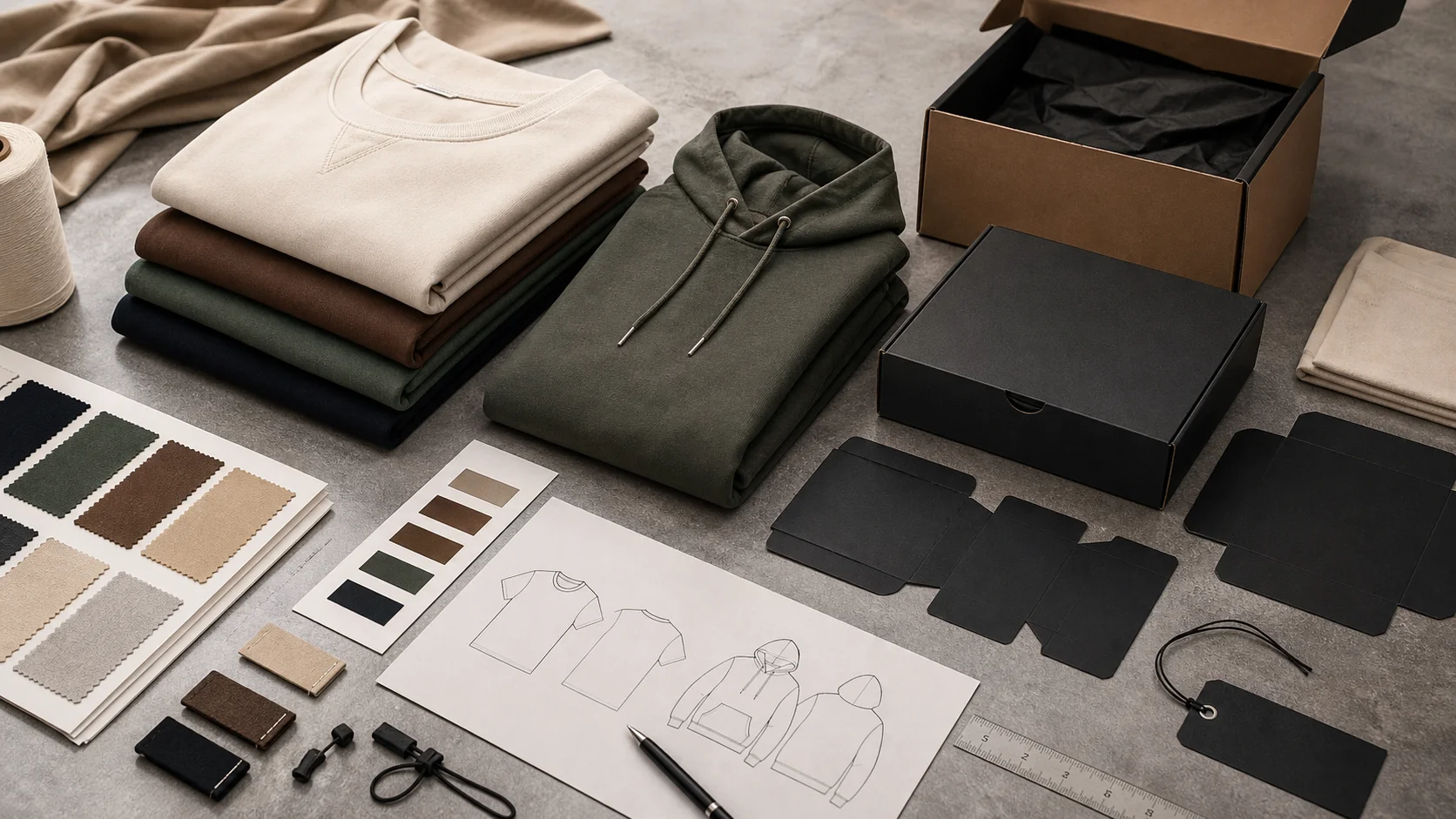
Apparel Production Lead Time Planning for Wholesale Buyers with checks for samples, fit, MOQ, QC evidence, pricing terms, and delivery risk.
Fast answer: Apparel Production Lead Time Planning for Wholesale Buyers should be judged by production evidence, not by a generic sourcing promise. The buyer needs sample proof, cost breakdowns, QC checkpoints, and delivery buffers in writing.
Ask for recent sample photos, measurement tolerances, fabric or print test assumptions, decoration test notes, packing examples, and a named inspection checkpoint. These details show whether the team can repeat an approved sample at bulk volume.
Separate garment cost, decoration, labels, packaging, sampling, testing, freight, and rush charges. When every cost line is visible, it becomes easier to reduce colorways, adjust size depth, or reserve more time for sampling.
For wholesale buyers, apparel production lead time planning is one of the most important parts of a successful sourcing strategy. Whether you are ordering private label clothing, retail-ready uniforms, seasonal fashion, or promotional apparel, the time between placing an order and receiving finished goods can directly affect inventory flow, sales performance, cash flow, and customer satisfaction.
In the apparel industry, lead time is rarely a single number. It is a combination of design development, fabric sourcing, sampling, approvals, production, quality control, packaging, and shipping. Each step can influence the final delivery date. Buyers who understand these stages are better prepared to avoid stockouts, missed launch dates, and costly rush fees.
This guide explains how apparel production lead time planning works, what affects turnaround time, and how wholesale buyers can build a more predictable production schedule. If you are looking for a manufacturing partner that can support your planning process, you can explore our services, learn more about us, or contact us to discuss your project timeline.
Apparel production lead time is the total time required to complete a clothing order from the moment it is confirmed until the finished goods are delivered. For wholesale buyers, it typically includes all manufacturing-related steps, as well as logistics and final shipment preparation.
Lead time can vary significantly depending on the complexity of the garments, order quantity, material availability, customization requirements, and destination market. A simple stock-style T-shirt order may move relatively quickly, while a fashion collection with custom prints, embroidery, multiple sizes, and special packaging may require a much longer timeline.
In practical terms, lead time is not just about speed. It is about predictability. A shorter lead time is valuable, but a reliable lead time is even more important because wholesale buyers depend on accurate delivery windows to manage seasonal demand and retail commitments.
Wholesale buyers operate under tight commercial deadlines. Orders may need to arrive before a retail launch, trade show, holiday season, or distribution cycle. If production is delayed, the impact can spread across the entire business.
Good lead time planning helps wholesale buyers make better inventory decisions, schedule promotions properly, and reduce operational stress. It also improves the relationship between buyer and manufacturer because both sides can work from realistic expectations.
To plan lead time effectively, it helps to understand the main stages of apparel production. Each stage adds time, and the total timeline depends on how efficiently they move.
The process often begins with the buyer sharing technical details, design files, measurement charts, fabric preferences, color standards, labeling requirements, and packaging instructions. If the product brief is incomplete, the manufacturer may need clarification before moving forward.
Once the order is confirmed, the factory sources fabric, trims, thread, labels, zippers, buttons, and other components. If materials are in stock, this stage may be fast. If custom fabrics or imported materials are needed, sourcing can add several weeks.
Samples are usually created for fit, quality, color, and construction approval. Buyers may request revisions before approving the final pre-production sample. This back-and-forth can significantly affect lead time if feedback is delayed.
After approval, the factory prepares production markers, cutting plans, machine settings, and workflow schedules. This stage ensures that mass production can run efficiently and accurately.
During bulk production, the garments are cut, sewn, finished, pressed, and assembled. The length of this stage depends on order volume, style complexity, workforce capacity, and production line efficiency.
Inspection is essential in apparel manufacturing. Checks may occur during production, after assembly, and before packing. Quality issues discovered late can delay shipment if rework is necessary.
Final garments are folded, packed, labeled, and prepared for export or domestic delivery. Shipping time then depends on the chosen method, destination, customs procedures, and carrier capacity.
Many factors influence apparel production lead time planning for wholesale buyers. Understanding them helps you build a more realistic timeline.
Simple garments with standard construction are usually faster to produce than products with complex detailing, multiple fabric panels, or special finishes. Embroidery, printing, washing, and embellishment all add steps.
In-stock materials reduce delays. Custom-dyed or imported fabrics can take longer, especially when minimum order quantities must be met before production can begin.
Larger orders usually require more time because they involve more cutting, sewing, inspection, and packing. However, factories with efficient capacity planning may still handle large runs smoothly if timelines are agreed in advance.
If the buyer requests multiple sample changes, the timeline extends. To prevent delays, it is important to provide precise product specifications from the beginning.
Peak seasons can create congestion in production schedules. Many factories receive a high volume of orders before major retail seasons, so planning early is essential.
Private labels, custom hangtags, branded packaging, embroidery, and special labels improve brand identity but also add production steps. These should be built into the schedule from the start.
Air freight is faster but more expensive. Sea freight is more economical for large wholesale orders but requires a much longer transit time. The shipping mode should be chosen based on margin, urgency, and inventory strategy.
Accurate lead time planning starts long before production begins. Wholesale buyers who plan carefully are more likely to meet launch dates and avoid last-minute surprises.
Work backward from the date your products need to be in stock or delivered. Identify the latest possible arrival date, then allow enough time for shipping, customs, receiving, and distribution. For seasonal items, build extra buffer time in case of disruption.
The more complete your product brief, the easier it is for the manufacturer to quote accurately and schedule production. Include garment sketches, size charts, color standards, logo placement, packaging details, and desired quantities.
Instead of asking for one overall delivery date, request a breakdown of each stage: sampling, material sourcing, bulk production, quality control, and shipping. This creates better visibility and helps you track progress more effectively.
Fabric and trims often determine the entire timeline. Ask your manufacturer which materials are ready in stock and which require additional sourcing time. This is especially important for customized or imported components.
Buyers sometimes forget that internal approvals can slow production. If multiple stakeholders need to review samples, designs, or packaging mockups, schedule those approvals early so they do not delay the factory.
A realistic production calendar should include a buffer for unforeseen delays such as freight disruption, material shortages, or inspection issues. Even a small cushion can prevent serious operational problems later.
If you have placed similar apparel orders before, review the actual timelines from those projects. Past performance can be a strong guide for future planning, especially when working with the same style or supplier.
Many wholesale buyers run into lead time issues because of avoidable planning errors. Here are some of the most common ones.
One of the biggest mistakes is assuming production can be compressed at the last minute. Apparel manufacturing includes multiple dependent stages, and skipping them often leads to quality problems or shipping stress.
Sampling is not always a one-step process. If fit or fabric issues arise, extra rounds of samples may be necessary. This should always be considered when building the schedule.
Even if a factory is ready to produce, missing materials can stop the entire order. Buyers should always confirm the availability of fabric, trims, and branded components before committing to a timeline.
Different garment categories require different production methods. A basic knit shirt does not move through the same process as a tailored jacket or technical sportswear item.
Production completion does not mean the order is finished. Freight booking, customs clearance, and final transit should be included from day one.
Wholesale buyers who want reliable turnaround should focus on process discipline, clear communication, and long-term supplier relationships.
Create repeatable templates for technical packs, purchase orders, packaging instructions, and quality standards. Standardization reduces confusion and speeds up approvals.
Fast production depends on fast decisions. Make sure your internal team knows who approves samples, who signs off on color, and who handles urgent questions from the factory.
If you are placing multiple product styles with similar fabrics or packaging, consolidating orders may improve efficiency and reduce material sourcing delays.
A manufacturer that specializes in your product category is more likely to understand the expected timeline, quality standards, and common production risks. You can learn more about our capabilities on our services page.
A good buyer does not only ask how fast a product can be made. They also ask whether the timeline is sustainable, repeatable, and compatible with the brand’s merchandising plan.
Keep records of actual vs. promised lead times for each order. Over time, this data helps you identify reliable partners and improve forecasting accuracy.
Strong supplier relationships are one of the best ways to improve apparel production lead time planning. A factory can only be as efficient as the information and decisions it receives from the buyer.
When discussing your order, be transparent about your target launch date, budget, expected quantities, and market requirements. Ask the manufacturer what timeline they recommend based on the product type, material availability, and current production capacity.
If you need help evaluating whether your project timeline is realistic, reach out through our contact us page. A good manufacturing partner should help you plan around production realities rather than simply promise the shortest possible timeline.
It is also useful to understand the manufacturer’s background, process, and communication style. If you want to learn more about how we work, visit our about us page.
Apparel production lead time planning for wholesale buyers is more than a scheduling exercise. It is a business planning skill that affects stock availability, profit margins, customer satisfaction, and overall supply chain performance. By understanding the stages of apparel production, the factors that influence timing, and the best practices for working with manufacturers, buyers can reduce risk and improve delivery reliability.
The key is to plan early, communicate clearly, and allow enough time for sampling, sourcing, production, quality control, and shipping. Wholesale buyers who manage lead time well are better positioned to launch on schedule, meet market demand, and build stronger supplier relationships.
Get a free quote from Fabrikn — your trusted B2B clothing manufacturer with 10+ years of experience. MOQ as low as 200 pieces.
Get a Free Quote →Lead time varies by product type, order size, material availability, and shipping method. Simple orders may take a few weeks, while more complex or customized garments can take significantly longer.
One of the most common causes is delayed material sourcing or slow sample approval. Missing information from the buyer can also create delays early in the process.
Buyers can reduce risk by sharing complete specifications, approving samples quickly, planning early, confirming fabric availability, and choosing a manufacturer with relevant experience.
Yes. Production is only part of the total timeline. Shipping, customs, and final delivery should always be included in the plan.
It depends on the product and season, but many buyers place orders well in advance of the intended sales period to allow time for development, production, and shipping.
Sometimes, yes. A well-organized manufacturer may reduce lead time through efficient sourcing and production planning. However, overly aggressive timelines can increase the risk of errors or quality issues.