
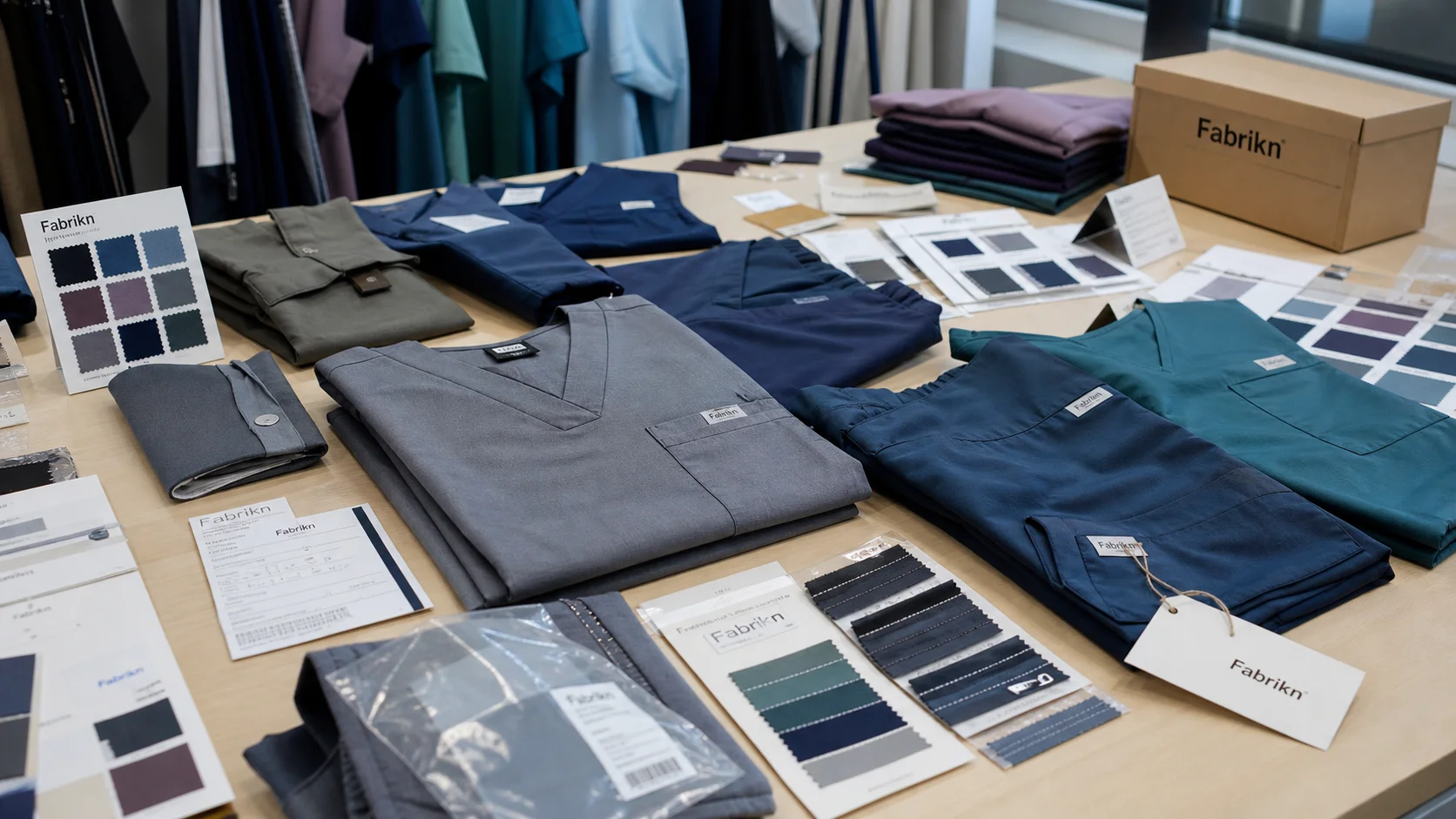
Avoid Common Mistakes When Ordering Wholesale Apparel compared by sample evidence, fabric or trim specs, MOQ, AQL terms, cost lines, delivery timing, and...
Fast answer: Avoid Common Mistakes When Ordering Wholesale Apparel: Tech Pack, Sample Gate, MOQ, and QC Terms should be judged by production evidence, not by a generic sourcing promise. The buyer needs sample proof, cost breakdowns, QC checkpoints, and delivery buffers in writing.
Ask for recent sample photos, measurement tolerances, fabric or print test assumptions, decoration test notes, packing examples, and a named inspection checkpoint. These details show whether the team can repeat an approved sample at bulk volume.
Separate garment cost, decoration, labels, packaging, sampling, testing, freight, and rush charges. Clear cost lines make it easier to reduce colorways, adjust size depth, or reserve more time for sampling.
Ordering wholesale apparel can be a smart way to scale a retail brand, launch a private label, outfit a team, or expand your merchandising business. But while bulk ordering can reduce costs and improve margins, it also comes with risks. A single mistake in product selection, sizing, quality, timelines, or communication can lead to wasted inventory, unhappy customers, and lost profits.
The good news is that most wholesale apparel mistakes are preventable. With the right preparation and a clear process, you can make better sourcing decisions and build stronger supplier relationships. Whether you are a startup brand, a growing e-commerce store, or a business looking for custom uniforms, learning how to avoid common mistakes when ordering wholesale apparel will help you protect your budget and improve your final product.
In this guide, we will cover the most common errors buyers make, explain why they happen, and show you how to avoid them. If you want support from an experienced apparel manufacturing partner, explore our services to see how Fabrikn helps businesses source and produce quality garments at scale.
One of the most common mistakes when ordering wholesale apparel is starting the process without a clear product brief. Many buyers know they want “t-shirts,” “hoodies,” or “workwear,” but they have not defined the exact specifications. Without a detailed plan, suppliers may quote the wrong item, suggest the wrong fabric, or produce samples that miss the mark.
Before you request quotes, define the essentials:
The more precise your specifications, the easier it is for a manufacturer to deliver the right product. This also helps you compare quotes accurately because every supplier will be pricing the same requirements.
It is natural to focus on unit cost when ordering in bulk, but choosing the cheapest option can backfire. Low prices may come with thinner fabrics, weaker stitching, poor color consistency, missed deadlines, or limited customer support. In wholesale apparel, the true cost includes more than the invoice price.
Instead of asking only, “What is the cheapest quote?” ask:
Sometimes a slightly higher unit cost delivers better fabric, a cleaner finish, lower defect rates, and a more professional customer experience. In the long run, value often matters more than the lowest upfront price.
Fabric choice affects comfort, durability, print results, and customer satisfaction. Yet many wholesale buyers overlook technical details such as fiber content, GSM, shrinkage rate, and colorfastness. These details matter, especially if you are selling fashion, sportswear, uniforms, or premium basics.
For example, a cotton t-shirt may feel great but shrink too much after washing if the construction is weak. A polyester blend might perform well for activewear but not suit a fashion line that needs a softer hand feel. If you are ordering wholesale apparel for branding, the wrong fabric can distort logos, fade quickly, or create inconsistent sizing after laundering.
Always request fabric information and finish specifications. If possible, ask for:
Quality should be evaluated from both a visual and performance perspective. A garment can look good on a hanger but still fail in actual use.
Sizing issues are a major source of returns and complaints in wholesale apparel. A common mistake is assuming that all manufacturers use the same size standards. In reality, sizing can vary significantly between suppliers, regions, and garment categories.
If you are ordering for retail, a poor fit can hurt sales and damage trust. If you are ordering for staff uniforms, the wrong sizing can reduce comfort and professionalism. The solution is to request a full size spec sheet or tech pack and review measurements carefully.
Pay attention to:
It is also smart to test garments on real people from your target audience. If you plan to sell unisex apparel, do not rely on one fit sample alone. Ask for multiple sizes and confirm that grading is consistent across the full range.
Not every apparel supplier can handle every type of order. Some are strong in basics but weak in customization. Some can produce large runs but struggle with small batches. Others may offer great pricing but lack quality control systems or export experience.
Before committing, check whether the supplier can support your specific needs. Consider:
This is especially important if you need consistent repeat production. A supplier that cannot scale with your business may become a bottleneck later. If you are unsure how to evaluate a partner, learn more about Fabrikn’s company background on our about us page.
Never skip sampling when ordering wholesale apparel, especially for a new product or new supplier. Product photos, descriptions, and promises are helpful, but they do not replace a physical sample. Samples allow you to assess color, hand feel, fit, construction, print quality, and finishing details before placing a larger order.
When reviewing samples, check:
Do not approve a sample too quickly. Take photos, compare it against your spec sheet, and involve multiple stakeholders if needed. If the sample is off, request revisions before moving into bulk production. That small extra step can save you from a much larger mistake.
Many buyers underestimate how long wholesale apparel production actually takes. Between sampling, revisions, approvals, manufacturing, inspection, and shipping, the process can take weeks or even months. If you launch a product line or event order without enough time, you risk missing deadlines.
To avoid this, build a timeline that includes:
Also consider seasonal demand, holidays, port congestion, and possible delays. A reliable supplier should give you realistic lead times, not overly optimistic ones. Always leave a buffer so one delay does not derail your entire launch.
MOQ, or minimum order quantity, is an important concept in wholesale apparel. Some buyers get surprised when they learn a supplier requires a larger order than expected. Others think they are getting a great deal but later discover additional fees for sampling, labeling, packaging, and freight.
Before you place an order, ask for a full cost breakdown. Make sure you understand:
Knowing the total landed cost helps you set the right retail price and protect margins. If the MOQ is too high for your current cash flow, ask whether the supplier offers phased production or a smaller first run.
Even when a sample looks perfect, bulk production can still contain defects. That is why quality control should be part of every wholesale apparel order. Without inspections, you may receive garments with inconsistent sizing, loose threads, poor print alignment, damaged packaging, or labeling errors.
Quality control is especially important if your apparel is sold through retail channels or used in regulated environments. Depending on your market, you may also need to consider labeling rules, fiber content disclosure, country of origin requirements, and product safety standards.
To reduce risk:
Skipping this step may save time at first, but it often creates bigger costs later in returns, refunds, and reputational damage.
Communication problems are a major reason wholesale apparel orders go wrong. Misunderstandings about fabric, colors, sizing, artwork placement, or deadlines can lead to costly errors. Even a small assumption can create a big production issue.
To improve communication:
Good manufacturers welcome detailed communication because it reduces risk on both sides. If your current sourcing process feels disorganized, it may be time to work with a more structured partner. You can contact us to discuss your apparel project and get expert guidance on production planning.
Now that we have covered the most common mistakes, here are a few best practices that can make wholesale apparel ordering much easier and more profitable:
These habits help you reduce errors, improve consistency, and make better business decisions over time. They also make it easier to scale when demand grows.
If your order is complex, time-sensitive, or tied to your brand reputation, working with a professional apparel manufacturer can be a major advantage. An experienced partner can help you refine your specifications, recommend suitable fabrics, manage sampling, and coordinate production from start to finish.
This is especially valuable for businesses that want:
Choosing the right partner can prevent many of the costly mistakes discussed in this article. A knowledgeable manufacturer does more than fill orders; they help protect your brand and improve your buying decisions.
Learning how to avoid common mistakes when ordering wholesale apparel is one of the best ways to protect your margins, improve product quality, and build a dependable supply chain. The most common errors include unclear specifications, focusing only on price, ignoring fabric details, overlooking sizing, skipping samples, and failing to communicate properly with your manufacturer.
By creating a clear product brief, reviewing samples, understanding total costs, and working with a trusted supplier, you can reduce risk and place orders with confidence. Wholesale apparel can be highly profitable when approached strategically, but success depends on preparation and attention to detail.
If you are ready to source apparel with a professional manufacturing partner, Fabrikn is here to help. Explore our services or reach out through our contact page to start your project.
Get a free quote from Fabrikn — your trusted B2B clothing manufacturer with 10+ years of experience. MOQ as low as 200 pieces.
Get a Free Quote →The biggest mistake is usually not defining product specifications clearly before requesting quotes. Without a detailed brief, suppliers may misunderstand your needs and produce the wrong garment, fabric, or fit.
Always request samples, review fabric and construction details, and, if possible, inspect a pre-production sample before bulk manufacturing begins. This helps you catch issues early.
MOQ, or minimum order quantity, affects your budget, inventory risk, and production planning. Understanding MOQ helps you choose a supplier that fits your business size and growth stage.
Ask for a detailed size chart, review measurement tolerances, and test samples on real people from your target audience. Never assume sizing is standardized across manufacturers.
Not necessarily. The lowest price often comes with trade-offs in quality, service, or reliability. It is better to evaluate total value, including fabric quality, lead time, and supplier communication.
Fabrikn supports businesses with apparel manufacturing services, project guidance, and sourcing support. If you need help with product development or production planning, you can learn more on our services page or get in touch through contact us.