
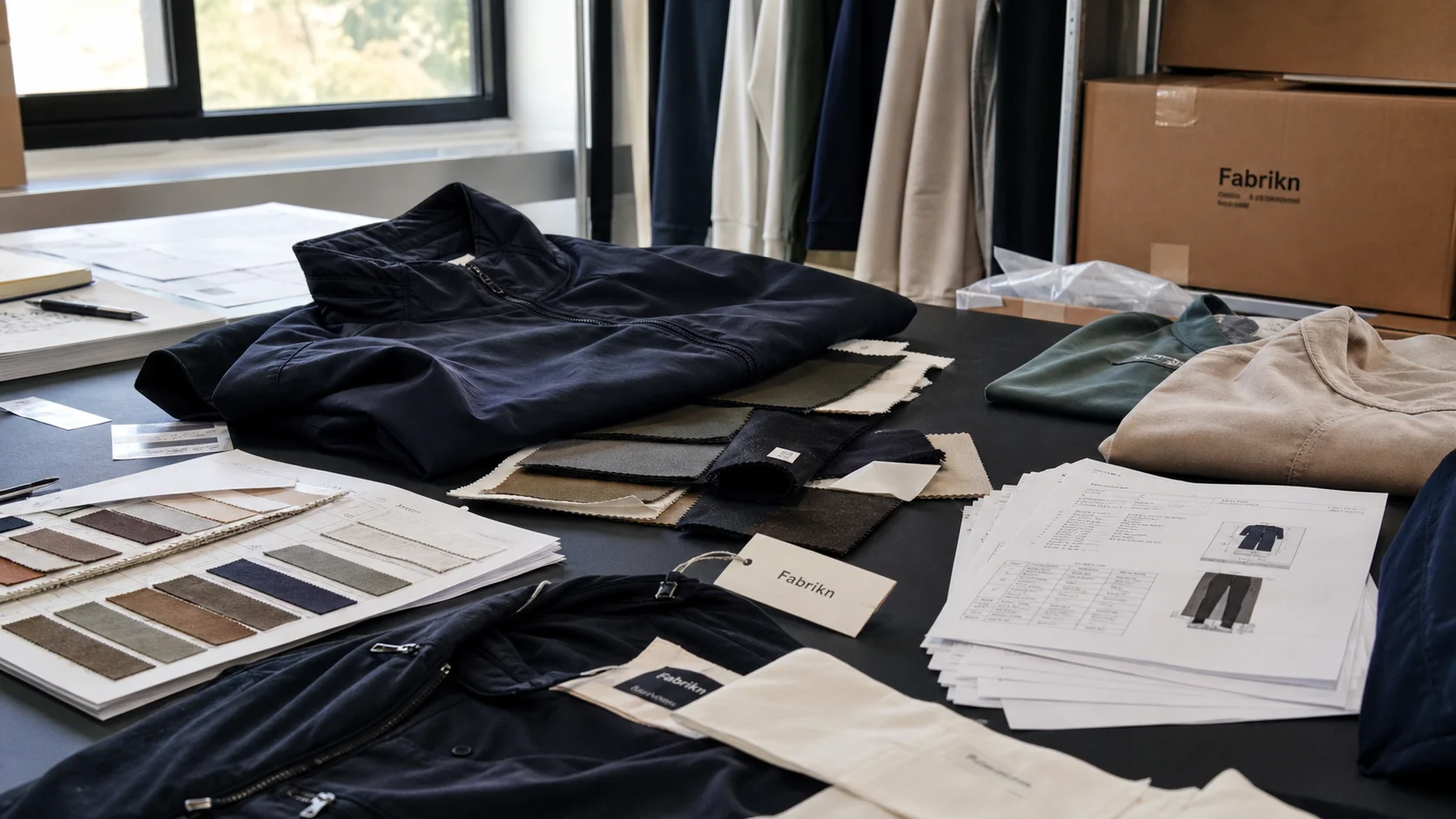
Negotiate Payment Terms in B2B Garment Manufacturing compared by sample evidence, fabric or trim specs, MOQ, AQL terms, cost lines, delivery timing, and...
Fast answer: Negotiate Payment Terms in B2B Garment Manufacturing: Tech Pack, Sample Gate, MOQ, and QC Terms should be judged by production evidence, not by a generic sourcing promise. The buyer needs sample proof, cost breakdowns, QC checkpoints, and delivery buffers in writing.
Ask for recent sample photos, measurement tolerances, fabric or print test assumptions, decoration test notes, packing examples, and a named inspection checkpoint. These details show whether the team can repeat an approved sample at bulk volume.
Separate garment cost, decoration, labels, packaging, sampling, testing, freight, and rush charges. Clear cost lines make it easier to reduce colorways, adjust size depth, or reserve more time for sampling.
How to Negotiate Payment Terms in B2B Garment ManufacturingNegotiating payment terms is one of the most important parts of any B2B garment manufacturing partnership. Whether you are a brand placing your first production order or an established buyer scaling up a seasonal collection, the way you structure payment can affect cash flow, production planning, supplier trust, and overall profitability. In b2b garment manufacturing payment terms negotiation, the goal is not simply to pay less upfront or push for longer credit. The best outcome is a payment structure that protects both sides, supports timely production, and builds a long-term relationship.
For garment brands, payment terms can influence how quickly you can launch a collection, how much inventory risk you carry, and how flexible you are when demand changes. For manufacturers, payment terms determine raw material purchasing, labor planning, and working capital. That means negotiation should be approached strategically, with a clear understanding of the production cycle, order size, product complexity, and trust level between the buyer and the factory.
In this guide, we will explain how to negotiate payment terms in B2B garment manufacturing, what common structures look like, which factors influence the final agreement, and how to create win-win terms that support long-term growth. If you are looking for a reliable manufacturing partner, you can also explore Fabrikn’s services or learn more on our about us page. For direct inquiries, visit our contact us page.
Payment terms define when and how a buyer pays a garment manufacturer for goods or services. In apparel production, this usually includes an upfront deposit, a balance payment before shipment, or payment after delivery depending on the relationship and order history.
Unlike many standard product industries, garment manufacturing is highly cash-intensive. The factory often needs to purchase fabric, trims, labels, packaging, and other inputs before production begins. Labor and quality control costs also start early in the process. Because of this, payment terms are closely tied to production risk and working capital requirements.
In practical terms, payment terms can include:
The exact structure depends on the order size, product type, supplier policy, and buyer relationship. Negotiation is about finding a structure that is financially workable while keeping production moving smoothly.
In b2b garment manufacturing payment terms negotiation, both parties have legitimate financial concerns. Buyers want to manage risk and preserve cash flow, especially when they are placing multiple production orders, launching new styles, or working with long lead times. Manufacturers want to ensure they are not financing the entire production cycle without security.
A payment agreement that is too aggressive on either side can create conflict. If a buyer insists on paying too little upfront, a factory may struggle to buy materials. If a supplier demands too much cash too early, the buyer may feel overexposed. The best agreements are transparent, practical, and aligned with the actual production workflow.
Although payment terms vary widely, several common structures are used in the apparel industry. Understanding them will help you know what is realistic when entering negotiations.
This is one of the most common garment manufacturing payment structures. The buyer pays 30% upfront to start production and 70% before shipment or after pre-shipment inspection. It provides the manufacturer with working capital while keeping a large portion of payment tied to production completion.
For higher-risk orders, smaller factories, or custom products requiring significant material purchases, a 50% deposit and 50% balance is sometimes requested. This gives the manufacturer stronger financial security but may be less attractive to the buyer.
Net 30, Net 60, or Net 90 terms mean payment is due within a certain number of days after invoice or delivery. These terms are usually reserved for established buyers with strong credit history and long-term supplier relationships.
In some cases, payments are linked to production stages such as order confirmation, fabric sourcing, sample approval, or shipment. This approach offers more flexibility and transparency, especially for complex orders.
For international transactions, buyers and suppliers may use financial instruments that provide greater security. These are often used for larger orders or when both sides need additional protection.
Successful payment negotiation is not based on leverage alone. It depends on understanding the variables that shape production risk and cost.
Larger orders often give buyers more negotiating power because they represent more revenue for the supplier. However, very large orders may also require larger upfront commitments from the factory, especially if fabric and trims must be purchased in bulk.
Simple products like basic T-shirts may allow for more flexible terms than highly detailed garments, technical outerwear, or custom-dyed fabrics. Complex items usually require more time, more materials, and more risk for the manufacturer.
If the manufacturer sources fabric and trims on behalf of the buyer, upfront payment requirements are usually higher. If the buyer provides all materials, the factory’s exposure may be lower.
Long-term clients with consistent order volumes are more likely to receive favorable terms. First-time buyers generally need to build trust before requesting extended payment windows.
Longer lead times can increase risk for both parties. If production is scheduled far in advance, payment terms may need to reflect the cost of reserving factory capacity and materials over time.
Urgent orders may leave less room for negotiation because the factory must prioritize resources quickly. Seasonal fashion cycles can also affect a supplier’s willingness to offer better terms depending on capacity and demand.
Preparation is often the difference between a productive conversation and a tense one. Before you negotiate payment terms, you should know your numbers and your needs.
Determine how much you can safely pay upfront without affecting other obligations. Think about fabric deposits, shipping costs, marketing spend, and potential returns.
A factory is not simply waiting for final payment. It may need to pay for fabric, accessories, wages, testing, packaging, and logistics well before your goods ship. Understanding this reality helps you negotiate more fairly.
Ask yourself how customized the order is, how predictable the demand is, and how much rework would be needed if something goes wrong. Higher risk often justifies stricter terms.
Before entering negotiation, identify your preferred terms and the minimum terms you can accept. This prevents rushed decisions and gives you more confidence during the discussion.
If you work with multiple manufacturers or have knowledge of standard market practices, use that information as a reference point. Do not rely on assumptions; compare terms based on product category, region, and order size.
When discussing payment terms, professionalism and clarity matter more than pressure tactics. The most effective negotiations are built on mutual benefit and realistic expectations.
If you plan to place repeat orders, mention that early. Manufacturers are often more willing to offer favorable terms when they see the potential for long-term business rather than a one-off purchase.
If you want better payment terms, consider what you can offer the supplier. This might include larger volumes, faster approvals, simplified product specifications, earlier forecasting, or a commitment to multiple seasons.
Instead of requesting highly favorable terms immediately, propose a step-by-step arrangement. For example, the first order may require a 40/60 split, with the possibility of moving to 30/70 or net terms after two successful shipments.
Milestone-based payment terms can be an excellent middle ground. They help the supplier manage expenses while giving the buyer more visibility and control.
Factories are more likely to relax payment terms if you pay on time, communicate clearly, approve samples quickly, and avoid unnecessary changes late in production. Reliability is valuable currency in garment manufacturing.
If your business has seasonal cash flow limits or budget cycles, explain them honestly. Suppliers may be willing to structure payments around your operational realities if they trust your communication.
Consolidating orders or increasing volume can improve your bargaining position. Manufacturers often prefer larger, steadier orders because they reduce idle capacity and improve planning.
Many negotiation problems arise not from the terms themselves, but from how the discussion is handled. Avoid these common mistakes.
Trying to force the lowest possible deposit may damage trust and even slow production. On the other hand, accepting unclear terms without review can expose your business to unnecessary risk. Balanced negotiation is always better than aggressive bargaining.
Once payment terms are agreed, put everything in writing. Clear documentation protects both buyer and manufacturer and helps prevent misunderstandings later.
It is also wise to align the payment schedule with production milestones and quality control checkpoints. For example, you may require sample approval before fabric bulk purchase begins, or complete payment before shipment after final inspection. This creates accountability and reduces confusion.
The most favorable payment terms usually come from long-term relationships, not one-time negotiations. If you want better terms over time, focus on becoming the kind of buyer suppliers want to work with.
Pay invoices on time. Share forecasts early. Communicate clearly if timelines change. Provide accurate tech packs and product details. Approve samples efficiently. Respect production lead times. These behaviors reduce friction and increase trust.
Suppliers are much more likely to offer flexible terms to buyers who demonstrate consistency and professionalism. Over time, a strong relationship may lead to more favorable deposits, better credit terms, faster turnaround, or access to production priority during busy seasons.
At Fabrikn, we believe strong manufacturing relationships are built on clear communication and mutual respect. If you are exploring a new production partnership, start by reviewing our services or reaching out through our contact us page. You can also learn more about our approach on the about us page.
Negotiating payment terms in b2b garment manufacturing is a strategic process that affects cash flow, risk, trust, and production success. The best agreements are not the ones that simply favor one side; they are the ones that allow the buyer to manage finances responsibly while enabling the manufacturer to produce efficiently and on schedule.
To negotiate effectively, understand common payment structures, evaluate the factors that shape cost and risk, prepare your numbers in advance, and approach the conversation with transparency and professionalism. Where possible, aim for terms that grow with the relationship rather than demanding maximum flexibility from the start.
If you treat payment terms as part of a broader partnership rather than a standalone transaction, you will be better positioned to secure reliable manufacturing support, healthier cash flow, and stronger long-term results.
Get a free quote from Fabrikn — your trusted B2B clothing manufacturer with 10+ years of experience. MOQ as low as 200 pieces.
Get a Free Quote →Common terms include 30% deposit and 70% before shipment, 50/50 splits, and milestone-based payment schedules. Net terms may be available for trusted long-term buyers.
Yes, but expectations should be realistic. New buyers usually have less leverage, so the best strategy is to build trust, show professionalism, and offer something valuable in return such as larger volumes or repeat orders.
Manufacturers often need upfront funds to purchase fabric, trims, packaging, and labor. Since apparel production is capital-intensive, deposits reduce their financial risk.
Net 60 terms are more common with established buyers who have a reliable payment history. They are less common for first-time orders or custom production.
The agreement should include order details, pricing, deposit and balance terms, payment due dates, accepted methods, delivery conditions, and any penalties or rules for changes and cancellations.
Place larger or repeat orders, communicate clearly, pay on time, reduce unnecessary changes, and build a reliable relationship with the supplier over time.
It is often useful to discuss both together because they affect total deal value. A lower price may not help if payment terms create cash flow pressure, and better terms may justify a slightly higher unit price.