
A practical SEO outline for restaurant group buyers auditing custom back neck tabs, covering label legality, print durability, foodservice uniform...
Back Neck Tab Compliance Checklist for Restaurant Buyers - Decoration & Printing manufacturing guide
Back neck tabs look small on a restaurant uniform, but they sit at the intersection of branding, comfort, labeling, decoration quality, and factory compliance. For restaurant groups buying polos, tees, chef coats, aprons, hoodies, or staff jackets, the back neck tab is often treated as a minor trim decision until it causes a failed wear test, a relabeling issue, or a delayed bulk shipment.
This checklist is written for restaurant buyers, uniform managers, procurement teams, and brand operators sourcing decorated apparel from factories or apparel partners. The focus is practical: what to specify, what to approve, what to inspect, and what to document before placing bulk orders.
Category: Decoration & Printing
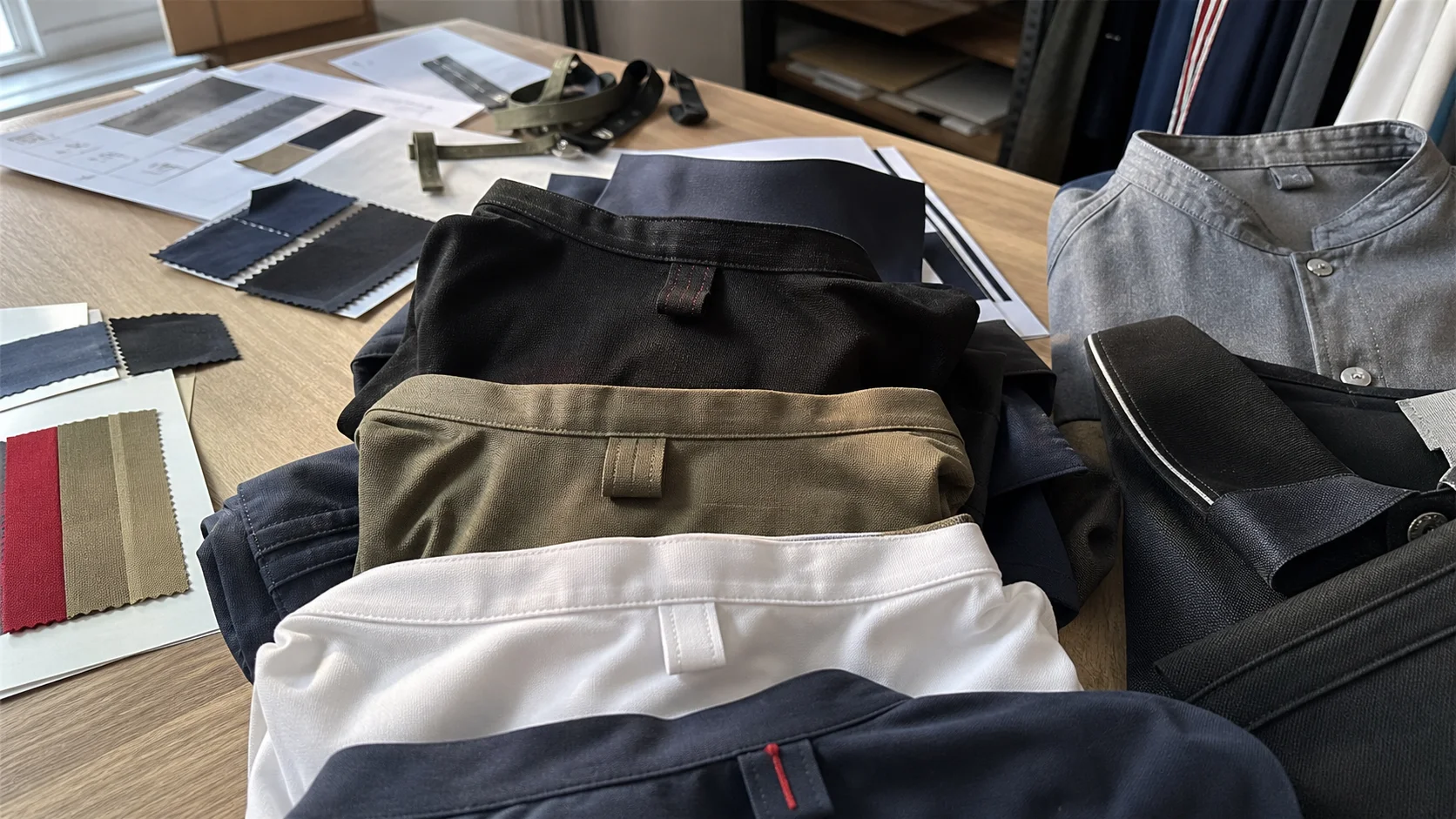
A back neck tab is a small branded or functional label placed inside the back neckline of a garment. It may be sewn into the neck seam, heat transferred onto the inner back neck area, printed directly onto the fabric, or attached as a woven, satin, cotton, or synthetic trim.
For restaurant uniforms, the back neck tab can carry several types of information:
The tab may also be purely decorative, especially when paired with a separate care label elsewhere in the garment. In that case, compliance still matters because the tab touches the wearer’s skin, passes through laundering, and must not conflict with the garment’s required labeling.
A restaurant group with multiple locations often buys the same garment style across regions, roles, and seasons. A small back neck tab error can multiply quickly across thousands of units. That is why this item deserves the same control as embroidery placement, screen print color, or packaging labels.
Restaurant apparel is different from standard promotional merchandise. Staff uniforms are worn for long shifts, washed frequently, exposed to heat, grease, food residue, cleaning products, and repeated movement. Decoration and trim choices need to survive operational use, not only look acceptable on a pre-production sample.
The back neck area is also sensitive. A stiff woven label or poorly trimmed seam can irritate the wearer. If staff cut out the label, the garment may lose required care or content information. If the size marking fades, store managers may struggle to sort uniforms. If the brand tab bleeds dye, the inside neck area can look unprofessional after a few washes.
Restaurant buyers should treat the back neck tab as a controlled specification, not a casual branding add-on.
Purchasing judgment: If the uniform will be worn in hot kitchens, dish areas, or fast-paced service environments, prioritize comfort and wash durability over a premium-looking but scratchy label. A beautiful tab that staff remove is not a successful branding decision.
For broader uniform development, decoration planning, and manufacturing support, buyers can review available apparel production options at Fabrikn services.
A factory compliance checklist for back neck tabs should cover five areas: legal labeling, brand accuracy, material safety, attachment quality, and wash performance. Restaurant groups should ask factories or apparel suppliers to confirm each requirement before sample development begins.
Checklist Area Buyer Question Factory Evidence to Request Labeling compliance Does the garment still include required fiber, origin, care, and size information? Label layout, garment spec sheet, care label copy Brand accuracy Does the tab match approved logo, color, size, and placement? Artwork proof, Pantone reference, sample photo Material suitability Will the tab remain comfortable and stable after repeated washing? Trim specification, wash test report or internal test record Attachment method Is the tab securely sewn, transferred, or printed without puckering or peeling? Construction detail, pre-production sample Inspection control Can the factory check tab placement and quality during production? QC checklist, AQL plan, inline inspection photosThe buyer should keep this checklist inside the tech pack or production brief. A separate email instruction is easier to miss, especially when a factory is producing several roles, colors, or store-level allocations under one restaurant uniform program.
Back neck tabs are small, which makes artwork discipline important. A restaurant logo that works on a storefront sign may not reproduce cleanly on a woven label or heat transfer measuring 20 to 40 mm wide. Thin lines, small taglines, gradients, and detailed icons often lose definition.
Before sampling, define the artwork requirements clearly:
Restaurant groups with several concepts under one parent company need extra care. A factory should not substitute one brand tab across all units unless that is deliberately approved. For multi-brand restaurant operators, each concept should have its own artwork code, tab code, and approval record.
Color matching also needs realistic expectations. Woven labels, printed satin labels, silicone transfers, and direct screen prints all interpret color differently. A Pantone color may appear slightly different on a ribbed cotton neck area than on a satin label. The safest approach is to approve a physical standard, not only a digital mockup.
Purchasing judgment: If brand color precision is critical, avoid relying only on photos. Ask for a physical strike-off or pre-production sample. Camera settings and factory lighting can hide unacceptable color drift.
Back neck tabs can create compliance problems when buyers remove traditional care labels without replacing the required information correctly. Apparel sold or distributed in regulated markets usually needs accurate fiber content, country of origin, manufacturer or dealer identity where required, and care instructions. Exact requirements vary by destination market, product type, and distribution model.
A restaurant group may think of uniforms as internal-use items, but many programs still pass through commercial channels. If garments are sold to franchisees, charged to employees, sold in merchandise shops, or distributed across borders, labeling rules deserve closer review.
Buyers should confirm where required information will appear:
Relying only on a decorative back neck logo tab is usually not enough if the garment also needs care and content data. A common solution is to use a branded back neck tab for visual identity and a separate side seam label for legal and care information.
For restaurant uniforms, the care label must be practical. If the garment is likely to be washed at higher temperatures, dried commercially, or exposed to stain treatment, the stated care instructions should reflect actual use. Understated care claims may protect the supplier, but they can frustrate operators if the uniform cannot survive normal restaurant laundering.
Key legal and labeling checks include:
Legal labeling should be confirmed by qualified compliance staff or counsel for the relevant selling market. A factory may provide guidance, but the restaurant group or importer remains responsible for approving the final label content.
The tab material matters because it sits against the wearer’s neck. For restaurant uniforms, the best trim choice balances comfort, wash durability, price, and brand appearance.
Back Neck Tab Type Typical Use Advantages Risks Woven label Polos, jackets, aprons, chef coats Premium look, durable, good for simple logos Can feel scratchy; fine detail may be limited Printed satin label Tees, polos, lightweight tops Smooth hand feel, good print detail Edges can fray; print may fade if poor quality Heat transfer label Performance tees, stretch tops Tagless feel, comfortable, modern appearance Peeling, cracking, or sticking if poorly applied Direct inside-neck print Cotton tees, casual staff shirts No extra trim, low irritation Fading and distortion after repeated wash Printed cotton tape Casual uniforms, aprons, workwear Soft, natural feel, brand-friendly Shrinkage and dye variation need controlRestaurant buyers should define trim specs in writing. “Soft black label with white logo” is not enough for production control. A better trim specification includes:
Trim material should be compatible with the garment fabric. A heavy woven label may be acceptable on a chef coat but uncomfortable on a lightweight crew neck tee. A heat transfer may work well on a performance knit but fail on heavily textured fabric. A cotton tape label may shrink differently from a polyester polo and cause puckering.
Because this topic sits within Decoration & Printing, buyers should evaluate the back neck tab as part of the total decoration plan. The same garment may include left chest embroidery, sleeve print, back print, apron patch, and back neck label. Each method adds heat, pressure, thread tension, handling, and inspection points.
The most common decoration methods for back neck tabs include woven branding, pad or screen printing on label fabric, heat transfer printing, and direct tagless screen print. Digital transfer methods may also be used for short runs or complex artwork.
Each method has tradeoffs:
Ask the factory to confirm whether the back neck decoration is produced in-house or by a subcontracted trim supplier. Outsourced trim is normal in apparel manufacturing, but it needs coordination. Delays in trim approval can hold the full garment shipment even when the cut-and-sew work is ready.
A practical decoration approval should include:
Shortcuts are tempting when launch dates are tight. A buyer may approve a digital proof and skip the physical strike-off. That can work for repeat orders with no changes, but it is risky for first-time restaurant uniform programs or new label suppliers.
Back neck placement should be defined by measurement, not by vague terms such as “centered inside neck.” Factories need a clear point of measure.
Typical placement instructions include:
Construction must also be specified. For sewn tabs, the buyer should confirm whether the tab is caught in the neck seam, stitched on all sides, bartacked, or attached with a single line of stitching. For heat transfers, the application area should be smooth and free of seam bulk. For direct prints, the inside neck area must be stable enough to hold registration.
Common construction defects include:
Restaurant groups ordering multiple sizes should check placement across the size range. A tab that looks balanced on size medium may sit awkwardly on an extra small or 4XL if grading and neck construction change.
A disciplined sample process prevents most back neck tab issues. Restaurant buyers should not move directly from a concept mockup to bulk production without physical confirmation.
A typical approval path includes the following steps:
Sample timing depends on the decoration method and whether the trim supplier has already produced similar labels. A simple woven label strike-off may take about 5 to 10 business days after artwork approval. Heat transfer development may take a similar window but can require extra time if wash performance fails. Full garment samples often take 1 to 3 weeks depending on fabric availability, pattern readiness, decoration queue, and factory capacity.
For repeat restaurant programs, buyers can reduce sampling by maintaining approved standards and trim codes. Any change in garment fabric, label supplier, logo color, or wash instruction should trigger a fresh review.
Purchasing judgment: Do not approve bulk production based only on a loose label sample. The tab must be reviewed on the actual garment, because seam bulk, fabric stretch, and neckline shape affect the final result.
Minimum order quantities vary widely by factory, trim supplier, decoration method, and customization level. Restaurant groups should ask for MOQs at both the garment level and the trim level. These are not always the same.
Typical ranges can look like this:
Item Typical MOQ Range Buyer Note Custom woven back neck labels 500 to 2,000 pieces per design Lower MOQs may carry setup charges or higher unit cost Printed satin labels 500 to 1,000 pieces per design Good option when label copy changes often Heat transfer neck labels 300 to 1,000 pieces per design MOQ depends on artwork size, color count, and supplier Direct tagless inside-neck print Often 100 to 500 pieces per print setup Efficient for repeat blank styles and stable size runs Custom uniform garment production 300 to 1,500 pieces per style/color Varies by fabric, cut-and-sew complexity, and factory modelThese figures are only practical market ranges, not fixed rules. A supplier may accept lower quantities for existing blank garments with in-house decoration. Fully custom cut-and-sew programs usually require higher commitments, especially if fabric is dyed, knitted, or finished to order.
Pricing is influenced by:
Lead time depends on the slowest component. A restaurant buyer may approve garment fabric quickly but wait on custom labels. Another order may have ready labels but delayed fabric dyeing. A typical custom uniform production window can range from 4 to 10 weeks after final sample approval, depending on material availability, order size, decoration load, and shipping method. Air freight can recover some schedule pressure, but it rarely fixes late artwork approval or failed sample testing.
Buyers planning a restaurant opening, rebrand, franchise rollout, or seasonal menu campaign should build in extra time for approval corrections. Back neck tabs are small, but a wrong country-of-origin line or unreadable size mark can stop release.
For timelines and program planning, buyers can contact the production team through Fabrikn contact.
Back neck tabs should appear in the final inspection checklist. They are easy to overlook when inspectors focus on chest logos, garment measurements, stains, and packaging. A restaurant group should define acceptable and unacceptable defects before inspection begins.
Inspection risks include:
AQL inspection can include back neck tab defects under workmanship, labeling, or appearance categories. The classification depends on severity. A missing legally required label may be a major or critical issue. A slight placement variation within tolerance may be minor. A scratchy label may be difficult to classify but can become a real operational complaint if staff refuse to wear the garment.
Buyers should request inline photos during production, not only final packed-goods inspection. Inline review helps catch wrong label attachment before thousands of units are completed. For heat transfer labels, factories should record application settings and conduct peel checks. For woven labels, inspectors should check edge softness and stitch security.
Wash testing is especially important for restaurant apparel. A simple internal test may include 3 to 5 home-laundry cycles before approval. More demanding programs may specify 10, 25, or more cycles, particularly for uniforms expected to last through heavy use. Commercial laundering should be tested if that is how the garments will actually be cleaned.
Restaurant groups often buy uniforms for multiple job roles: front-of-house servers, bartenders, hosts, kitchen staff, managers, delivery teams, catering crews, and event staff. One back neck tab policy may not fit every garment type.
A premium manager polo may justify a woven brand tab. A high-volume kitchen tee may perform better with a tagless transfer. A chef coat may need a durable sewn label plus a separate care label. An apron may use a visible brand patch instead of a back neck tab, but the same compliance thinking applies to trim and decoration.
Rollout planning should address:
Consistency matters, but over-standardization can create problems. A single label solution across all garments may reduce cost but may not work equally well on tees, polos, and coats. Restaurant buyers should standardize the information architecture, not necessarily the physical tab type.
For example, every garment can carry the same brand name, size logic, care language standard, and SKU format. The physical execution can vary by garment: heat transfer for performance tees, woven label for outerwear, printed satin label for chef coats.
Documentation is the buyer’s main defense against production drift. A restaurant uniform program should include a written specification pack with clear approval references.
The factory should receive and confirm:
Buyers should also ask suppliers to identify whether the tab is made by the garment factory, a nominated trim supplier, or a third-party label vendor. If the trim vendor changes, the buyer should be notified before production. Substitution without approval is a common source of shade variation, scratchy hand feel, and different wash performance.
A supplier profile and process transparency can help buyers understand how a manufacturing partner approaches these controls. Company background can be reviewed at Fabrikn about us.
Not every restaurant group needs the most expensive back neck tab. The right choice depends on use case, order size, brand expectations, and laundering conditions.
Buyer Priority Recommended Direction Tradeoff Lowest irritation Heat transfer or direct tagless print Needs strong wash and peel testing Premium brand appearance Soft woven label or printed satin label May add cost and comfort risk Frequent size/copy changes Printed label or variable transfer system More SKU control required High-volume basic uniforms Standardized tagless print or simple sewn label Less premium feel Heavy laundering Durable woven or tested transfer Requires better testing before approvalFor most restaurant uniform programs, the safest approach is conservative: use a comfortable branded back neck solution, keep legal care and content information on a reliable separate label when needed, and test the final garment before bulk production.
Back neck tabs should not be treated as a last-minute decoration note. They affect staff comfort, brand presentation, regulatory labeling, inventory management, and post-wash appearance. A clear factory compliance checklist turns a small trim item into a controlled production detail.
Use this final checklist before approving restaurant uniform bulk production:
This is a small part of the garment, but it is a high-frequency contact point for the employee and a high-risk detail for factory execution. Restaurant groups that control it early avoid unnecessary production corrections later.
Get a free quote from Fabrikn — your trusted B2B clothing manufacturer with 10+ years of experience. MOQ as low as 200 pieces.
Get a Free Quote →A back neck tab is a label, print, or transfer placed inside the back neckline of a garment. It may show branding, size, care information, fiber content, country of origin, or internal uniform codes.
It can only replace a care label if it includes all required information for the relevant market and remains legible through normal use and washing. Many restaurant groups use a branded back neck tab plus a separate side seam care label to reduce compliance risk.
For lightweight tees and performance shirts, heat transfer or tagless direct print is often more comfortable. For polos, chef coats, jackets, and aprons, woven or printed labels can work well if the edges are soft and the attachment is secure.
Typical custom tab MOQs often range from 500 to 2,000 pieces per design, depending on material and supplier. Heat transfers and printed labels may sometimes start lower, while fully custom garment programs may require higher garment MOQs.
A trim strike-off commonly takes about 5 to 10 business days after artwork approval. Full garment sampling may take 1 to 3 weeks or longer depending on fabric availability, decoration method, factory capacity, and revision needs.
Common defects include off-center placement, scratchy label edges, wrong size information, incorrect logo version, poor print legibility, peeling heat transfers, color bleeding, loose stitching, and inconsistent label shade across production lots.
Yes. Restaurant uniforms are washed frequently and may face heavier conditions than retail apparel. Wash testing helps identify fading, peeling, shrinkage, puckering, dye bleed, and comfort problems before bulk production.
The checklist should include artwork approval, label content, material specification, placement tolerance, attachment method, wash performance, legal labeling requirements, sample approval, inspection criteria, and approved production standard.