
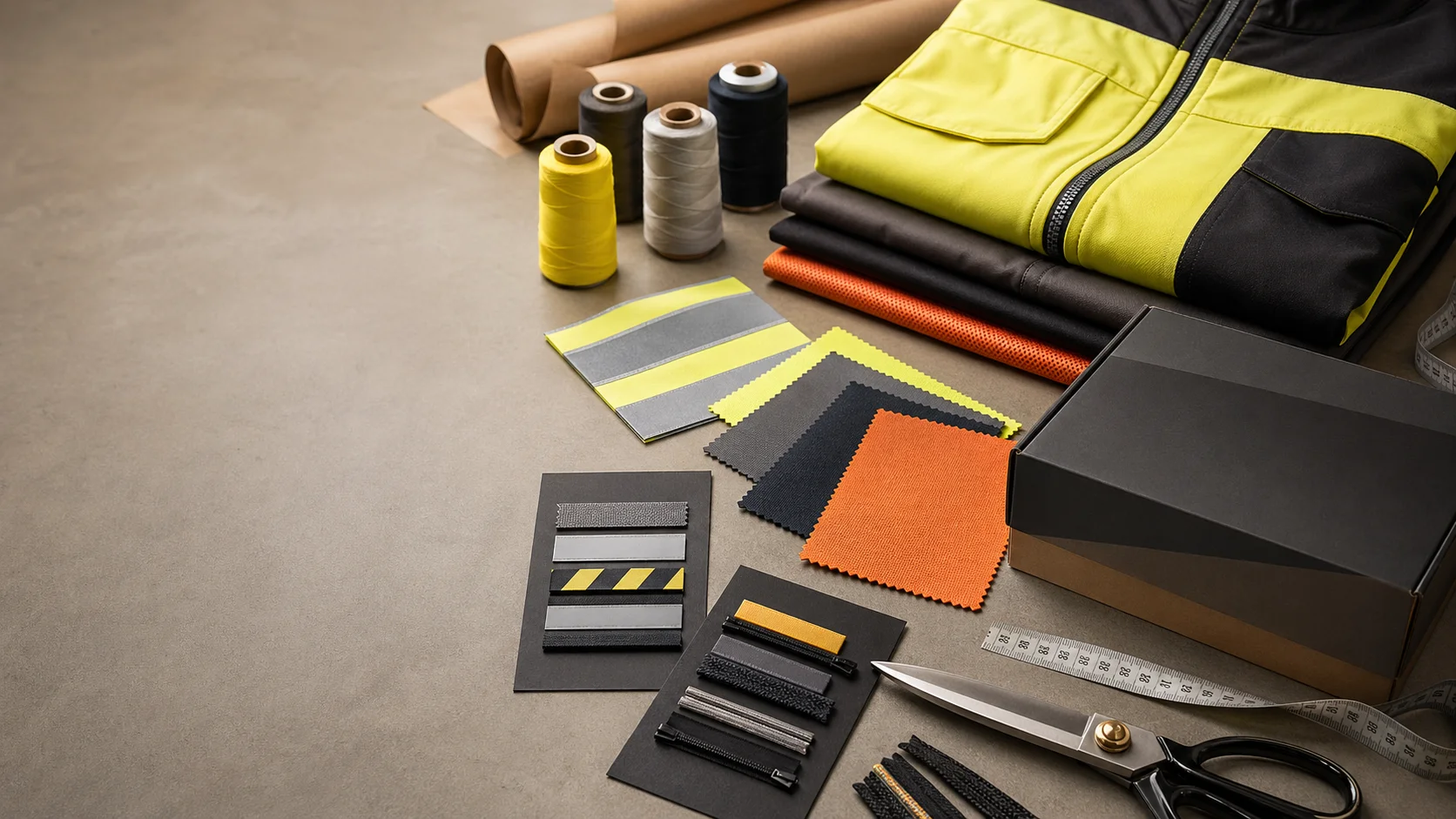
Ecommerce Platform for Clothing Brands with checks for samples, fit, MOQ, QC evidence, pricing terms, and delivery risk.
Fast answer: Ecommerce Platform for Clothing Brands: Samples, Cost Lines, QC, and Delivery Risk should be judged by production evidence, not by a generic sourcing promise. The buyer needs sample proof, cost breakdowns, QC checkpoints, and delivery buffers in writing.
Ask for recent sample photos, measurement tolerances, fabric or print test assumptions, decoration test notes, packing examples, and a named inspection checkpoint. These details show whether the team can repeat an approved sample at bulk volume.
Separate garment cost, decoration, labels, packaging, sampling, testing, freight, and rush charges. When every cost line is visible, it becomes easier to reduce colorways, adjust size depth, or reserve more time for sampling.
The landscape of ecommerce is continually evolving, and clothing brands need more than a digital storefront; they require a dynamic platform capable of encapsulating their design ethos, scaling with demand, and integrating with the complex logistics of apparel production and fulfillment. With new trends emerging every season, the platform you choose in 2024 can improve your brand or leave it lagging behind. In this comprehensive 2500-word buying guide, we explore the best ecommerce platforms available to clothing brands, the criteria you should analyze, and how to align every decision with business goals.
Clothing brands are unique in their need to blend aesthetics, storytelling, inventory complexity, and multimedia content. Unlike commodity products, apparel requires high-quality images, lifestyle videos, lookbooks, and detailed size guides, which demand an ecommerce platform that supports advanced content management and product customization. Also, managing seasonal inventory, returns, and varying-sized SKUs means backend flexibility is essential.
Because clothing brands often rely on multiple sales channels—website, social media, pop-up shops, marketplaces—the platform must facilitate omnichannel marketing and fulfillment. An effective platform also simplifies data capture, allowing for powerful personalization, post-purchase follow-up, and retention strategies. Lastly, aligning the platform’s technical capabilities with a strong partner network, such as Fabricn, ensures your brand remains nimble.
Based on the criteria above, several ecommerce platforms stand out for clothing brands in 2024:
Each platform has strengths depending on the brand’s size, technical resources, and long-term roadmap. The following sections offer deep dives, comparisons, and strategy recommendations for selecting the best platform for your clothing business.
Shopify Plus is a go-to for many fast-growing clothing brands thanks to its simplified setup, robust theme library, and app ecosystem. It delivers multichannel selling, from your brand site to Instagram, TikTok Shopping, and Amazon. Clothing brands benefit from Shopify Flow, which automates order tagging, inventory updates, and post-purchase emails. Shopify’s built-in checkout, fraud protection, and reliable hosting ensure uptime during peak shopping seasons.
For creative directors, Shopify’s Liquid templating enables bespoke experiences without extensive frontend coding. Also, the platform integrates with major fulfillment partners, aligning perfectly with Fabrikn’s manufacturing and distribution services, available via our services page.
Magento remains a leader for enterprise clothing brands with complex requirements. Its customizable architecture supports multi-site management, advanced segmentation, and B2B features. Adobe Commerce’s Page Builder, drag-and-drop layout editor, and built-in personalization help brands curate seasonal lookbooks and sophisticated landing pages.
However, Magento requires technical expertise for hosting, security, and maintenance. Brands with engineering teams or agency partners can exploit its limitless customization, tying in ERP, inventory, and logistics systems for precision. It’s ideal for clothing labels building unique subscription programs or loyalty features and needing extensive integrations.
BigCommerce bridges enterprise flexibility with mid-market ease. With a strong set of native features, including faceted search, pricing rules, and custom fields, BigCommerce enables clothing brands to manage product stories effectively. The platform’s open API architecture promotes headless commerce deployments when paired with frontend frameworks for lightning-fast experiences.
BigCommerce also supports seamless headless commerce, enabling brands to manage catalogs while presenting content via modern frameworks. Coupled with Fabrikn’s expertise in production and fulfillment, BigCommerce provides a solid foundation for scaling seasonal drops and capsule collections.
WooCommerce is well-suited for emerging clothing brands already invested in WordPress content marketing. It’s a plugin-based solution, facilitating complete control over content, blog integration, and community storytelling. With a vast plugin ecosystem, brands can layer on subscription tools, membership experiences, and multilingual stores.
However, WooCommerce needs careful management of hosting, security, and performance optimization. For clothing brands prioritizing editorial content and storytelling, WooCommerce plus Fabrikn’s manufacturing insights (learn more on our about us page) can create a compelling narrative from design inception through fulfillment.
For boutique clothing brands and designers seeking beautiful templates without extensive technical setup, Squarespace Commerce remains an elegant option. Though less customizable than enterprise platforms, its polished designs, integrated marketing tools, and simple operations are appealing for startups focused on brand aesthetic.
Squarespace handles hosting, security, and updates, allowing founders to focus on design, campaigns, and partnerships like those offered by Fabrikn. While not ideal for global, high-volume operations, it’s perfect for curated collections, pop-up launch campaigns, and small-batch apparel businesses.
Headless setups separate frontend and backend, granting clothing brands freedom to craft unique digital experiences while relying on robust commerce engines. Commerce Tools, Shopify Hydrogen, and custom APIs create fast, adaptable experiences, though they demand development resources.
Headless is particularly effective for brands implementing immersive experiences such as 3D try-ons, shoppable video, and multi-locale deployment. Combining headless platforms with Fabrikn’s products-to-market expertise streamlines complex international or sustainability-focused launches.
While this table is not exhaustive, it illustrates how clothing brands can weigh features against their operational complexity and growth trajectory.
Clothing brands must embed their voice in every pixel. Choose a platform offering robust CMS features, storytelling components, and the ability to embed shoppable content. Storytelling extends beyond product pages: consider lookbooks, blog posts, and influencer landing pages. Platforms with native SEO and blogging, like Shopify and WooCommerce, streamline these efforts.
Inventory is especially critical when dealing with multiple colors, sizes, and fabrications. Look for platforms that integrate with ERP, inventory management tools, and third-party logistics providers. Shopify Plus’s Flow and BigCommerce’s API-based integrations deliver automation, while Magento’s extensive customization suits brands with legacy systems. Regardless of platform, ensure that you can track stock levels in real-time and alert customers when products return in stock.
Partnering with a manufacturer that understands ecommerce can shorten lead times and ensure quality control. Fabrikn’s end-to-end apparel manufacturing services, described on our services page, include tech-pack creation, sampling, production, and logistics coordination. A platform that integrates easily with such partners allows for automated reorder points, production updates, and tracking across the supply chain.
Clothing brands selling through marketplaces, social channels, and retail boutiques demand omnichannel solutions. Shopify, BigCommerce, and Magento offer native or app-based integrations for marketplaces, while headless solutions power custom touchpoints. Ensure the platform can handle consistent pricing, inventory syncing, and fulfillment rules across channels.
Platform pricing can scale quickly with traffic, SKUs, and customizations. Evaluate total cost of ownership, including transaction fees, theme purchases, app subscriptions, hosting, and developer resources.
Consider not just current budget but growth projection. For brands planning rapid expansion or wholesale operations, choosing a platform that can scale without platform migration is essential. Engage cross-functional stakeholders—product, design, fulfillment, marketing—to understand the long-term implications.
Successfully launching on a new platform requires meticulous planning. Here’s a general roadmap to guide clothing brands:
Throughout implementation, maintain communication with manufacturing partners to align seasonal production schedules with launch timelines. For personalized guidance, contact Fabrikn via our contact us page to explore how we support clothing brands through every stage of ecommerce success.
Choosing the best ecommerce platform for your clothing brand requires balancing features, costs, and partner support. Start by mapping your current needs (catalog breadth, marketing focus, fulfillment complexity) and future aspirations (international expansion, wholesale, loyalty programs). Evaluate platforms across technical capabilities, available resources, and alignment with your brand’s identity.
Consult stakeholders across operations, creative, and tech teams to ensure the platform strengthens the entire ecosystem. Pay attention to the ease of integrating with partners like Fabrikn for manufacturing, warehousing, and fulfillment, which will impact your ability to launch consistently.
Remember that no single platform is perfect; the best choice aligns with your brand’s story, scale, and long-term ambition. Whether you prioritize highly customizable experiences via Magento, the streamlined simplicity of Shopify Plus, or the editorial focus of WooCommerce, the right platform should feel like an extension of your brand’s craftsmanship.
The right ecommerce platform can be a cornerstone of a thriving clothing brand. As consumer expectations grow, brands must leverage platforms that offer rich storytelling tools, seamless inventory and order management, and integrations with partners that understand apparel manufacturing. Shopify Plus, Magento, BigCommerce, WooCommerce, Squarespace, and headless solutions each offer unique advantages. Assess these platforms against your brand’s complexity, aspirations, and operational resources. Partnering with a manufacturer like Fabrikn ensures your digital storefront is backed by production excellence, letting you focus on creativity, customer experience, and growth.
Get a free quote from Fabrikn — your trusted B2B clothing manufacturer with 10+ years of experience. MOQ as low as 200 pieces.
Get a Free Quote →