
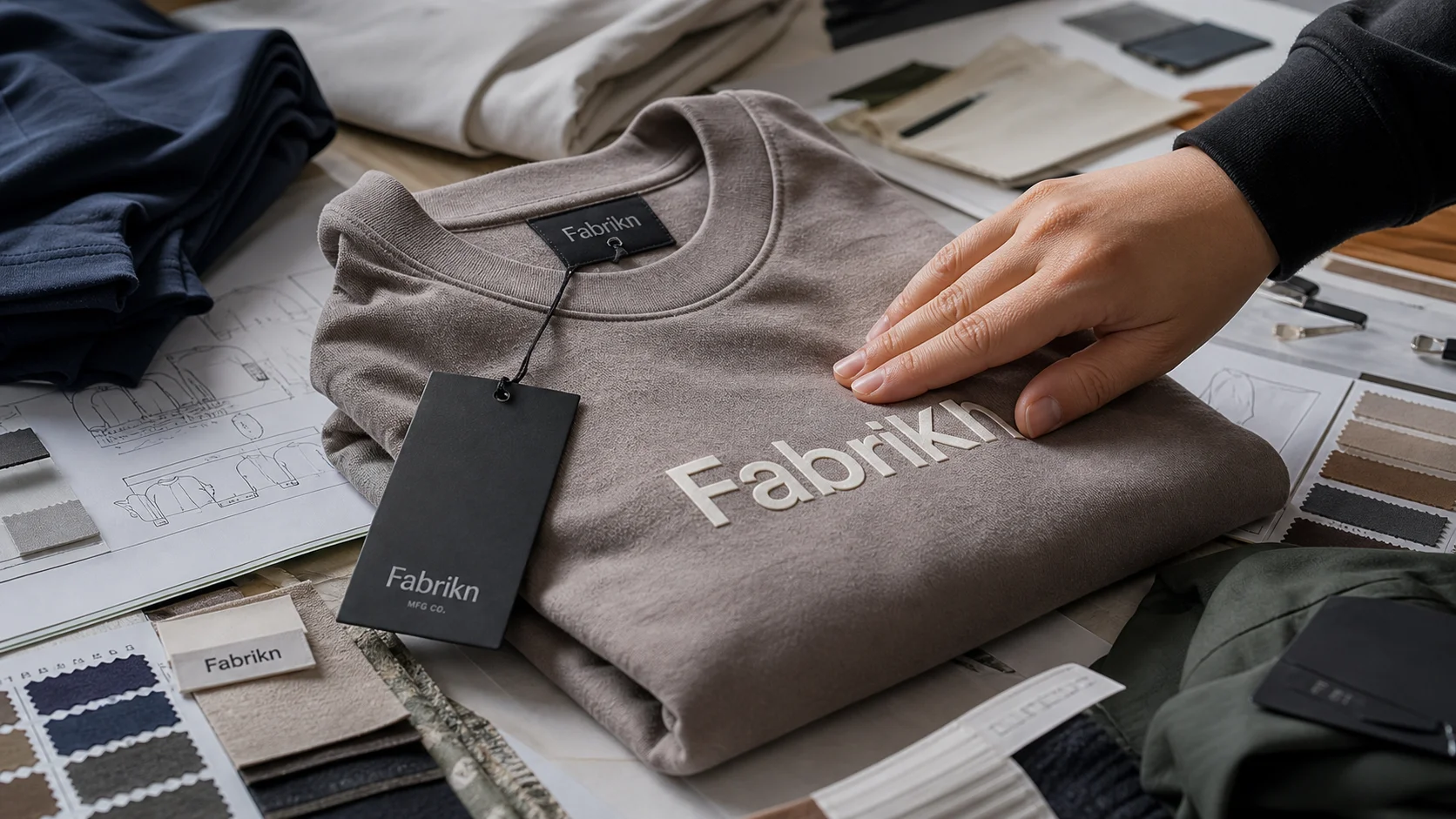
Shipping Methods for Apparel Ecommerce with checks for samples, fit, MOQ, QC evidence, pricing terms, and delivery risk.
Fast answer: Shipping Methods for Apparel Ecommerce: Samples, Cost Lines, QC, and Delivery Risk should be judged by production evidence, not by a generic sourcing promise. The buyer needs sample proof, cost breakdowns, QC checkpoints, and delivery buffers in writing.
Ask for recent sample photos, measurement tolerances, fabric or print test assumptions, decoration test notes, packing examples, and a named inspection checkpoint. These details show whether the team can repeat an approved sample at bulk volume.
Separate garment cost, decoration, labels, packaging, sampling, testing, freight, and rush charges. When every cost line is visible, it becomes easier to reduce colorways, adjust size depth, or reserve more time for sampling.
In the competitive world of online fashion, shipping is far more than a logistical necessity. It can be a differentiator that elevates your brand, encourages repeat business, and directly impacts profitability. Apparel ecommerce brands must carefully weigh costs, customization, delivery performance, and customer experience when choosing shipping methods. A poorly executed shipping policy may lead to shopping cart abandonment, negative reviews, and slim margins, while a well-crafted approach can unlock enhanced loyalty and higher lifetime customer value.
Every interaction with your brand—from site navigation to checkout—culminates in the arrival of the product. As apparel ecommerce companies scale, shipping complexity rises, especially when dealing with returns, varying garment sizes, fragile materials, and regional regulations. Successful brands view shipping as part of the overall customer journey rather than a back-end operation. When customers receive their orders quickly, in good condition, and with clear communications, confidence in the company grows. Investing in the right shipping methods is a strategic move for brands that want to "delight customers and boost profits."
In this guide, we explore the best shipping methods for apparel ecommerce and how to integrate them into a seamless fulfillment experience. Whether you're a growing brand or a seasoned retailer, adopting optimized shipping practices can enhance your reputation and secure long-term growth.
Standard ground shipping is the cornerstone choice for most apparel businesses. It offers predictable transit times—typically three to five business days domestically—and is cost-efficient for bulk or heavier packages. This method suits customers with flexible timelines and keeps delivery costs manageable for businesses, especially when shipping large quantities or offering free shipping thresholds.
Key benefits include affordable per-unit rates when partnering with major carriers and integration with popular ecommerce platforms for automated label generation. However, you must manage customer expectations around delivery windows, especially during holidays or peak seasons. Clear messaging on your site about standard shipping timelines helps reduce confusion.
Many clothing shoppers are willing to pay a premium for faster delivery, particularly if they need an outfit for an upcoming event. Expedited shipping (two to three days) and express shipping (overnight to one day) cater to these urgency-driven customers. Offering a range of speed options gives shoppers control and can reduce cart abandonment during critical buying moments.
Apparel brands can use expedited services selectively, such as during flash sales or for loyalty members. Internal processes must be refined for these methods—orders must be processed quickly, packed efficiently, and dispatched with urgency-oriented carriers. Upfront real-time tracking and proactive updates are expectations for expedited deliveries, so ensure your logistics partners can support these requirements.
Flat-rate shipping simplifies pricing for customers and can improve conversion rates. Many brands offer a flat shipping fee for orders under a certain threshold, encouraging customers to add more items to qualify for free or reduced shipping. This approach works well when you factor in average order value and product weight, ensuring that the flat rate covers costs without harming margins.
Combining flat-rate shipping with incentive programs—such as free shipping above a $100 threshold—drives upsells. Transparent messaging about the flat rate, including any exclusions, is crucial to avoid confusion. Flat-rate parcels are also easier to staff, since packing teams can apply standard processes regardless of destination.
Offering free shipping is a powerful marketing tool, but it must be financially sustainable. Most apparel ecommerce brands use it strategically: free shipping for orders above a certain amount, for loyalty members, or for items shipped via a single carrier. Free shipping removes a psychological barrier at checkout, reducing cart abandonment and increasing average order value.
To prevent margin erosion, set clear rules—like minimum spend or promotional periods—so that you only absorb the shipping cost when the order size justifies it. Internal costing models should include packaging expenses and variable shipping fees. You can also partner with carriers for discounted rates based on volume, enabling you to provide free shipping without losing profitability.
Hybrid fulfillment strategies help apparel brands balance speed and cost. Ship-from-store and regional hub models utilize proximity to customers. If you have multiple retail locations, fulfilling online orders from the nearest store reduces transit time and transportation expenses.
Similarly, regional hubs—smaller warehouses strategically placed near major customer bases—cut delivery distances and improve fulfillment redundancy during peak periods. This approach also helps during supply chain disruptions since regional hubs can cover one another. Hybrid solutions may require advanced order routing software, but the payoff in customer satisfaction is significant.
Subscription-based apparel companies or brands offering curated boxes benefit from scheduled deliveries. Since customers expect monthly or seasonal shipments, you can plan logistics with predictable volumes and avoid rush fees. Scheduling also enables optimized production planning, packaging efficiencies, and load balancing across carriers.
Include clear communication about when the subscription box ships, expected delivery windows, and how customers can manage their preferences. Providing tracking and proactive notifications further enhances the experience, making subscribers feel looked after.
For brands expanding globally, international shipping becomes essential. International methods vary from standard international services (five to ten days) to premium express options (two to three days). Consider customs handling, duties, and the ability to offer landed cost estimates at checkout.
Working with a carrier that provides customs brokerage services simplifies compliance. Also, consider localized fulfillment partners to store inventory closer to international customers, reducing costs and improving delivery speeds. Highlight international shipping options clearly on product pages to set expectations early.
Packaging is the first physical touchpoint customers have with your brand and plays a vital role in protecting garments during transit. High-quality packaging reflects your brand identity and communicates professionalism. Consider customized boxes or tissue paper that aligns with your aesthetic and adds an unboxing experience worth sharing on social media.
Focus on sustainable materials to align with customer values. Lightweight packaging reduces shipping costs and carbon emissions. Add inserts such as thank-you notes, care guides, or discount codes for future purchases. A well-thought-out packaging strategy turns shipping into a marketing opportunity and reinforces brand loyalty.
Customers crave transparency, especially for shipping. Offer real-time tracking updates via email, SMS, or within customer accounts. Use branded tracking pages that keep customers within your environment while they monitor progress. Provide expected delivery windows, invoice details, and easy access to customer service should issues arise.
Communication should not stop once the order is placed. A proactive status update when the package ships, enters transit, or faces delays reduces anxiety and prevents inbound support requests. Use automation for order confirmations, shipping notifications, and post-delivery surveys. Seamless communication builds trust and reduces friction.
Apparel returns are an inherent part of ecommerce due to sizing variability. A generous and transparent return policy is essential for customer reassurance, but returns also present a cost center. Streamline the process with pre-paid shipping labels, printable instructions, and clear timelines. Communicate any restocking procedures and expected refunds.
Offer multiple return options—drop-off at partner locations, carrier pickups, or in-store exchanges. Consider integrating a returns portal that lets customers generate labels or schedule pickups without contacting support. Analyze return data to identify trends, such as sizing issues or fabric dissatisfaction, and adjust your product information accordingly.
Final mile delivery is the most visible part of shipping, and even small improvements make a difference. Provide estimated delivery windows, optional delivery instructions, and alternative delivery locations. Some apparel brands offer gig-economy last-mile services for same-day delivery in metro areas or locker pick-up options for convenience.
Use delivery confirmation options like photo proof or signature capture for high-value items to reduce disputes. Partnership with last-mile delivery providers focused on customer experience can turn the final mile into a memorable moment. The goal is to ensure the last interaction—the package arriving—feels reliable, timely, and aligned with your brand promise.
Dynamic shipping pricing uses factors like destination, weight, and order value to calculate fees. Instead of a one-size-fits-all approach, dynamic models offer transparent, data-driven shipping costs that reflect actual carrier rates. This avoids overcharging customers while ensuring your business covers shipping expenses.
Use software that integrates with your carrier accounts and ecommerce platform to automatically calculate real-time shipping fees. Display delivery costs at checkout to prevent surprises. You might also bundle shipping costs into product pricing for certain orders, particularly for premium products or subscription boxes.
More shoppers are considering sustainability in their purchasing decisions. Offer eco-friendly shipping options, such as carbon-neutral delivery or packaging made from recycled materials. Provide customers with the choice to offset shipping emissions at checkout, or incentivize slower delivery for reduced environmental impact.
Transparency around your sustainability initiatives attracts conscious consumers and distinguishes your brand. Document how your shipping providers support sustainability—whether through electric vehicles, route optimization, or reduced packaging waste—and share these details on your site or receipts.
Regularly review your shipping spend. Compare carrier rates, package dimensions, and fulfillment workflows to identify cost-saving opportunities. Seasonal fluctuations offer you insight into when to renegotiate carrier contracts or explore alternative partners. Audit returns processing costs to determine if your policy is financially viable.
Remember that the cheapest carrier is not always the best fit. Consider delivery performance, claims handling, and customer satisfaction scores. A balanced approach ensures you’re not compromising experience for minimal savings.
Many apparel brands partner with third-party logistics providers (3PLs) to scale operations. A seasoned 3PL offers warehousing, order processing, shipping integrations, and returns management. They also provide expertise in compliance, packaging optimization, and carrier negotiations.
When evaluating 3PL partners, consider their experience with apparel—especially handling delicate garments or temperature-sensitive textiles. Examine their technology stack, including inventory visibility, order routing, and integration capabilities with your ecommerce platform. With the right partner, you gain speed, flexibility, and a reliable fulfillment backbone without building internal infrastructure.
Investing in automation, such as conveyor systems, automated picking, or AI-assisted forecasting, streamlines shipping operations. Technology can reduce human error, improve accuracy, and allow teams to focus on customer service or merchandising. Automated systems also enable quicker processing of high-volume days during promotions or holidays.
AI can predict shipping demand, optimize packing materials, and select the best carrier for each order. Machine learning algorithms analyze historical data—like shipment destinations, timing, and returns—to refine shipping strategies and highlight inefficiencies. This level of intelligence can keep costs low and satisfaction high.
Apparel ecommerce brands with high turnover or limited warehouse space can use cross-docking or just-in-time inventory management to minimize handling times. Cross-docking involves receiving goods and immediately transferring them to outgoing carriers, reducing storage needs. Just-in-time inventory synchronizes production with fulfillment, ensuring you only store what you need for imminent orders.
These complex systems require precise coordination with suppliers and carriers. However, when executed correctly, they cut lead times, reduce waste, and accelerate shipping. Especially for capsule collections or seasonal launches, these strategies ensure products reach customers while the trend is still hot.
Use data to uncover customer preferences, shipping cost drivers, and fulfillment bottlenecks. Track metrics like delivery time accuracy, shipping cost per order, return rate, and net promoter score related to shipping. Dashboards can help teams visualize performance and course-correct quickly.
Continually test new shipping methods or service levels. For instance, A/B test offering free expedited shipping for VIP customers and measure the impact on retention. Analyze customer feedback to refine communication, packaging, or delivery experiences.
Shipping touches every department—from merchandising to customer service. Encourage collaboration between these teams to ensure shipping decisions align with product launches, promotions, and support protocols. Training customer service reps on shipping policies improves responses to inquiries and builds trust.
Engage merchandising teams in packaging strategy discussions to create cohesive unboxing experiences, and keep finance informed about shipping cost trends. A unified approach ensures shipping choices serve the entire business, not just the fulfillment team.
As you grow, continually reassess your shipping infrastructure. Expand carrier relationships, add fulfillment centers in new regions, or adopt advanced shipping software to maintain agility. Consider the future of retail—omnichannel fulfillment, same-day delivery, and global expansion—when planning your logistics roadmap.
Scaling responsibly means building processes that can adapt. Standardize packaging, automate operations where possible, and create documentation for shipping practices. Regularly revisit your shipping strategy to ensure it supports your growth ambitions.
Apparel ecommerce brands that invest in thoughtful, customer-centric shipping strategies gain a significant edge in today’s marketplace. The right mix of shipping methods—from standard ground to expedited options—enhances the customer journey and supports profitability. Packaging, communication, and sustainability efforts further strengthen brand loyalty, while data-driven decision-making ensures operations remain efficient.
At Fabrikn, we understand how critical shipping is to your overall brand promise. Whether you’re refining your fulfillment network or seeking advice on packaging and logistics, explore our services for tailored manufacturing and supply chain solutions. Our team is ready to collaborate with apparel brands looking to scale with confidence and delight customers at every touchpoint.
For more information about working with Fabrikn, visit our about us page or reach out through the contact us portal. Let’s craft a shipping experience that boosts profits and builds lasting customer relationships.
Get a free quote from Fabrikn — your trusted B2B clothing manufacturer with 10+ years of experience. MOQ as low as 200 pieces.
Get a Free Quote →Standard ground shipping is typically the most cost-effective method due to predictable transit times and lower rates for heavier packages. Cost-effectiveness improves when you negotiate volume-based rates with carriers, optimize packaging to reduce dimensional weight charges, and offer flat-rate shipping or free shipping thresholds aligned with your margins.
Yes, offering expedited shipping appeals to customers who need garments quickly, such as for events or last-minute purchases. To avoid operational strain, limit expedited shipping to select products or regions and ensure fulfillment teams can process orders on accelerated timelines. Clear communication about cut-off times and associated fees is essential.
Reducing costs involves a combination of packaging optimization, carrier negotiations, leveraging regional fulfillment centers, and automating label generation. Consider dynamic shipping pricing, using lightweight materials, and consolidating orders when possible. Maintaining strong relationships with logistics partners and continually analyzing shipping data also helps uncover savings.
Packaging protects garments during transit while reinforcing your brand identity. Well-designed packaging improves perception, enables memorable unboxing experiences, and can include sustainable materials to align with customer values. Efficient packaging also reduces shipping costs by lowering dimensional weight and increasing throughput.
Returns are crucial because they directly impact customer satisfaction and operational costs. A streamlined, transparent process with pre-paid labels, online portals, and multiple drop-off or pickup options enhances trust. Analyze return data to address sizing or quality issues and communicate policies clearly to minimize disputes.
Fabrikn partners with apparel brands to develop manufacturing processes, packaging strategies, and logistics solutions that align with their shipping goals. From sourcing materials to optimizing supply chains, our services cover the full lifecycle. Reach out via our contact us page to discuss how we can help you build a scalable, customer-first shipping experience.