
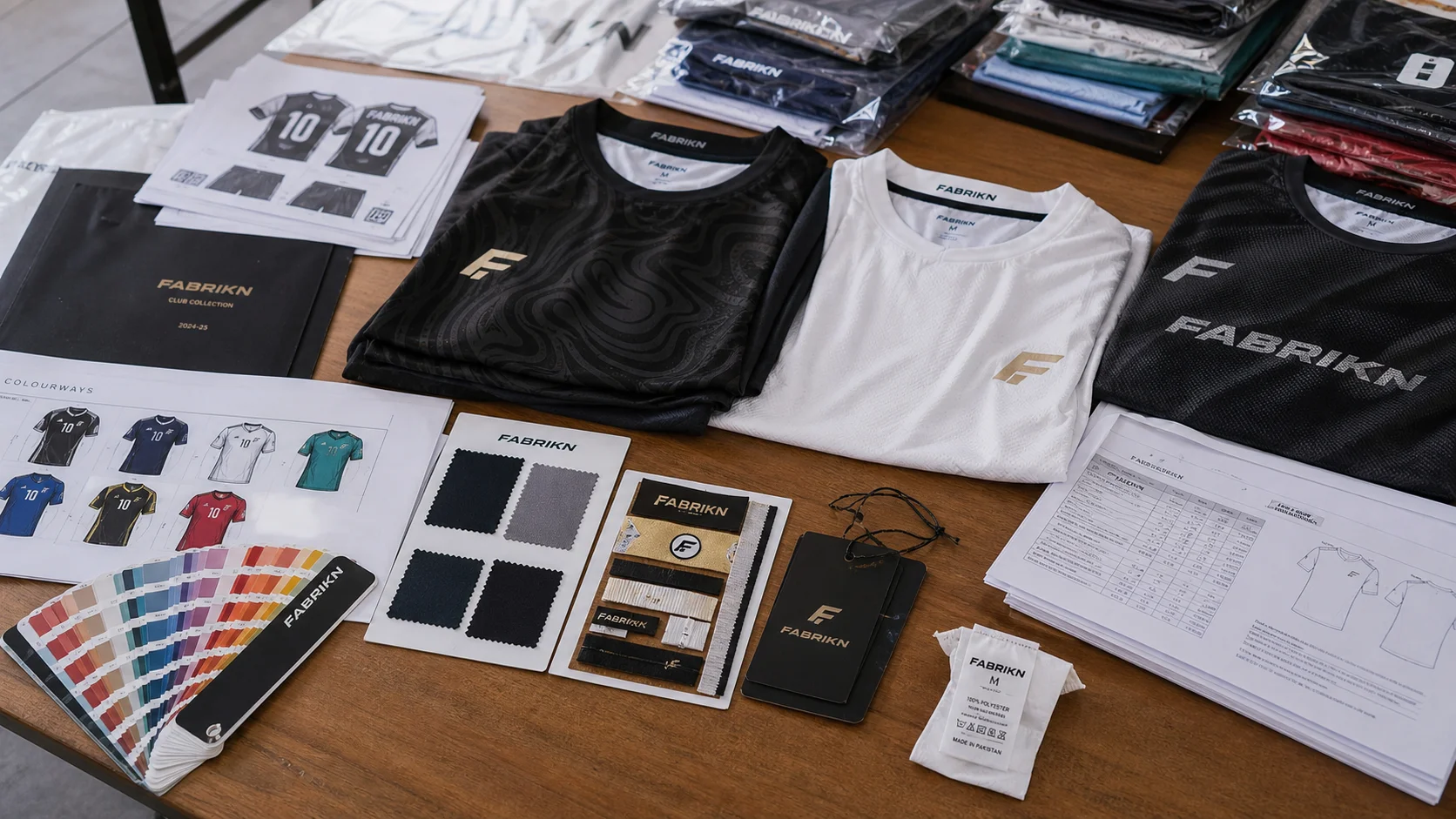
Social Media Strategy for Fashion Brands with checks for samples, fit, MOQ, QC evidence, pricing terms, and delivery risk.
Fast answer: Social Media Strategy for Fashion Brands: Samples, Cost Lines, QC, and Delivery Risk should be judged by production evidence, not by a generic sourcing promise. The buyer needs sample proof, cost breakdowns, QC checkpoints, and delivery buffers in writing.
Ask for recent sample photos, measurement tolerances, fabric or print test assumptions, decoration test notes, packing examples, and a named inspection checkpoint. These details show whether the team can repeat an approved sample at bulk volume.
Separate garment cost, decoration, labels, packaging, sampling, testing, freight, and rush charges. When every cost line is visible, it becomes easier to reduce colorways, adjust size depth, or reserve more time for sampling.
Fashion is one of the most visually driven industries in the world, which makes social media one of the most powerful marketing channels for fashion brands. Whether you are building a new label, scaling a clothing line, or growing a private label apparel business, the right social media strategy can help you attract attention, build trust, and convert followers into loyal customers.
In a crowded market, fashion brands cannot rely on product photos alone. Today’s audience expects storytelling, consistency, authenticity, and a strong brand identity across every platform. The best social media strategy for fashion brands combines creative content, platform-specific tactics, influencer partnerships, customer engagement, and data-driven optimization.
If you are looking to grow your fashion business with smarter marketing and stronger brand positioning, this guide will walk you through the essentials. For manufacturers and fashion businesses seeking production support, you can also explore Fabrikn’s services, learn more about us, or contact us for custom apparel solutions.
For fashion brands, social media is more than a marketing tool. It is often the first place a customer discovers your brand, forms an opinion, and decides whether to trust your products. A strong presence on social media can help you:
Fashion is emotional, aspirational, and highly personal. Customers do not just buy clothing; they buy style, confidence, identity, and experience. Social media gives brands a platform to communicate these values consistently and at scale.
That is why the best social media strategy for fashion brands is not simply about posting often. It is about posting with purpose, understanding your audience, and creating content that reflects your brand’s personality and market position.
Before posting content, fashion brands need a clear identity. Without a strong foundation, even the most beautiful content can feel inconsistent or forgettable.
Ask yourself:
Your positioning could be luxury, streetwear, minimalist, sustainable, workwear, athleisure, resort wear, or trend-driven fast fashion. The more specific your positioning, the easier it is to create content that resonates.
Fashion brands should develop a consistent visual language across all social channels. This includes:
When your audience scrolls through your feed, they should immediately recognize your brand. Visual consistency helps build familiarity and trust, both of which are essential in fashion marketing.
If your brand is premium, your social media should look polished and elevated. If your brand is youthful and playful, your tone can be more energetic and trend-driven. Social media should reflect the quality and style of your garments. For fashion businesses sourcing production support, reliable manufacturing plays a key role in brand presentation, which is why many companies work with expert partners like Fabrikn’s apparel services.
Not every platform is right for every fashion brand. The best social media strategy for fashion brands starts by choosing platforms that match your audience and content style.
Instagram remains a core platform for fashion. It is ideal for lookbooks, product launches, behind-the-scenes content, reels, and influencer collaborations. Its visual-first format makes it one of the best platforms for style storytelling.
TikTok has changed how fashion content spreads. It is excellent for trend-driven brands, styling tips, quick outfit inspiration, factory-to-fashion content, and authentic behind-the-scenes clips. TikTok rewards creativity and relatability over polished perfection, which makes it especially effective for brands that want to feel modern and approachable.
Pinterest is often overlooked, but it is highly valuable for fashion brands because users actively search for inspiration. It is ideal for mood boards, seasonal styling, ecommerce product discovery, and evergreen traffic generation. Pins can continue driving engagement long after they are posted.
Facebook can still be useful for community building, retargeting ads, and reaching certain demographics. It is also helpful for event promotion, customer service, and sharing brand updates.
For B2B fashion businesses, including manufacturers, suppliers, and wholesale apparel brands, LinkedIn can be a powerful platform for authority-building and partnership development. It is useful for sharing business updates, production insights, sustainability efforts, and industry expertise.
Start with two to three platforms rather than trying to be everywhere at once. Focus on the channels where your audience is already active and where your content can be reused efficiently. For example:
Content is the engine of your social media strategy. Fashion brands need a balanced mix of promotional, inspirational, and educational content to keep audiences engaged and move them toward purchase.
Content pillars help organize your posts into repeatable themes. Common pillars for fashion brands include:
By rotating through these pillars, your feed stays interesting while still reinforcing your brand identity.
Fashion is highly visual, so your images and videos must be strong. Use clean photography, natural movement, close-up details, and lifestyle scenes that show how products look in real life. Customers want to understand fit, fabric, color, and styling possibilities before buying.
Short-form video is one of the most effective content formats for fashion brands. Some high-performing ideas include:
These videos can create excitement, show product versatility, and help customers visualize themselves wearing your pieces.
Consumers connect with brands that feel human. Share your design inspiration, mission, production process, fabric choices, or founder journey. If your clothing brand is built on craftsmanship or sustainability, explain why those values matter. Storytelling builds emotional connection and sets you apart from purely transactional competitors.
If every post is a sales pitch, audiences may disengage. Instead, follow a balanced content mix. A useful framework might be:
This balance keeps your brand approachable while still supporting sales.
User-generated content and influencer partnerships are among the most effective tools in fashion social media marketing. They provide social proof, expand reach, and help potential customers see your products in real-world settings.
UGC includes photos, videos, and testimonials created by your customers. It works because people trust real users more than brands. For fashion brands, UGC can show fit, styling, and everyday wearability better than studio content alone.
Encourage customers to tag your brand, use a branded hashtag, or submit photos for a chance to be featured. Always ask for permission before reposting content.
Influencers can help fashion brands reach targeted audiences quickly. The key is choosing creators whose style, values, and audience align with your brand. Micro-influencers, in particular, often offer strong engagement and trust.
When selecting influencers, consider:
Rather than focusing only on follower count, look for creators who can genuinely showcase your garments in a way that feels natural and persuasive.
One-off influencer posts can help generate awareness, but long-term partnerships are often more effective. When audiences repeatedly see a creator wearing or recommending your brand, trust increases. This can significantly improve conversion over time.
Social media is not a one-way broadcast channel. Fashion brands that build communities outperform those that only post content and ignore interaction.
Reply to comments, answer DMs, and acknowledge customer questions. Fast, helpful responses can improve brand perception and even support sales. When someone asks about sizing, fabric, or shipping, your response can make the difference between a purchase and a lost opportunity.
Interactive content helps increase engagement and provides insights into customer preferences. You can use:
These features make your audience feel involved in your brand journey.
Successful fashion brands make customers feel like they are part of a lifestyle or community. This could mean creating a club-like identity, using a signature hashtag, featuring customers regularly, or sharing stories that reflect your audience’s values and aspirations.
Consistency is crucial for social media success. A posting calendar helps you plan content in advance, stay organized, and align posts with launches, seasons, and promotions.
Fashion brands should map content to important dates such as:
Campaign-based posting allows you to build anticipation before a launch and maintain momentum after it goes live.
A simple workflow might include:
This process reduces last-minute stress and keeps your messaging consistent.
One of the smartest ways to save time is to repurpose content. A single photoshoot can generate Instagram posts, reels, TikTok clips, Pinterest pins, and website banners. A single long-form video can be cut into short clips for multiple channels. This creates efficiency without sacrificing quality.
Social media can do more than build awareness. It can directly support revenue through shopping features, product tagging, and streamlined purchase paths.
Every post should make it easy for a customer to move from interest to action. Use clear calls to action such as:
Reduce friction wherever possible. If people have to search too hard, they may leave before converting.
Platforms like Instagram and Facebook offer shopping integrations that allow users to browse and purchase products more easily. For ecommerce-focused fashion brands, these tools can improve conversion and shorten the buying journey.
Not everyone will buy the first time they see your brand. Retargeting ads can help bring back users who viewed products, engaged with posts, or visited your website. This is especially effective in fashion, where purchase decisions are often influenced by multiple touchpoints.
The best social media strategy for fashion brands is one that evolves based on data. Without tracking results, it is impossible to know what works.
Focus on metrics that reflect both engagement and business impact, such as:
For fashion brands, saves and shares are especially important because they signal strong interest and potential purchase intent.
Experiment with different content formats, captions, posting times, hooks, and visuals. Compare results over time and double down on what performs best. Small improvements in engagement and conversion can lead to meaningful business growth.
Social data can reveal what your audience wants before you launch a product. If certain styles, colors, or silhouettes consistently perform well in posts, that feedback can inform future designs and production planning. This is one reason many fashion businesses value close collaboration between marketing and manufacturing teams.
Many fashion brands struggle on social media not because their products are weak, but because their strategy lacks clarity or consistency. Avoid these common mistakes:
Social media rewards brands that are clear, consistent, and human. The more authentic and strategic your approach, the better your results will be.
The best social media strategy for fashion brands is built on clarity, creativity, and consistency. Start with a strong brand identity, choose the right platforms, create content that inspires and converts, and use analytics to refine your approach over time. Most importantly, treat social media as a relationship-building tool, not just an advertising channel.
When executed well, social media can become one of the most cost-effective growth engines for your fashion brand. It can help you build community, increase awareness, and generate demand for every new collection. And if your business also needs reliable manufacturing support to match your marketing ambition, Fabrikn is here to help. Explore our services, learn more about us, or contact us to start a conversation.
Get a free quote from Fabrikn — your trusted B2B clothing manufacturer with 10+ years of experience. MOQ as low as 200 pieces.
Get a Free Quote →Instagram and TikTok are often the best platforms for fashion brands because they are highly visual and support short-form video, product discovery, and influencer content. Pinterest is also valuable for inspiration and long-term traffic.
There is no universal rule, but consistency matters more than volume. Many fashion brands do well posting several times per week on core platforms, along with Stories, Reels, or TikTok videos as part of a regular schedule.
Use high-quality visuals, post short-form video, ask questions, run polls, feature customers, and respond to comments quickly. Engagement increases when content feels interactive and relevant.
Yes, influencer marketing can be highly effective for fashion brands, especially when creators match the brand’s style and audience. Micro-influencers can be especially useful because they often generate strong trust and engagement.
Try-on videos, outfit styling tips, behind-the-scenes content, customer photos, trend-based posts, and launch teasers often perform well. Content that helps customers visualize how clothing looks and feels in real life is especially effective.
Track metrics like reach, engagement rate, follower growth, website clicks, saves, shares, and conversions. For fashion brands, it is important to connect social activity with actual product interest and sales results.