
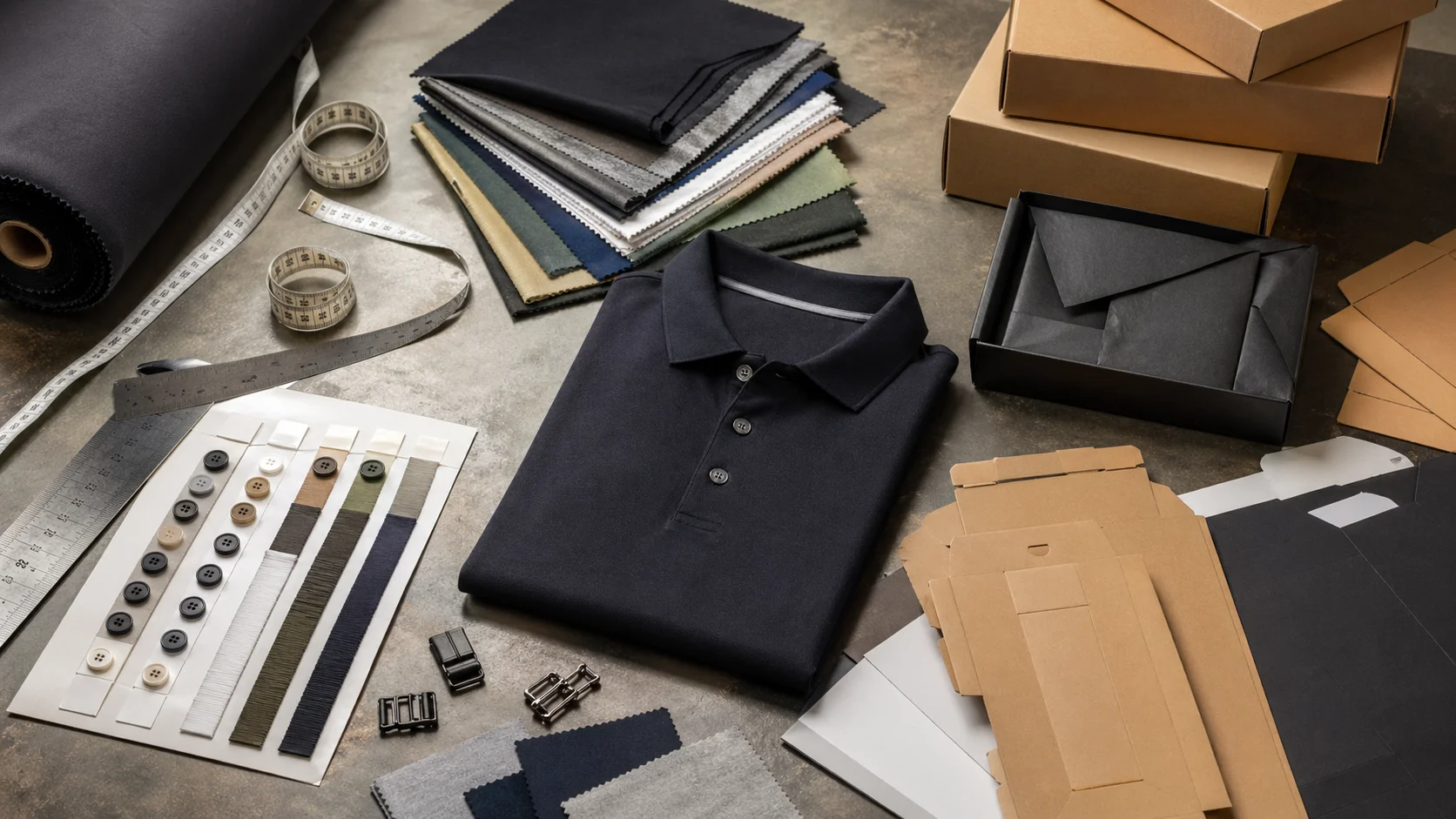
Sustainable Materials for Hoodies with checks for samples, fit, MOQ, QC evidence, pricing terms, and delivery risk.
Fast answer: Sustainable Materials for Hoodies: Fabric, Fit, Sampling, and QC should be judged by production evidence, not by a generic sourcing promise. The buyer needs sample proof, cost breakdowns, QC checkpoints, and delivery buffers in writing.
Ask for recent sample photos, measurement tolerances, fabric or print test assumptions, decoration test notes, packing examples, and a named inspection checkpoint. These details show whether the team can repeat an approved sample at bulk volume.
Separate garment cost, decoration, labels, packaging, sampling, testing, freight, and rush charges. When every cost line is visible, it becomes easier to reduce colorways, adjust size depth, or reserve more time for sampling.
Hoodies remain one of the most beloved wardrobe staples across industries and demographics. As businesses and brands shift toward environmentally responsible practices, the choice of materials becomes paramount. Sustainable hoodies not only reduce the environmental toll but also align with consumer demand for transparency, durability, and comfort. In this guide we explore the best sustainable materials for hoodies, highlight the criteria to evaluate options, and examine how Fabrikn helps brands craft eco-conscious apparel while keeping performance and style at the forefront.
Before diving into specific fabrics, it’s essential to understand the metrics that define sustainability in textiles. Not all eco-labeled materials deliver equal impact, and selecting the right combinations can make a difference in environmental outcomes.
Sustainable materials are typically derived from renewable resources that regenerate faster than they are consumed. Fibers grown without intensive chemicals, significant land conversion, or deforestation contribute to a lower ecological footprint.
Textile manufacturing can be water- and energy-intensive. Materials that require minimal irrigation, utilize closed-loop production systems, or can be processed using renewable energy reduce the strain on natural resources.
Each fiber has an associated carbon footprint from cultivation through fabrication. Choosing materials that keep carbon emissions low—either through efficient processing or carbon sequestration during growth—supports climate goals.
Eco-friendly textiles minimize synthetic additives, pesticides, or heavy metals. Natural dyeing, OEKO-TEX certification, or recycled fiber conversion help reduce chemical runoff affecting ecosystems.
Longevity is sustainability in motion. A hoodie that lasts longer or can be recycled at the end of life minimizes waste and extends resource efficiency.
Below are some of the top sustainable textiles designers and brands rely upon when crafting eco-friendly hoodies. Each material offers unique performance, texture, and sustainability benefits.
Organic cotton is a natural fiber grown without synthetic fertilizers, pesticides, or genetically modified organisms (GMOs). It retains the comfort and breathability of conventional cotton but reduces the environmental damage associated with chemical-intensive farming. When sourced from regenerative agriculture or fair-trade cooperatives, organic cotton becomes a premium choice for eco-friendly hoodies.
Fabric mills process organic cotton in facilities certified to avoid cross-contamination with conventional cotton, ensuring consistent sustainability credentials. The softness of organic cotton makes it ideal for cozy hoodies and fleece linings, while its consistent fiber length supports durable stitching and wash-fastness.
Recycled polyester is manufactured by reprocessing post-consumer plastic bottles or post-industrial polyester waste into new fibers. This strategy diminishes petroleum dependency, keeps plastic out of landfills, and utilizes existing resources more efficiently.
Blending recycled polyester with organic cotton or TENCEL™ creates versatile hoodie fabrics that retain warmth, moisture-wicking capabilities, and shape retention. Brands can authenticate recycled polyester through certifications like Global Recycled Standard (GRS) or Recycled Claim Standard (RCS).
Because recycled polyester can be engineered for performance, hoodies made with this fiber remain soft while resisting fading and shrinking, making them profitable choices for sustainable activewear lines.
TENCEL™ is a trademarked lyocell fiber made from sustainably harvested wood pulp, often sourced from eucalyptus, beech, or spruce trees cultivated on certified plantations. The closed-loop production system recycles over 99% of the solvent used, minimizing environmental impact.
Lyocell is notably breathable, drapes beautifully, and feels soft against the skin. When blended with organic cotton or recycled polyester, it adds moisture management and naturally antimicrobial properties—perfect for hoodies intended for athleisure or everyday wear.
Hemp has seen a revival as a sustainable textile due to its low water requirements, natural pest resistance, and ability to regenerate the soil. It grows rapidly and often produces more biomass per acre than cotton. Hemp fibers are strong, durable, and develop a unique lived-in texture with repeated wear.
Modern processing techniques soften hemp fibers, making them suitable for hoodies while maintaining their sustainable benefits. Blending hemp with organic cotton or recycled polyester can create comfortable yet resilient hoodies suitable for outdoor and lifestyle brands seeking earthy aesthetics.
Bamboo is a fast-growing plant that requires minimal irrigation and no pesticides. Bamboo viscose or modal fabrics are derived by chemically processing bamboo pulp, so choosing responsibly produced versions is key to sustainability. Look for fiber suppliers employing closed-loop conversion to minimize solvent waste.
Bamboo fabrics feel silky, breathe exceptionally well, and offer natural UV protection. When used for hoodie interiors, bamboo can enhance softness and moisture draw, helping sustainable fashion lines differentiate in comfort and eco-conscious storytelling.
Recycled cotton uses pre-consumer textile waste or post-consumer garments to create new fiber, reducing the need for virgin cotton and diverting waste from landfills. Upcycling old hoodies or manufacturing scraps into new yarns keeps the circular economy moving.
While recycled cotton fibers may need reinforcement due to shorter fiber lengths, strategic blending with organic cotton or other fibers ensures structural integrity, resilience, and the soft, familiar feel consumers expect from hoodies.
Cork fabric, harvested from the bark of cork oak trees, is renewable and harvested without tree removal, promoting biodiversity. While not typically used for entire hoodies, cork makes outstanding accent materials for zipper pulls, patches, or appliqués, adding tactile interest and sustainability credentials.
Cork is naturally water-resistant, antimicrobial, and possesses a unique aesthetic, making it an excellent option for premium sustainable hoodie lines seeking subtle eco touches beyond main body fabrics.
Emerging textile solutions merge sustainability with performance. Materials like bio-based nylon, piñatex (pineapple leaf fiber), and smart blends of recycled polyester and plant-based elastane deliver stretch, thermal regulation, or moisture-wicking characteristics while honoring eco principles.
Fabrikn partners with mills exploring regenerative fiber sources and closed-loop dyeing technologies, ensuring sustainable hoodies can be engineered with components that meet high performance standards expected by modern consumers.
Choosing sustainable materials is only part of the journey; the production and manufacturing ecosystem plays a critical role in achieving authentic sustainability.
Factories that deploy renewable energy, LED lighting, and efficient machinery reduce emissions throughout the production process. Fabrikn invests in next-generation production workflows that optimize fabric cutting, sewing, and finishing, minimizing wasted energy and materials.
Dyeing and finishing traditionally consume large water volumes. Sustainable factories implement water recycling systems and low-impact dyes that reduce chemical discharge. Using fiber types such as organic cotton or TENCEL™ inherently reduces the need for heavy chemical treatment, complementing water-conscious efforts.
Social sustainability is essential. Ethical sourcing includes fair labor practices, safe working conditions, and transparent supply chains. Fabrikn collaborates with partners adhering to social compliance certifications, ensuring sustainability extends to workers and communities.
When sourcing materials for sustainable hoodies, rely on reputable certifications to validate claims. Here are certifications to consider:
Incorporating materials with these certifications provides credibility to sustainability messaging and ensures compliance with regulations in critical markets.
When designing a hoodie line centered on sustainability, consider the following strategies to amplify impact and make the garments consumer-friendly.
Digital patterning and nesting software help minimize leftover fabric. Some brands design multi-functional panels to repurpose offcuts, and Fabrikn’s production planning tools help optimize material usage across entire collections.
Hoodies that can be easily repaired, patched, or deconstructed extend wearable life. Reinforced seams, accessible zippers, and simple closures keep maintenance manageable for consumers.
Longevity is not only material-based but also stylistic. Classic silhouettes, neutral palettes, and understated branding reduce the risk of fast-fashion turnover, encouraging consumers to wear hoodies for seasons rather than single drops.
Labels, hangtags, or digital QR codes can share the story behind the fabric, certifications, manufacturing location, and care instructions. Transparency builds trust and reinforces the value of investing in a sustainable hoodie.
At Fabrikn, sustainable apparel manufacturing is ingrained in every stage—from sourcing eco-friendly fibers to providing white-label production for brands seeking ethical growth. Our teams collaborate with suppliers who specialize in organic cotton, recycled polyester blends, and innovative fibers like TENCEL™ and hemp.
Through our services, clients gain access to product development, prototyping, and full-scale production with sustainability goals integrated into planning. We also ensure that factories comply with environmental and social governance standards, vetting every partner for emissions, water use, and worker welfare.
If you’re ready to bring a sustainable hoodie line to life, reach out via contact-us to explore fabric sourcing, fit, and production timelines. Our experts can help you align brand values with responsible manufacturing.
Learn more about our mission and capabilities on our about-us page, where we outline how Fabrikn invests in transparency, innovation, and long-term partnerships that empower sustainable apparel growth.
Get a free quote from Fabrikn — your trusted B2B clothing manufacturer with 10+ years of experience. MOQ as low as 200 pieces.
Get a Free Quote →A strong brief makes the supplier's job narrower and the quote more reliable. For best sustainable materials for hoodies, include the target customer, sales channel, expected order quantity, size range, decoration needs, packaging requirements, and delivery market. Then call out the details most likely to affect the result, especially fabric weight, shrinkage, and colorfastness.
The brief should also explain what cannot change. Some brands care most about hand feel, some about price, some about launch timing, and some about retail compliance. When those priorities are not written down, suppliers tend to optimize for whatever is easiest to quote. Clear priorities help the factory make better tradeoffs before the first sample is cut or printed.
Ask the supplier to respond with assumptions, not just a price. A useful reply states MOQ, sample route, production capacity, inspection plan, packing method, and freight handoff. If the answer is vague, the project may still work, but it needs a tighter pre-production stage before money and calendar pressure build up.
The best time to catch problems is before the pre-production sample is approved. Check measurements, color, placement, material behavior, shrinkage, construction, labels, and packaging in the same review instead of approving each item in isolation. Many bulk issues are not caused by one dramatic mistake; they come from several small unchecked assumptions.
For best sustainable materials for hoodies, pay special attention to hand feel, lab dip approval, and care label rule. These details often look minor in an email but become expensive once cutting, printing, sewing, packing, or shipping begins. A simple checklist with owner, due date, and approval status keeps the brand team and factory aligned.
Bulk production should not start until the supplier can explain how the approved sample becomes a repeatable production standard. That means reference sample storage, line instructions, inline checks, final inspection, and defect handling. A factory that can describe this process clearly is usually safer than one that only promises speed.
Price differences are useful only when the quotes cover the same work. Compare sample cost, material source, trims, decoration, packaging, testing, inspection, and freight assumptions. A low unit price can become expensive if it excludes items the brand needs before launch.
Timeline promises deserve the same scrutiny. Ask what happens if the first sample needs revision, whether materials are in stock, when the production slot is reserved, and how export packing is handled. The most reliable supplier is often the one that gives a realistic calendar instead of the fastest optimistic answer.
Look for certified materials such as GOTS, GRS, or OEKO-TEX, partner with transparent manufacturers, and audit production practices. Fabrikn assists brands by verifying materials and processes to align with sustainability goals.
Yes. Modern processing ensures recycled polyester, cotton, and blended fabrics maintain softness, durability, and color retention comparable to virgin options while supporting environmental objectives.
Consider recycled plastic for drawcord tips, cork patches for branding elements, or organic cotton knit tape for woven labels. These touches reinforce sustainability beyond the main body fabric.
Absolutely. Our services include product development, sourcing, and manufacturing planning focused on sustainable materials and responsible production processes.
Follow the care labels to maintain longevity—cold wash, gentle cycles, air drying, and avoiding harsh chemicals preserve the fibers. Proper care extends the garment’s lifecycle, which is a key sustainability component.