
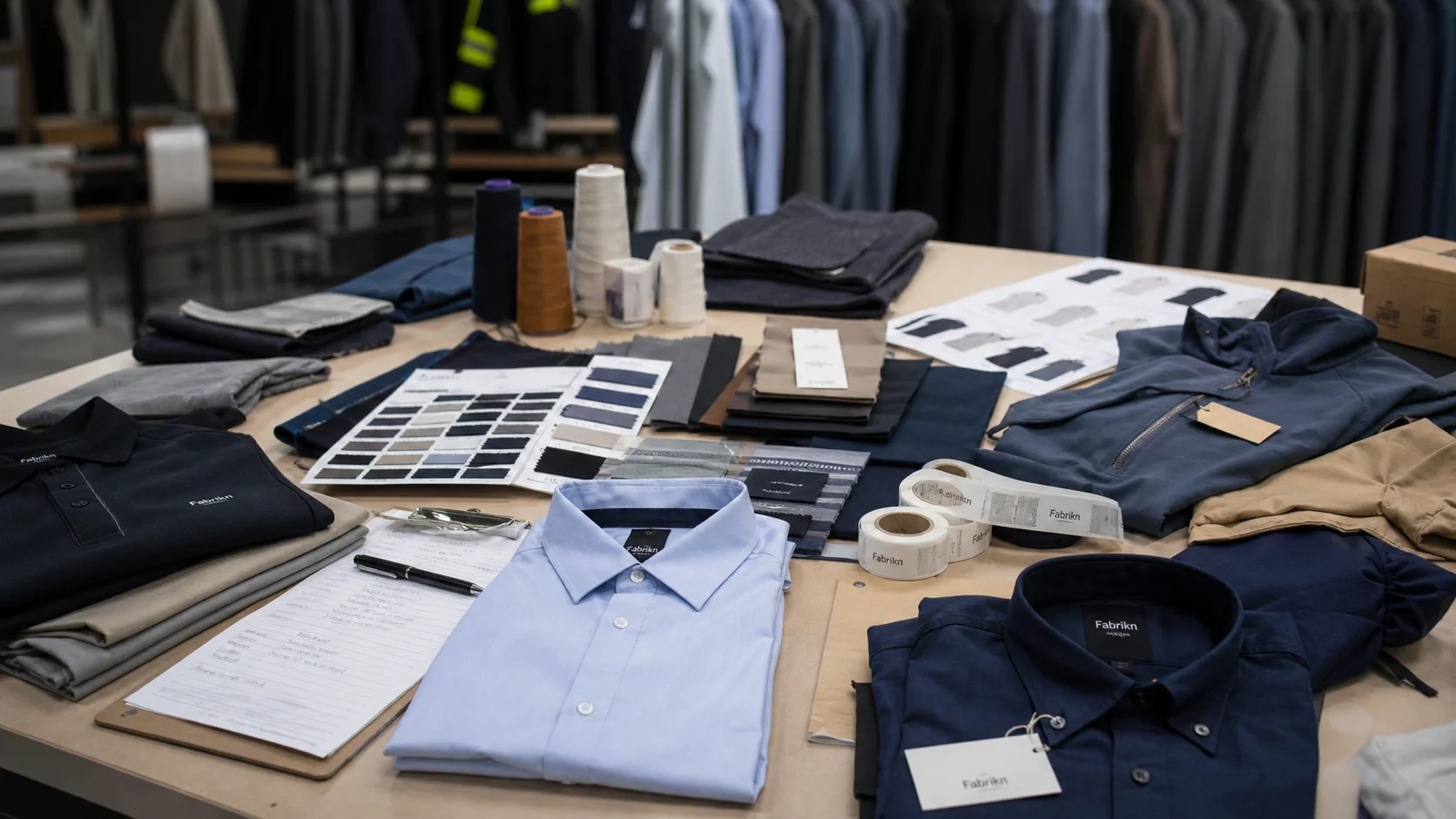
Way To Get Wholesale for Clothing Brand with checks for samples, fit, MOQ, QC evidence, pricing terms, and delivery risk.
Fast answer: Way To Get Wholesale for Clothing Brand: Samples, Cost Lines, QC, and Delivery Risk should be judged by production evidence, not by a generic sourcing promise. The buyer needs sample proof, cost breakdowns, QC checkpoints, and delivery buffers in writing.
Ask for recent sample photos, measurement tolerances, fabric or print test assumptions, decoration test notes, packing examples, and a named inspection checkpoint. These details show whether the team can repeat an approved sample at bulk volume.
Separate garment cost, decoration, labels, packaging, sampling, testing, freight, and rush charges. When every cost line is visible, it becomes easier to reduce colorways, adjust size depth, or reserve more time for sampling.
If you run a clothing brand and want to grow beyond direct-to-consumer sales, wholesale can be one of the fastest and most reliable ways to scale. The right wholesale buyers can place larger orders, help you move inventory efficiently, and give your brand access to new markets without requiring you to build every customer relationship from scratch. But finding those buyers is not always easy.
The best way to get wholesale buyers for a clothing brand is to combine a strong wholesale offer with targeted outreach, a professional brand presentation, and a system that makes buying from you easy. In other words, wholesale success is not just about “finding buyers.” It is about making your brand attractive, trustworthy, and simple to order from.
In this guide, we will cover the most effective methods for attracting wholesale buyers, building relationships with retailers, improving your wholesale readiness, and turning interest into long-term orders.
Wholesale is one of the most effective channels for clothing brands that want predictable revenue and broader market reach. Instead of selling one item at a time to individual shoppers, you sell in bulk to boutiques, retail chains, online stores, or distributors. That means larger order volumes, lower customer acquisition costs per unit, and a more stable sales pipeline.
For many brands, wholesale also builds credibility. When a respected retailer carries your clothing, it can strengthen your brand reputation and increase awareness among consumers. Wholesale can also complement direct-to-consumer sales by creating additional revenue streams while helping you produce at larger, more efficient order quantities.
Before you start looking for buyers, your brand needs to be wholesale-ready. Retail buyers are selective. They want products that are well-made, clearly positioned, competitively priced, and easy to reorder. If your brand looks unorganized or incomplete, buyers may move on quickly.
Wholesale buyers prefer collections that feel cohesive. Your clothing should have a clear style, target customer, and seasonality. A scattered product line with too many unrelated pieces can make it harder for buyers to understand your brand.
You do not need hundreds of SKUs. In fact, a focused collection often performs better. Start with your strongest styles, best-selling colors, and reliable size ranges. A well-edited collection is easier for buyers to evaluate and easier for them to sell to their own customers.
High-quality product photos, clean lookbooks, size charts, and clear product descriptions are essential. Wholesale buyers often make decisions quickly, and presentation can influence whether they ask for more information or move on to another brand.
Before reaching out to wholesale buyers, be sure you can fulfill bulk orders on time. Delays, inconsistent quality, or unreliable stock levels can damage retailer relationships fast. If you need support with production, sourcing, or private label development, Fabrikn offers manufacturing services designed to help clothing brands scale professionally.
One of the biggest mistakes clothing brands make is chasing every possible retailer. The best way to get wholesale buyers is to focus on the ones most likely to align with your brand, price point, and customer profile. A premium streetwear label will not sell well to the same buyers as a basic essentials brand or a kidswear collection.
Ask yourself: Who is my ideal retail customer? Where do they shop? What kind of stores already sell similar clothing? The answer will help you build a list of boutiques, online retailers, concept stores, and department buyers that fit your brand.
Research retailers that carry brands in your category, price range, and style. If they already sell similar items, they are more likely to understand your value proposition and customer demand.
Each buyer type has different needs. Boutiques may want smaller, curated collections. Larger retailers may require consistency, higher volume, and strong logistics. Understanding these differences helps you tailor your pitch and improve your chances of success.
There is no single tactic that guarantees wholesale success. The best results usually come from combining several channels: direct outreach, trade shows, online presence, referrals, and strategic partnerships. Here are the most effective methods.
Your website is often the first place wholesale buyers will go after hearing about your brand. It should communicate who you are, what you sell, and why you are a good wholesale partner. Include a dedicated wholesale page or login portal with product information, ordering details, minimums, and contact information.
Make sure buyers can quickly understand your brand story, product categories, and quality standards. If they cannot find the basics in a minute or two, they may lose interest.
Email outreach is still one of the best ways to get wholesale buyers for a clothing brand, especially when it is personalized. Do not send mass emails with generic messages. Instead, research each retailer and explain why your brand is relevant to their store.
A strong outreach email should include a brief introduction, a clear reason for contacting them, 2–3 product highlights, and a simple next step such as requesting your line sheet or booking a call.
Trade shows are one of the fastest ways to meet qualified wholesale buyers in person. Buyers attend these events looking for new products, making them ideal for discovery and relationship building. A well-designed booth, clear samples, and a professional sales approach can lead to valuable connections and repeat orders.
Even if you are a smaller brand, local fashion markets or industry events can help you build your network and generate introductions.
Social media can support wholesale sales when used correctly. Instagram is useful for showing your style, product quality, and brand personality. LinkedIn can help you connect with retail buyers, store owners, and fashion professionals. These platforms are not just for consumer marketing; they can also be used as business development tools.
Post content that shows your collection, production process, packaging, behind-the-scenes work, and retail success stories. This builds trust and can make buyers more comfortable reaching out.
Referrals are one of the highest-converting sources of wholesale buyers. If a store owner, stylist, agent, manufacturer, or current stockist knows a good buyer, that introduction can carry significant weight. Always ask satisfied partners if they can connect you with other relevant retailers.
If you want to expand faster, consider partnering with independent sales agents or distributors who already have buyer relationships. They can help you access markets and retailers that may be difficult to reach on your own. This approach often works well for brands that have a strong product line but limited sales bandwidth.
Wholesale buyers do not just buy products. They buy stories, marketability, and demand. A strong brand narrative can help buyers justify why they should stock your line. Whether your brand focuses on sustainability, craftsmanship, inclusivity, local production, or innovative design, make that story easy to understand.
Retailers want to know that your clothing will sell. If you have strong direct-to-consumer sales, social media engagement, press coverage, influencer traction, or repeat customer data, use it. Social proof reduces risk for buyers and can make your brand more attractive.
If you are still building brand recognition, consider sharing product performance data, pre-order success, or customer testimonials. These details help buyers see your potential.
Even if buyers love your product, the deal will not move forward if pricing and terms do not make sense. Wholesale pricing must leave enough margin for both you and the retailer. As a general rule, wholesale pricing is often around 50% of retail, though this can vary depending on product category, production costs, and market positioning.
Factor in materials, labor, packaging, shipping, overhead, and profit before setting your wholesale price. If your pricing is too low, you may struggle to scale. If it is too high, buyers may not see enough room for resale profit.
Minimum order quantities, or MOQs, help you protect production efficiency. They also signal professionalism. Be realistic about what your business can handle, but do not set your minimums so low that wholesale becomes unprofitable.
Wholesale buyers often expect clear terms regarding deposits, net payment windows, lead times, returns, and shipping costs. Write these policies down and make them easy to understand. Confusion can slow down deals or create problems later.
To attract wholesale buyers, you need more than a good product. You need the right sales materials to support your pitch and make buying easy.
A line sheet is one of the most important wholesale sales tools. It should include product names, images, wholesale pricing, retail pricing, size ranges, colors, materials, and order minimums. Keep it clean, professional, and simple to navigate.
Lookbooks tell the visual story of your collection. They are useful for expressing your brand identity and helping buyers imagine how the pieces will fit into their store. A strong lookbook can increase interest and make your line feel more premium.
If you plan to scale, a digital wholesale catalog or B2B ordering portal can streamline the process. Buyers appreciate convenience, especially when they can browse, compare, and order easily.
Fabrikn supports clothing brands that need structured production and reliable service to meet wholesale demand. If you are preparing to launch or expand your wholesale program, you can reach out through our contact page to discuss your requirements.
Getting wholesale buyers often comes down to how well you communicate. Buyers are busy, so your outreach must be concise, relevant, and professional.
Before reaching out, study the retailer’s current assortment, price range, and brand positioning. Mention specific products or categories from their store that make your brand a fit. This shows you have done your homework and are not sending a random pitch.
Your first email or message should be brief. Introduce your brand, explain why you are contacting them, and offer a next step. Do not overload them with too much information at once.
Many wholesale opportunities are lost because brands give up too soon. Buyers often need multiple touchpoints before responding. Follow up politely after several days, then again later if appropriate. Stay professional and respectful of their time.
If a buyer expresses interest, be ready to respond quickly with pricing, terms, samples, and order details. Speed matters. A slow response can make you seem unprepared, while a smooth process builds confidence.
The best wholesale buyers are not one-time customers. They are repeat partners who reorder season after season. To build long-term relationships, your focus should go beyond the initial sale.
Retailers need reliable inventory, stable quality, and on-time delivery. If you meet expectations consistently, buyers are more likely to reorder and recommend you to others.
Keep buyers updated about production timelines, restocks, new collections, and any potential delays. Good communication builds trust and reduces friction.
Help your buyers sell your products by providing product descriptions, lifestyle images, size guides, and marketing assets. If your retailer succeeds, your brand succeeds too.
Retail feedback is valuable. Ask buyers what sold well, what could improve, and what categories they want next. Use their insights to refine your collection and improve future wholesale performance.
Even strong brands can struggle in wholesale if they make avoidable mistakes. Here are some of the most common ones.
Avoiding these mistakes can dramatically improve your chances of landing good wholesale buyers and keeping them long term.
The best way to get wholesale buyers for a clothing brand is to combine preparation, targeting, and relationship-building. Start by creating a brand that looks professional and can fulfill bulk orders reliably. Then identify the right retailers, present your line clearly, and reach out with a focused, personalized pitch.
Wholesale growth is not about making as many contacts as possible. It is about building trust with the right buyers and making it easy for them to say yes. When your products, pricing, sales materials, and communication all work together, wholesale becomes a powerful channel for scaling your clothing brand.
If you need a manufacturing partner that can help you produce consistently for wholesale growth, explore Fabrikn’s services, learn more about our company, or contact us to discuss your next collection.
Get a free quote from Fabrikn — your trusted B2B clothing manufacturer with 10+ years of experience. MOQ as low as 200 pieces.
Get a Free Quote →The best way is to combine a strong wholesale-ready brand, targeted outreach, clear pricing, and professional sales tools such as line sheets and lookbooks. A focused strategy usually performs better than broad, untargeted promotion.
You can find wholesale buyers by researching retailers that already sell similar products, attending trade shows, using LinkedIn and Instagram, asking for referrals, and sending personalized email pitches.
Wholesale buyers look for product quality, consistent style, strong brand identity, competitive pricing, reliable production, and proof that your clothing will sell in their store.
Yes, a professional website makes your brand more credible and gives buyers a place to learn about your products, pricing, and ordering process. A dedicated wholesale page is especially helpful.
Wholesale pricing should leave room for both your profit and the retailer’s markup. Many clothing brands price wholesale at around half of retail, but the final number should be based on your costs, brand position, and market.
Yes. Small brands can do well in wholesale if they have a clear niche, strong presentation, and reliable production. Many retailers actively look for new, unique brands to differentiate their stores.
Sales agents can be very helpful if you want to expand quickly or enter new markets. They already have retailer relationships and can help you reach qualified buyers faster, though they usually work on commission.
It varies. Some brands land buyers within weeks, while others take months of outreach and follow-up. The timeline depends on your brand readiness, pricing, product fit, and the strength of your outreach strategy.