
Ways To Reduce Fashion Ecommerce Returns with checks for samples, fit, MOQ, QC evidence, pricing terms, and delivery risk.
Fast answer: Ways To Reduce Fashion Ecommerce Returns: Samples, Cost Lines, QC, and Delivery Risk should be judged by production evidence, not by a generic sourcing promise. The buyer needs sample proof, cost breakdowns, QC checkpoints, and delivery buffers in writing.
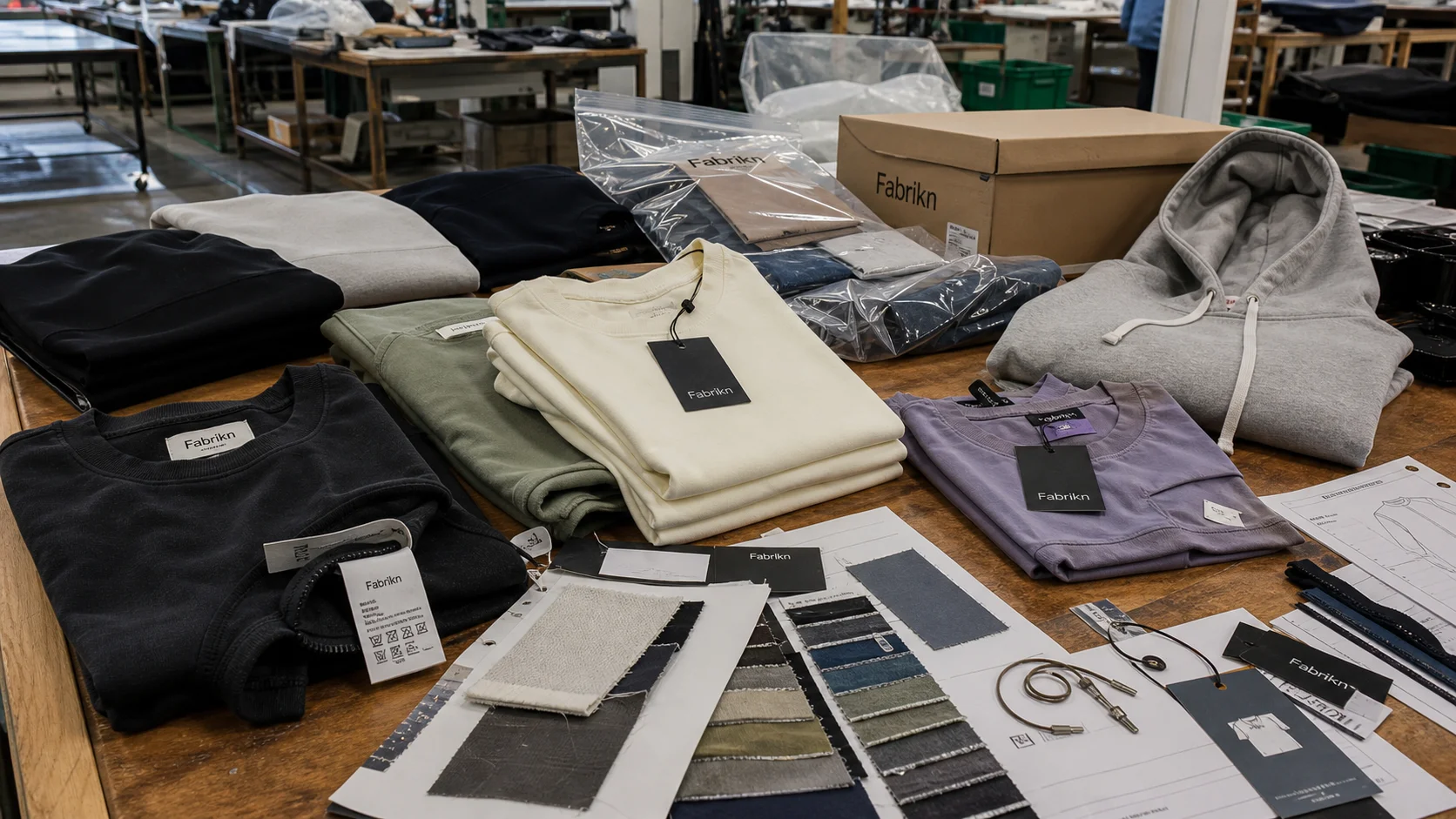
Ask for recent sample photos, measurement tolerances, fabric or print test assumptions, decoration test notes, packing examples, and a named inspection checkpoint. These details show whether the team can repeat an approved sample at bulk volume.
Separate garment cost, decoration, labels, packaging, sampling, testing, freight, and rush charges. When every cost line is visible, it becomes easier to reduce colorways, adjust size depth, or reserve more time for sampling.
Fashion ecommerce returns are one of the biggest profit leaks in online retail. For brands selling apparel, footwear, and accessories, a high return rate can quickly erode margins, increase logistics costs, create inventory headaches, and weaken customer loyalty. At the same time, returns are often preventable. By improving product presentation, sizing accuracy, product quality, and customer education, fashion businesses can reduce return volume while improving the shopping experience.
If your business is looking for practical, scalable strategies to reduce fashion ecommerce returns, this guide covers the most effective approaches. Whether you are a growing direct-to-consumer brand, a wholesale clothing business, or an established retailer, these methods can help reduce avoidable returns and strengthen long-term performance. If you need support from a manufacturing partner focused on apparel quality and consistency, explore our services.
To reduce returns effectively, it helps to understand why customers send products back in the first place. In fashion ecommerce, the most common return reasons include poor fit, inaccurate sizing, color differences, material expectations that do not match reality, damaged or defective items, and buyer’s remorse. Some shoppers also order multiple sizes or styles intentionally, which is common in apparel.
Unlike many other product categories, fashion purchases rely heavily on perception. Customers cannot touch fabric, try items on, or judge how a piece drapes before purchasing. That means your product pages, sizing guidance, and brand credibility do much of the selling. If they fall short, returns rise.
The good news is that many of the biggest return drivers can be addressed before the order is placed. Reducing returns is not just about limiting customer behavior; it is about improving the quality of information, expectations, and product experience at every stage of the buying journey.
One of the best ways to reduce fashion ecommerce returns is to create product pages that leave fewer unanswered questions. The more clearly you describe each item, the less likely customers are to be surprised when it arrives.
Generic product copy often creates confusion. Instead of simply saying “soft cotton shirt,” specify the fabric blend, weight, stretch level, lining, finish, and care instructions. Customers want to know whether the fabric feels lightweight or structured, whether it wrinkles easily, and whether it is suited for warm or cool weather.
Use language that explains how the garment fits the body. Terms such as relaxed, tailored, oversized, slim, cropped, or true to size are helpful, but they should be backed by measurements and fit notes. If an item runs small in the shoulders or is designed to sit high on the waist, say so clearly.
Include garment measurements for each size whenever possible. Bust, waist, hip, inseam, length, sleeve length, and rise are all useful depending on the product type. This gives shoppers a practical way to compare your item to clothes they already own.
Fit notes are especially useful for reducing guesswork. Statements such as “model wears size M and is 5'9” or “size up if you prefer a looser fit through the chest” can help buyers make better decisions. Fit notes should be based on actual product testing and customer feedback, not guesswork.
Consistency builds trust. If one product includes measurements, model stats, fabric detail, and care instructions while another offers only a short description, customers may assume the catalog is unreliable. Standardize your product page format to ensure shoppers always have the information they need.
Sizing confusion is the leading cause of fashion ecommerce returns. Because sizing can vary dramatically by brand, product line, and country, customers need more than a basic size chart. They need guidance that helps them choose the right fit with confidence.
Size charts should be easy to find, easy to read, and tailored to the specific product category. A generic chart may not work for every item. Dresses, denim, blazers, swimwear, and activewear each have different fit considerations. Whenever possible, provide size charts that reflect the exact measurements of the product being sold.
Interactive fit tools can reduce returns by helping shoppers compare body measurements, preferred fit, and previous purchases. Some brands use quizzes or recommendation engines to suggest the right size based on past orders or fit preferences. Even simple tools can significantly reduce uncertainty.
Reviews are one of the most persuasive sources of sizing guidance. Encourage buyers to comment on whether items ran small, large, or true to size. Collecting structured feedback such as height, weight, and usual size can be especially helpful. This creates a peer-based sizing reference that future customers trust.
People buy clothing for different reasons: some want a loose fit, others want a tailored silhouette. Help customers understand how the item will look on different body types. If your brand serves a wide audience, your fit language should account for varying heights, proportions, and styling preferences.
Accurate sizing starts at the manufacturing level. Inconsistent grading, pattern errors, and weak quality control can create return-prone products. Working with a reliable clothing manufacturer is essential if you want to reduce fit complaints over time. Strong production standards protect both your brand reputation and your return rate.
Visual content plays a major role in fashion ecommerce returns. When product photos do not match the actual item, customers feel disappointed and are more likely to send it back. High-quality imagery does more than make a store look premium; it sets accurate expectations.
Customers need to understand how a garment looks from the front, back, and side. Include close-ups of details such as stitching, buttons, zippers, trims, hems, and texture. These images help shoppers assess quality and design before they buy.
Studio shots provide clarity, while lifestyle photos help customers imagine the product in real life. Combining both gives a better sense of fit, movement, and styling. If possible, show the garment on models with different body types and in different poses.
Color mismatch is a common reason for returns. Use calibrated lighting, consistent editing, and clear color naming to prevent disappointment. If a product appears slightly different under natural light, show that variation honestly in the images or description.
Clothing often looks different in motion than it does in still photos. Video helps customers see drape, stretch, fabric weight, and overall fit. A short product clip can reduce uncertainty and improve purchasing confidence, especially for dresses, trousers, outerwear, and activewear.
Real customer photos can be highly effective because they show how the item looks outside of a professional studio. When shoppers see others wearing the product, they can make more realistic judgments about fit and style. This can reduce returns driven by unrealistic expectations.
Many returns begin long before the customer checks out. If the product quality is inconsistent, even the best product page will not prevent dissatisfaction. High return rates often signal issues in materials, workmanship, or production control.
Fabric choice affects comfort, fit, and perceived value. If your brand markets premium basics, the material should feel substantial and hold up well after wear. If you sell performance apparel, the fabric should deliver the stretch, breathability, and recovery customers expect. Product quality should always match the brand promise.
Quality control should happen at multiple stages, not just at the end of production. Inspect materials, measurements, sewing details, labeling, and packaging. Catching defects early reduces the chance of shipping items that customers will reject or return.
Before a style goes into production, confirm that fit samples meet the intended measurements and silhouette. If possible, test with multiple wearers to ensure the garment behaves as expected across sizes. Standardization is especially important when scaling a fashion line.
Your manufacturing partner can have a major influence on return rates. A partner that understands apparel construction, consistency, and compliance can help you avoid costly issues. Fabrikn works with brands to support production quality and reliable execution. Learn more about our approach on our about us page.
Education is one of the most overlooked return-reduction tools in fashion ecommerce. The more informed a customer is, the less likely they are to make a bad purchase decision. Your website, email marketing, and post-product content can all support better buying choices.
Create educational content that explains how to wear, style, and choose clothing items. For example, a denim guide can help customers decide between relaxed, straight, and slim fits. A blazer guide can explain shoulder structure, layering, and occasion use. These resources reduce ambiguity and increase purchase confidence.
Some returns happen because customers are surprised by how much maintenance a product requires. If an item needs delicate washing, steaming, dry cleaning, or special storage, say so in advance. Clear care instructions help customers buy items that match their lifestyle.
Materials behave differently after washing or regular wear. Cotton may shrink slightly, linen may wrinkle, and knitwear may relax over time. If these characteristics are normal for the fabric, explain them. Customers are less likely to return an item when they know what to expect.
Pre-purchase emails, abandoned cart messages, and order follow-ups can include sizing reminders, fit notes, or links to helpful resources. This kind of communication reduces rushed decisions and helps shoppers confirm they chose the right item.
Even with strong pre-purchase education, some returns will still happen. The way you handle the post-purchase experience can influence whether returns remain manageable or become a major operational burden.
Order confirmation emails should reinforce key product details such as size, color, and care instructions. This helps customers catch mistakes early and reduces returns caused by ordering errors. It also reassures buyers that they selected the correct item.
Fast, knowledgeable support can prevent returns before they happen. If a customer is unsure about size, fabric, or fit after placing an order, a quick response may save the sale. Make sure your support team is trained to answer product questions clearly and consistently.
When appropriate, encourage exchanges instead of refunds. If the customer ordered the wrong size or prefers a different color, offering a seamless exchange process can preserve revenue and improve satisfaction. Many customers are willing to exchange if the process is simple and fast.
Returns can sometimes be triggered by poor presentation or damaged packaging. Clean, professional packaging reinforces quality and reduces disappointment. It also helps protect garments during shipping, lowering the risk of returns due to transit damage.
Reducing returns is not only about prevention. It is also about learning from the returns you do receive. The right operational data can show where problems begin and how to fix them.
Create standardized return reason categories such as sizing issue, quality issue, color mismatch, defect, changed mind, and wrong item shipped. This makes it easier to identify patterns. If one product has unusually high “too small” returns, the issue may be in the fit specification or size chart.
Look beyond the overall return rate. Break down returns by product, size, color, channel, and customer segment. Some styles may generate more returns because of fit complexity, while others may perform well across the board. This data helps prioritize improvements where they matter most.
Returns are valuable feedback. Share insights with design, merchandising, and production teams so they can adjust patterns, fabrics, or grading. Over time, this feedback loop improves the quality of your assortment and lowers repeat return issues.
A complicated return experience frustrates customers and can damage brand trust. At the same time, your return policy should encourage careful purchases without feeling punitive. Clear rules, easy instructions, and straightforward timelines create a better balance between customer convenience and operational control.
Fashion returns are expensive not only in financial terms but also in environmental impact. Each return creates additional shipping emissions, packaging waste, handling steps, and sometimes unsellable inventory. Reducing returns therefore supports both business efficiency and sustainability goals.
When shoppers receive products that match expectations, they are more likely to keep them and wear them longer. That means less waste, fewer reverse shipments, and better use of resources across the supply chain. For brands trying to build a more responsible business model, return reduction is a practical place to start.
Manufacturing quality, accurate product presentation, and transparent communication all contribute to a lower-impact ecommerce operation. These improvements benefit customers, reduce costs, and support a stronger brand identity.
The best ways to reduce fashion ecommerce returns combine better product information, more accurate sizing, improved visual content, stronger manufacturing standards, and smarter customer education. No single tactic will eliminate returns entirely, but together these strategies can significantly reduce avoidable losses and improve the shopping experience.
For fashion brands, the opportunity is clear: when customers know exactly what they are buying, they are far more likely to keep it. That means higher profitability, fewer operational disruptions, and better long-term loyalty. If you are looking for a reliable clothing manufacturing partner to help support product consistency and quality, visit our services page or contact us to discuss your needs.
Get a free quote from Fabrikn — your trusted B2B clothing manufacturer with 10+ years of experience. MOQ as low as 200 pieces.
Get a Free Quote →Fit and sizing issues are usually the biggest reason. Shoppers often receive items that run smaller, larger, or differently shaped than expected, which leads to returns.
Detailed product pages help customers understand fabric, fit, measurements, care instructions, and styling. Better information lowers the chance of surprise and disappointment after purchase.
Yes. Reviews provide real-world sizing and fit feedback from other shoppers, which helps new customers make better decisions.
Absolutely. Consistent grading, quality control, and reliable production standards help prevent defects and sizing inconsistencies that often lead to returns.
Improving size charts, fit notes, and product descriptions is often the fastest and most cost-effective place to start because it addresses common causes of confusion.