
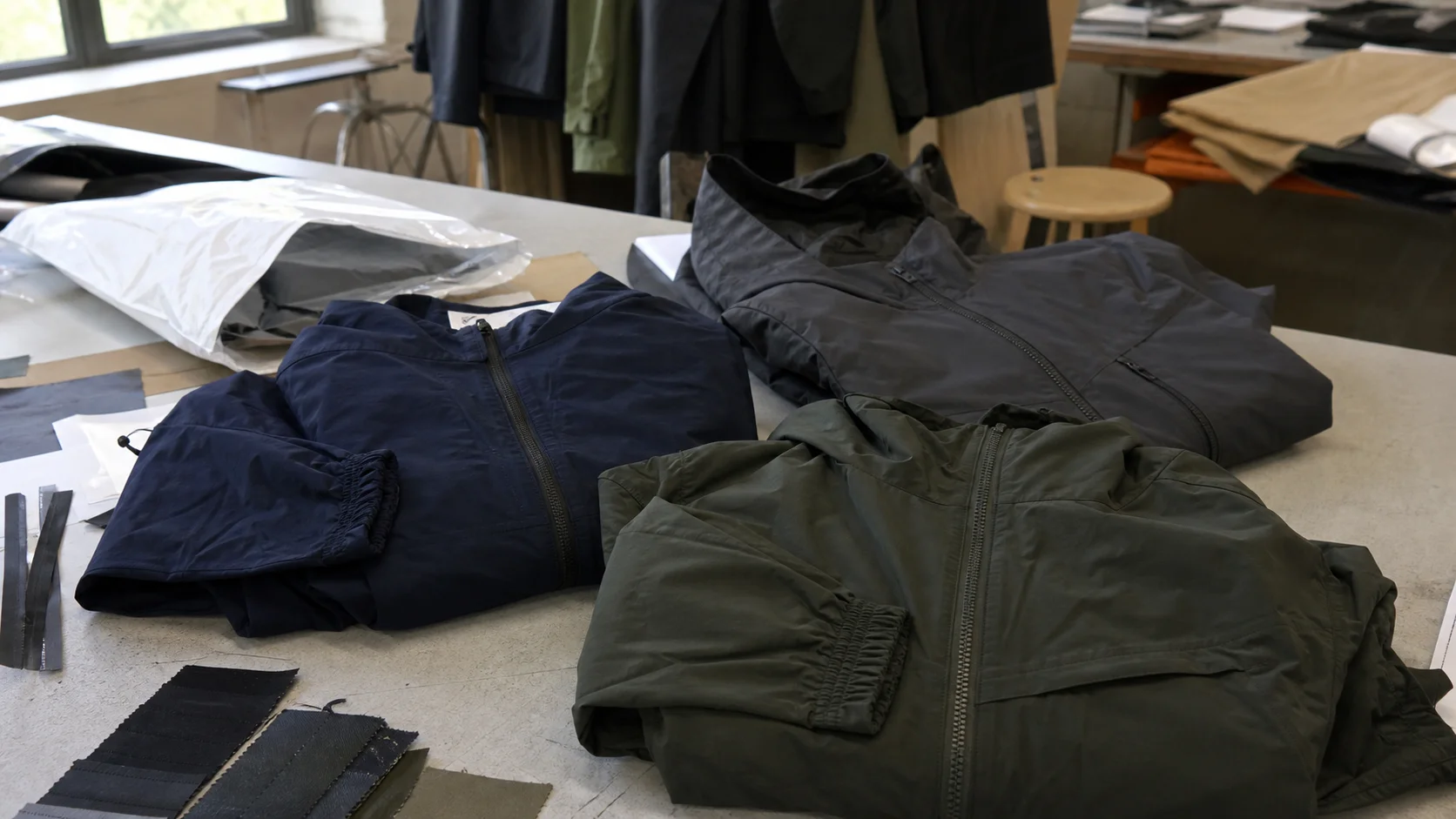
A focused breakdown of what drives bulk quilted jacket production cost for corporate workwear programs, including fabric, fill, trims, decoration, labor,...
Bulk Quilted Jackets Production Cost Guide - Fabrikn production reference
Bulk quilted jackets for corporate workwear programs sit in a practical middle ground: warmer than a shirt jacket, lighter and cheaper than a heavy insulated coat, and easier to brand than technical outerwear. The cost looks simple from the outside. In production, it is built from a stack of variables that can move the unit price faster than many buyers expect. Fabric choice, fill type, quilting density, trim quality, size spread, decoration method, and order quantity all affect the final number. Lead time and compliance requirements do too.
This guide breaks down bulk quilted jackets production cost for corporate workwear programs in sourcing terms. It is written for buyers who need predictable pricing, stable repeat supply, and a jacket that works across warehouse, logistics, transport, facilities, and field service teams. The right decision is rarely the lowest quote. The right decision is the jacket that lands inside budget, survives washing and wear, and can be reordered without redesigning the program.
Bulk quilted jacket pricing is usually calculated from the garment shell up. The base cost starts with fabric consumption and construction hours, then moves through padding, lining, stitching complexity, and finishing. A simple quilted jacket with a polyester shell and basic lining can be produced at a very different cost than a water-resistant jacket with recycled insulation, branded zippers, internal pockets, and customized color blocking.
For corporate workwear, the cost drivers that matter most are consistency and repeatability. A cheap one-off quote may not hold once the buyer asks for graded sizing, logo application, anti-snag hardware, or laundering durability. Production planners also watch how the jacket is built. Horizontal quilting is usually cheaper than angled or baffle-style layouts. Fewer panels reduce labor. Better fit shaping and more pockets add labor quickly.
Volume is still one of the clearest levers. A 300-piece order does not behave like a 3,000-piece order. Setup, cutting loss, trimming, and QC overhead are spread across fewer units at lower volumes. That is why buyers should treat early quotes as directional until the spec sheet is stable and samples are approved.
There is no universal cost for bulk quilted jackets, but market ranges can be useful when a program is still being scoped. For a basic corporate workwear jacket, production pricing may land in a broad band depending on country of manufacture, material selection, and branding level. The following ranges are common as a planning reference, not a commitment.
Jacket Type Typical Production Cost Range Notes Entry-level quilted jacket About $12 to $22 per unit Basic polyester shell, light fill, standard zipper, limited branding Mid-range corporate workwear jacket About $18 to $35 per unit Better fabric handfeel, lined body, stronger trims, embroidery or patch branding Premium workwear quilted jacket About $30 to $60+ per unit Technical shell, recycled insulation, more elaborate fit and weather protectionThese figures are shaped by order quantity, but not only by quantity. A clean design with standardized trims can often beat a larger order with unstable artwork, multiple fabric colors, and custom hardware. Corporate programs frequently underestimate the cost of revision. Each change to artwork placement, zipper tape color, label content, or sizing ratio can add sampling time and waste original assumptions.
A lower quote is only useful if the jacket can be repeated at the same cost and quality six months later. For workwear programs, repeatability is part of the real price.
Fabric selection is the largest cost variable in many quilted jacket programs. A standard polyester shell is usually the most economical. Nylon raises cost but can improve handfeel, abrasion resistance, and perceived value. Recycled polyester may carry a premium, especially when traceability documentation is required. Water-repellent or wind-resistant finishes add cost too, and the level of finish matters. A simple C0 or durable water repellent treatment is not the same as a laminated or membrane-based shell.
The fill material is the next major cost line. Lightweight polyester wadding is the most common budget option. Higher-loft fill, recycled fill, or insulation with performance claims will increase price. Buyers should be careful with fill weight. Too little fill creates a jacket that looks cheap and fails warmth expectations. Too much fill can make the jacket bulky, reduce mobility, and increase shipping volume. Corporate users usually want a balance: enough warmth for commuting, yard work, or light outdoor exposure without turning the jacket into winter mountaineering gear.
Quilting density matters. Wider quilt spacing generally reduces sewing time and keeps the garment simpler. Tighter spacing can improve shape retention and the premium look, but it uses more thread, more machine time, and more supervision. If the design needs matching quilting across the front, back, sleeves, and collar, production complexity rises again.
For bulk orders, the best material strategy is usually conservative. Use one shell quality, one fill standard, and one lining system unless a functional reason exists to split them. Multiple material systems increase sourcing risk and create mismatch issues during bulk approval.
Trims often look minor in the quote, then show up in margin. Zippers, snaps, elastic, binding, pocketing, labels, hangtags, and thread type all affect the build cost. A standard nylon coil zipper is cheaper than a molded or water-resistant zipper. Custom pullers, branded zipper heads, or metal components increase price and can slow procurement if lead times stretch.
Construction details should be chosen with wear life in mind. Reinforced pocket openings and bar-tacked stress points are worth paying for in a corporate jacket. They reduce returns and repair issues later. Internal pocketing, chin guards, storm flaps, and hem adjustments can improve user acceptance, but each feature should justify itself in the spec. A jacket that looks good on paper but is overbuilt for the work environment can waste budget.
Labeling is another area where costs creep. Woven main labels, size pip labels, care labels, country-of-origin labels, and compliance tags all add labor. If the buyer needs private-label packaging or individual polybagging with barcode stickers, that should be priced explicitly. It is common for these details to be missed in a casual quote and then added later as “small extras.” They are not small at volume.
Corporate workwear jackets often need logo placement on the chest, sleeve, or back yoke. The decoration method can have a meaningful impact on both unit cost and lead time. Embroidery is usually the most common choice for quilted jackets because it reads well and holds up in daily wear. It adds cost based on stitch count, thread colors, and placement size. A small chest logo is relatively affordable. A large back logo or multi-location branding can add enough labor to matter.
Heat transfer works when the look needs to be sharper or when embroidery would distort a lightweight shell. Transfers can be faster to apply, but buyers should test wash performance and surface compatibility. Screen print is less common on quilted outerwear because the texture can make print consistency difficult. Woven patches, PVC badges, or silicone badges can create a stronger brand impression, but they also add tooling, attachment labor, and approval steps.
From a purchasing standpoint, the most efficient branding plan is the one that fits the jacket’s fabric and the company’s wear standards. If the jacket will be laundered frequently, embroidery or a high-grade patch is usually safer than a low-cost transfer. If the program needs a sharp retail-style appearance, a premium badge may be worth the incremental cost.
Minimum order quantities vary by factory setup and garment complexity. For bulk quilted jackets, a typical MOQ might start around 300 to 500 pieces per color or style at more flexible suppliers. Some factories will quote lower, but buyers should expect a higher unit cost, tighter fabric limits, or weaker margin for customization. Larger production runs often begin around 1,000 pieces and can deliver better pricing if color and size ratios are stable.
Sampling is where many programs either stabilize or drift. A proper approval path usually includes a proto sample, a fit sample, a size-set or development sample, and then a pre-production sample. For branded programs, logo strike-offs or embroidery approvals should be completed before bulk cutting starts. Rushing this stage is expensive. If the buyer approves too early, fit and trim issues move into bulk. If the buyer approves too late, the delivery date slips.
Lead time depends on fabric booking, trim sourcing, sample revision count, and production queue. A simple jacket with stock materials may be ready faster than a custom build with special dyeing, recycled fill, or custom zippers. Corporate buyers should plan on longer timelines when the program includes lab testing, packaging requirements, or multiple ship-to destinations. A practical sourcing window for a standard jacket is often 8 to 14 weeks after final approval, with more time needed for complex specs or peak-season production.
Quilted jackets have a few recurring quality problems. Thread tension can cause puckering around quilting lines. Fill can migrate if stitch density or layer control is poor. Zippers can snag on lining if seam allowances are sloppy. Logo placement can drift between sizes. Color variation can appear when body fabric, lining, and trim are sourced in different batches. These are not unusual defects, but they are expensive when discovered after shipment.
Inspection should focus on the seams that matter most in wear. Buyers should check panel symmetry, stitch count consistency, zipper function, needle damage, fill distribution, label accuracy, and measurement tolerance against the approved spec. For corporate workwear, size consistency matters more than fashion detailing. A jacket that runs small in the chest or sleeve will trigger complaints quickly, especially when it is ordered for a large team.
Pre-production review and in-line checking help reduce risk, but final inspection still matters. A practical approach is to ask for measurement reports, material certificates where required, and a clear defect standard before bulk shipment. Programs that skip this step usually pay for it later in rework or replacement stock.
The best cost strategy for bulk quilted jackets is to simplify the specification without weakening the garment. Use one core fabric, one fill standard, one lining, and one decoration method. Keep the size range realistic. Avoid unnecessary custom hardware unless it supports durability or brand value. A jacket built for daily workwear should be easy to reorder, easy to inspect, and easy to explain to end users.
Buyers should also think in program terms, not just purchase order terms. A jacket that costs a little more but can be repeated across multiple seasons is often better than a lower-cost style that needs redesign after the first season. If the company expects multiple departments, staggered deliveries, or replacement orders, ask the supplier to hold fabric and trim continuity for future runs. That request should be confirmed up front, since continuity can affect pricing and inventory commitments.
For companies comparing suppliers, it helps to separate quote elements clearly: shell fabric, lining, fill, trims, labor, branding, packaging, and freight. A quote that bundles everything hides where the cost really sits. Good sourcing decisions come from seeing each layer and deciding where the premium is justified.
Fabrikn’s services page is a useful starting point for understanding how production support is typically structured, while the about-us page can help buyers assess whether the supplier profile fits a repeat workwear program. For direct project scoping, the contact-us page is the place to request a quote with spec details, artwork files, target quantities, and delivery windows.
Get a free quote from Fabrikn — your trusted B2B clothing manufacturer with 10+ years of experience. MOQ as low as 200 pieces.
Get a Free Quote →Many suppliers start around 300 to 500 pieces per style or color, though the real MOQ depends on fabric, trim customization, and whether the factory is set up for small-batch work. Lower quantities are sometimes possible, but unit cost usually rises.
Fabric and fill choice usually carry the most weight, followed by construction complexity and branding. A small change in material specification can move the quote more than a minor trim adjustment.
A standard path often includes a proto sample, a fit sample, a size-set or development sample, and a pre-production sample. Programs with custom branding may also need logo approvals or strike-offs.
Check fit, measurement tolerance, quilting alignment, zipper function, logo placement, care labels, and packaging. If the jacket uses special fabric or recycled fill, confirm that the approved materials match the bulk booking.
For a straightforward jacket with approved materials, 8 to 14 weeks after final approval is a common planning range. Complex designs, special trims, or compliance requirements can extend that timeline.
Embroidery is often the safest default because it holds up well in everyday use. That said, it is not always the cheapest or the lightest option. For smoother branding or lower bulk, patches or transfers may be more suitable if wash performance is acceptable.
Some suppliers quote different fabric standards, trim grades, or labor assumptions. Others omit packaging, testing, or decoration costs at first. The most useful comparison is a line-by-line quote built from the same spec sheet.
In corporate workwear, cost control starts with discipline in the spec. Bulk quilted jackets are straightforward only when the buyer keeps the design clear, the approval path tight, and the quality standard measurable. That is how the program stays on budget without turning the jacket into a compromise.