
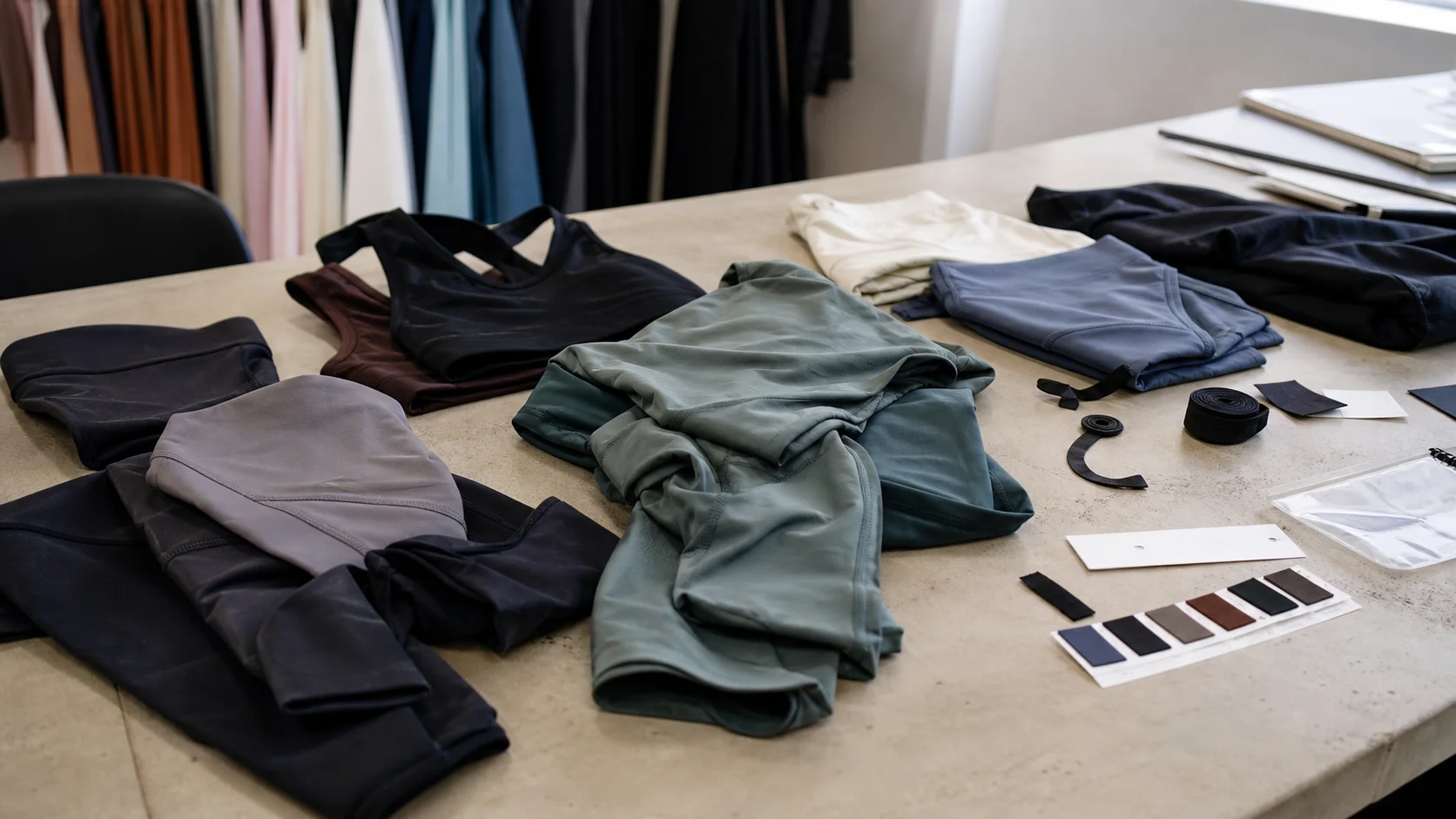
A product-specific outline for mining procurement teams evaluating bulk safety vest fabric testing, visibility performance, durability, compliance documentation, and factory quality controls before purchase.
Bulk Safety Vest Fabric Testing for Mining Buyers - Fabrikn production reference
Mining procurement teams do not buy safety vests as simple promotional garments. They buy a visibility product that has to perform under dust, abrasion, repeated washing, UV exposure, and rough daily handling. That changes the sourcing conversation. Price still matters, but fabric testing matters just as much because a vest that looks acceptable at packing can fail quickly once it reaches the site.
When buyers search for a bulk safety vests fabric testing factory for mining procurement teams, they are usually trying to reduce three common problems: weak fabric durability, poor visibility retention, and inconsistent bulk quality. These issues do not always appear during a quick visual check. They show up after wear, laundering, or exposure to site conditions. That is why factory testing, lab testing, and approval controls need to be built into the purchasing process from the start.
For mining environments, the practical standard is simple: the vest must remain visible, wearable, and stable through the expected service period. A lower upfront unit price loses its appeal if the fabric fades too fast, the reflective tape delaminates, or the mesh tears around stress points after short use.
Buyers that need broader production support beyond testing often review a supplier’s manufacturing scope before placing orders. A useful starting point is the service overview at /services/, where production capabilities and sourcing support can be compared against the product spec.
Mining sites create a harsher use case than standard warehouse or event apparel. Safety vests can be exposed to mineral dust, grime, sweat, intermittent rain, direct sunlight, and frequent washing. Fabric that performs adequately in a low-impact environment may break down much faster in this setting.
The main risk for procurement is not only outright product failure. It is shortened service life combined with inconsistent bulk deliveries. One shipment may pass visual review while the next uses a slightly different base cloth, tape quality, or dye lot. If no structured testing and approval process is in place, those differences can slip through.
From a purchasing standpoint, the testing program should answer a few direct questions:
These are not technical details to leave entirely to the factory. They are purchasing controls. The best buying results usually come when procurement, compliance, and end-user teams align on the exact performance standard before sampling starts.
A reliable bulk safety vest fabric testing factory for mining procurement teams should not stop at measuring garment size and checking color by eye. The more useful approach is a layered test plan covering fabric, trim, construction, and post-wash performance.
The first checkpoint is the base material. Many safety vests use 100% polyester tricot, polyester mesh, or warp knit structures. Some mining buyers prefer heavier constructions for durability, while others choose lighter mesh for hotter worksites. Typical fabric weights can range from about 120 gsm to 180 gsm for standard vest programs, though heavy-duty options may go higher depending on the design.
The factory should confirm:
If the garment is quoted on one gsm and produced on another, the vest can feel noticeably flimsier or hotter in wear. This is a common bulk substitution risk when the buyer’s tech pack is not detailed enough.
Mining buyers should pay close attention to tensile and tear performance, especially if vests are worn over tools, outerwear, or equipment harnesses. Areas around armholes, zipper fronts, pocket joins, and reflective tape stitching can face repeated stress.
Fabric strength testing helps identify whether a lightweight price-driven fabric is too fragile for field use. A factory may not always volunteer that a lower-cost mesh is more prone to tearing. Procurement teams should ask for test results tied to the actual production fabric, not a general material data sheet.
Fluorescent yellow, orange, and lime shades are core to visibility. Those shades can vary between dye lots if controls are weak. They can also lose impact after laundering or UV exposure.
Useful testing points include:
For repeat programs, buyers should insist on approved lab dips or shade bands before bulk dyeing or bulk fabric allocation. That step sounds basic, but it prevents a large number of avoidable claims.
Even a simple vest should keep its shape through expected laundering and use. If the fabric shrinks, twists, or ripples after wash, reflective tape alignment and garment drape can suffer.
Dimensional stability testing is especially important when the vest includes zippers, woven binding, contrast panels, or printed branding. Different materials can react differently to washing and heat, which creates distortion.
Reflective tape is often the highest-risk trim component in a mining vest. The tape may look compliant at incoming inspection but fail later through edge lifting, cracking, or reduced reflectivity after repeated wash cycles.
A practical test plan should review:
Buyers should also confirm the exact tape width, placement, and certification status if a specific standard applies to the project. Substituting a cheaper tape grade is one of the more common sourcing shortcuts in high-volume vest orders.
Mining procurement teams usually evaluate safety vests on visibility first, but visibility is a combination of multiple components rather than one fabric feature. The fluorescent background material, reflective tape quality, tape layout, and cleanliness of construction all affect the final result.
In practical sourcing terms, buyers should separate visibility into two categories:
If the factory cannot maintain both consistently, the vest program becomes unstable. A fabric may start bright but fade too fast. Tape may reflect well initially but crack after industrial or repeated domestic laundering.
For this reason, sample approval should include pre-wash and post-wash comparison where possible. That gives procurement teams a more realistic view than a fresh salesman sample alone.
Purchasing judgment: if a supplier offers an unusually low price on a mining safety vest, the first place to investigate is usually fabric weight and reflective tape grade. Those are the two areas where hidden downgrades often appear fastest.
Not every mining site uses the same vest specification. Surface operations, contractor programs, visitor vests, and heavy daily-use employee vests can require different fabric choices. The right testing program should reflect that actual use profile.
A good factory should be able to explain these tradeoffs clearly instead of pushing a one-fabric solution for every order. Mining buyers should be cautious with very light mesh options unless they are strictly for temporary or visitor use.
Garment durability also depends on construction details. Useful checkpoints include:
These are factory execution issues, but they tie directly back to testing because weak construction often appears during seam strength checks and wear simulation.
Mining buyers should treat sample approval as a formal gate, not a courtesy step. Many quality problems trace back to vague or rushed approvals where only appearance is checked. A more controlled process reduces that risk substantially.
A typical bulk safety vest sampling path may include:
The pre-production sample is the critical step. It should reflect the actual approved fabric, reflective tape, closure type, labels, and print or embroidery treatment if included. If the pre-production sample uses substitute materials, it is not a reliable approval tool.
Buyers that want to compare a factory’s process and communication standards can also review company background information before moving to sample stage. A basic supplier introduction is available at /about-us/.
For larger mining procurement programs, requesting wash-tested sample feedback before bulk cutting is often worth the extra time. It adds a few days to the approval calendar but can prevent a much more expensive bulk failure.
MOQ and lead time for safety vest orders depend heavily on whether the style uses stock fabric and standard tape or a customized material package. Buyers should expect different sourcing scenarios rather than one standard answer.
These figures are typical working ranges, not fixed rules. The real MOQ often depends on fabric mill minimums, reflective tape supply terms, print setup, and carton efficiency. Very low MOQs usually mean fewer customization options or a higher unit price.
Bulk lead times are affected by several linked steps:
A practical planning range for a repeat vest order using approved materials may be about 30 to 45 days from approval, while a new custom program can take 45 to 75 days or more depending on complexity. Urgent requests are possible in some factories, but compression usually increases risk. The first thing that suffers in a rushed program is often approval discipline.
Procurement teams should also clarify whether testing is performed in-house, through a third-party lab, or both. Third-party testing often improves confidence, but it can add time that needs to be included in the purchase calendar.
Even when a fabric passes pre-production testing, bulk execution can still drift. That is why incoming, inline, and final inspections remain important for mining vest orders.
Common inspection risks include:
One practical purchasing control is to lock a signed specification sheet before bulk cutting. That sheet should state the approved fabric composition, gsm, color standard, tape specification, measurement tolerance, closure type, branding details, and packing method. Without that document, final inspection becomes a subjective argument rather than a measurable checkpoint.
Tradeoff to note: the cheapest quote can still be workable for short-term visitor vests, but it is rarely the best value for daily mining use. The replacement cycle, complaint handling, and site risk usually outweigh small unit-price savings.
Choosing a factory for mining safety vests is less about marketing claims and more about process discipline. Buyers should assess whether the supplier can control repeat quality under bulk conditions, not just produce an attractive sample.
A solid evaluation checklist includes:
Buyers should ask direct questions such as:
If the factory gives vague answers, that is usually a sourcing warning sign. A capable supplier does not need to promise perfection, but it should be able to explain the control points and tradeoffs in plain commercial terms.
When procurement teams are ready to align product specs, testing expectations, and production planning, the most efficient next step is a direct technical inquiry through /contact-us/. That usually speeds up quotation accuracy and sample development more than starting with a price-only request.
For repeat mining vest programs, the most effective sourcing strategy is usually standardization. Instead of re-specifying the product every time, buyers can lock a proven fabric and trim package, approved color standard, measurement chart, and inspection checklist. That reduces variability and shortens approval cycles.
A sensible repeat-order framework often includes:
This approach may not produce the lowest theoretical quote on every order, but it generally lowers total procurement risk. For mining buyers, that is usually the more important metric.
In other words, the right bulk safety vests fabric testing factory for mining procurement teams is not just a sewing source. It is a control point in the supply chain. Its value comes from holding fabric, trim, construction, and inspection standards steady from sample stage to shipment.
That is the commercial test that matters most: not whether a vest looks acceptable on day one, but whether the factory can repeatedly deliver visible, durable, specification-matched garments in bulk.
Get a free quote from Fabrikn — your trusted B2B clothing manufacturer with 10+ years of experience. MOQ as low as 200 pieces.
Get a Free Quote →Common options include polyester mesh and polyester tricot. Mesh is lighter and more breathable, while tricot often gives better structure and a stronger hand feel. For mining use, the right choice depends on heat, abrasion exposure, and whether the vest is for daily wear or temporary visitors.
Basic vest styles often start around 300 to 1000 pieces per design or color. Custom mining programs with specific fabric, reflective tape, and branding often start closer to 1000 to 3000 pieces. Actual MOQ depends on fabric mill minimums and trim sourcing requirements.
Repeat orders using approved materials may take roughly 30 to 45 days from final approval. New custom developments often take 45 to 75 days or longer because sampling, testing, and material sourcing add time.
Reflective tape can fail through cracking, poor adhesion, or reduced performance after washing. Since mining vests rely on low-light visibility, tape durability is one of the most important trim checks in the approval process.
In many cases, yes. Factory in-house testing is useful for process control, but third-party testing can provide extra confidence for high-volume orders, stricter compliance programs, or buyers managing multiple internal stakeholders.
The biggest risk is inconsistency between the approved sample and the actual bulk shipment. That often appears in lower fabric gsm, shade variation, reflective tape substitution, or weak stitching in stress areas.