
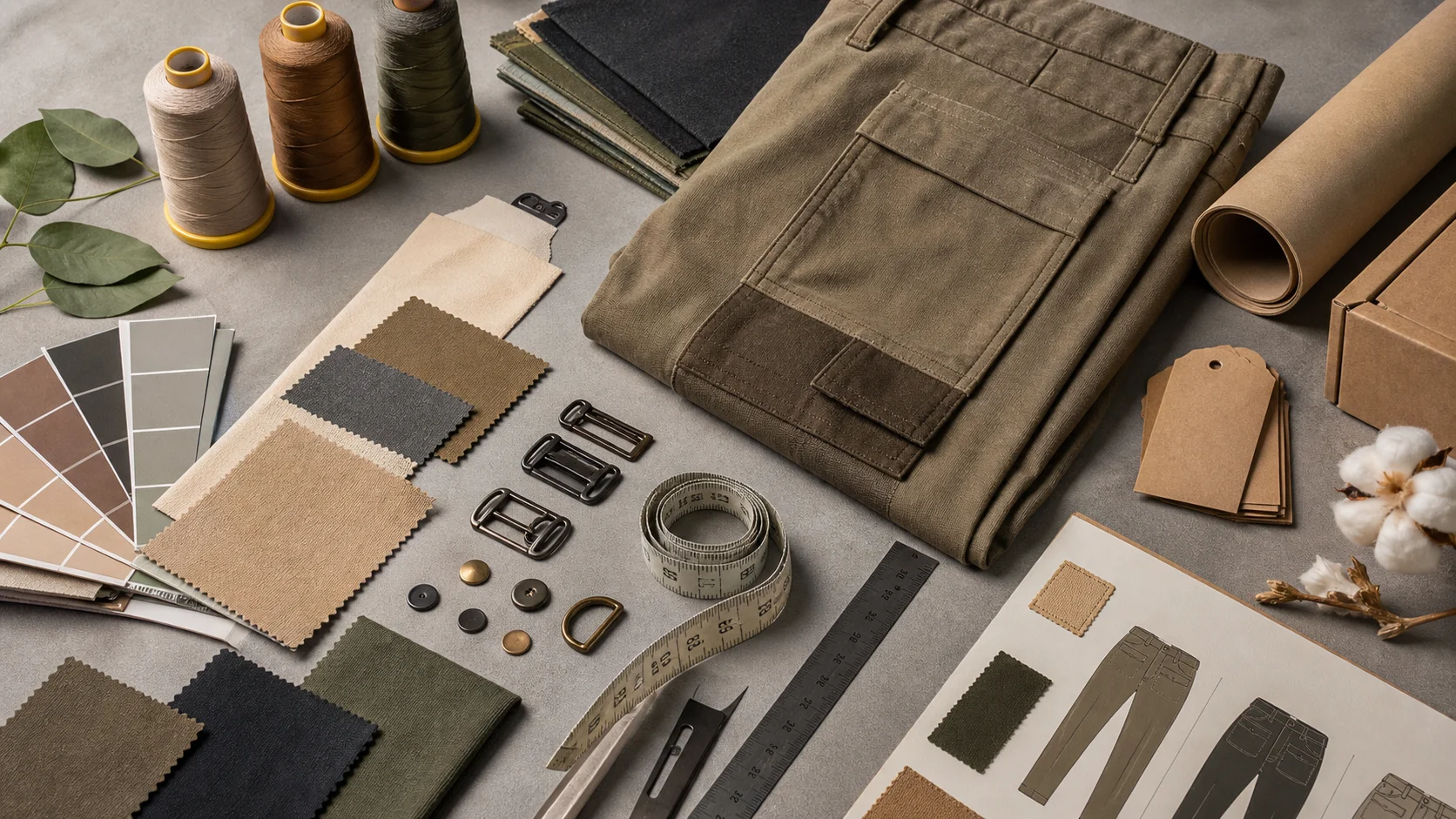
A practical sourcing guide for security contractors ordering bulk workwear uniforms, covering fabric tests, inspection checkpoints, MOQ implications, and...
Security Uniform Fabric Tests for Bulk Buyers - Fabrikn production reference
For security contractors, fabric testing is not a laboratory formality. It is a purchasing control that protects contract performance, wearer safety, brand appearance, and replacement cost. A guard uniform may look acceptable on a sales sample, then fail after repeated patrol shifts, outdoor exposure, laundering, or abrasion from radios, belts, keys, and body armor.
This bulk workwear uniform fabric testing guide is written for buyers sourcing security uniforms at volume. It focuses on the tests that matter before production, during bulk manufacturing, and before shipment. The goal is not to test everything. The goal is to test the right things early enough to prevent expensive rework.
Security uniforms sit in a difficult category. They must look formal enough for front-of-house posts, durable enough for patrol work, and consistent enough for multi-site deployment. A poor fabric decision can create problems across the whole contract: faded shirts, shiny trousers, seam slippage, excessive pilling, sweat discomfort, or garment shrinkage after the first few washes.
Bulk buyers also have to manage consistency. A contractor may need 300 uniforms for one project, then repeat orders every quarter. If the fabric is not tested, documented, and controlled, later production lots may vary in shade, weight, hand feel, or performance. This is especially risky when the uniform is part of a client-facing brand standard.
Fabric testing gives the buyer objective evidence before committing to a purchase order. It also gives the manufacturer measurable targets. Instead of saying “make it durable,” the specification can state fabric weight, composition, colorfastness grade, shrinkage tolerance, tensile strength, seam slippage performance, and wash method.
For contractors building a long-term uniform program, testing should be treated as part of sourcing, not as an afterthought. Buyers comparing suppliers can review development support, sampling systems, and production controls through pages such as Fabrikn services before moving into final quotation and bulk approval.
Security workwear usually fails in predictable ways. Many issues are not visible when the first sample is delivered, which is why pre-production testing matters.
The highest-risk uniforms are usually those made from the cheapest available fabric without a written test standard. A low fabric price can look attractive during tendering, but replacement cost, complaint handling, and inconsistent repeat orders often erase the saving.
There is no single best fabric for all security uniforms. The right choice depends on climate, post type, laundering system, brand image, and budget. A mall security shirt does not need the same fabric as a tactical patrol trouser or outdoor winter jacket.
Fabric Type Typical Use Advantages Buying Risks Polyester-cotton twill Shirts, trousers, general security uniforms Durable, stable, widely available, cost-efficient Can feel warm; poor blends may pill or fade 65/35 poly-cotton Standard shirts and trousers Good balance of durability and comfort Quality varies heavily by yarn, weave, and finish Ripstop poly-cotton Tactical trousers, outdoor patrol uniforms Tear resistance, rugged look, practical for field use Can be too casual for formal sites; heavier options increase heat retention Stretch woven fabric Modern trousers, soft tactical uniforms Improves mobility and comfort Higher cost; elastane can degrade with heat and harsh washing Moisture-wicking polyester knit Polo shirts, warm-weather posts Quick drying, lightweight, comfortable Snagging, odor retention, and pilling must be controlled Softshell or laminated fabric Jackets, patrol outerwear Weather resistance, clean appearance, layering comfort Requires testing for water resistance, delamination, and seam performanceFor most bulk security programs, poly-cotton remains the practical starting point because it is available, familiar, and relatively economical. Stretch and performance fabrics can improve wearer acceptance, but they need tighter test controls and usually cost more. If a contractor is supplying guards across many locations, fabric availability for repeat orders should be considered as seriously as the first unit price.
A useful test plan starts with the fabric specification. At minimum, buyers should document composition, weight, weave or knit type, color, finish, performance requirements, wash method, and acceptable tolerances. A purchase order that only states “navy security shirt fabric” leaves too much room for interpretation.
Test Area What It Checks Why It Matters Typical Buying Judgment Fiber composition Polyester, cotton, elastane, nylon percentage Confirms the supplier used the agreed material Important for cost control and repeat consistency Fabric weight GSM or oz/yd² Affects durability, drape, warmth, and price Allow realistic tolerance, often around 3% to 5% Width Usable fabric width Impacts consumption and costing Critical when comparing quotes from different suppliers Colorfastness Resistance to washing, rubbing, perspiration, light Controls fading and staining Dark uniforms need stronger controls Shrinkage Dimensional change after wash Protects fit and size grading Essential before size set approval Abrasion Surface resistance to wear Predicts durability at high-friction points Important for trousers and patrol uniforms Tear and tensile strength Resistance to tearing and breaking Reduces field failures Especially important for outdoor and tactical useTesting standards may differ by buyer, region, and lab. Common references include ISO, ASTM, AATCC, and EN methods. The exact method should be written into the fabric test request, because results from different methods may not be directly comparable.
Color is one of the biggest quality issues in security uniforms. Black and navy fabrics are often selected to look formal and authoritative, yet these shades show fading quickly when dyeing and finishing are weak.
This test checks whether the fabric loses color or stains adjacent materials during laundering. For bulk workwear uniforms, buyers should test using the intended wash method, detergent type, and temperature where possible. A shirt designed for domestic washing may not perform the same under industrial laundry conditions.
Many buyers target grade 4 or above for color change and staining on common grayscale ratings, but the requirement should be matched to end use and budget. A lower-cost program may accept moderate performance for short-term contracts. Long-term corporate security contracts usually need better stability.
Rubbing tests check whether dye transfers when the fabric is rubbed dry or wet. This is especially relevant for dark trousers, jackets, and belts. Wet rubbing is often harder to pass than dry rubbing.
Poor wet rub performance can stain light-colored shirts, car seats, chairs, or equipment straps. For guards working in rain, humidity, or high-sweat environments, this test should not be skipped.
Security guards often work long shifts. Perspiration can affect collars, underarms, waistbands, and cap bands. Testing to acidic and alkaline perspiration helps identify dye instability that may not appear during a standard wash test.
Outdoor patrol uniforms, parking security uniforms, and event security garments should be checked for light exposure. Fading from sunlight can make a uniform look old within weeks. Lightfastness requirements should be stricter for high-visibility client-facing posts where appearance matters.
Direct purchasing judgment: if the uniform color is black, navy, dark green, burgundy, or charcoal, colorfastness testing deserves priority. A small saving on dye quality can create a visible failure across the entire workforce.
Security uniforms are exposed to friction and stress more often than standard office apparel. Trousers are particularly vulnerable because guards sit, walk, climb stairs, drive, and carry equipment. Shirts face stress at armholes, collars, pocket corners, and epaulette attachment points.
Tensile strength measures the force needed to break the fabric. It is useful for woven fabrics used in shirts, trousers, and jackets. Low tensile strength can indicate weak yarns, poor construction, or unsuitable finishing.
Tear strength matters when fabric catches on gates, vehicles, equipment, or sharp edges. Ripstop fabrics are often selected for better tear resistance, but the base yarn and finishing still matter. A ripstop grid does not automatically make a fabric suitable for tactical use.
Abrasion testing estimates how long fabric resists surface wear. Buyers should focus on trousers, outerwear, and uniforms used by mobile patrol teams. Duty belts, radios, keys, and vehicle seats create repeated friction. A fabric that looks sharp on a hanger may become shiny or worn after frequent use.
Pilling can make uniforms look cheap even when the garment is still structurally sound. Polyester blends and knits need pilling tests, especially polos and soft fabrics. A moderate amount of pilling may be acceptable for budget programs, but client-facing uniforms should maintain a cleaner surface.
Seam slippage occurs when yarns pull apart at the seam. It is common in lightweight woven fabrics with low yarn density. Testing should be considered for shirt side seams, armholes, trouser seats, and pocket areas. If the test result is weak, increasing seam allowance alone may not solve the issue; the fabric construction may need improvement.
Security contractors should not judge fabric only by lab durability. A uniform that is durable but uncomfortable can create operational problems. Guards may roll sleeves, avoid jackets, wear unauthorized layers, or complain about heat during long shifts.
Air permeability measures how easily air passes through fabric. It is useful for warm climates, indoor posts without strong ventilation, and outdoor summer uniforms. Dense polyester-rich fabrics may be durable but can trap heat.
Moisture-wicking tests are relevant for polo shirts and performance uniforms. These fabrics should move sweat away from the skin and dry reasonably fast. Buyers should be cautious with marketing terms such as “cool dry” or “performance wicking” unless supported by test data.
Jackets, softshells, and patrol outerwear may need water repellency or hydrostatic pressure tests. Water resistance is not the same as waterproofing. A water-repellent finish may be enough for light rain, while long outdoor patrols need stronger fabric and seam planning.
Cold-weather uniforms require a different approach. Fleece, quilted linings, and laminated fabrics should be checked for warmth, bulk, wash stability, and compatibility with the outer shell. A jacket that is warm but restrictive may not suit guards who drive or move frequently.
Comfort testing should be balanced with cost. Premium stretch, wicking, and weather-resistant materials improve user acceptance, but they can increase MOQ and lead time. For sourcing support across different uniform categories, buyers can review Fabrikn’s company background and supplier development approach before discussing a program.
Wash testing is one of the most practical checks for bulk security uniforms. It shows shrinkage, twisting, color change, seam behavior, puckering, and trim performance. Buyers should test both fabric and finished garments.
For shirts and trousers, common shrinkage targets are often within 3% after washing, though stricter or looser tolerances may apply depending on fabric and garment type. Knits may need different allowances from wovens. Stretch fabrics should be checked for growth and recovery, not only shrinkage.
Industrial laundry changes the testing requirement. If uniforms are sent to a commercial laundry, buyers should disclose wash temperature, drying process, chemicals, and cycle frequency. Domestic wash approval does not guarantee industrial wash performance.
Fabric can pass all tests while the garment still fails because of trims. Security uniforms often include epaulettes, metal or plastic buttons, zippers, reflective tape, hook-and-loop badges, embroidery, printed logos, snaps, shoulder patches, and reinforced pockets.
Component Test or Check Risk if Ignored Buttons and snaps Pull strength, corrosion resistance, wash durability Loose closures, safety issues, poor appearance Zippers Slider function, colorfastness, pull strength Jackets or trousers become unusable Reflective tape Reflectivity, wash durability, adhesion Reduced visibility and compliance risk Hook-and-loop Peel strength, cycle durability, edge stitching Badges fall off or look untidy Embroidery Wash appearance, backing comfort, thread colorfastness Logo distortion, irritation, staining Labels Care accuracy, durability, country rules Incorrect washing, compliance problemsTrims should be approved together with the fabric. A navy fabric with a slightly different navy zipper or thread can make the finished uniform look inconsistent. For premium security contracts, shade matching across fabric, thread, buttons, zippers, badges, and caps should be controlled.
A reliable fabric testing process connects directly to sampling. Bulk buyers should avoid approving a garment sample without knowing whether the fabric is production-quality or merely development stock.
Start with supplier fabric details: composition, GSM, weave, width, color, finish, MOQ, and available lab reports. Old or unrelated test reports should be treated cautiously. A report for a similar fabric is not the same as a report for the production lot.
Approve color against a physical standard under controlled light. Dark security uniform colors should be reviewed carefully because shade differences between lots are common. Buyers should retain an approved standard and allow controlled shade bands for bulk production.
The first sample checks design, construction, fit direction, pocket placement, trims, and general appearance. It may not be made in final bulk fabric. If not, this must be clearly noted.
Fit samples confirm measurements and grading. Size sets are important for uniform programs because guards may have a wide size range. Fabric shrinkage results should be available before locking final measurements.
The pre-production sample should use bulk-approved fabric, trims, labels, logos, and stitching details. This is the sample that should guide production. If testing is pending at this stage, the buyer is carrying risk.
Before cutting, inspect and approve bulk fabric for shade, weight, defects, hand feel, and test compliance. Cutting before fabric approval can turn a manageable fabric issue into a full production loss.
Direct purchasing judgment: do not rely on a beautiful salesman sample if the fabric source, shade standard, and test results are not locked. In bulk uniform sourcing, the approved pre-production sample is more important than the first presentation sample.
Fabric testing affects MOQ, cost, and delivery timing. Buyers should factor this into the sourcing calendar instead of treating testing as a delay.
MOQ depends on fabric availability, dyeing requirements, garment complexity, and supplier structure. For stock fabrics, garment MOQs may start around 100 to 300 pieces per style or color in some sourcing programs. For custom-dyed woven fabrics, practical MOQs may move to 500 to 1,000 pieces or more per color. Performance fabrics, special finishes, custom ripstop, and laminated materials can require higher fabric MOQs, sometimes based on meters rather than garment pieces.
These ranges are not universal. A simple security polo in stock black polyester may be easier to source at low MOQ than a custom navy tactical trouser with stretch ripstop, branded trims, and reinforced pockets.
Basic testing may include composition, GSM, shrinkage, and colorfastness. A broader package can include abrasion, pilling, tensile strength, tear strength, seam slippage, water resistance, and trim tests. The broader package costs more, but it is usually cheaper than replacing thousands of uniforms after field complaints.
For budget tenders, buyers can prioritize tests by risk. A short-term indoor contract may not need the same abrasion or lightfastness testing as an outdoor patrol contract. Dark colors, heavy wear, industrial laundering, and public-facing contracts justify stronger testing.
Security uniform lead time depends on fabric stock, lab dip approval, testing turnaround, trim availability, cutting capacity, sewing complexity, inspection, and shipping. Stock fabric programs may move faster. Custom-dyed or specially finished fabrics need more time, especially if first lab dips fail or test results require correction.
A practical development timeline often includes fabric selection, lab dip approval, proto sample, fit correction, pre-production sample, bulk fabric testing, production, inspection, and shipment. Buyers working to fixed contract launch dates should begin early. For quotations or a sourcing timeline, the practical next step is to contact the supplier through Fabrikn’s contact page with garment type, quantity, fabric preference, and delivery target.
Fabric testing reduces risk, but it does not replace inspection. Bulk inspections check whether approved materials were used and whether production quality matches the pre-production sample.
Before cutting, fabric should be checked for shade variation, stains, holes, weaving defects, uneven finishing, width, GSM, and roll-to-roll consistency. Shade segregation matters for uniform sets. If shirts and trousers are packed together, shade control should be stricter.
In-line checks help catch sewing and measurement problems early. Security uniforms often have many functional details: flaps, pen pockets, epaulettes, badge tabs, cargo pockets, waistband extensions, reflective panels, and reinforced stress points. These details should be checked before the full order is completed.
Final inspection should review workmanship, measurements, labeling, packing, carton marks, shade, trims, logos, and overall appearance. Many buyers use AQL sampling, with stricter acceptance for critical defects. The acceptance level should be agreed before production, not after defects are found.
Final inspection should include a comparison against the approved pre-production sample and approved test requirements. If the order uses multiple production lots, each lot should be controlled. A single passed sample does not prove all bulk fabric rolls are identical.
A clear checklist helps procurement teams, operations managers, and suppliers work from the same expectations.
The strongest buying position is a balanced one. Over-testing a simple low-risk order can waste time and budget. Under-testing a large security rollout can create expensive failures. The right approach is to match the test plan to the contract value, duty environment, fabric type, and replacement risk.
Get a free quote from Fabrikn — your trusted B2B clothing manufacturer with 10+ years of experience. MOQ as low as 200 pieces.
Get a Free Quote →The most important tests are usually fabric composition, GSM, shrinkage, colorfastness to washing, colorfastness to rubbing, abrasion resistance, pilling resistance, tensile strength, tear strength, and seam slippage. For outdoor uniforms, lightfastness and water resistance may also be important.
Typical MOQs vary by fabric and design. Stock fabric styles may start around 100 to 300 pieces per style or color in some programs. Custom-dyed woven fabrics often require around 500 to 1,000 pieces or more per color. Special performance fabrics, custom trims, and laminated materials may require higher MOQs.
Both stages matter. Early fabric testing helps screen unsuitable materials before development goes too far. Final approval should be based on bulk-quality fabric used in the pre-production sample. Finished garments should also be wash-tested to check shrinkage, construction, trims, and appearance.
Fading can result from poor dye quality, weak finishing, sunlight exposure, harsh laundering, perspiration, or abrasion. Black and navy fabrics are especially sensitive because shade loss is easy to see. Colorfastness testing before production helps reduce this risk.
Polyester-cotton is a practical choice for many security uniforms because it balances durability, cost, and availability. The exact blend, yarn quality, weave, GSM, and finish still need to be specified. A 65/35 poly-cotton twill can perform well, but low-quality versions may pill, fade, or feel uncomfortable.
Development testing commonly uses 3 to 5 wash cycles to check early shrinkage, shade change, seam behavior, and trim durability. Longer testing may be required for industrial laundry or long-term uniform contracts. The wash method should match the intended care label and real laundering conditions.
Shade inconsistency is one of the most common risks, especially for dark uniforms and repeat orders. Other major risks include measurement variation, weak trims, poor seam strength, incorrect logo placement, and fabric that does not match the approved sample.
Supplier test reports are useful, but buyers should check that the report matches the actual fabric quality, color, and lot being ordered. For large or high-risk orders, independent lab testing or buyer-nominated testing may be worth the added cost.
Send garment type, quantity, color, fabric preference, size range, logo requirements, trims, target delivery date, wash requirements, and any required test standards. Clear information allows a more accurate MOQ, cost, lead-time, and testing recommendation.