
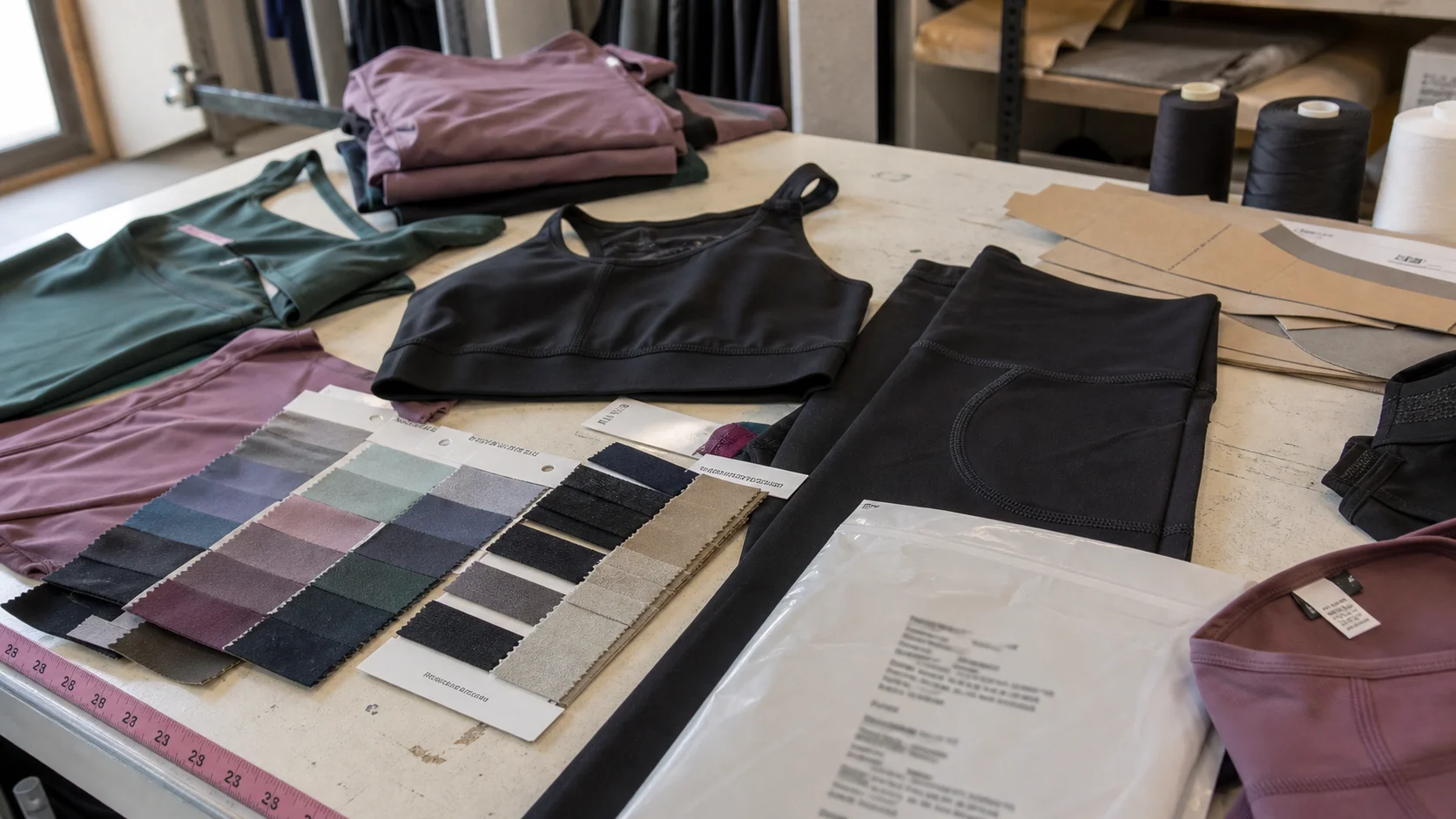
A practical checklist for distributor buyers to verify bulk service uniform production, quality, and release readiness before factory shipment.
Distributor buyers working on bulk service uniform programs need a release process that is clear, documented, and resistant to avoidable production errors. A factory release checklist is the point where order details, approved samples, fabric standards, labeling, packaging, and shipment terms are locked before bulk production starts. For service uniforms, the margin for error is narrow. A small issue in shade, sizing, stitching, or trim consistency can affect the entire delivery and create costly rework.
This checklist is written for distributor buyers managing bulk service uniform orders in the Quality & Inspection category. It focuses on practical release controls, typical sourcing risks, and the information a factory should confirm before cutting begins. The goal is not to overcomplicate the process. The goal is to prevent disputes, delays, and product mismatch once production is underway.
For buyers who need a broader production support overview, see our services page, and for sampling or order coordination, use the contact page. Company background and capabilities are summarized on the about page.
Bulk Service Uniform Factory Release Checklist - Fabrikn production reference
Service uniforms are often ordered in volume, repeated over multiple seasons, and distributed across branches, franchises, or field teams. That makes consistency more important than one-off perfection. Once the factory starts bulk cutting, changes become expensive. A release checklist creates a formal checkpoint before that point of no return.
Distributor buyers use this step to make sure the factory has the same understanding of style, fit, color, branding, and packaging. It also helps separate approved sample decisions from open questions. If a detail is not confirmed before release, it should be treated as unresolved, not assumed.
A practical checklist reduces five common risks:
For bulk service uniform programs, those risks are not theoretical. They affect fit acceptance, replacement costs, and downstream customer satisfaction. A factory release checklist is a sourcing tool, not just an admin form.
This checklist is suitable for distributor buyers handling uniforms for hospitality, food service, cleaning teams, maintenance crews, healthcare support staff, logistics workers, and other service categories. It is also useful when multiple SKUs are ordered under one program, such as shirts, trousers, aprons, tunics, jackets, and branded outerwear.
It is most helpful when the order involves one or more of the following conditions:
If the order is simple and low-volume, a lighter approval process may be enough. For bulk service uniform supply, especially for distributors, a structured release is usually the safer commercial choice.
The factory should not start bulk production until the buyer has reviewed and approved the main documents. These documents reduce ambiguity and act as the reference set if a dispute appears later.
Document Purpose Buyer check Tech pack / spec sheet Defines measurements, construction, trims, and labeling Confirm all dimensions, tolerances, and callouts are complete Approved sample record Records the final approved sample or pre-production sample Make sure comments are closed and dated Color standard Sets the reference shade for fabric and trims Confirm lab dip, bulk swatch, or approved reference is on file Bill of materials Lists fabric, thread, labels, buttons, zippers, and packaging items Check brand names, sizes, material composition, and suppliers Purchase order Defines quantity, delivery date, pricing, and shipment terms Ensure SKU count, size breakdown, and destination data matchFor distributor buyers, one common mistake is assuming the purchase order alone is enough. It is not. The PO says what was ordered. The spec and approved sample show what was agreed.
Uniform programs live or die on repeatability. Before release, the style specification should be reviewed line by line. That includes silhouette, closures, pockets, seam type, reinforcement points, and any brand-specific features.
Confirm that the factory is using the latest version of the style. If a revision was issued after the first sample, check whether it affects measurement, trim, or construction. One outdated pattern can create a lot-level mismatch that is hard to correct later.
Buyer-approved specs should state the measurement points clearly: chest, body length, sleeve length, waist, inseam, rise, shoulder width, and hem opening where relevant. Tolerances should be realistic for the garment type and production method. Tighter tolerances may be appropriate for tailored items, while knit or casual service wear may need a wider range.
Typical bulk uniform buying practice often accepts tolerances in the range of 1 cm to 2 cm for many garment points, though the correct range depends on the product, fabric behavior, and construction. If the factory proposes wider tolerances, treat that as a commercial decision, not a casual detail.
Size grading must be checked across the full range, not just the base size. Distributor buyers often focus on medium or sample size and miss issues in small and large ends of the range. That creates complaints from end users who receive fit-outlier sizes in bulk.
Buying judgment: if the program serves multiple body types or mixed gender groups, grading accuracy matters as much as fabric quality. An attractive sample is not enough if the full size curve is weak.
Fabric and trims are where bulk uniform quality often drifts from the approved sample. This is especially true when the program uses dyed fabric, special finishes, or branded accessories. The release checklist should verify each material against the approved reference.
Check the fiber composition, construction type, and GSM or fabric weight. For service uniforms, common concerns include shrinkage, pilling, color fastness, moisture handling, and durability after repeated laundering. If the garment requires easy care, ask the factory to confirm the finish and expected performance after wash cycles.
Where possible, the fabric standard should state:
Shade variation is a frequent release risk in bulk. Even if the lab dip was approved, the bulk lot can still drift slightly. Buyers should ask how the factory controls shade banding, lot segregation, and cutting lay management. If the uniform program spans multiple production runs, the same dye lot or a controlled shade range should be specified.
Buttons, zippers, snaps, labels, hangtags, reflective tape, embroidery backing, and packaging materials should all match the approved standard. A trim substitution may look minor on paper but can affect comfort, durability, or brand presentation.
Key questions include:
Bulk service uniform production should move only after the sample path is complete. Depending on complexity, that path may include proto sample, size set sample, lab dip, strike-off, pre-production sample, and gold seal sample. Not every order needs every step, but the buyer should know which approvals matter for the specific program.
Comments should be closed in writing. If a buyer notes “adjust sleeve length” or “change button color,” that item should be listed as resolved before release. Vague agreement is risky. A factory may believe a comment was optional while the buyer treats it as mandatory.
Best practice is to maintain one release document with three columns: issue, action taken, and approval date. That way, everyone can see what changed and what remained fixed.
A pre-production sample is especially useful when the order includes new fabric, new trim, branded finishing, or a high-volume first run. It gives the buyer a final check on actual production materials and construction methods. For distributor buyers, this step can prevent expensive returns after mass delivery.
Once the sample is approved, the factory should confirm that production is ready to start. The release checklist should verify that materials, capacity, and instructions are aligned. If any of these are incomplete, the risk of delays rises.
Lead time depends on fabric availability, trim sourcing, sample turnaround, order quantity, sewing complexity, and whether special finishing is involved. A simple order with stocked fabric may move quickly. A dyed-to-order program with custom embroidery can take much longer. Buyers should avoid locking customer delivery commitments before confirming that all upstream inputs are ready.
MOQ varies by factory, fabric type, and garment complexity. For bulk service uniforms, a common pattern is a lower MOQ for standard fabrics and higher MOQ for custom materials, special colors, or niche trims. Buyers should ask for MOQ by style and by color, not just a single headline number. That avoids surprises when the factory quotes different minimums for different components.
Buying judgment: a low MOQ may look attractive, but it can carry higher unit cost, limited shade control, or reduced flexibility on custom trims. For distributor programs, total program stability is usually more valuable than chasing the smallest opening order.
The release checklist should not stop at paperwork. It should tie into a real inspection plan. Service uniforms are worn hard and washed often, so a defect that passes visually can still fail in use.
Before the bulk line runs, verify the first cutting and sewing outputs against the approved sample. The line should be checked for stitching quality, seam allowance consistency, print or embroidery placement, and measurement accuracy. This is the earliest point where a mistake can be corrected at reasonable cost.
Inline inspection helps catch repeat defects before the entire quantity is finished. It is not enough to inspect only at the end. By then, the cost of correction is much higher.
Final inspection should confirm appearance, measurement, labeling, packing, and carton quality. For distributor buyers, carton accuracy matters because mis-packed sizes or style codes create distribution problems after arrival. If the order is destined for multiple branches, every carton mark should match the shipping plan.
Common inspection risks in service uniforms include:
Packaging is often treated as a final detail, but for uniform distribution it affects both brand presentation and receiving efficiency. A good release checklist covers carton construction, assortment instructions, and shipping marks.
If the buyer requires hanger packing, retail-style folding, or zone-specific carton labeling, those instructions should be released in writing before production. Packaging changes late in the order cycle can create labor cost increases and shipment delay.
Before the factory ships, confirm the following:
For bulk orders, a shipment that is visually fine but administratively wrong can still cause delays at the distributor’s warehouse. A clean shipping release is part of quality control.
Some issues appear again and again in uniform sourcing. Buyers can reduce them with good release discipline.
The sample is only useful if the bulk production follows it exactly. If the factory uses a different fabric lot, alternate trim supplier, or modified construction method, the sample loses authority. The release checklist should make sure the production input set matches the sample basis.
Many service uniforms are worn in active jobs, so fit must be practical. If the base size is correct but grading is inconsistent, the order will still generate complaints. Buyers should request sample measurements and a grade rule before bulk approval.
Uniforms are not fashion garments. They face frequent laundering, abrasion, and repeated use. Fabric behavior after washing should be considered during release. Shrinkage, color bleeding, pilling, and seam distortion are all relevant.
Branding changes after release can force material rework. Packaging changes can do the same. The safest path is to close all visual and administrative details before the factory commits to full production.
Distributor buyers can use a short internal release note to keep the process consistent across programs. A structured note is better than scattered email approvals.
Release item Status Buyer note Style and revision Approved / pending Confirm style code and revision date Fabric standard Approved / pending State composition, weight, and shade reference Trims and labels Approved / pending List all approved components Size chart and grading Approved / pending Note tolerance and size curve confirmation Sample comments Closed / open Record final action on each comment Packing instructions Approved / pending Include polybag, carton, and labeling rules Inspection plan Agreed / pending State inline and final inspection requirements Shipment terms Confirmed / pending Match PO, delivery date, and destinationThis format is simple enough to use on every order. Consistency matters more than complexity.
A release checklist should do more than confirm paperwork. It should help the buyer decide whether the order is truly ready. If the factory cannot prove fabric availability, if sample comments are still open, or if the size set is incomplete, the safer decision is to hold release until those gaps are closed.
That may feel slow in the moment, but it usually saves time overall. Rework, rejected goods, and delivery disputes take longer than a disciplined pause before bulk production. In distributor-led uniform programs, the release gate is one of the cheapest places to prevent failure.
When in doubt, prioritize traceability. Written approvals, dated samples, controlled material standards, and documented inspection steps are what protect the buyer when the order is under pressure.
A bulk service uniform factory release checklist is not a formality. It is the control point that keeps style, fit, quality, and shipment aligned before production begins. For distributor buyers, this is where commercial risk gets reduced. The more complete the release, the less room there is for factory guesswork.
Use the checklist to confirm documents, approve materials, close sample comments, verify grading, and agree on inspection and packing rules. Keep the process written, current, and specific to the program. For support with service uniform sourcing and production coordination, review our services or send an inquiry through the contact page.
Get a free quote from Fabrikn — your trusted B2B clothing manufacturer with 10+ years of experience. MOQ as low as 200 pieces.
Get a Free Quote →It is the final buyer approval checklist used before a factory starts bulk production. It confirms that the approved sample, fabric, trims, measurements, packing, and inspection rules are all locked.
Distributor buyers often manage larger quantities, multiple sizes, and multiple delivery points. A release checklist reduces the chance of wrong fabric, inconsistent sizing, label mistakes, and shipment errors.
At minimum, the buyer should approve the tech pack, size chart, fabric standard, trim list, sample comments, branding method, packing instructions, and inspection plan.
It depends on order complexity. Simple items may need only one or two approvals. More complex or custom uniform programs may need lab dips, strike-offs, pre-production samples, and a final gold seal sample.
MOQ varies widely by factory, fabric, and customization level. Standard items may have lower minimums, while custom fabrics, special colors, or branded trims often require higher quantities. Buyers should confirm MOQ by style and color.
Common risks include shade variation, grading errors, weak stitching, trim substitutions, incorrect logo placement, and packing mistakes. Wash performance issues such as shrinkage and pilling also matter.
No. Inline inspection is important because it catches repeat defects while they can still be corrected. Final inspection alone may be too late to avoid large-scale rework.
Lead time depends on fabric availability, trim sourcing, sample approval speed, production capacity, order size, and any special finishing. Dyed-to-order or highly branded items usually take longer than stock-supported products.