
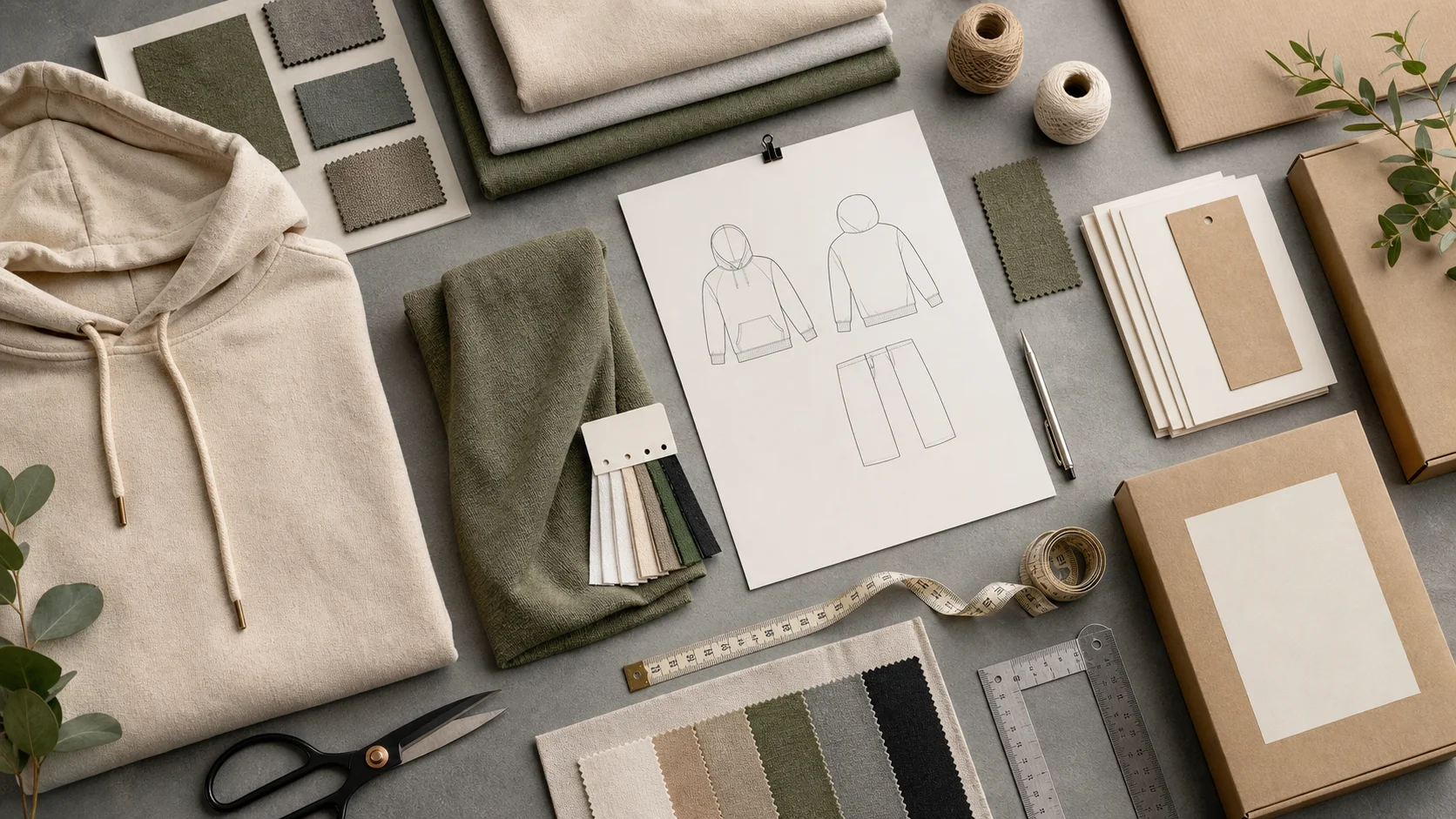
Boosting Loyalty with checks for samples, fit, MOQ, QC evidence, pricing terms, and delivery risk.
Fast answer: Boosting Loyalty: Customer Retention Strategies for Clothing Brands should be judged by production evidence, not by a generic sourcing promise. The buyer needs sample proof, cost breakdowns, QC checkpoints, and delivery buffers in writing.
Ask for recent sample photos, measurement tolerances, fabric or print test assumptions, decoration test notes, packing examples, and a named inspection checkpoint. These details show whether the team can repeat an approved sample at bulk volume.
Separate garment cost, decoration, labels, packaging, sampling, testing, freight, and rush charges. When every cost line is visible, it becomes easier to reduce colorways, adjust size depth, or reserve more time for sampling.
Boosting Loyalty: Customer Retention Strategies for Clothing BrandsFor clothing brands, attracting a customer is only the first step. Sustained growth depends on retention—keeping shoppers coming back for seasonal drops, essentials restocks, and elevated wardrobe staples. In the fiercely competitive apparel landscape, loyalty is a strategic differentiator that multiplies lifetime value, improves marketing efficiency, and fortifies brand equity. This comprehensive article explores customer retention strategies tailored for clothing labels, sharing actionable insights on how a dedicated retention service can turbocharge loyalty.
As manufacturing and brand partners like Fabrikn emphasize experience design, packaging, and quality, embedding retention solutions within your operations is essential. From curated communications to loyalty programs, every touchpoint with customers offers a renewal opportunity. Whether you are managing a high-fashion label, athleisure line, or sustainable basics studio, retention is a growth lever worth optimizing.
For an overview of the tailored services we offer to partners seeking to enhance their customer journeys, explore our services page to understand how we align manufacturing excellence with branding goals.
Before diving into tactics, it is important to define customer retention in the apparel industry. Retention measures how often customers decide to purchase from your brand again. While acquisition campaigns bring new shoppers, retention strategies focus on post-purchase experiences, relationship-building, and incentivizing repeat behavior. High retention rates signify loyalty, trust, and satisfaction.
For clothing brands, retention can mean apparel subscribers purchasing seasonally, new customers engaging with limited drops, or service clients requesting tailored garments again. The goal is to nurture the entire customer lifecycle—from welcome to repeat purchases to advocacy. Doing so reduces dependency on costly paid acquisition and fosters organic growth.
Understanding these metrics helps clothing brands craft retention tactics that align with business goals. Tracking them also reveals which elements of the customer journey require refining—be it product fit, delivery, or post-purchase communication.
Successful retention strategies rest on four foundational pillars: trust, convenience, personalization, and consistent value. Let’s explore how each pillar manifests for clothing brands.
Clothing customers invest in pieces that reflect their identity. Brands build trust by delivering consistent quality, transparent sourcing, and responsible manufacturing. Communicate fabric origins, ethical practices, and quality guarantees, reassuring customers that their purchases align with values and will withstand wear.
From browsing on mobile to checkout, brands must eliminate friction. Offer flexible shipping, easy returns, and responsive customer service. Become the brand customers instinctively turn to because the entire experience feels effortless, even when they encounter issues like size mismatches.
Relevance deepens loyalty. When brands personalize algorithmically—suggesting items that fit prior purchases, celebrating anniversaries, or tailoring drop notifications—they demonstrate attentiveness. For clothing, consider personalized fit guides, curated capsule wardrobes, or style edits based on previous selections.
Loyal customers seek value beyond garments. Offer styling advice, industry insights, behind-the-scenes stories, and exclusive previews. These intangible benefits reinforce the customer-brand relationship and keep consumers engaged between purchases.
Personalization is more than name-based emails. Clothing brands can infuse context into every interaction. Start with segmenting customers by purchase behavior, frequency, and preferences. Then, tailor content such as recommendations, size reminders, and styling tips that resonate with each segment.
Use data from previous purchases to anticipate needs. For instance, if a customer bought performance wear last winter, cue an email about the latest insulated line before the season begins. Incorporate visual inspiration featuring similar profiles to show practical use.
Another effective method is building interactive tools like fit quizzes or style preference surveys. These not only provide useful data but also enhance the customer experience through engagement. Customers feel understood, increasing the likelihood they will return to your store for future needs.
Delivering personalization across channels—email, SMS, push notifications, in-store advisors, and social media—ensures customers perceive coherence regardless of where they interact. For example, if a customer favorites a product on the app, follow up with a reminder email that highlights fit and care tips while offering a styling video. Every channel should contribute to a holistic retention narrative.
Loyalty programs align incentives with brand behavior. When thoughtfully designed for clothing brands, they reward value-rich actions beyond purchases, such as referrals, social engagement, and reviews. Here are elements of an effective loyalty program:
Remember that loyalty programs should feel natural within the brand narrative. Garment-focused brands can tie rewards to seasonal care tips, sustainable impact, or collaborative capsule lines. Monitoring participation rates and adjusting rewards ensures the program remains enticing.
Communication fosters belonging. Brands have ample opportunities to stay top-of-mind through educational content, inspirational stories, and community spotlights. For clothing customers, this includes:
Community-driven initiatives, such as virtual try-on sessions, sustainable fashion forums, or co-design contests, deepen loyalty. When customers see their opinions reflected in product development or marketing, their connection strengthens.
Utilize email, social media, SMS, and website content to maintain dialogue. Segment these communications so that high-value customers receive elevated experiences—such as dedicated concierge numbers or early access—for their continuing support.
Smooth operations significantly influence retention. Customers return when they trust that your brand will deliver as promised. Focus areas include:
Aftercare efforts—such as requesting feedback, offering complimentary alterations, or following up on fit—keep the conversation going. A thoughtful post-purchase journey can transform a transactional interaction into a relationship.
Retention services leverage technology to scale personalized experiences. Data platforms track customer behavior across channels, while automation workflows trigger timely messages. Key technologies include:
Integrating these technologies with enterprise systems ensures accurate inventory data and timely fulfillment. Retention services often manage these platforms, freeing clothing brands to focus on design and creative direction while alignment of data supports loyalty-building initiatives.
A successful retention program uses data to evaluate impact and refine strategies. Regularly analyze:
Benchmarking against industry standards helps contextualize performance. For example, the average retention rate in fashion hovers around 24-30% depending on niche; knowing how your brand compares informs where to double down.
Delivering retention requires a service model that blends strategy, execution, and ongoing optimization. A retention service typically includes:
Such services may be provided in-house or by partners who specialize in combining apparel branding with retention optimization. Organizations that partner with Fabricn benefit from manufacturing insights, packaging understanding, and customer-facing excellence simultaneously.
Imagine a sustainably focused clothing brand launching a seasonal capsule. The retention team executes a strategy that includes:
Tracking shows customers who participated in the community challenge were 35% more likely to repurchase in the next quarter. The retention service used this insight to expand community engagement into additional markets, boosting CLV and generating organic referrals.
Clothing brands that invest in retention build resilient businesses with loyal customer bases that return season after season. By focusing on trust, personalization, loyalty programs, community-building, and technology, your brand can shift from one-time transactions to lifelong relationships. A proactive retention service ensures every interaction—from onboarding to aftercare—works toward delighting customers and reinforcing loyalty.
Ready to elevate retention within your brand? Reach out through our contact page to discuss how Fabrikn can help you design experiences that keep customers engaged and coming back for more.
Get a free quote from Fabrikn — your trusted B2B clothing manufacturer with 10+ years of experience. MOQ as low as 200 pieces.
Get a Free Quote →A strong brief makes the supplier's job narrower and the quote more reliable. For boosting loyalty, include the target customer, sales channel, expected order quantity, size range, decoration needs, packaging requirements, and delivery market. Then call out the details most likely to affect the result, especially calendar buffer, sample owner, and revision limit.
The brief should also explain what cannot change. Some brands care most about hand feel, some about price, some about launch timing, and some about retail compliance. When those priorities are not written down, suppliers tend to optimize for whatever is easiest to quote. Clear priorities help the factory make better tradeoffs before the first sample is cut or printed.
Ask the supplier to respond with assumptions, not just a price. A useful reply states MOQ, sample route, production capacity, inspection plan, packing method, and freight handoff. If the answer is vague, the project may still work, but it needs a tighter pre-production stage before money and calendar pressure build up.
The best time to catch problems is before the pre-production sample is approved. Check measurements, color, placement, material behavior, shrinkage, construction, labels, and packaging in the same review instead of approving each item in isolation. Many bulk issues are not caused by one dramatic mistake; they come from several small unchecked assumptions.
For boosting loyalty, pay special attention to sign-off date, launch channel, and freight handoff. These details often look minor in an email but become expensive once cutting, printing, sewing, packing, or shipping begins. A simple checklist with owner, due date, and approval status keeps the brand team and factory aligned.
Bulk production should not start until the supplier can explain how the approved sample becomes a repeatable production standard. That means reference sample storage, line instructions, inline checks, final inspection, and defect handling. A factory that can describe this process clearly is usually safer than one that only promises speed.
Price differences are useful only when the quotes cover the same work. Compare sample cost, material source, trims, decoration, packaging, testing, inspection, and freight assumptions. A low unit price can become expensive if it excludes items the brand needs before launch.
Timeline promises deserve the same scrutiny. Ask what happens if the first sample needs revision, whether materials are in stock, when the production slot is reserved, and how export packing is handled. The most reliable supplier is often the one that gives a realistic calendar instead of the fastest optimistic answer.