
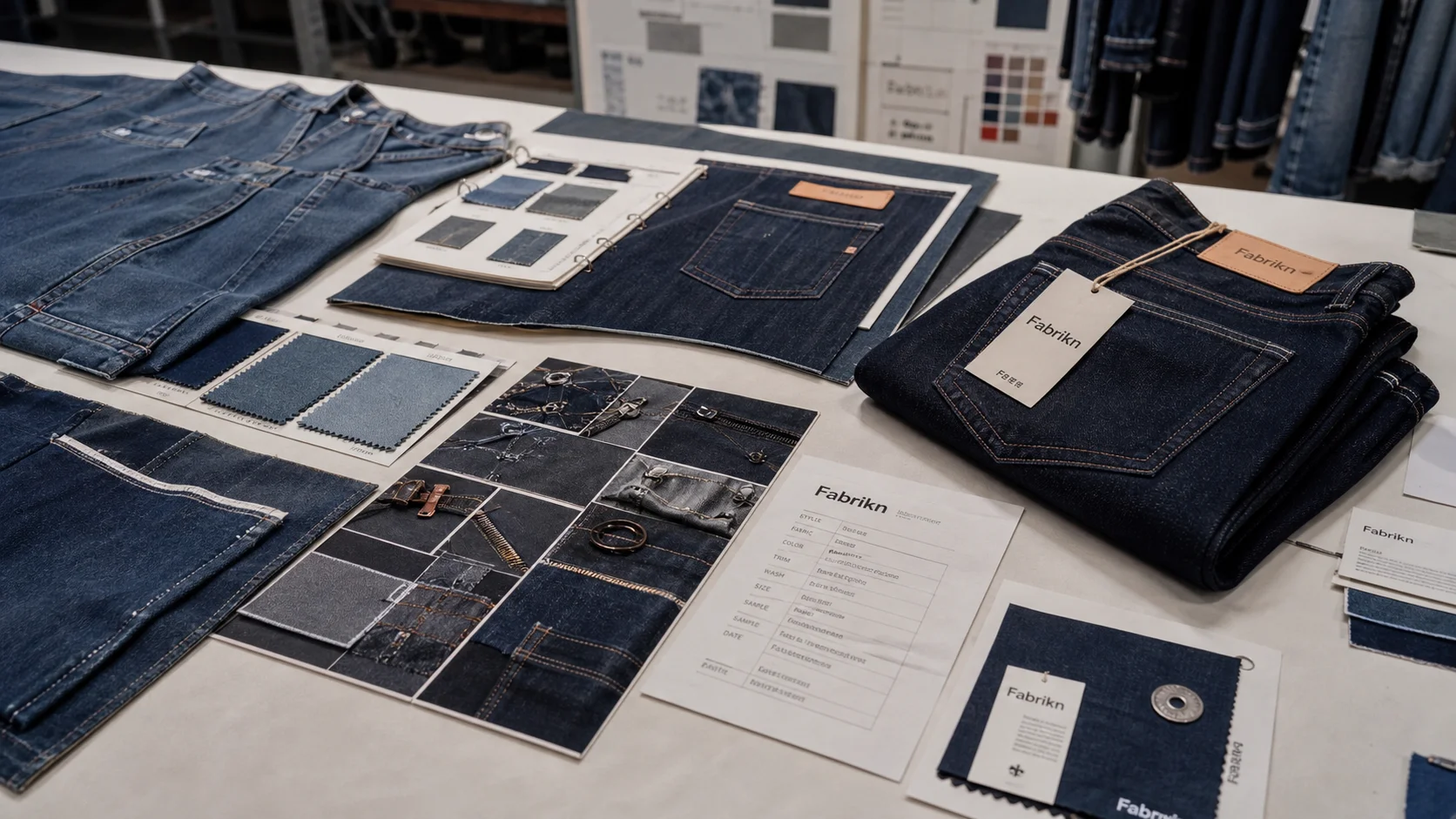
Clothing Brand Wholesale Outreach Strategy compared by sample evidence, fabric or trim specs, MOQ, AQL terms, cost lines, delivery timing, and rework...
Fast answer: Clothing Brand Wholesale Outreach Strategy: Tech Pack, Sample Gate, MOQ, and QC Terms should be judged by production evidence, not by a generic sourcing promise. The buyer needs sample proof, cost breakdowns, QC checkpoints, and delivery buffers in writing.
Ask for recent sample photos, measurement tolerances, fabric or print test assumptions, decoration test notes, packing examples, and a named inspection checkpoint. These details show whether the team can repeat an approved sample at bulk volume.
Separate garment cost, decoration, labels, packaging, sampling, testing, freight, and rush charges. Clear cost lines make it easier to reduce colorways, adjust size depth, or reserve more time for sampling.
If you want your clothing brand to grow beyond direct-to-consumer sales, a strong wholesale outreach strategy can open the door to consistent revenue, wider brand exposure, and long-term retail partnerships. But wholesale success does not come from sending a few cold emails and hoping for the best. Retail buyers receive hundreds of pitches every month, and they only respond to brands that look credible, relevant, and easy to work with.
In this guide, we will break down a practical clothing brand wholesale outreach strategy that helps you identify the right retailers, build a compelling pitch, and convert outreach into real partnerships. Whether you are launching your first wholesale program or improving an existing one, this article will give you the framework to approach retailers with confidence.
Wholesale is one of the most effective ways for a clothing brand to scale. Instead of relying only on your own website traffic or paid ads, you can place products in stores that already have loyal customers. This gives your brand instant visibility and helps you reach new markets faster.
A strong wholesale outreach strategy also reduces risk. A diversified sales mix can stabilize revenue if one channel slows down. For many apparel brands, wholesale becomes a major growth engine because retailers can place larger orders than individual consumers typically do.
That said, wholesale is not just about volume. It is about alignment. The retailers you target should fit your brand identity, price point, quality level, and audience. The better the fit, the easier it is to win repeat orders and build a lasting relationship.
Before you contact any retailers, make sure your brand looks wholesale-ready. Buyers want confidence that your products can deliver on quality, consistency, and margin. If your brand feels unfinished, they may pass without responding.
Retailers need to understand what your brand stands for. Are you premium basics, trend-led streetwear, sustainable essentials, or activewear? A clear position makes it easier for buyers to remember you and place you in the right store environment.
Do not try to sell every item in your catalog. Start with the styles that perform best, have the highest repeat potential, and represent your brand clearly. Retail buyers prefer focused collections with a strong point of view.
Wholesale pricing must work for both you and the retailer. Buyers usually expect enough markup potential to make the partnership worthwhile. Review your cost structure and make sure your suggested retail price and wholesale price support healthy margins.
Retailers do not want supply problems. They want reliable delivery, consistent sizing, and dependable quality control. If you need help with manufacturing, sampling, or production support, explore Fabrikn services to understand how a manufacturer can support your wholesale growth.
One of the biggest wholesale outreach mistakes is targeting too broadly. Sending the same message to every store on the internet wastes time and lowers your chances of getting a response. Your outreach should be highly targeted.
Research retailers that already carry products similar to yours in style, price, and customer profile. If your brand sells elevated streetwear, for example, a luxury home goods store is probably not the best fit. Focus on stores that would naturally complement your line.
Independent boutiques often make decisions faster than large chains. Regional stores may be more open to emerging brands. Department stores and larger retail groups can be valuable, but they often require longer sales cycles and more formal processes. Start with the segment that matches your current scale.
Some retailers sell well online but also have a physical store base. Others are strictly brick-and-mortar. Understanding where they generate traffic helps you tailor your pitch and product assortment. For example, stores with strong online sales may be more interested in packable, easy-to-ship styles.
Organize your prospects into tiers:
This tiered approach helps you prioritize outreach and build momentum without wasting time on low-quality leads.
Your wholesale offer is more than a product list. It is the full value proposition you present to buyers. Retailers want to know why your brand will sell, why your product is different, and why working with you will be simple.
Every wholesale line should have a hero product or category that represents the brand. This could be your best-fitting tee, a signature hoodie, a versatile dress, or a sustainable fabric capsule. A clear hero makes it easier for buyers to understand your story quickly.
Buyers prefer collections that are curated, not bloated. A tight assortment makes merchandising easier and improves sell-through. Start with a small, strategic range that covers core sizes, colors, and best-use occasions.
Retailers love products that can be reordered without surprises. If you can maintain consistent fit, fabric, and color, you increase the odds of repeat business. Reorders often matter more than the first order.
Wholesale buyers value clarity. Include minimum order quantities, lead times, shipping terms, and sample options. The easier it is for a buyer to understand how to place an order, the better your conversion rate will be.
A strong sales kit helps buyers evaluate your brand quickly. It should look polished, easy to scan, and tailored for wholesale decision-makers.
Retailers do not just buy products; they buy stories that help them sell. Your story should explain who you are, what problem your brand solves, and why your products matter to their customers.
Use clean, high-resolution images that show fit, fabric, and styling. Lifestyle photos are great for emotional appeal, but buyers also need product-on-white or detailed images for clear assessment.
Your line sheet should include product names, wholesale prices, suggested retail prices, available colors, sizing, and order minimums. Keep it organized and easy to navigate.
A well-designed lookbook helps communicate your seasonal direction and visual identity. It should feel premium but not overly complicated. Think of it as your wholesale storefront.
If your website is difficult to navigate, buyers may lose interest. Your brand site should make it easy to understand your positioning, see products, and contact your team. If you need a place to start, your About Us page can help reinforce trust and credibility when buyers research your company.
Great wholesale outreach is short, relevant, and personalized. Buyers can spot generic emails immediately, so the goal is to show that you have done your homework.
Your subject line should be clear and specific. Avoid hype and gimmicks. Examples include:
Mention something specific about the retailer, such as a product category they carry, a recent collection, or their customer profile. This shows that your outreach is intentional, not mass-sent.
Buyers are busy. Your email should explain who you are, what you sell, why it fits their store, and what you want them to do next. Aim for clarity over length.
Do not overwhelm the buyer with multiple asks. Invite them to review your line sheet, schedule a short call, or request samples. A single next step is much more effective than a long list of options.
If you want help preparing for outreach or want to discuss manufacturing support before scaling wholesale, you can also reach out through Fabrikn contact us.
Most wholesale deals do not happen after one email. Buyers are busy, and timing matters. A structured follow-up system can dramatically improve your response rate.
If you do not hear back, send a polite follow-up after a few business days. Keep it brief and reference your original message. You can share an updated lookbook, a best-selling product, or a new line launch.
Some buyers are active on social media or professional networks. A thoughtful connection request or a light-touch follow-up can help keep your brand visible, but avoid being pushy. Your goal is to stay on their radar, not annoy them.
Use a CRM, spreadsheet, or outreach tool to track when you contacted each buyer, what you sent, and what response you received. This prevents duplicate emails and helps you identify the most effective follow-up timing.
Not every prospect will convert. After a reasonable sequence of follow-ups, move on and revisit the account later if your brand grows or launches new product. Persistence matters, but professionalism matters more.
Retail partnerships are built on trust. Buyers need confidence that your brand will deliver quality products, communicate clearly, and solve problems quickly if something goes wrong.
Share lead times, MOQ requirements, and production capabilities upfront. Overpromising and underdelivering is one of the fastest ways to lose a retailer.
If you have press mentions, strong DTC sales, influencer support, or existing retail placements, include them in your pitch. Evidence of traction lowers buyer risk.
Retailers expect the same fit and finish from one order to the next. Inconsistent quality creates returns, complaints, and reputational damage. This is why strong production oversight is essential in wholesale apparel.
Simple communication, quick responses, accurate invoices, and dependable shipping all matter. Buyers often continue working with brands that make their job easier, even when those brands are not the largest in the room.
Even promising brands lose wholesale opportunities because of avoidable mistakes. If you want better retailer conversion, steer clear of these issues.
If your product and retailer are mismatched, the buyer will notice immediately. Relevance is more important than volume.
Mass emails with no personalization tend to get ignored. Buyers want to know why you chose them.
A large catalog can confuse buyers and weaken your story. Focus on your strongest assortment first.
If pricing, margins, and minimums are not structured properly, even interested buyers may hesitate. The numbers must work.
Many deals are lost simply because the brand did not follow up. A thoughtful follow-up sequence is essential.
Retailers need reliability. If production, inventory, or logistics are not ready, growth can backfire.
Wholesale outreach should be treated like a sales process, not a one-time campaign. Track what works and refine your approach over time.
Not every retailer responds the same way. Experiment with different positioning angles, product focuses, and call-to-action styles to see what generates the best results.
If certain retailer segments consistently respond better, build more outreach around those accounts. Data should guide your next move.
Even when a buyer says no, ask if they can share why. Their feedback may reveal issues with pricing, fit, branding, or assortment that you can improve before your next campaign.
Wholesale success depends on more than outreach. You also need a manufacturer that can support production quality, consistency, and timelines as demand grows. That is where Fabrikn can help.
As a B2B clothing manufacturer, Fabrikn supports brands that want to build strong product lines and present themselves professionally to retailers. From production readiness to communication and execution, having the right manufacturing partner can make your wholesale strategy more effective and less stressful.
If you are preparing to launch or scale your wholesale program, explore our services, learn more about our company, or contact us to discuss your next steps.
A successful clothing brand wholesale outreach strategy is built on preparation, precision, and persistence. You need a clear brand story, a retailer-focused product assortment, a polished sales kit, and a thoughtful follow-up system. Most importantly, you need to target the right retailers and show them that your brand is reliable, profitable, and easy to work with.
Wholesale partnerships are not won by chance. They are earned through a strategic outreach process that makes buyers confident saying yes. If you invest the time to build the right foundation, your brand can turn wholesale into a scalable and sustainable growth channel.
Get a free quote from Fabrikn — your trusted B2B clothing manufacturer with 10+ years of experience. MOQ as low as 200 pieces.
Get a Free Quote →It is a structured plan for contacting retailers, presenting your apparel brand, and converting those contacts into wholesale partnerships. It includes target research, pitch creation, follow-up, and relationship building.
Look for stores that match your price point, style, audience, and quality level. Start with boutiques or smaller retail partners if you are new to wholesale, then expand into larger accounts as you build traction.
Your pitch should include a short brand introduction, a reason your line fits the retailer, key product highlights, wholesale terms, and a clear next step such as reviewing your line sheet or booking a call.
There is no universal rule, but a thoughtful sequence of follow-ups is usually better than a single email. Keep your follow-ups professional, brief, and spaced out reasonably.
Most brands do, because minimums help protect margins and production efficiency. Your MOQ should be realistic for buyers while still supporting your business needs.
Fabrikn helps clothing brands with manufacturing support that can improve product quality, consistency, and readiness for retail. If you want to strengthen your wholesale foundation, visit our services page or contact us.