
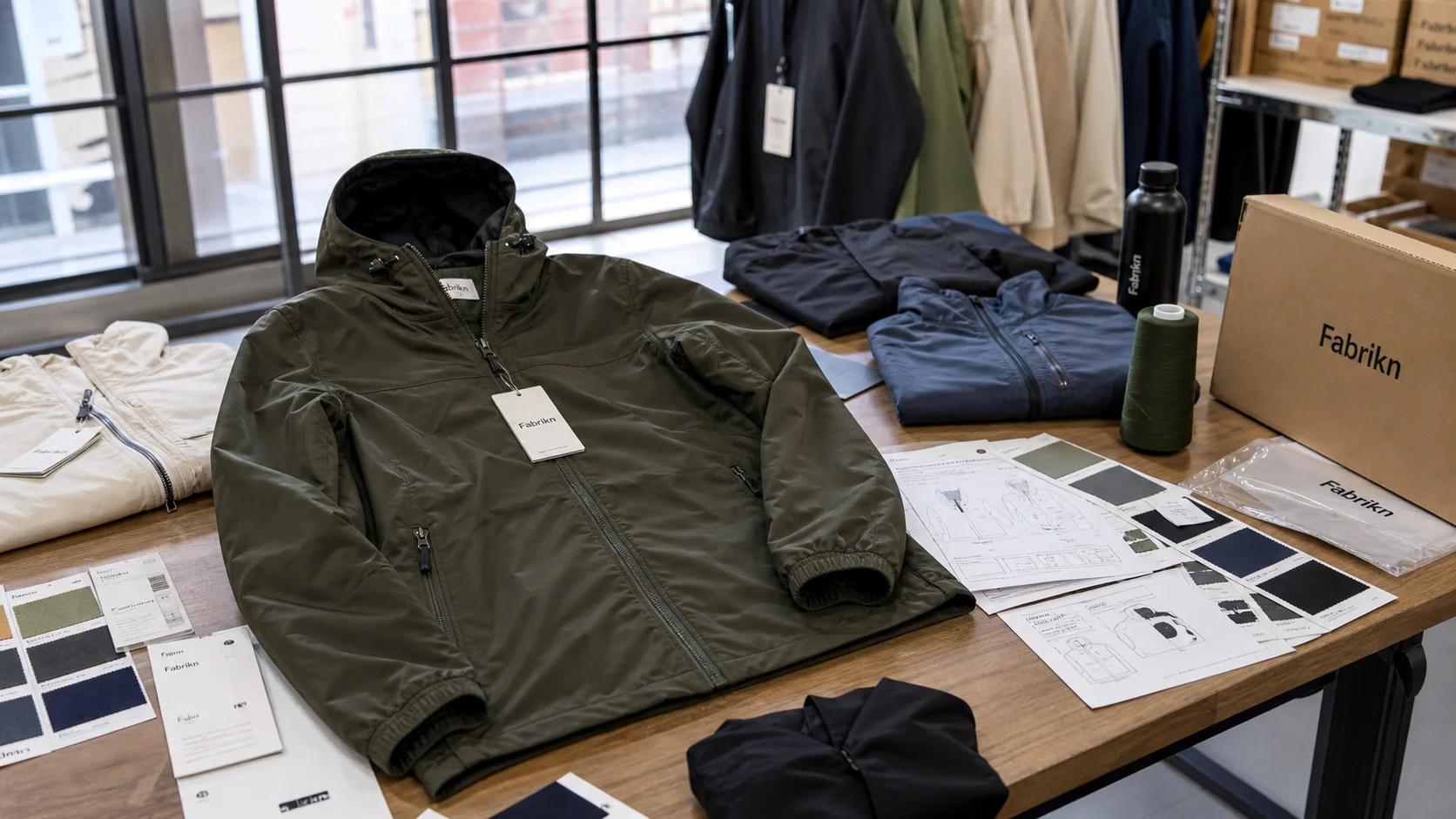
Confirm Fabric Dye Lot Consistency in Clothing Orders compared by sample evidence, fabric or trim specs, MOQ, AQL terms, cost lines, delivery timing, and...
Fast answer: Confirm Fabric Dye Lot Consistency in Clothing Orders: Fabric, Shrinkage, Fit, and QC Terms should be judged by production evidence, not by a generic sourcing promise. The buyer needs sample proof, cost breakdowns, QC checkpoints, and delivery buffers in writing.
Ask for recent sample photos, measurement tolerances, fabric or print test assumptions, decoration test notes, packing examples, and a named inspection checkpoint. These details show whether the team can repeat an approved sample at bulk volume.
Separate garment cost, decoration, labels, packaging, sampling, testing, freight, and rush charges. Clear cost lines make it easier to reduce colorways, adjust size depth, or reserve more time for sampling.
Fabric dye lot consistency is one of the most important quality factors in clothing manufacturing. When colors match across panels, size runs, reorder batches, and production phases, the finished garments look professional and meet brand expectations. When dye lots do not match, even a small variation can create visible shade differences, customer complaints, returns, and costly production delays. For B2B buyers, sourcing teams, and apparel brands, knowing how to confirm fabric dye lot consistency in clothing orders is a practical way to protect product quality and reduce risk.
This guide explains what dye lot consistency means, why it matters, how to verify it before production, and which controls help maintain color reliability from sampling through final inspection. If you work with a clothing manufacturer, these steps can help you set clearer expectations and avoid expensive mistakes.
Fabric dye lot consistency refers to how closely the color of one batch of dyed fabric matches another batch produced for the same order, style, or reorder. A “dye lot” is a specific production batch of fabric dyed under particular machine, chemical, temperature, and timing conditions. Even when the same color formula is used, small process differences can create slight variations in shade, tone, or depth.
For clothing orders, consistency usually means that all fabric used in the same garment order looks uniform under standard lighting and passes internal or external color tolerance requirements. In some cases, a slight variation may be acceptable if it falls within the agreed standard. In other cases, especially for premium fashion, corporate wear, or uniform programs, the tolerance must be very strict.
The key point is that color consistency is not automatic. It must be defined, tested, documented, and checked throughout production.
Color is one of the first things customers notice. If a shirt front is slightly darker than the sleeves, or two boxes of the same style arrive in visibly different shades, the product quality instantly feels lower. For brands, this can damage reputation and create unnecessary expense.
Here are the main reasons dye lot consistency matters:
For large clothing orders, even small color differences can become more obvious because fabric may be cut from multiple rolls, dyed in separate runs, or produced over several weeks. That is why dye lot control should be part of sourcing and production planning from the start.
Before you can confirm consistency, it helps to understand what causes variation in the first place. Dye lot differences can happen at many points in the fabric supply chain.
Fiber type, yarn source, fabric construction, and greige fabric quality can all affect how dye is absorbed. Even when the dye formula stays the same, different base materials can produce slightly different results.
Temperature, pressure, pH, dye bath timing, machine load, and water quality all influence final color. If these factors vary from batch to batch, the fabric shade may change.
Fabric dyed on different days or at different facilities may not match exactly, especially if equipment calibration or chemical conditions differ.
Finishing treatments such as washing, softening, heat setting, or coating can alter appearance. A fabric may be technically the same color but still look different after finishing.
A fabric can appear consistent in one environment and different in another. That is why standard viewing conditions matter during approval and inspection.
To confirm fabric dye lot consistency, you need a process that starts before production and continues through sampling, bulk approval, cutting, sewing, and final inspection. The most reliable method combines clear specifications, physical samples, testing, and documentation.
Start by establishing the exact color target. Do not rely on vague descriptions like “navy blue” or “dark olive.” Instead, define the color using one or more of the following:
The approved standard becomes the benchmark for all bulk fabric. If the supplier does not know what “match” means, consistency cannot be measured properly.
A lab dip is a small dyed fabric sample created before full production. It helps verify the target shade, check the recipe, and confirm the appearance under different light conditions. This is one of the most important steps in confirming dye lot consistency.
Ask the manufacturer to submit lab dips for approval before bulk dyeing begins. Review them under standard lighting and compare them against your approved reference. If necessary, request revisions until the sample meets expectations.
Shade bands are sets of fabric swatches from the actual bulk dye lot. They help you see how the production lot looks compared with the approved standard. If the shade band falls within tolerance, the bulk lot is more likely to be consistent.
This step is especially useful when ordering large quantities or when fabric will be split into multiple production runs.
Every roll of fabric should be labeled with a dye lot number, batch number, or production code. This allows you to trace each roll back to its dyeing record. Without proper lot identification, it is difficult to separate matching rolls from mismatched ones.
Make sure the manufacturer records which rolls belong to which lot and keeps those rolls grouped together. This is essential for cutting consistency.
Even if all rolls come from the same order, they should still be compared before cutting. Inspect multiple rolls side by side under controlled lighting. Look for visible shade differences, streaking, uneven dyeing, or irregular surface finish.
If the order uses multiple dye lots, the manufacturer should separate the lots clearly and avoid mixing them in the same garment panel unless the variation has been approved.
Color evaluation should be done under standardized lighting, not just under warehouse or daylight conditions. Different light sources can make fabric look warmer, cooler, darker, or lighter than it really is.
Use consistent inspection lighting so that everyone involved in approval is evaluating the same visual result. This helps reduce disputes caused by subjective color perception.
For stricter programs, color can be checked using a spectrophotometer and compared using Delta E values. This provides a numerical way to measure how close the fabric is to the approved standard.
While not every order needs instrumental testing, it is extremely useful for repeat programs, uniform projects, and high-volume production where consistency matters a lot.
Color consistency is not only about the main fabric. Trims, ribbing, pocketing, linings, collars, cuffs, and labels may also need to match. If those components come from different suppliers or dye lots, the final garment may still appear inconsistent.
Ask for color matching confirmation for every visible component that affects the finished product.
Before approving full production, check the first cut panels and first sewn garments. This helps identify whether the fabric looks consistent after cutting and whether the sewing process affects appearance.
Some issues only become obvious once parts are assembled. Early inspection can prevent a full-order problem.
Keep written records of the approved standard, lab dip approval, shade band approval, lot numbers, inspection results, and any exceptions. Documentation helps protect both buyer and manufacturer if questions arise later.
For more support with production coordination and quality control, you can review Fabrikn’s services or reach out through the contact page.
Confirming dye lot consistency is easier when the entire order is managed with strong controls. The following practices reduce color risk and improve communication with your manufacturer.
Another important best practice is to align expectations across all teams. Sales, sourcing, production, and quality control should all understand what color consistency means for the specific program. A uniform order may require tighter control than a fashion item with a more relaxed tolerance.
If you want to confirm fabric dye lot consistency effectively, your manufacturer should be able to provide clear evidence and records. When requesting a quote or placing an order, ask for the following:
These requests do not just improve quality. They also create accountability. A reliable manufacturing partner should be comfortable sharing process details and helping you manage risk.
Quality control should continue after the fabric is approved. If the dye lot is consistent at the start but mishandled later, the final result can still fail.
Check fabric as soon as it arrives at the factory or warehouse. Verify lot numbers, inspect rolls visually, and compare them against the approved standard before the material is released to cutting.
Keep rolls from the same dye lot together. Avoid using fabric from different lots in one garment section unless the variation is intentionally accepted. Cutting records should show which rolls were used for which production lots.
Inspect garments during sewing to ensure the final appearance remains consistent. Sometimes different panels, attachments, or trims make shade variation more noticeable once assembly begins.
Review finished garments in a controlled environment. Check for shade variation within the same carton, between cartons, and across size runs. If inconsistencies are found, document them immediately and separate affected stock.
To understand how a structured manufacturing partner supports these checks, see about Fabrikn.
Reorders often create the biggest dye lot challenges. Even when the original color was approved, a new production run may not match perfectly if the fabric supplier, recipe, machine, or base material changes.
To reduce reorder risk:
If the original fabric is no longer available, be transparent with your manufacturer about the need for the closest possible match. In some cases, a slight variation may be acceptable for replenishment, but this should always be approved in advance.
Different products need different approval tools. Understanding when to use each one helps you manage fabric color more effectively.
Use lab dips for dyed fabric when color precision matters. They are ideal for cotton, polyester, blends, and other materials that are dyed before production.
Use strike-offs when printing is involved. A strike-off is a sample print that shows how the design and background color will appear in the final material.
Use shade bands for bulk fabric approval. They show natural variation within the production lot and help determine whether the batch falls within acceptable limits.
When used together, these tools give buyers much more confidence that the final order will remain consistent.
At Fabrikn, we understand that color consistency is a critical part of professional clothing production. Whether you are producing uniforms, basics, promotional wear, or private label apparel, we help align fabric approval, manufacturing control, and final inspection so the end product matches your expectations.
If you are planning a new clothing order and want support with quality controls, material sourcing, or production management, explore our services or contact us to discuss your project.
Get a free quote from Fabrikn — your trusted B2B clothing manufacturer with 10+ years of experience. MOQ as low as 200 pieces.
Get a Free Quote →The best way is to combine approved color standards, lab dip approval, shade band checks, roll-by-roll inspection, and lot traceability. Instrument testing can also help when tighter tolerances are required.
Yes. Even within the same order, slight differences can occur due to dyeing conditions, finishing, or production timing. That is why every roll should be checked before cutting.
Acceptability depends on the agreed tolerance, visual inspection standard, and any measured color difference requirements. This should be defined before production begins.
Yes. A lab dip is one of the most important tools for confirming the target color before full production starts.
Ask for lab dips, shade bands, dye lot numbers, inspection reports, and written confirmation of color tolerance. These records make quality control much easier.
Usually yes. Even if the color is meant to match the original, a new lab dip or matching check is recommended because materials and conditions may change over time.
Different lighting can change how colors appear to the eye. This is why standard viewing conditions are used during professional fabric inspection.
Fabric dye lot consistency is not just a technical detail. It is a business issue that affects product quality, customer satisfaction, and brand trust. By setting clear color standards, requesting proper approvals, checking lot numbers, and maintaining strong production controls, you can reduce risk and improve the consistency of every clothing order.