
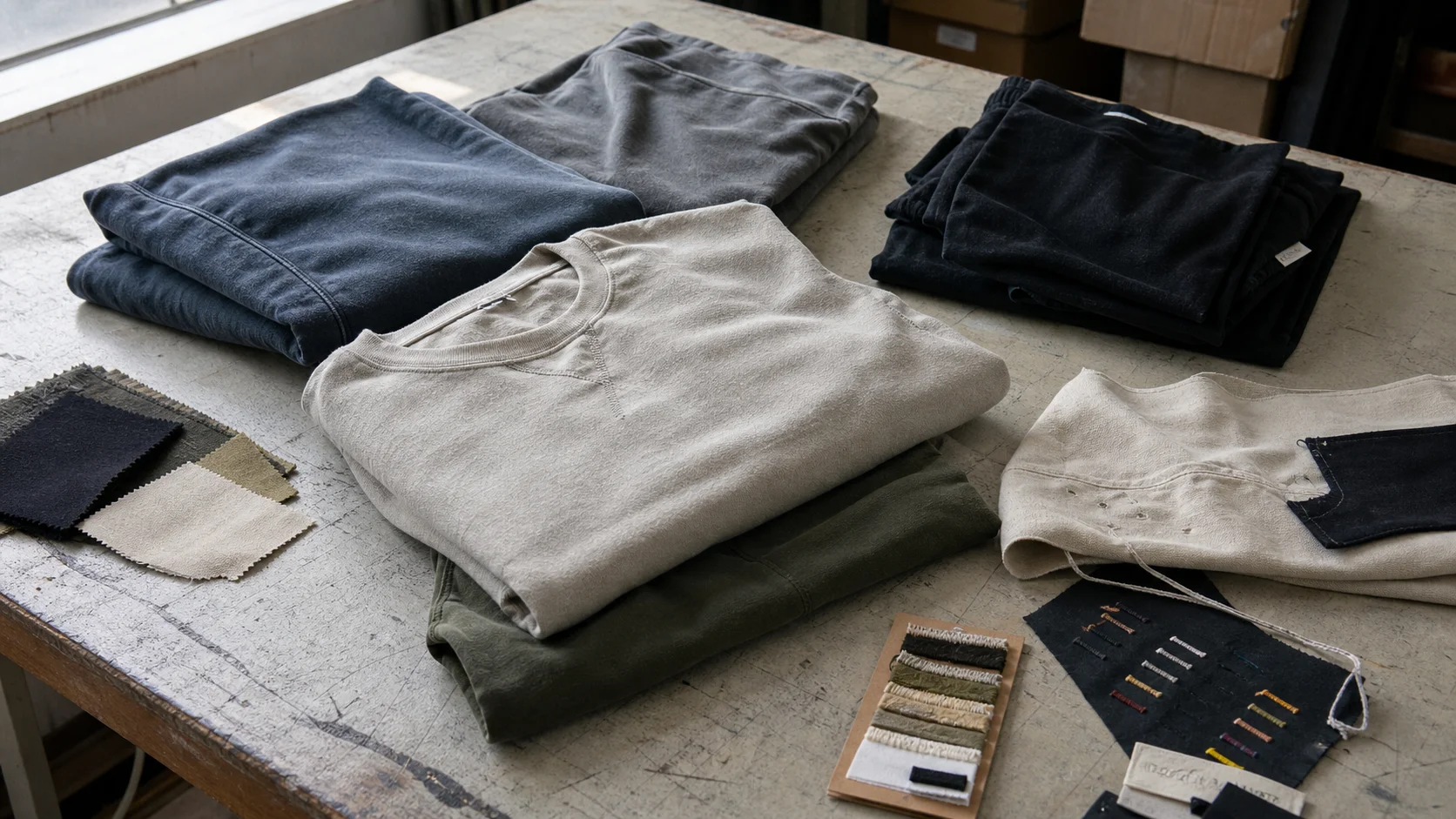
A practical SEO outline for pharmacy operations teams auditing contrast bartack maps on uniforms, lab coats, scrub tops, tote systems, and role-specific...
Contrast Bartack Map QC Checklist for Pharmacies - Fabrikn production reference
A contrast bartack map is a production document that shows exactly where reinforced bartack stitches must be placed on a garment, and which thread color should be used. In pharmacy uniform programs, it is usually applied to scrubs, lab coats, pharmacy jackets, technician vests, dispensing aprons, and work trousers where stress points need reinforcement and visual consistency matters.
The word “contrast” is important. A bartack can be tonal, meaning the thread matches the garment fabric, or contrast, meaning the bartack thread is intentionally visible. A contrast bartack is often used as a functional design detail, a color-coded department identifier, or a way to reinforce high-wear areas while matching a brand palette. For pharmacy teams, it may appear on pocket corners, side vents, pen slots, badge tabs, waistband seams, or apron ties.
A bartack map is not a decorative sketch. It is a quality control reference. It tells the factory, line supervisor, sewing operator, and final inspector what should be reinforced, how many stitches are required, what thread color is approved, and whether the stitch should be vertical, horizontal, diagonal, or box-positioned.
Purchasing judgment: if contrast bartacks are visible to staff and customers, treat them like branding details, not just sewing reinforcement. Poor placement, inconsistent thread shade, or uneven stitch density will make a pharmacy uniform program look improvised even when the fabric and fit are acceptable.
For pharmacy operations teams managing multiple sites, the map also helps control repeat orders. A uniform program may run for several years with new batches ordered every quarter or season. Without a clear bartack map, each reorder risks drifting from the approved look.
Pharmacy apparel is exposed to repeated washing, bending, pocket loading, badge pulling, and long shift wear. A technician may carry pens, small tools, scanners, keys, labels, or folded documents in the same pocket every day. Those stress points are exactly where bartacks matter.
The checklist is useful because it turns a vague request, such as “reinforce the pockets in blue thread,” into a measurable QC standard. That matters when procurement, operations, HR, compliance, and store managers all care about different outcomes. Procurement wants cost control. Operations wants durability. HR wants staff comfort. Brand teams want visual consistency. Compliance teams may need garments that are clean, professional, and appropriate for patient-facing environments.
A contrast bartack map quality control checklist for pharmacy operations teams should answer practical questions:
The tradeoff is simple. More visible reinforcement improves durability and gives the garment a designed look, but it also raises the inspection burden. Contrast stitching exposes small mistakes that tonal thread can hide. If the pharmacy program has hundreds or thousands of uniforms, even small inconsistencies become noticeable across locations.
The right bartack locations depend on the garment style and job function. Pharmacy apparel is not one product category. A pharmacist’s lab coat, a technician’s scrub top, a delivery associate’s vest, and a compounding room garment may need different reinforcement logic.
Not every garment needs every bartack. Over-reinforcement adds cost and may make the design look busy. A pharmacy uniform should look clean and controlled, not overloaded with contrast stitching. The best approach is to mark only the stress points that truly need reinforcement or support the visual identity of the program.
Pre-production control is where most bartack problems should be caught. Once the line starts sewing hundreds or thousands of pieces, changing thread color, stitch density, or placement becomes expensive and disruptive.
Checkpoint What to Confirm Purchasing Judgment Style list Confirm every garment style requiring contrast bartacks. Avoid applying the same map to all styles without checking pocket construction. Bartack map Mark exact bartack locations using front, back, and detail views. Line drawings are better than written notes alone. Thread color Approve thread color against each garment fabric color. Check thread under store lighting, not only office lighting. Stitch length Define bartack width, length, density, and orientation. Too dense can pucker light fabric; too loose may fail under pocket stress. Placement tolerance Set acceptable deviation from marked position. Visible contrast details need tighter tolerance than hidden reinforcement. Wash testing Check colorfastness, shrinkage, and puckering after laundering. Pharmacy uniforms often face frequent wash cycles, so one unwashed sample is not enough.The pre-production checklist should be attached to the tech pack, purchase order, and approved sample record. If the supplier uses a separate internal QC sheet, ask them to include the bartack map as a controlled page. A loose email instruction is easy to miss during production handoff.
For teams building a new uniform program, working with a supplier that can connect design, sampling, production, and inspection reduces avoidable variation. A good starting point is to review manufacturing capabilities through a service page such as fabrikn.com/services/ before asking for a quote.
Contrast bartack quality depends on the base fabric and thread, not only the sewing machine. Pharmacy apparel may use polyester-cotton blends, stretch woven fabrics, recycled polyester blends, cotton-rich lab coat twills, or performance knits. Each fabric behaves differently under dense reinforcement stitching.
Lightweight scrub fabric can pucker if the bartack density is too high or the thread is too heavy. Stretch fabric can distort if the bartack locks down a flexible seam without allowing movement. Heavier lab coat twill can handle a stronger bartack, but the needle size must be suitable to avoid visible holes or thread breakage.
Typical pharmacy uniform fabrics include:
Buyers should be cautious with performance claims. Antimicrobial, fluid-resistant, or easy-care finishes need documentation from the fabric supplier and should be tested against the intended laundering process. A bartack map will not solve poor fabric selection.
Thread should be strong enough for reinforcement but not so heavy that it dominates the garment. Common choices include polyester spun thread, polyester core-spun thread, or filament polyester thread depending on garment type and factory setup. Contrast thread should be tested for colorfastness to washing and rubbing, especially on white lab coats or light scrub colors.
Contrast bartacks often sit near embroidery, heat transfer logos, woven labels, badge loops, snaps, zippers, or reflective trims. These features can conflict if the tech pack is not clear. A pocket corner bartack placed too close to a heat transfer logo may create a bulky or uneven area. A badge loop with a contrast bartack may look intentional, but only if the loop width, thread color, and stitch direction are consistent.
For broader decoration and production planning, operations teams can compare available apparel decoration methods through Fabrikn’s services and then specify which elements are decorative, functional, or both.
Sample approval should be staged. A single nice-looking sales sample is not enough for a uniform rollout. The goal is to confirm that the contrast bartack map works on real fabric, in real sizes, and under normal washing.
The development sample checks general garment style, fabric hand feel, pocket layout, and early bartack placement. At this stage, expect adjustments. The buyer should mark whether bartacks are missing, too visible, too long, too dense, or placed at the wrong angle.
The fit sample confirms sizing and construction. Bartack location may change when pocket size or seam shape changes. If the team approves fit but forgets to update the bartack map, the factory may follow an outdated placement reference.
A wear-test sample is useful for pharmacy operations because staff movement reveals stress points that a static inspection can miss. Pockets may sag, side vents may pull, and badge loops may twist after a shift. The sample should be worn, washed, and reviewed before final approval when the order volume is significant.
The pre-production sample should be made using bulk fabric, bulk thread, bulk trims, and actual production machinery where possible. This is the sample to approve before cutting bulk fabric. Sign-off should include photos of each bartack location and written confirmation of thread shade.
Size set samples help confirm that bartack positions scale correctly. A pocket bartack that looks balanced on a medium top may sit awkwardly on an extra-small or 4XL garment. For pharmacy programs with inclusive sizing, the size set is not optional. Larger and smaller sizes often reveal pocket placement problems early.
Keep the approved sample sealed or clearly identified. If later shipments vary, the approved sample becomes the reference for claims and corrective action.
Production QC should not wait until the cartons are packed. Contrast bartack defects are easier to correct at the sewing line than at final inspection. The line supervisor should check the first output from each operator and each machine setting before full-speed production begins.
Stage QC Action Risk if Missed Line setup Confirm correct thread cone, bobbin, needle, and bartack program. Wrong shade or stitch density across a full batch. First piece Compare bartack locations against approved map. Systematic placement error repeated on all garments. In-line inspection Check random pieces every set interval or bundle. Machine drift, skipped stitches, loose thread tails. Size change Recheck bartack alignment after switching sizes. Incorrect pocket or vent reinforcement on smaller or larger sizes. Color change Verify thread shade and contrast level for each body color. Mixed color standards within the same shipment. Packing audit Confirm visible bartacks are clean before folding. Defects hidden until stores open cartons.Pharmacy operations teams should ask suppliers how in-line checks are recorded. A simple inspection log with date, style, color, size, operator line, and defect notes can prevent disputes. It also helps when reorders are placed months later.
Contrast bartacks create a higher visual inspection standard than tonal reinforcement. A missed bartack on a dark navy garment with navy thread may escape attention. A missed red bartack on a white coat will not. That visibility is useful for QC, but it can also increase rejection rates if standards are not defined before production.
Critical defects are less common for bartacks, but they can occur if the garment is intended for controlled pharmacy environments or if the defect creates a safety concern. Loose threads near moving equipment, unstable pocket attachment for carried tools, or non-compliant trims in a controlled area may be treated more seriously than standard apparel defects.
For pharmacy teams, inspection risk should be linked to job use. A decorative contrast bartack on a non-load-bearing sleeve tab is less serious than a missing bartack on a pocket used for scanners, pens, or small devices. Do not classify every visual issue as major unless the purchase agreement supports that standard. Overly harsh defect classification can delay shipments and increase cost without improving garment performance.
MOQ and lead time depend on garment complexity, fabric availability, thread color, trim sourcing, size range, decoration, and whether the program is custom or semi-custom. Contrast bartacks by themselves usually do not drive the full MOQ, but they can affect production efficiency when many thread colors or garment colors are involved.
These ranges are typical buying references, not guaranteed factory terms. A supplier may accept lower quantities if fabric is in stock and thread is standard. A supplier may require higher quantities if the color is custom dyed, the size range is broad, or the garment has multiple decoration steps.
Sampling may take 1-3 weeks for a simple adjustment to an existing style and 3-6 weeks for a custom garment with new pattern work. Bulk production often takes 4-10 weeks after sample approval, depending on material readiness, order size, decoration workload, and factory capacity. Shipping method and destination can add days or weeks.
The purchasing tradeoff is between speed, consistency, and customization. A stock scrub with added contrast bartacks is faster, but may not give a pharmacy chain a distinctive uniform identity. A fully custom garment can align with brand and operational needs, but requires stronger documentation and a longer approval calendar.
Teams planning a rollout can use fabrikn.com/contact-us/ to discuss order structure, sampling priorities, and whether a pilot run is sensible before committing to a full uniform deployment.
Final inspection should use an agreed AQL standard or another documented acceptance method. Many apparel buyers use AQL levels such as 2.5 for major defects and 4.0 for minor defects, but the correct level depends on order size, risk tolerance, and buyer requirements. Pharmacy teams should not rely only on carton counts and packing lists.
Final inspection should include photos. A written note stating “bartack issue” is not enough for corrective action. Photos should show the full garment, close-up defect, size label, and carton or bundle reference. This makes it easier to decide whether the issue is isolated, systematic, or tied to one operator or size.
A clear supplier brief prevents most contrast bartack disputes. It should combine design intent, technical specification, QC tolerance, and commercial expectation. Pharmacy operations teams do not need a complicated document, but they do need one that is specific enough for production.
Direct purchasing judgment: do not approve a bulk order based only on a digital mockup of contrast bartacks. Digital artwork can show color intent, but it cannot show stitch density, puckering, thread sheen, or placement accuracy. A physical pre-production sample is the safer approval point.
Supplier capability also matters. A vendor that understands both garment construction and decoration sequencing is better positioned to manage visible reinforcement details. Buyers who want background on production approach and company positioning can review fabrikn.com/about-us/ as part of early supplier screening.
The following template can be adapted for pharmacy scrub tops, lab coats, aprons, jackets, or trousers. It is intentionally practical rather than theoretical.
QC Item Requirement Pass/Fail Notes Style and color Matches approved purchase order and tech pack. Record style number, body color, and size. Bartack map version Factory uses latest approved version. Reject outdated map references before production starts. Thread shade Matches approved swatch or thread card. Check under consistent light source. Thread quality No fraying, bleeding, or excessive shine unless approved. Test wash if contrast is strong against light fabric. Bartack location All marked positions are present and aligned. Compare to numbered map. Bartack size Length and width match approved sample or specification. Measure if deviation is visible. Stitch density Secure without puckering or cutting fabric. Review after pressing and after wash when required. Orientation Vertical, horizontal, or angled direction matches map. Visible contrast details must be consistent. Durability Pocket, loop, tie, or vent holds under agreed pull check. Do not over-pull beyond agreed inspection method. Clean finish No loose tails, thread nests, skipped stitches, or stains. Classify according to defect level.Uniform rollouts fail when production details are approved by one team but used by another. A pharmacy operations team may approve the look, while procurement places the order and store managers receive the cartons. The contrast bartack map should travel with the product record so every stakeholder can recognize what “correct” looks like.
For multi-location pharmacy groups, keep a master uniform specification file. Include the approved sample photos, thread shade, care label, packing method, and defect history from previous orders. If a future batch arrives with slightly different bartacks, the team can compare against the master file instead of relying on memory.
Pilot testing is usually worth the time when a new uniform style includes visible contrast reinforcement. A small group of pharmacists and technicians can identify whether the bartacks are placed where stress actually occurs. They can also flag if contrast stitching makes a garment look too casual, too clinical, or inconsistent with the store environment.
The strongest pharmacy uniform programs balance durability, staff comfort, brand control, and reorder discipline. Contrast bartacks can support all four goals, but only when they are documented, sampled, inspected, and repeated consistently.
Get a free quote from Fabrikn — your trusted B2B clothing manufacturer with 10+ years of experience. MOQ as low as 200 pieces.
Get a Free Quote →A contrast bartack map is a technical guide showing where visible reinforcement stitches should be placed on pharmacy garments. It specifies location, thread color, stitch direction, and quality expectations for areas such as pockets, vents, badge loops, apron ties, and belt loops.
Pharmacy uniforms face frequent washing, pocket loading, and long shift wear. A QC checklist helps operations teams control durability and appearance across multiple locations, especially when contrast stitching is part of the approved uniform design.
The most common defects are wrong thread color, missing bartacks, inconsistent placement, skipped stitches, puckering, loose thread tails, and color bleeding after wash. Contrast thread makes these defects more visible than tonal stitching.
Typical MOQs may range from 100-300 pieces for stock garments with custom details, 300-800 pieces for semi-custom programs, and 800-2,000+ pieces for fully custom production. Actual MOQ depends on fabric, trims, size range, decoration, and supplier capacity.
Simple sampling may take 1-3 weeks, while custom development can take 3-6 weeks. Bulk production often takes 4-10 weeks after approval, depending on material availability, order quantity, decoration workload, and shipping method.
Yes. Washing can reveal puckering, thread bleeding, shrinkage, and stitch distortion that are not obvious on an unwashed sample. Wash testing is especially important for white lab coats, light scrubs, and bright contrast thread colors.
Yes, but they should still serve a practical function. Contrast bartacks can support brand color coding or design consistency, but overuse can make pharmacy apparel look busy. Reinforce meaningful stress points first.
The brief should include the garment tech pack, bartack map, approved thread shade, fabric and trim specs, size chart, decoration placement guide, sample approval record, inspection standard, and packing requirements.
No. A digital mockup can show intended placement and color direction, but it cannot confirm stitch density, puckering, thread sheen, wash behavior, or actual placement accuracy. A physical pre-production sample is the safer approval point.
Classification should depend on visibility and function. A missing bartack on a load-bearing pocket is usually major. A tiny thread tail may be minor if it does not affect appearance or durability. Safety or compliance-related issues may be critical in controlled environments.