
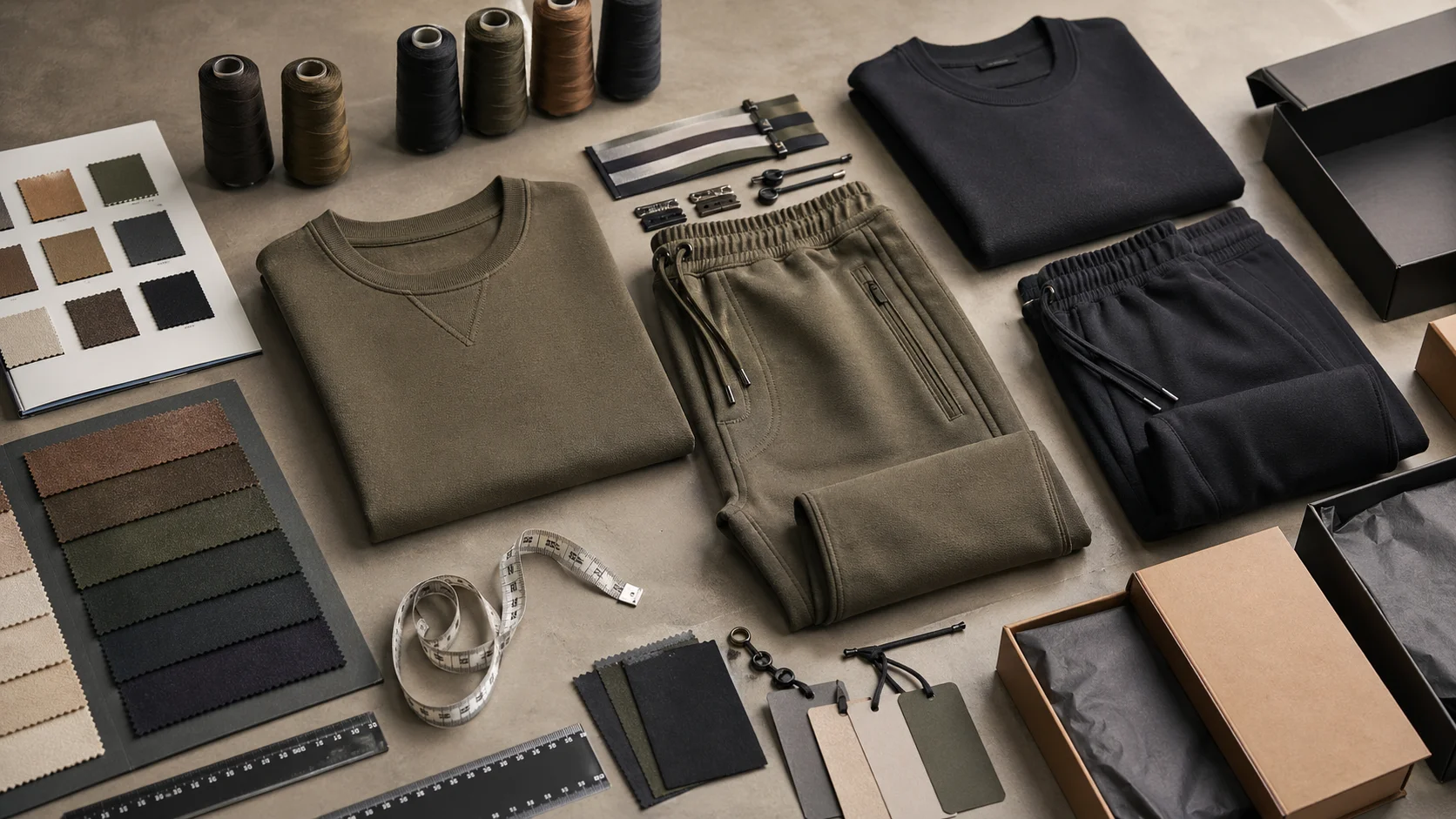
Custom Apparel Manufacturer Lead Times for Wholesale compared by sample evidence, fabric or trim specs, MOQ, AQL terms, cost lines, delivery timing, and...
Fast answer: Custom Apparel Manufacturer Lead Times for Wholesale: Sample Evidence, MOQ, Capacity, and Rework Terms should be judged by production evidence, not by a generic sourcing promise. The buyer needs sample proof, cost breakdowns, QC checkpoints, and delivery buffers in writing.
Ask for recent sample photos, measurement tolerances, fabric or print test assumptions, decoration test notes, packing examples, and a named inspection checkpoint. These details show whether the team can repeat an approved sample at bulk volume.
Separate garment cost, decoration, labels, packaging, sampling, testing, freight, and rush charges. Clear cost lines make it easier to reduce colorways, adjust size depth, or reserve more time for sampling.
As a wholesale buyer of custom apparel, understanding lead times is crucial to maintaining inventory, meeting customer expectations, and ensuring profitability. Lead times are the backbone of production planning, affecting how soon a collection can launch, how fast replenishment occurs, and how effectively a brand can respond to market demand. This business tips article dives deep into the topic of custom apparel manufacturer lead times for wholesale buyers, providing insight into typical timelines, how they are calculated, the variables that influence them, and strategies for managing your expectations in a fast-paced apparel ecosystem.
Lead times define the duration between placing an order with a manufacturer and receiving finished goods. For wholesale buyers, this timeframe dictates the planning cycle for product launches, seasonal collections, trade show obligations, and retail replenishment. Even a few days’ difference can cascade into missed sales opportunities or overstocking. Understanding the intricacies of lead times allows buyers to:
Delays ramp up costs, compromise relationships, and may force emergency production runs that erode margins. By contrast, a strategic grasp of lead times empowers wholesale buyers to align procurement cycles with business goals, minimize idle inventory, and seize opportunities quickly when trends shift.
Lead time is not a single metric but an aggregation of several stages in the apparel manufacturing process. By examining each component, buyers can pinpoint where time is gained or lost and thereby streamline their production roadmap.
This stage encompasses product development, tech pack finalization, sourcing of fabrics and trims, color approval, and prototyping. When working with manufacturers that specialize in custom apparel, expect time for:
Precision during pre-production prevents costly revisions during actual assembly. For wholesale buyers, investing time here reduces rework, enhances quality, and sets a solid foundation for accurate lead time estimates.
Production is the most visible component, where materials and instructions are transformed into garments. This stage covers cutting, sewing, finishing, decoration, quality assurance, and packaging. Production lead times depend on order complexity, quantity, factory capacity, and the sequencing of different styles. Batch sizes, multi-color prints, and custom label requirements all influence the duration of this phase.
Once garments are complete, post-production activities include inspection, bundling, and shipping preparation. Freight booking, customs clearance, and final delivery scheduling are part of this stage. Wholesale buyers must understand whether timelines include shipping or if they are factory-to-port. Being explicit about delivery terms prevents surprises, especially with international manufacturing partners.
Not all lead times are created equal. Wholesale buyers can influence, but not always control, the cadence of production. Here are key factors that typically sway lead time estimates:
Large quantities require more production hours and may not be accommodated immediately depending on factory backlog. While bulk orders may warrant economies of scale, buyers should plan further ahead to avoid competing for limited capacity during peak seasons.
Intricate colorways, embellishments, or structural components add time. Customized features such as embroidery, applique, or multi-panel construction require specialized setup or skilled labor, which lengthens the production phase. Plan for additional time if your designs incorporate unique elements.
Lead times are heavily dependent on fabric and trim availability. If a producer must cut fabric from a dye lot that needs to be ordered or sourced abroad, the clock starts earlier. Buyers who choose rare or new materials should coordinate with suppliers early to avoid material-related delays.
Manufacturers experience peak seasons, typically aligned with fashion cycles. During these periods, factories are busiest, and lead times stretch. Understanding industry rhythms helps buyers book production slots well in advance.
Shipping constraints, port congestion, and customs processing can extend lead times. Buyers must be aware of how freight choices (air, sea, or expedited) influence timelines. Planning for potential disruptions, such as holidays or weather events, is essential.
Production capacity is finite, and most factories juggle multiple clients. Communicating order windows and receiving clear production schedules reduce uncertainty. An experienced manufacturing partner will provide lead time estimates that account for factory workload and help buyers align with realistic delivery dates.
Rigorous quality checks may extend lead times but reduce future risks. Allocate time for final inspections, especially when producing high-value items or orders destined for discerning retail environments.
Strategic planning is the countermeasure to unpredictable lead times. Wholesale buyers who combine foresight with operational discipline are better positioned to manage inventory cycles. Here are best practices for planning around lead times:
A dynamic production calendar visualizes future orders, lead times, and delivery deadlines. Aligning market plans, seasonal launches, and marketing campaigns with this calendar ensures you are never caught off guard. Use it as a shared tool with your manufacturing partner so everyone knows the timeline from day one.
Even with precise estimates, variability occurs. Include buffer time in your schedule to absorb delays due to approvals, production adjustments, or logistical hiccups. Aim to have goods ready at least two weeks before critical deadlines when possible, giving you a cushion for unexpected obstacles.
Scheduling staggered releases instead of single large drops can reduce pressure on lead times and allow for multiple smaller orders across the year. This strategy also helps manage working capital and keeps product assortments fresh. Talk to your manufacturer about the feasibility of smaller production runs and how they impact timelines.
Materials often arrive before production starts. Coordinate material delivery schedules with your manufacturer to ensure fabric, trims, and accessories are available when needed. Delays in material procurement may necessitate pushing production back, so keep suppliers in sync.
Book production slots well before peak periods if you have a recurring order volume. Midsize and large manufacturers plan months ahead, so confirm your place in the queue early. Some factories offer priority scheduling for loyal partners or volume commitments, reducing lead times through planning.
Bring your manufacturer into the planning conversation before design finalization. Early input on production feasibility, material sourcing, and lead time constraints leads to smarter decisions. An aligned partner helps you optimize production without compromising design intent.
Clear, continuous communication optimizes lead times more than any other tactic. Every change, request, or expectation must be documented and shared promptly. This transparency builds trust and keeps manufacturing timelines intact.
High-quality tech packs are the blueprint for production. They should include grading rules, construction details, trim placements, embroidery files, and packaging instructions. Incomplete or ambiguous documentation increases review cycles and extends lead times. Invest time in building precise tech packs and have your manufacturer confirm receipt and understanding.
Weekly or biweekly check-ins keep everyone aligned. These checkpoints can cover material status, production progress, and anticipated issues. Regular updates allow you to anticipate repainting, rework, or additional approvals before they impact the timeline.
Sending physical samples or digital 3D mockups accelerates comprehension. Visuals minimize back-and-forth and ensure the factory sees exactly what you expect. This is especially important when working across time zones and languages.
Ask your manufacturer for a lead time breakdown per order. Some partners offer online portals or dashboards showing order status, which you can share with internal teams. These tools are invaluable for internal planning and external communications with retail partners.
Delays can occur, but how they are handled defines the partnership. When issues arise, expect your manufacturer to provide root cause, impact, and corrective action. Likewise, if you need to adjust expectations or rush an order, communicate early to allow for rearranging schedules.
No supply chain is perfect, but proactive risk management keeps disruptions manageable. In the custom apparel space, anticipate common delay causes and have contingency plans ready.
Quality issues discovered late in production lead to rework, which extends lead times. Conduct preliminary inspections early, either through third-party quality control or manufacturer-provided photo updates. The sooner you identify a deviation, the quicker it can be corrected.
Having alternative sources for fabrics and trims reduces dependency on single vendors. Work with your manufacturer to identify substitute materials that meet your quality standards in case your first choice becomes unavailable or delayed.
Global supply chains are susceptible to port congestion, shipping delays, and geopolitical events. Factor in extra time for customs clearance, and consider freight insurance. Engaging with freight forwarders who specialize in apparel can also mitigate shipping-related surprises.
Build flexibility into your agreements. For example, allow for partial shipments or split deliveries when needed. This agility reduces the pressure on a single lead time and ensures critical items arrive on schedule.
Maintain a log of actual lead times versus planned timelines. Over time, this data reveals patterns that help you forecast more accurately. Share insights with your manufacturer to improve collaborative planning and to ensure future estimates align with reality.
Balancing flexibility and predictability is an ongoing effort. Wholesale buyers who blend strong supplier relationships, diligent planning, and transparent communication can reduce lead time uncertainty and keep their product pipeline moving smoothly.
At Fabrikn, we understand the intricate demands of wholesale custom apparel. Our services are designed to offer clarity and predictability while tailoring production to your brand’s vision. Learn more about our services and how we coordinate manufacturing timelines, quality standards, and logistics for robust wholesale partnerships.
Whether you are mapping out your next seasonal launch or simply exploring what's possible, our team is ready to consult with you. Get in touch through our contact us page to discuss timelines, samples, and pricing. We treat every collaboration as a long-term partnership, aligning resources to your production schedule and growth ambitions.
Interested in our origin story, team philosophy, or commitment to quality? Explore our about us page to understand how Fabrikn brings apparel innovation to life for wholesale buyers around the globe.
Get a free quote from Fabrikn — your trusted B2B clothing manufacturer with 10+ years of experience. MOQ as low as 200 pieces.
Get a Free Quote →Lead times vary depending on volume, design complexity, and material sourcing, but wholesale custom apparel orders often range from 6 to 12 weeks from initial order confirmation to delivery, especially when factoring in production, quality checks, and shipping. The timeframe may be shorter for simplified pieces with ready-to-ship fabrics or longer for highly customized lines.
Yes, some aspects of the process can be expedited by prioritizing orders, using in-stock materials, or choosing faster shipping options. Keep in mind, expedited production may incur additional costs and requires early alignment with your manufacturing partner to adjust schedules, ensure capacity, and maintain quality without sacrificing process rigor.
Buyers should provide detailed timelines during initial discussions, including desired delivery dates and any hard deadlines. Having a shared production schedule with milestones helps both parties track progress. Weekly status updates, digital dashboards, and thorough documentation minimize miscommunication and allow for early identification of potential delays.
Material availability is one of the most determinant factors in lead times. When selecting specialty fabrics, trims, or custom colorways, allow for additional procurement time, especially if sourcing internationally. Working with a manufacturer who offers material expertise can streamline this process and align procurement timelines with production needs.
Improving lead time accuracy involves historical tracking, clear communication, and transparent planning. Document actual delivery timelines versus estimates, share thorough tech packs, and collaborate on production calendars. Engage manufacturing partners early in the planning cycle to anticipate capacity constraints and plan accordingly.