
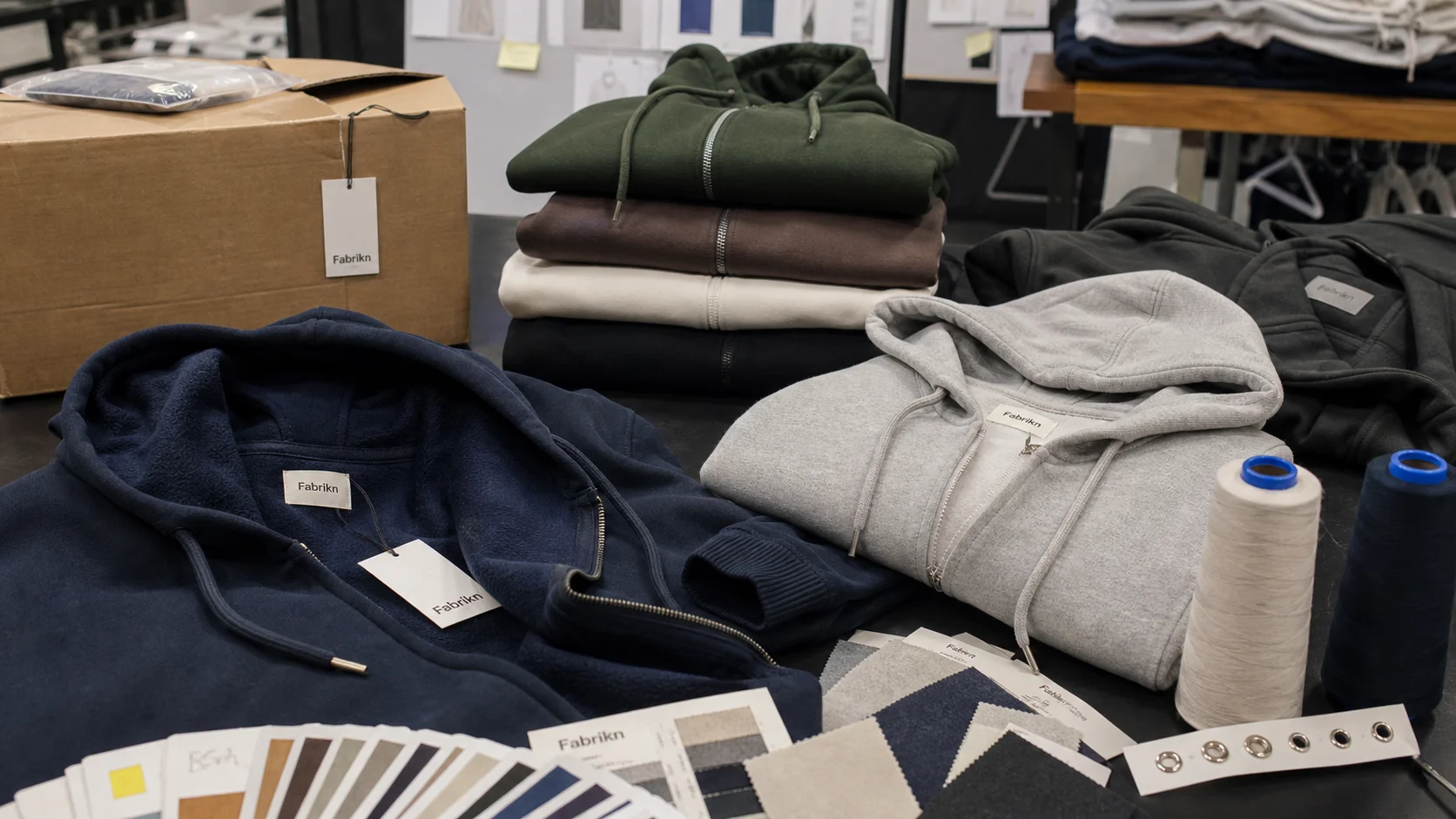
Custom Embroidery Placement On Hoodies with checks for samples, fit, MOQ, QC evidence, pricing terms, and delivery risk.
Fast answer: Custom Embroidery Placement On Hoodies: Fabric, Fit, Sampling, and QC should be judged by production evidence, not by a generic sourcing promise. The buyer needs sample proof, cost breakdowns, QC checkpoints, and delivery buffers in writing.
Ask for recent sample photos, measurement tolerances, fabric or print test assumptions, decoration test notes, packing examples, and a named inspection checkpoint. These details show whether the team can repeat an approved sample at bulk volume.
Separate garment cost, decoration, labels, packaging, sampling, testing, freight, and rush charges. When every cost line is visible, it becomes easier to reduce colorways, adjust size depth, or reserve more time for sampling.
Custom embroidery placement on hoodies plays a major role in how a garment looks, fits, and performs in real-world use. A logo or design can appear premium and polished when it is positioned well, but even the best artwork can feel awkward if the placement is off. For brands, teams, businesses, and creators investing in custom clothing, the right embroidery placement is not just a design choice. It is a branding decision that affects visibility, comfort, durability, and overall style.
Hoodies are one of the most versatile garments in custom apparel. They are worn by corporate teams, streetwear labels, athletic groups, schools, and promotional brands alike. Because hoodies come in different weights, fits, and construction styles, embroidery placement must be planned carefully. A chest logo that works on a standard pullover may sit differently on an oversized hoodie or a zip-up. Sleeve embroidery may look clean on one fabric and distort on another. Small adjustments in placement can dramatically change how professional and wearable the final product feels.
In this complete guide, we will cover the most common embroidery placement options for hoodies, the design factors that influence where embroidery should go, and the practical considerations that help ensure your garments look great after production. If you are planning a custom hoodie collection or developing branded apparel for your business, understanding placement is one of the smartest steps you can take before production begins. For more help with custom manufacturing solutions, you can also explore our services page.
Embroidery placement matters because it determines how your design interacts with the garment structure, the wearer’s body, and the intended visual effect. Unlike screen printing, embroidery has physical dimension. It raises above the fabric, creating texture and weight. That means placement must account for seams, pockets, zippers, ribbing, and the natural movement of the hoodie.
Good placement enhances brand recognition. A logo placed at the left chest, for example, creates a clean, professional look that is easy to identify and works well for uniforms or corporate apparel. Larger center-chest embroidery can create a bold statement for fashion brands or limited-edition releases. Sleeve and hood placements add a more modern, lifestyle-driven feel, which is popular in streetwear and creator merchandise.
Placement also affects wearability. A design too close to a seam may pucker or distort. A logo placed too low on a chest pocket area may feel unbalanced. Embroidery that sits where the fabric naturally folds can become less visible or less comfortable. Choosing the right placement helps the hoodie retain its shape and ensures the design remains attractive after repeated wear and washing.
There are several standard placements used in hoodie embroidery, and each offers a different aesthetic and function. The best option depends on your brand identity, artwork size, hoodie style, and target audience.
Left chest embroidery is one of the most popular choices for custom hoodies. It is subtle, professional, and versatile. This placement works especially well for corporate apparel, team uniforms, and premium branding. Because the design is relatively small, it typically uses less thread and stitches, which can help reduce production complexity while still offering a polished appearance.
Left chest placement is ideal for logos, monograms, initials, and minimal designs. It gives the hoodie a classic look and pairs well with other placements, such as sleeve embroidery or a large back design.
Center chest embroidery creates a stronger visual impact than left chest placement. It is often used for fashion-forward brands, bold logos, and statement graphics. A center chest design can dominate the front of the hoodie, making it a focal point of the garment. This placement is popular when the logo or artwork is meant to be seen from a distance.
However, center chest embroidery must be carefully sized and positioned. If it sits too high, it can crowd the neckline. If it sits too low, it may conflict with the kangaroo pocket on pullover hoodies. Proper spacing is essential for a balanced result.
Full front embroidery covers a larger area on the hoodie and can be used for significant branding, illustrations, or oversized text. This type of placement is more common in streetwear or high-end fashion collections where the embroidery itself is a design feature. Full front embroidery often requires careful digitizing and stitch planning to avoid excessive stiffness or distortion.
Because hoodies are naturally heavier garments, a large embroidered front can work well when the design is simplified and the fabric is strong enough to support the stitch density. It is important to think about how the hoodie will drape once the design is added.
Sleeve embroidery is a strong choice for brands looking for a modern, athletic, or casual premium look. It is often used for wordmarks, small icons, or secondary branding elements. Sleeve placement adds interest without overwhelming the hoodie’s front or back.
One challenge with sleeve embroidery is movement. Since sleeves bend and shift during wear, designs need to be placed carefully so they remain visible and comfortable. The placement should account for the arm’s natural shape and the hoodie’s cuff and seam construction.
Back embroidery allows for larger artwork and is often used when the front is kept minimal. This placement is common in streetwear, team apparel, and branded retail clothing. A back yoke logo, upper back design, or larger center-back mark can add dimension and make the hoodie feel more complete.
Upper back embroidery is typically the most practical, as it avoids interfering with the hood’s drape or the wearer’s movement. Larger center-back embroidery can create a dramatic effect but must be balanced to avoid making the hoodie feel heavy or bulky.
Hood embroidery is one of the most distinctive placements available. It offers a unique branded touch and can make a hoodie stand out in a crowded market. Common hood placements include small logos on the side or back of the hood. This style is often used by fashion labels or premium merchandise collections.
Because the hood is curved and mobile, embroidery must be kept simple and placed strategically. Overly large designs can distort, while small clean marks often work best.
Small details on hems, cuffs, or pocket areas can elevate the overall design. These placements are subtle and are often used for brand tags, micro logos, or decorative marks. They work particularly well for labels that want a refined and understated look.
These placements should be used carefully, because they can interfere with comfort if they are too thick or positioned in an area that rubs against the body. They are best suited to small, low-profile designs.
Successful custom embroidery placement on hoodies begins with understanding the design itself. Some logos and artworks translate beautifully into embroidery, while others require simplification before they can be stitched effectively. Placement should always be considered alongside the artwork’s shape, size, and detail level.
Simple designs generally perform best. Clean lines, bold text, and solid shapes typically embroider more clearly than highly detailed illustrations. Fine details can blur or disappear, especially on smaller placements. If a logo includes thin lettering or intricate shading, it may need to be reworked into a more embroidery-friendly version.
Size is another major factor. A design that is too small may lose definition, while a design that is too large may feel stiff or unbalanced. Embroidery needs enough space to show the details clearly, but not so much space that it overwhelms the hoodie. This balance is especially important for chest placements where the garment’s natural proportions are most visible.
Shape matters too. Wide designs may suit back placements or center chest positions, while vertical designs can work well on sleeves or hood hems. Circular logos often fit nicely on left chest placements, while rectangular wordmarks may look best across the upper back or front chest area.
Not all hoodies are constructed the same way, and this has a major impact on embroidery placement. Pullover hoodies, zip-up hoodies, oversized streetwear hoodies, and fitted performance hoodies each present different placement challenges.
Pullover hoodies often feature a kangaroo pocket, which reduces the available space on the lower front. This makes upper chest placement more practical than lower chest placement. On zip-up hoodies, the zipper creates a clear center line, so center chest embroidery is often divided by the zipper and may require alternative placement, such as left chest or upper back.
Oversized hoodies usually offer more room, but the larger fit changes how the embroidery reads when worn. A logo placed too close to the collar can seem small in proportion to the garment, while a design placed too low can disappear into the drape. For oversized fits, slightly larger placements often work better.
Raglan sleeves, dropped shoulders, and heavy fleece construction can also change how embroidery sits on the garment. Thick fabric may support more substantial embroidery, while lightweight hoodies may become distorted by dense stitching. In every case, the garment’s cut should guide the placement decision.
To better understand manufacturing support for these garment variations, visit our about us page or reach out through our contact us page.
When planning embroidery for hoodies, the goal is not just to position the design, but to make sure the design itself is suitable for stitching. A design that looks excellent on a digital mockup may not translate cleanly to fabric without adjustment.
First, always consider digitization. Embroidery digitizing converts artwork into stitch instructions, and the digitizing process determines how the final design will appear. Good digitizing accounts for stitch direction, density, underlay, and thread movement. Poor digitizing can lead to thread breaks, uneven edges, and distortion.
Second, keep the design readable from a distance. Embroidered hoodie branding should still be visible when the wearer is moving or standing several feet away. This is especially important for businesses and apparel brands that rely on visual recognition.
Third, align the design with the hoodie’s purpose. A corporate hoodie may need subtle, professional left chest embroidery. A retail hoodie may perform better with a bold center chest or back design. A fashion piece may use more experimental placements like the hood or sleeve.
Finally, test placement through sampling whenever possible. Samples allow you to see how the embroidery interacts with the hoodie fabric and how the final placement looks when worn. This is one of the most valuable steps in custom clothing development.
Thread color can dramatically influence how placement is perceived. High-contrast thread colors create bold visibility, while tonal stitching offers a more subtle premium effect. The right thread choice depends on your brand identity and the desired visual impact.
Neutral hoodies in black, gray, navy, and cream are especially flexible because they work well with both bold and tonal embroidery. Brighter hoodie colors may require more careful thread selection to ensure the logo remains legible and attractive.
Fabric choice matters just as much as thread. Fleece, cotton blends, and heavyweight materials generally support embroidery well, while very lightweight or stretchy fabrics may distort more easily. A stable fabric gives cleaner results and reduces puckering.
Stitch quality should never be overlooked. Dense stitching can create a luxurious look, but too much density can make the fabric stiff. Too little density may leave the design looking thin or incomplete. The ideal balance depends on the garment weight, placement area, and artwork complexity.
Different users need different hoodie embroidery strategies. The best placement for a law firm’s staff hoodie will not be the same as the best placement for a streetwear drop or a sports team warm-up piece.
For businesses, left chest embroidery remains the most reliable choice. It looks polished, maintains a clean uniform appearance, and works well with other branded pieces. Small sleeve logos or subtle back neck embroidery can add a second layer of branding without making the hoodie feel overly promotional.
Streetwear brands often benefit from bold center chest, back, or sleeve placement. Hood embroidery and oversized back designs are also popular because they create a distinctive identity. In fashion applications, placement is often used to create a statement as much as to display a logo.
Teams typically use left chest logos, center chest crests, and sleeve marks for numbers or initials. Back embroidery can be used for group branding or team identity. The design should be durable, readable, and suited to repeated wear.
Promotional hoodies usually work best with highly visible placements that maximize brand exposure. Center chest or upper back embroidery can help the logo stand out in public settings. Simpler designs tend to be more cost-effective and easier for recipients to wear regularly.
Premium collections often use a mix of subtle and statement placements. Small left chest embroidery combined with a carefully placed hood or sleeve detail can create a refined, elevated look. In this context, placement becomes part of the brand story.
One common mistake is placing embroidery too close to seams, pockets, or zippers. These areas can cause distortion and reduce stitch quality. Another mistake is choosing a design that is too detailed for the selected placement size. Fine text and intricate artwork are especially vulnerable to becoming unreadable.
Another issue is ignoring the hoodie’s fit. A placement that looks centered on a hanger may look off once the garment is worn. Always consider how the hoodie will drape on the body. Similarly, failing to account for garment variation between sizes can lead to inconsistent results. A design positioned well on a size medium may not scale ideally to an XXL unless the placement is adjusted.
Overly dense embroidery is another problem. Heavy stitching can make a hoodie uncomfortable, especially in areas that touch the skin or fold during wear. It is important to strike the right balance between durability and comfort.
Choosing the right manufacturing partner is one of the most important steps in creating high-quality embroidered hoodies. A skilled manufacturer can help you evaluate placement, recommend design adjustments, and produce samples that reflect the final product accurately.
At Fabrikn, we understand that custom hoodie embroidery requires both technical knowledge and an eye for style. From garment selection to embroidery placement planning, our goal is to help brands create apparel that fits their identity and performs well in production. Whether you need a small branded run or a larger custom clothing project, having the right manufacturing support can save time, reduce errors, and improve consistency.
If you are ready to develop your hoodie collection or discuss embroidery placement options in more detail, the best next step is to connect with our team through the contact us page. We can help you explore garment options, production methods, and branding strategies that align with your goals.
Custom embroidery placement on hoodies is a blend of design, function, and garment engineering. The right placement can elevate a hoodie from basic apparel to a premium branded item that people want to wear again and again. Whether you choose left chest, center chest, sleeve, back, or hood embroidery, the key is to match the placement to the garment style, the artwork, and the intended use.
By considering fit, fabric, stitch quality, and logo simplicity, you can create hoodies that look professional and feel comfortable. Placement is not just where the embroidery goes. It is how the entire garment communicates your brand. With the right planning and a reliable manufacturing partner, your custom hoodie project can deliver both visual impact and lasting quality.
Get a free quote from Fabrikn — your trusted B2B clothing manufacturer with 10+ years of experience. MOQ as low as 200 pieces.
Get a Free Quote →The best placement depends on your goal. Left chest is ideal for professional branding, center chest works well for bold logos, and back or sleeve placements are great for fashion or streetwear styles.
Most logos can be embroidered, but highly detailed designs may need simplification. Thin lettering, small details, and gradients often need to be adapted for stitch quality.
Embroidery offers a premium, textured look and is often more durable for certain branding applications. Printing may be better for very detailed artwork or large full-color designs.
Left chest or upper center chest are the most common options for pullovers. Since the kangaroo pocket takes up lower front space, upper placements usually work best.
Yes, both hood and sleeve embroidery are popular. These placements work well for small logos, icons, or secondary branding, but they must be positioned carefully to avoid distortion.
Consider your audience, the hoodie style, your logo size, and the image you want to project. A manufacturer can also help you evaluate what placement will work best for your design and garment.