
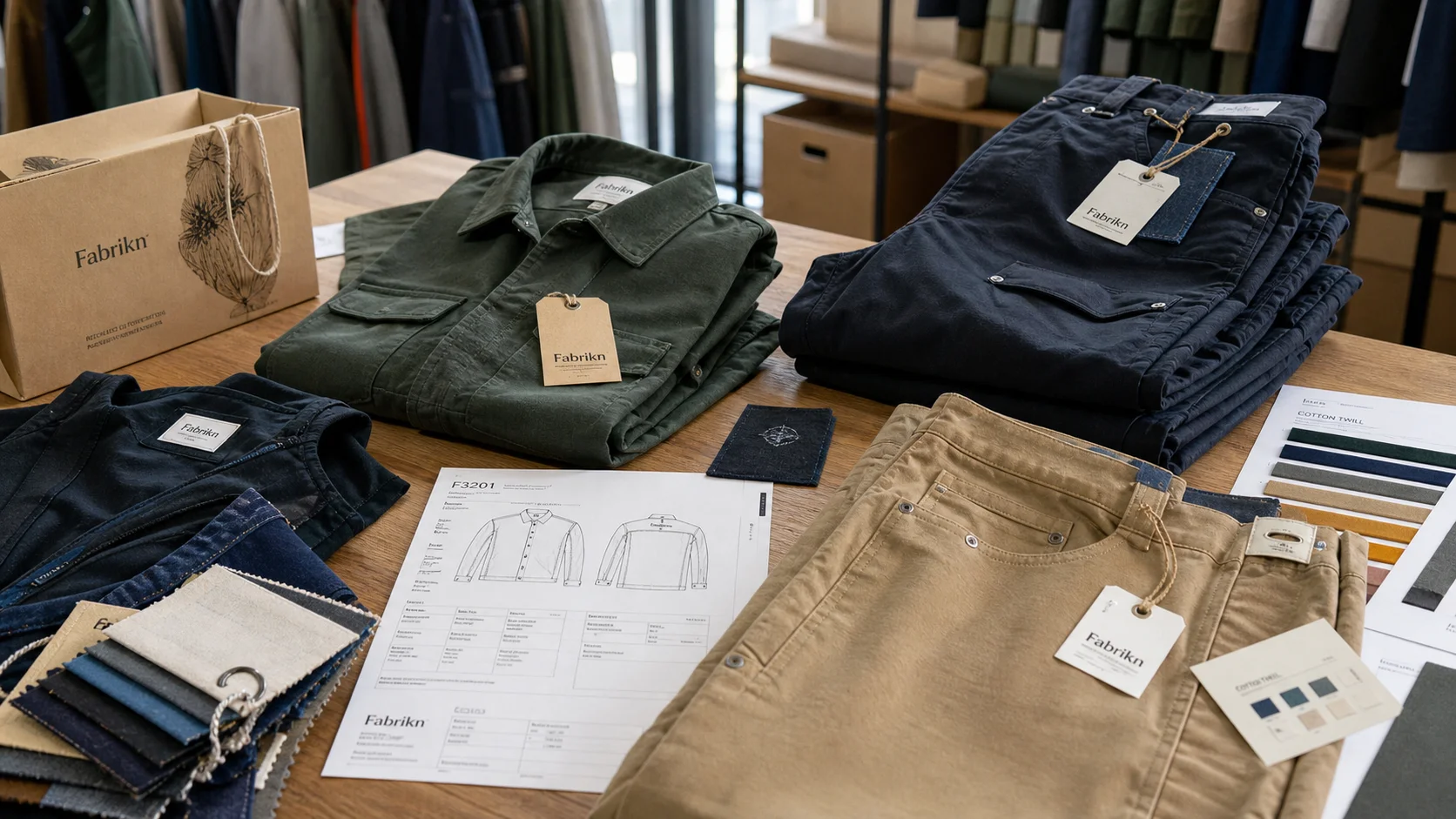
Custom Embroidery Pricing Bulk Orders with checks for samples, fit, MOQ, QC evidence, pricing terms, and delivery risk.
Fast answer: Custom Embroidery Pricing Bulk Orders: Samples, Cost Lines, QC, and Delivery Risk should be judged by production evidence, not by a generic sourcing promise. The buyer needs sample proof, cost breakdowns, QC checkpoints, and delivery buffers in writing.
Ask for recent sample photos, measurement tolerances, fabric or print test assumptions, decoration test notes, packing examples, and a named inspection checkpoint. These details show whether the team can repeat an approved sample at bulk volume.
Separate garment cost, decoration, labels, packaging, sampling, testing, freight, and rush charges. When every cost line is visible, it becomes easier to reduce colorways, adjust size depth, or reserve more time for sampling.
If you are planning a large apparel order, understanding custom embroidery pricing for bulk orders is essential. Whether you are buying uniforms, branded polo shirts, team apparel, or merchandise for a retail launch, embroidery can elevate the look and perceived value of your garments. But pricing is not always straightforward. It depends on stitch count, design complexity, garment type, order quantity, placement, thread colors, and production setup.
This guide explains how custom embroidery pricing works for bulk orders, what affects the final cost, how to compare quotes, and how to reduce expenses without compromising quality. If you are sourcing for a business, school, team, or event, this article will help you budget more accurately and make better purchasing decisions.
Custom embroidery pricing refers to the total cost of adding stitched logos, names, or designs to garments. Unlike printed decoration, embroidery uses thread stitched directly into the fabric, creating a durable and premium finish. For bulk orders, pricing is usually based on both one-time setup charges and per-item decoration costs.
In a bulk order, the more units you buy, the lower the cost per piece typically becomes. This is because setup work such as digitizing the design, preparing the machine, and testing stitch placement is spread across more garments.
However, bulk pricing does not mean every item costs the same. A simple one-color chest logo on 500 polos will cost much less per item than a multi-location, high-stitch design on 500 jackets. Understanding the variables behind the numbers is the first step toward accurate budgeting.
Bulk orders usually receive better pricing because production becomes more efficient. Once a design is digitized and the machine is set up, manufacturers can run large quantities with less interruption. This lowers the labor cost per garment.
There are several reasons bulk embroidery is more economical:
Setup costs are distributed across more units: Digitizing and machine preparation are one-time costs that become less significant as volume increases.
Production becomes faster: Repeating the same design across many garments allows for streamlined workflows.
Materials are purchased in larger quantities: Bulk thread, backing, and garment sourcing can reduce overall cost.
Manufacturers can offer volume discounts: Many suppliers lower the per-piece price when the order exceeds certain thresholds.
For example, an order of 25 embroidered shirts may have a higher per-piece cost than an order of 250 shirts, even if the exact same logo is used. That is why it is always worth requesting pricing at several quantity levels before finalizing your purchase.
Several variables determine what you will pay for bulk embroidery. Knowing these factors will help you compare supplier quotes more intelligently.
Stitch count is one of the biggest pricing drivers in embroidery. The more stitches required to complete a design, the longer it takes to sew, which increases cost. Simple text or small logos may require fewer stitches, while detailed artwork, gradients, or large back designs may need significantly more.
Many embroidery suppliers price jobs in stitch tiers, such as 5,000 stitches, 8,000 stitches, or 10,000+ stitches. If your design exceeds a standard threshold, you may see a higher rate.
A clean, bold logo is easier and faster to embroider than a design with tiny letters, shading, or intricate line work. Fine details may require extra digitizing time and careful machine adjustments to ensure quality.
To keep costs down, many companies simplify their logo specifically for embroidery. This can be especially useful for small placements like chest logos or sleeve branding.
The type of clothing affects both production time and material handling. Embroidering a basic cotton polo is easier than embroidering a thick fleece jacket, structured cap, or water-resistant outerwear. Heavy or specialty fabrics may need extra stabilization and slower machine speeds.
Common bulk embroidery garments include:
Polos
Button-down shirts
T-shirts
Hoodies
Jackets
Caps and hats
Workwear and uniforms
Where the design is placed on the garment matters. A left-chest logo is usually simple and economical. A large back design, sleeve embroidery, or multi-location branding takes more time and may increase labor costs.
Some placements also require additional hooping or repositioning, which can add to the total price.
Most embroidery designs use one or more thread colors. More colors can mean more machine changes and more complexity during production. While thread color changes alone may not dramatically increase pricing, they can affect speed and setup, especially on larger orders.
For efficiency, many bulk buyers choose a limited color palette that matches brand guidelines while keeping production practical.
Before embroidery begins, your design must be digitized. Digitizing converts artwork into a stitch file that embroidery machines can read. This is usually a one-time fee unless the design changes.
Digitizing quality has a direct impact on the final appearance of the embroidery. Poor digitizing can lead to uneven stitching, distorted logos, or unnecessary production delays. If you need professional-quality branding, the digitizing step should not be overlooked.
Quantity is one of the most important factors in bulk pricing. The more garments you order, the lower your cost per piece may become. Many manufacturers use tiered pricing, meaning the rate drops at 50, 100, 250, or 500 units.
In some cases, ordering slightly more units can result in a better overall value because the per-piece savings outweigh the extra items.
If you need a rush order, expect to pay more. Expedited production may require overtime, schedule changes, or prioritized machine time. Planning ahead is one of the easiest ways to save money on custom embroidery pricing for bulk orders.
Embroidery suppliers typically use one of a few pricing models for bulk orders. Understanding these structures can help you interpret quotes more effectively.
This is one of the most common models. You pay a one-time digitizing or setup fee, then a decoration fee for each garment. The per-item fee may vary based on quantity, stitch count, and garment type.
In this model, the per-unit price decreases as order volume rises. For example, 50 pieces may be priced differently from 100 pieces or 250 pieces. This is the most common approach for bulk apparel orders.
Some suppliers quote one bundled price that includes the garment and embroidery decoration. This can simplify budgeting, especially for companies ordering uniforms or promotional apparel.
Some embroidery providers base pricing primarily on stitch count. This is helpful when comparing very different designs because it ties cost more directly to machine time and thread usage.
If you are uncertain which model is best for your project, a conversation with an experienced manufacturer can save time and reduce confusion. You can learn more about our process on the Fabrikn services page.
Pricing varies widely depending on garment type, design complexity, and supplier location. Still, it is helpful to understand broad market ranges when planning your budget.
For bulk embroidery, the cost may include:
Digitizing fee: often a one-time setup charge
Small logo embroidery: generally lower cost per item
Complex or large designs: higher cost per item
Specialty garments: higher handling and production costs
As a general rule, simple bulk embroidery on standard garments is more affordable than large, detailed designs on heavy outerwear. A left-chest logo on a polo will usually be one of the most cost-effective options, while multi-location embroidery on jackets or hoodies will push pricing upward.
Because every project differs, it is best to request a sample quote based on your exact artwork and quantity. This gives you a clearer picture of what your real landed cost will be.
To estimate your embroidery budget, start with three pieces of information: your garment choice, your quantity, and your design complexity. Then ask the supplier for a quote that separates setup fees from decoration fees.
A simple budget formula looks like this:
Digitizing fee
Per-item embroidery fee x quantity
Garment cost x quantity, if garments are included
Shipping and handling
Any rush or special placement fees
For example, if you are ordering branded polos for your team, your final budget should include the shirt cost, embroidery cost, setup fee, and delivery charges. If you are comparing suppliers, make sure each quote includes the same elements so you can make an accurate comparison.
It is also smart to plan for a small buffer in case you need size adjustments, replacement pieces, or an additional logo location later.
Bulk embroidery can be cost-effective, but there are smart ways to make it even more affordable.
Reducing stitch count is one of the most direct ways to control cost. Clean logos, bold lettering, and fewer details usually embroider faster and look sharper on apparel.
Using fewer thread colors can simplify production and reduce the chance of machine interruptions. Many effective logos work well in just one to three colors.
Select garments that are easy to embroider and suitable for your audience. A well-chosen polo or work shirt may deliver better value than a premium jacket if the goal is brand visibility rather than fashion impact.
If you know you will need more units later, it can be more economical to place a larger order upfront. The savings on per-item pricing may outweigh the cost of holding extra inventory.
Avoid rush fees by giving your supplier enough lead time. Early planning also gives you more time to approve samples, refine artwork, and correct digitizing issues before production starts.
If budget is tight, start with a single placement such as a left-chest logo. You can always add additional decoration later if needed.
To discuss your project requirements and find a production approach that fits your budget, you can contact Fabrikn directly.
When evaluating custom embroidery pricing for bulk orders, it helps to compare embroidery with other apparel decoration options like screen printing and heat transfer. Each method has different strengths.
Embroidery: Best for premium appearance, durability, and professional uniforms.
Screen printing: Often better for large, colorful graphics and lower-cost mass production.
Heat transfer: Useful for smaller runs or variable personalization, though usually less durable than embroidery.
Embroidery is usually chosen when long-lasting branding and a high-end finish matter more than achieving the lowest possible decoration cost. For many B2B buyers, that tradeoff makes sense because embroidered apparel often communicates quality, professionalism, and brand consistency.
Before placing a bulk embroidery order, ask the following questions to avoid unexpected fees and production issues:
Is digitizing included or billed separately?
What is the stitch count for my design?
Are there setup or digitizing revisions included?
How does pricing change at different quantities?
Are there extra charges for special placements?
What garments are recommended for my design?
What is the turnaround time?
Can I approve a sample or proof before production?
What is the shipping cost?
Asking these questions early helps you compare manufacturers on equal terms and reduces the risk of surprises after approval.
Choosing the right manufacturing partner matters as much as the embroidery itself. A reliable supplier should help you balance quality, cost, and delivery time while keeping communication clear throughout the process.
At Fabrikn, we support B2B clothing buyers with custom apparel manufacturing solutions tailored to bulk production needs. From garment sourcing to decoration support, our team helps businesses produce professional apparel that aligns with brand standards and budget goals.
If you want to learn more about how we work, visit our About Us page or explore our services. If you are ready to request a quote or discuss your next project, use our contact page.
Get a free quote from Fabrikn — your trusted B2B clothing manufacturer with 10+ years of experience. MOQ as low as 200 pieces.
Get a Free Quote →The biggest factor is usually stitch count, followed closely by design complexity, garment type, and order quantity. More stitches and more detailed artwork generally increase cost.
Usually yes, because setup costs are spread across more items. However, the exact savings depend on the supplier, garment type, and embroidery design.
Not always. Embroidery often costs more than screen printing for large quantities, but it offers greater durability and a more premium appearance.
A digitizing fee is the one-time cost of converting your artwork into a file that embroidery machines can read. This is required before production can begin.
Yes. A simpler design with fewer stitches and fewer thread colors usually costs less and can produce a cleaner result on apparel.
Polos, uniforms, jackets, hoodies, and caps are among the most common choices. The best garment depends on your brand, budget, and end use.
It is best to plan several weeks ahead when possible. Early planning helps avoid rush fees and gives time for sampling, approval, and production.
Provide your artwork, garment choice, quantity, logo placement, and deadline. The more detail you share, the more accurate your pricing estimate will be.
Custom embroidery pricing for bulk orders can seem complex at first, but once you understand the key cost drivers, it becomes much easier to budget and compare suppliers. By focusing on stitch count, garment type, quantity, and production timing, you can make informed decisions that balance cost with quality.
If you are planning a bulk apparel project and want dependable manufacturing support, Fabrikn is here to help. Explore our services, learn more about us, or contact us to discuss your custom clothing needs.