
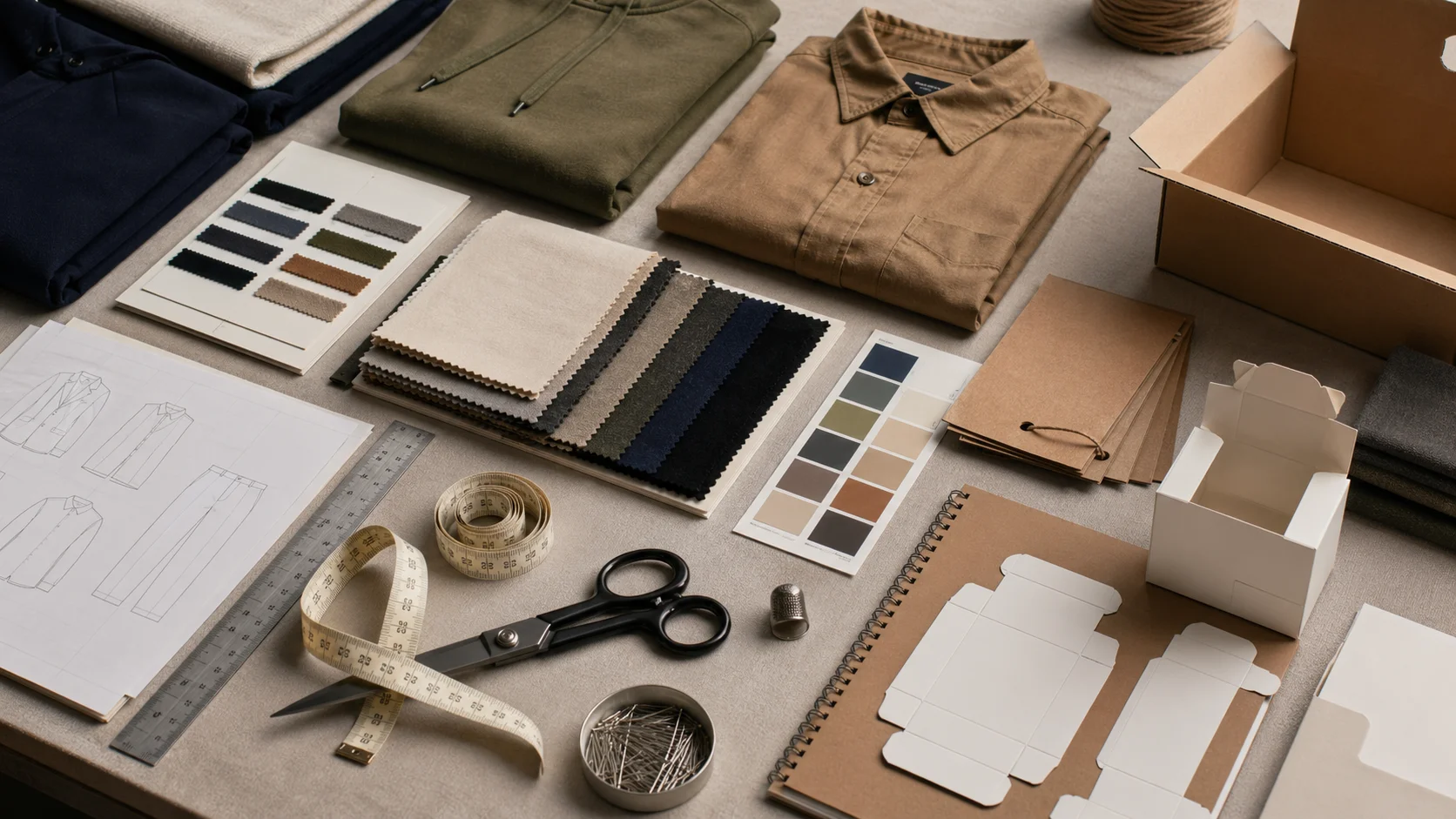
Custom Hoodie Decoration Methods Comparison with checks for samples, fit, MOQ, QC evidence, pricing terms, and delivery risk.
Fast answer: Custom Hoodie Decoration Methods Comparison: Which should be judged by production evidence, not by a generic sourcing promise. The buyer needs sample proof, cost breakdowns, QC checkpoints, and delivery buffers in writing.
Ask for recent sample photos, measurement tolerances, fabric or print test assumptions, decoration test notes, packing examples, and a named inspection checkpoint. These details show whether the team can repeat an approved sample at bulk volume.
Separate garment cost, decoration, labels, packaging, sampling, testing, freight, and rush charges. When every cost line is visible, it becomes easier to reduce colorways, adjust size depth, or reserve more time for sampling.
for custom hoodie decoration methods comparison, the “best” printing technique depends on your design, order quantity, budget, fabric choice, and brand goals. Hoodies are one of the most popular custom apparel items for streetwear labels, corporate uniforms, events, sports teams, schools, and promotional campaigns. Because hoodies are thicker and more structured than T-shirts, not every decoration method performs equally well on them.
Some techniques are ideal for bold logos and large production runs, while others are better for detailed artwork, premium branding, or small batch orders. If you are comparing decoration methods for a hoodie line, the smartest approach is to evaluate each option based on durability, appearance, cost, turnaround time, and garment compatibility.
In this guide, we break down the most common hoodie decoration methods and explain where each one shines. If you want support with production planning or material selection, you can also explore our services or learn more about our manufacturing approach on the about us page.
Before comparing the printing techniques, it helps to understand the main categories of hoodie decoration. Broadly, hoodie branding methods fall into three groups:
Each method creates a different look and feel. Some sit on top of the fabric as a layer, while others become part of the fabric fibers or create raised texture. The best method also depends on whether the hoodie is cotton, polyester, fleece, or a blended fabric. Since hoodies are usually worn casually and frequently washed, decoration durability is especially important.
Screen printing is one of the most widely used methods for custom hoodie decoration. It works by pushing ink through a mesh screen onto the hoodie, one color at a time. This technique is well known for producing vivid, durable prints with strong opacity.
Screen printing is often the best choice for businesses ordering hoodies in bulk. If your design has one to four colors and will be repeated across many garments, this method is usually the most economical. It also performs well on heavyweight fleece hoodies and cotton-rich blends.
Best for: promotional hoodies, sports teams, staff uniforms, event merchandise, and streetwear drops with simple graphics.
Embroidery is not a printing method in the traditional sense, but it is one of the most premium ways to decorate a hoodie. Instead of ink, embroidery uses thread stitched directly into the fabric to create a textured, professional finish.
Embroidery is often selected for branded hoodies used by premium apparel labels, hospitality teams, offices, and retail merchandise lines. It is particularly effective when the design needs to feel refined and upscale. Small embroidered logos placed on the chest, sleeve, or hood are a classic choice.
If your brand values craftsmanship and long-term wear, embroidery can be an excellent option. For many buyers, it is the most attractive decoration method for high-quality fleece hoodies.
Heat transfer printing involves printing a design onto a transfer material and applying it to the hoodie using heat and pressure. This method is versatile and can handle a range of artwork styles, from simple logos to colorful graphics.
Heat transfer is often chosen for custom team hoodies, personalized gifts, and fashion-forward designs that need multiple colors without the cost of screen printing setup. It is a flexible option for short runs and can be especially useful when each hoodie requires a different name, number, or graphic detail.
For buyers looking for speed and versatility, heat transfer can be a practical solution. However, it is important to use high-quality transfer films and proper application settings to ensure longevity.
Direct-to-garment printing uses specialized inkjet technology to print directly onto the hoodie fabric. DTG is known for producing detailed, full-color artwork with smooth gradients and photographic quality.
DTG is a strong choice for indie brands, e-commerce stores, limited edition collections, and artwork-heavy hoodies. Because it prints directly into the fabric, it is often preferred when the designer wants a softer hand feel and more photographic detail.
If you plan to sell hoodies online in smaller quantities or want to test a design before scaling, DTG offers an efficient way to launch without heavy setup investment. That said, it is not always the top choice for high-volume bulk orders.
Dye sublimation uses heat to convert dye into gas so it bonds with polyester fibers. The result is a permanent, vibrant print that becomes part of the material itself. This makes sublimation one of the most durable decoration methods available, but it has important fabric limitations.
Sublimation is not the most common method for standard cotton hoodies, but it can be excellent for performance wear, athletic hoodies, and all-over fashion prints made from polyester. If your brand uses sport-style materials or wants a fully covered design, sublimation is worth considering.
Because of its fabric restrictions, sublimation is a specialized option rather than a universal one. Still, for the right hoodie type, it provides outstanding color and longevity.
Vinyl decoration involves cutting shapes, letters, or graphics from colored vinyl material and applying them to the hoodie with heat and pressure. This technique is common for names, numbers, and simple custom artwork.
Vinyl works well for athletic hoodies, limited custom orders, and designs that need clear personalization. It is especially useful when each hoodie requires a unique number or name. However, for bigger design areas or soft fashion aesthetics, another method may be more suitable.
To make your custom hoodie decoration methods comparison easier, here is a practical breakdown of how the most common techniques compare across the factors that matter most.
Here is a more detailed comparison by category:
The best hoodie decoration method depends on your business objective. A technique that works beautifully for a fashion brand may not be the best option for a company uniform order. Use the following decision points to narrow down your choice.
Different businesses benefit from different hoodie decoration methods. Here are the most common scenarios:
If you are launching a hoodie collection or sourcing for a brand, it helps to speak with a manufacturer that understands both decoration and garment production. You can contact the Fabrikn team through our contact us page to discuss your project requirements, target budget, and production timeline.
Choosing the right decoration method is only part of the process. The quality of the base hoodie, print preparation, fabric selection, and finishing all affect the final result. At Fabrikn, we support B2B clients with custom clothing manufacturing solutions tailored to brand goals, order volumes, and product positioning.
Whether you need bulk screen-printed hoodies, embroidered premium fleece, or small-batch custom pieces, the goal is always the same: deliver consistent quality that matches your brand standards. Our team works with clients to help determine the most suitable decoration method based on design complexity, garment type, and production scale.
For businesses seeking a reliable manufacturing partner, choosing the right hoodie decoration method should not be an afterthought. It should be part of your product strategy from the start.
Get a free quote from Fabrikn — your trusted B2B clothing manufacturer with 10+ years of experience. MOQ as low as 200 pieces.
Get a Free Quote →For most bulk orders, screen printing is the best overall choice because it is durable, cost-effective, and ideal for bold designs. For premium branding, embroidery is often the top option. For detailed artwork or small runs, DTG is usually better.
Embroidery and screen printing generally last the longest when cared for properly. Sublimation is also highly durable, but it is limited to polyester fabrics.
Yes, DTG is good for cotton or high-cotton hoodies, especially when the design is detailed, colorful, or photographic. It is best for smaller quantities rather than large bulk orders.
Screen printing is usually the most cost-effective method for large orders, especially when the design uses only a few colors.
Yes, fleece hoodies can be decorated using screen printing, embroidery, heat transfer, DTG, or vinyl, depending on the fabric blend and design requirements.
Embroidery is often the best choice for premium hoodie brands because it creates a refined, high-end finish. Screen printing can also work well for fashion brands with bold graphics.
Start by considering your design complexity, order quantity, fabric type, budget, and brand image. If you need help comparing options, a manufacturing partner like Fabrikn can guide you to the most suitable solution.