
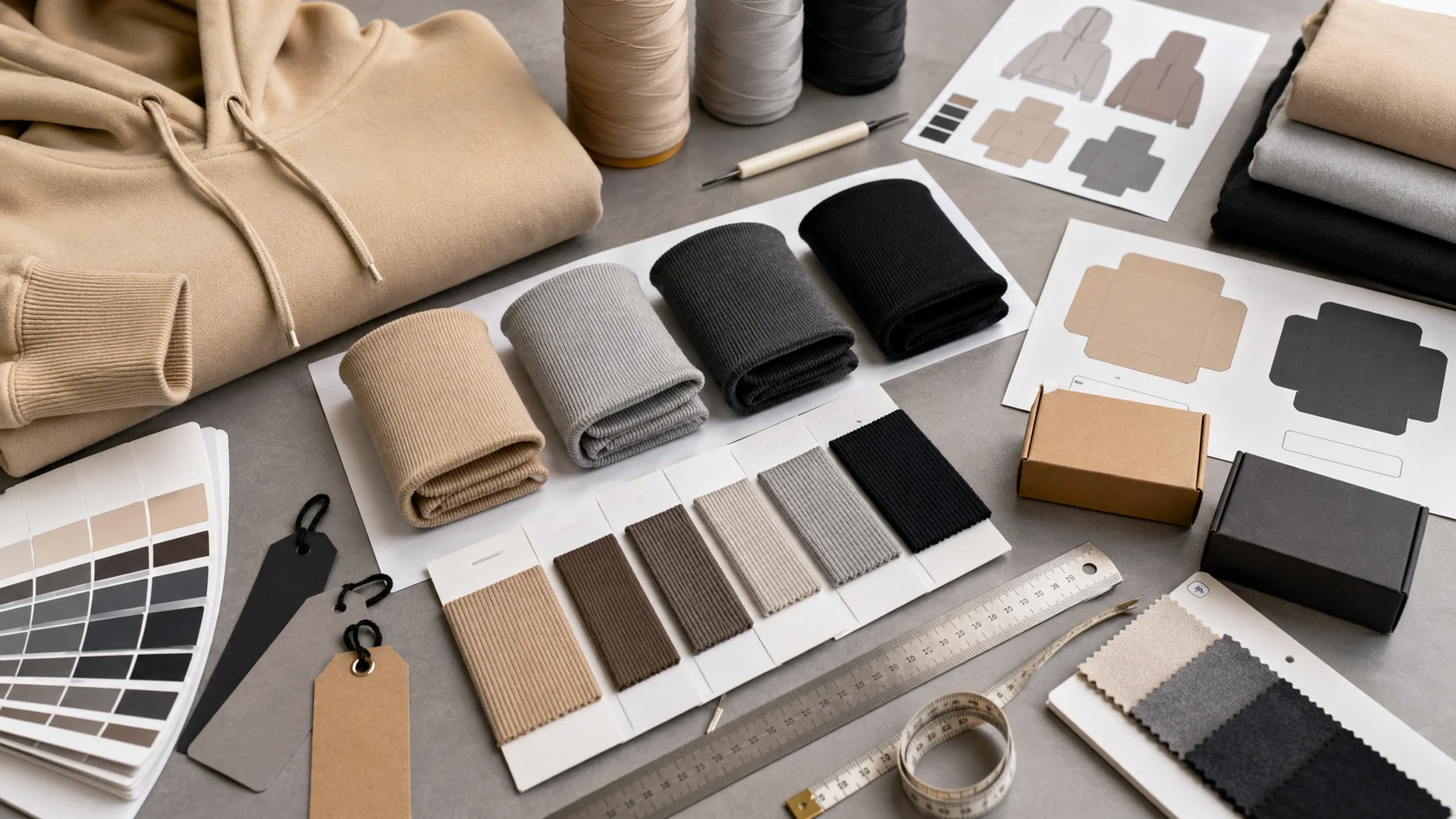
Custom Polo Shirt Manufacturer compared by sample evidence, fabric or trim specs, MOQ, AQL terms, cost lines, delivery timing, and rework responsibility.
Fast answer: Custom Polo Shirt Manufacturer: Sample Fit, Trim, AQL, and Delivery Risk should be judged by production evidence, not by a generic sourcing promise. The buyer needs sample proof, cost breakdowns, QC checkpoints, and delivery buffers in writing.
Ask for recent sample photos, measurement tolerances, fabric or print test assumptions, decoration test notes, packing examples, and a named inspection checkpoint. These details show whether the team can repeat an approved sample at bulk volume.
Separate garment cost, decoration, labels, packaging, sampling, testing, freight, and rush charges. Clear cost lines make it easier to reduce colorways, adjust size depth, or reserve more time for sampling.
If you are searching for a custom polo shirt manufacturer that can deliver better quality, stronger branding, and long-lasting wear, piqué fabric should be at the center of your decision-making process. Polo shirts are one of the most versatile garments in corporate uniforms, promotional apparel, retail collections, sportswear, and hospitality clothing. Their value comes not just from design, but from the fabric structure, fit, and finishing details that determine how the shirt performs in real use.
Piqué fabric has become the classic choice for polo shirts because it combines texture, breathability, durability, and a polished appearance. For brands, that matters. A polo shirt needs to look professional, hold up through repeated washing, and carry logos cleanly without losing shape. A knowledgeable manufacturer can help you choose the right piqué construction, fiber blend, weight, and customization method so your polos look premium and support your brand identity.
In this guide, we will explain what piqué fabric is, why it works so well for polos, how it supports branding, and what to look for in a manufacturing partner. If you want to explore production support, visit our services page or learn more about our company on the about us page.
Piqué fabric is a knit fabric known for its textured surface, often characterized by small raised patterns such as fine cords, waffle-like structures, or geometric dimples. This unique construction gives the fabric a slightly structured appearance while improving airflow and moisture management.
Traditionally, piqué is made from cotton, although modern versions may include polyester, spandex, or other blended fibers to improve performance, stretch, wrinkle resistance, and durability. The fabric is commonly used in polo shirts because it balances comfort with a more refined look than plain jersey knit.
The textured surface also helps piqué fabric hold its shape better than many smooth knits. This is one reason why custom polo shirts made with piqué often appear more premium and presentable, especially for staff uniforms and branded apparel.
Piqué fabric has remained a favorite for polo shirts because it performs well across different industries and use cases. Whether a business needs uniforms for retail staff, hospitality teams, sales personnel, or event crews, piqué polo shirts deliver a professional look without sacrificing comfort.
One of the biggest advantages is breathability. The raised knit structure creates tiny air channels that help circulate air and reduce heat buildup. This makes piqué polos more comfortable for long hours of wear, especially in warm environments or active work settings.
Another major benefit is durability. Compared with some smoother fabrics, piqué tends to resist excessive clinging and maintains its structure after repeated washing. That makes it ideal for companies that need consistent, long-lasting uniforms.
When evaluating a custom polo shirt manufacturer, fabric quality should be one of the first things you assess. Piqué fabric directly influences the shirt’s comfort, durability, visual appeal, and branding performance. A low-grade piqué knit can feel rough, lose shape, or fade unevenly. High-quality piqué, on the other hand, creates a better wearing experience and a more polished brand presentation.
Fabric weight is especially important. Lightweight piqué offers cooler wear and a softer drape, while heavier piqué provides a more structured look. The right option depends on your target audience and use case. For example, retail staff may benefit from a mid-weight premium cotton piqué, while field teams may need a performance blend that manages moisture and supports movement.
Fiber composition also matters. Pure cotton piqué is soft and breathable, but it may wrinkle more easily than blended fabrics. Polyester-cotton blends can improve color retention and reduce shrinkage. Stretch fibers can improve mobility, especially for fitted or activewear-style polos.
Custom polo shirts are more than clothing. They are a branding tool that puts your company identity in front of customers every day. Piqué fabric enhances this role by providing a stable, premium surface for customization and by supporting a polished business-friendly image.
Because piqué has texture and body, it gives embroidered logos a high-end look. Embroidery sits well on the fabric and tends to last longer than many printed applications, making it ideal for long-term uniforms. Piqué polos are also frequently used in environments where professional presentation matters, such as trade shows, hospitality, retail, healthcare support, and corporate events.
When your team wears a well-made piqué polo shirt, the garment does more than show a logo. It signals consistency, professionalism, and attention to detail. These qualities help strengthen customer trust and improve brand recall.
Not every polo shirt uses piqué fabric. Depending on the brand and intended use, manufacturers may also use jersey knit, interlock knit, performance mesh, or blended technical fabrics. Understanding these options can help you select the right material for your collection.
Jersey knit is smoother and often softer to the touch, but it may lack the textured sophistication of piqué. It can be better for fashion-forward or casual polos, but it does not always give the same structured silhouette. Interlock knit offers a denser, smoother surface and can feel more luxurious, though it is usually less breathable than classic piqué.
Performance fabrics are ideal for sports or high-activity work environments because they often include moisture-wicking properties and added stretch. However, they may look more athletic than formal. Piqué remains the most balanced choice when a business wants comfort, durability, and a refined appearance in one garment.
Choosing the right custom polo shirt manufacturer is just as important as choosing the fabric. A strong manufacturing partner should understand not only garment production, but also how fabric choice affects branding, fit, and long-term product performance.
Start by evaluating their fabric sourcing standards. Ask what types of piqué they offer, whether they provide samples, and if they can recommend suitable weights and blends based on your application. A reliable manufacturer should also offer clear guidance on decoration methods, sizing, label options, and packaging.
Production consistency is another key factor. If you are ordering uniforms or a branded collection, every piece should match in color, fit, and finish. Ask about quality control, sampling process, lead times, and minimum order quantities. It is also helpful if the manufacturer can support multiple customization methods and coordinate with your branding goals.
Piqué polo shirts can be customized in several ways, and the right combination depends on your brand identity and intended use. Because the fabric is textured and structured, some decoration methods work better than others.
Embroidery is the most common option because it looks premium and lasts well through repeated washing. It is especially effective for left chest logos, sleeve marks, and small back branding. For more complex graphics or larger branding areas, heat transfer or screen printing may be used, though these methods should be selected carefully to ensure they suit the fabric structure.
Collar design, placket style, button color, cuff finishing, side vents, woven labels, and custom neck prints can all help elevate the garment. These details may seem small, but together they create a more cohesive and memorable branded product.
Even the best-made polo shirt needs proper care to preserve its appearance. For businesses ordering custom uniforms, care instructions are important because they affect how long the garments stay presentable and how well the branding holds up.
Cotton piqué may require slightly more care to avoid shrinkage or fading, while blended fabrics can often be easier to maintain. In general, washing in cold or lukewarm water, avoiding harsh bleach, and tumble drying on low heat can help protect the fabric. Turning the shirt inside out before washing can also help preserve embroidery and printed details.
If your polo shirts are used as uniforms, it is smart to choose a piqué blend that balances comfort with easier maintenance. This reduces replacement costs and helps your team maintain a consistent appearance.
At Fabrikn, we understand that a polo shirt is more than a standard uniform item. It is part of your brand’s daily presence. That is why we focus on helping clients choose the right fabric, fit, and customization options for their specific goals. Whether you need premium corporate uniforms, retail-ready polos, or branded team apparel, we can help guide the production process from concept to delivery.
Our approach emphasizes fabric quality, construction consistency, and brand alignment. We support businesses that need dependable manufacturing with attention to detail. If you are planning a new apparel project and want a partner who can help with product development and production, explore our services or get in touch through our contact us page.
We also value transparency and collaboration. From selecting piqué fabric to choosing embroidery placement and packaging, our goal is to make sure your custom polo shirts support your business image and customer expectations.
Get a free quote from Fabrikn — your trusted B2B clothing manufacturer with 10+ years of experience. MOQ as low as 200 pieces.
Get a Free Quote →Piqué fabric is ideal because it is breathable, durable, textured, and professional in appearance. It works well for uniforms and branded apparel, especially when embroidery is used.
It depends on the goal. Piqué is usually better for a structured, classic polo look with stronger durability and breathability. Jersey is softer and more casual, but less refined.
Yes. Embroidery is one of the best decoration methods for piqué polo shirts because the fabric structure supports a premium finish and long-lasting logo visibility.
A cotton-poly piqué blend is often a strong choice because it combines comfort, breathability, durability, and easier care than pure cotton.
Look for a manufacturer that offers quality piqué options, samples, consistent production, clear communication, and the customization methods that fit your branding needs.
Pure cotton piqué can shrink if not properly pre-shrunk or cared for. Blended fabrics generally offer better shrink resistance and dimensional stability.
You can visit our about us page to learn more about our company and our manufacturing approach.