
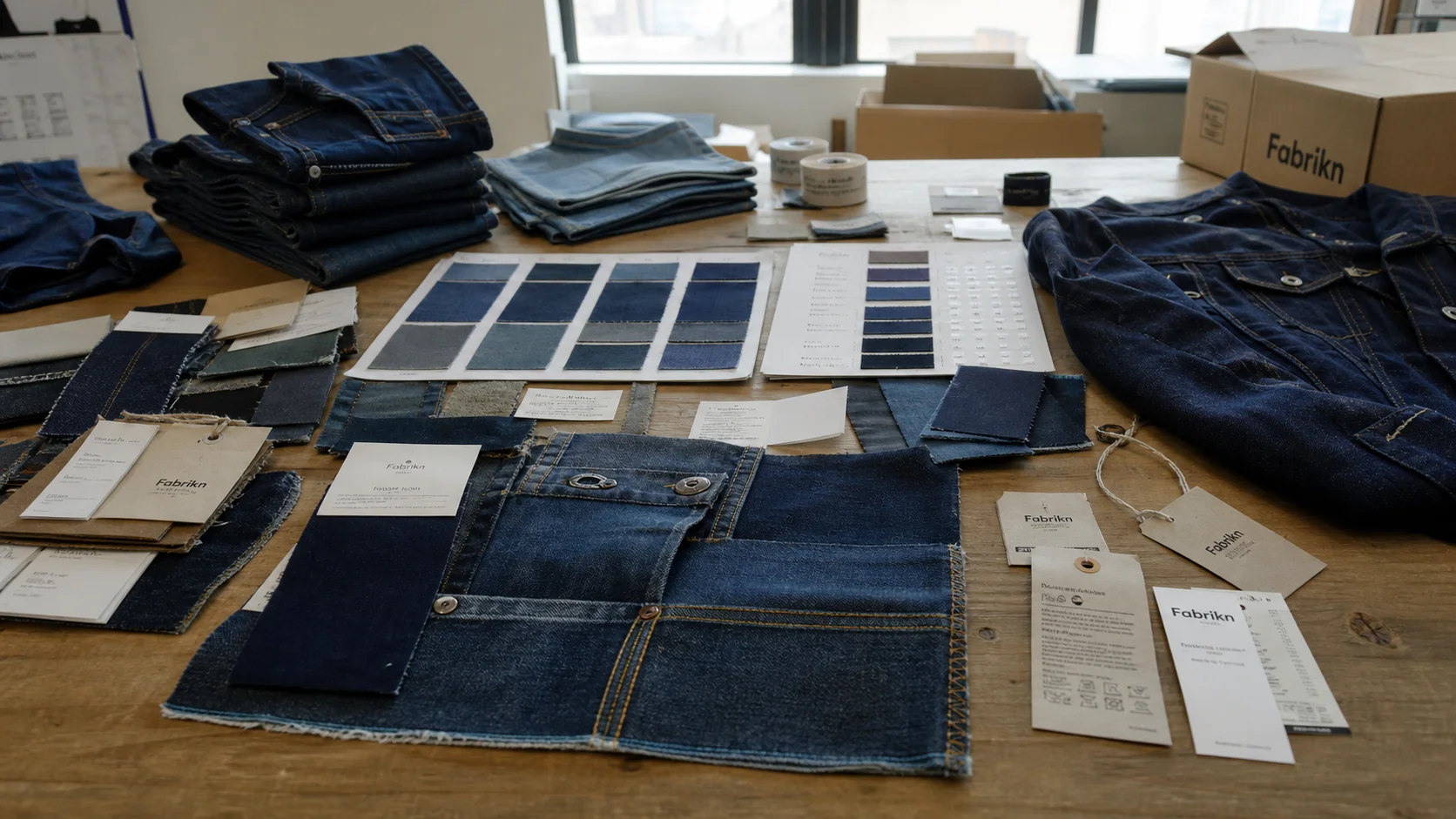
Custom Sublimation Jerseys for Sports Teams with checks for samples, fit, MOQ, QC evidence, pricing terms, and delivery risk.
Fast answer: Custom Sublimation Jerseys for Sports Teams: Samples, Cost Lines, QC, and Delivery Risk should be judged by production evidence, not by a generic sourcing promise. The buyer needs sample proof, cost breakdowns, QC checkpoints, and delivery buffers in writing.
Ask for recent sample photos, measurement tolerances, fabric or print test assumptions, decoration test notes, packing examples, and a named inspection checkpoint. These details show whether the team can repeat an approved sample at bulk volume.
Separate garment cost, decoration, labels, packaging, sampling, testing, freight, and rush charges. When every cost line is visible, it becomes easier to reduce colorways, adjust size depth, or reserve more time for sampling.
If you are looking for a modern, durable, and fully customizable way to outfit your team, custom sublimation jerseys for sports teams are one of the best options available. From youth leagues to professional organizations, sublimated jerseys offer bold graphics, long-lasting color, and design flexibility that traditional decoration methods often cannot match. For brands, schools, clubs, and athletic programs, they also create a cohesive team identity that looks sharp on game day and across the season.
This complete guide explains what sublimation jerseys are, how the process works, the benefits for sports teams, what to consider when designing them, and how to choose the right manufacturer. If you are exploring custom apparel for your team, this article will help you make an informed decision.
Custom sublimation jerseys are athletic garments printed using a heat-based dye process that turns solid dye into gas and embeds it directly into the fabric fibers. Instead of sitting on top of the material like a patch or screen print, the design becomes part of the jersey itself. This means the colors stay vibrant, the artwork remains sharp, and the final product feels lightweight and comfortable.
For sports teams, this is a major advantage. Jerseys can be customized with team colors, player names, numbers, sponsor logos, mascots, and complex graphic patterns without sacrificing performance or comfort. Because the design is embedded into the fabric, sublimated jerseys tend to resist fading, peeling, and cracking better than many other decoration methods.
Whether your team needs basketball jerseys, soccer kits, volleyball uniforms, baseball tops, or training apparel, sublimation allows for high-end customization at scale.
The sublimation process starts with a digital design. That design is printed onto special transfer paper using sublimation inks. The paper is then placed onto the fabric, and heat plus pressure are applied. Under high temperature, the ink turns into gas and bonds with the polyester fibers of the fabric.
This process creates a permanent design that is integrated into the material. Because the ink becomes part of the fabric rather than a surface layer, the jersey keeps a smooth feel and remains breathable. That is why sublimation is especially popular for activewear and team uniforms.
There are a few important things to know about the process:
For teams that need consistency, flexibility, and professional quality, sublimation delivers a strong balance of performance and design freedom.
One of the biggest advantages of custom sublimation jerseys for sports teams is durability. The design does not crack, peel, or fade as quickly as some surface-applied prints. Since the ink is embedded into the fabric, the jersey maintains its look even after repeated washing and intense physical activity.
Sublimation supports bold graphics, intricate patterns, fades, stripes, camouflage effects, and photographic details. This makes it ideal for teams that want a unique identity rather than a basic template. Schools, clubs, and organizations can create jerseys that stand out while still matching brand or team guidelines.
Because there is no heavy ink layer on the surface, sublimated jerseys feel light and breathable. This is especially important for sports where movement, sweat control, and comfort matter. Athletes can perform without being distracted by stiff graphics or thick print areas.
Each jersey can be customized with individual player names, numbers, sponsor branding, and position-specific details. This makes sublimation especially useful for teams that need personalization across a large roster.
A well-designed sublimated jersey gives teams a polished and unified look. This can improve team confidence, enhance brand visibility, and create a stronger impression at competitions, tournaments, and public events.
Although the initial price may vary depending on design complexity and order size, sublimated jerseys often provide good long-term value because they last longer and retain their appearance better than lower-quality alternatives.
Custom sublimation jerseys are used across many sports because they combine performance with design flexibility. Some of the most common sports applications include:
Sublimation is especially useful for sports that require lightweight, breathable uniforms with strong visual identity. Teams can match their colors and create consistent branding across jerseys, shorts, warm-up gear, and accessories.
Designing effective custom sublimation jerseys requires more than choosing colors and placing a logo. A strong jersey should balance visual impact, readability, comfort, and team identity.
Start with your official team colors and brand style. The jersey should instantly reflect the team’s identity while remaining visually clean and recognizable. If you have a school, club, or sponsor brand guide, use it to keep logos, fonts, and colors consistent.
Decide where the main team logo, sponsor logos, and secondary marks will appear. Common placement areas include the chest, sleeves, shoulders, back yoke, and side panels. Make sure the layout does not overcrowd the jersey.
Readability is essential. Numbers should be large enough to be seen from a distance and positioned where they won’t clash with strong graphic elements. Choose fonts that are athletic, clear, and easy to recognize during play.
Sublimation gives teams the ability to use dynamic graphics, but too much detail can make a jersey look busy. A balanced design often works best. Use gradients, stripes, or custom patterns as accents rather than overwhelming the main branding.
A jersey is not just a visual product. It must also support movement. Consider the sport, season, and athlete preference when selecting the fit. Some teams prefer a slim athletic cut, while others need a more relaxed fit for comfort and layering.
Many sports teams need both home and away jerseys. Sublimation makes it easier to create coordinated variations that use the same design language while adjusting color contrast for competition requirements.
The best material for sublimation is polyester because it bonds well with sublimation inks and performs well in athletic settings. In general, 100% polyester or high-polyester blends are preferred for team jerseys.
Key material features to look for include:
Different sports may require different fabric textures. For example, mesh polyester works well for ventilation, while smoother performance knits may provide a more premium feel. A good manufacturer will recommend the right fabric based on your sport, design, and budget.
If you want to learn more about custom production support, visit our services page to see how Fabrikn helps teams and brands develop tailored apparel solutions.
When choosing jersey decoration methods, it helps to understand how sublimation compares to other common techniques.
Sublimation is ideal for all-over graphics, unlimited colors, and full customization. It offers a soft hand feel and strong durability. It works best on polyester garments.
Screen printing is a solid choice for simple logos and limited-color designs. However, it can feel heavier on the garment, and large prints may crack or fade over time. It is less flexible for complex patterns or full customization.
Heat transfer works well for names, numbers, and short-run personalization. It can be cost-effective for smaller orders but may not provide the same level of durability or breathability as sublimation.
For sports teams that want high design freedom and long-term performance, sublimation is often the preferred option.
Ordering custom sublimation jerseys for sports teams is usually straightforward when you work with an experienced manufacturer. A typical process looks like this:
Before placing an order, ask about minimum order quantities, lead times, size availability, and customization options. It is also wise to request a sample or prototype if you want to check fabric quality and design accuracy before full production.
If you are ready to discuss your project, you can contact our team to start the conversation.
Choosing the right manufacturer is one of the most important decisions in the process. The quality of your sublimated jerseys depends on materials, printing accuracy, stitching, pattern engineering, and communication.
Here are key factors to evaluate:
It also helps to choose a partner that understands both customization and brand presentation. For more background on who we are and how we work, you can visit our about us page.
At Fabrikn, we work with businesses, organizations, and teams that need reliable custom clothing solutions. If you are developing custom sublimation jerseys for sports teams, our goal is to help you move from concept to finished product with clarity and confidence.
We understand that sports apparel needs to perform under pressure while still looking professional. That means paying attention to the smallest details, from color accuracy and fabric selection to sizing consistency and branding placement. Whether you are building a single team uniform set or outfitting an entire program, Fabrikn can support your production needs with a B2B approach built around quality and service.
Explore our services to see how we support custom clothing projects, or reach out through our contact page to discuss your needs.
If you want your sublimated team jerseys to look great and perform well, keep these practical tips in mind:
Small decisions early in the process can have a big impact on the final result. Working with an experienced manufacturer helps reduce mistakes and ensures the uniforms match your team’s expectations.
Custom sublimation jerseys for sports teams are more than just uniforms. They are tools for identity, performance, and presentation. With vibrant full-color designs, strong durability, and lightweight comfort, sublimation offers a modern solution for teams that want both function and style.
For coaches, athletic directors, club managers, schools, and organizations, sublimated jerseys make it easier to deliver a professional image while meeting the practical demands of the game. When paired with the right manufacturer, the result is a high-quality jersey that supports your team on and off the field.
Get a free quote from Fabrikn — your trusted B2B clothing manufacturer with 10+ years of experience. MOQ as low as 200 pieces.
Get a Free Quote →The biggest advantage is that the design becomes part of the fabric, which creates a durable, lightweight jersey with vibrant colors and long-lasting print quality.
Yes. Sublimation is ideal for personalizing jerseys with individual names, numbers, sponsor logos, and team branding.
Yes. They are breathable, lightweight, and comfortable, making them a strong choice for athletic performance and active competition.
Polyester is the preferred fabric because sublimation inks bond well with its fibers. Moisture-wicking polyester performance fabrics are especially popular for sports teams.
They are designed to resist fading better than many traditional print methods. Proper washing and care will help maintain the jersey’s appearance for longer.
Yes. Many teams order full uniform sets, including jerseys, shorts, and warm-up pieces, with consistent branding and design elements.
You can begin by contacting our team through the contact page. We can discuss your sport, design requirements, quantity, and production timeline.