
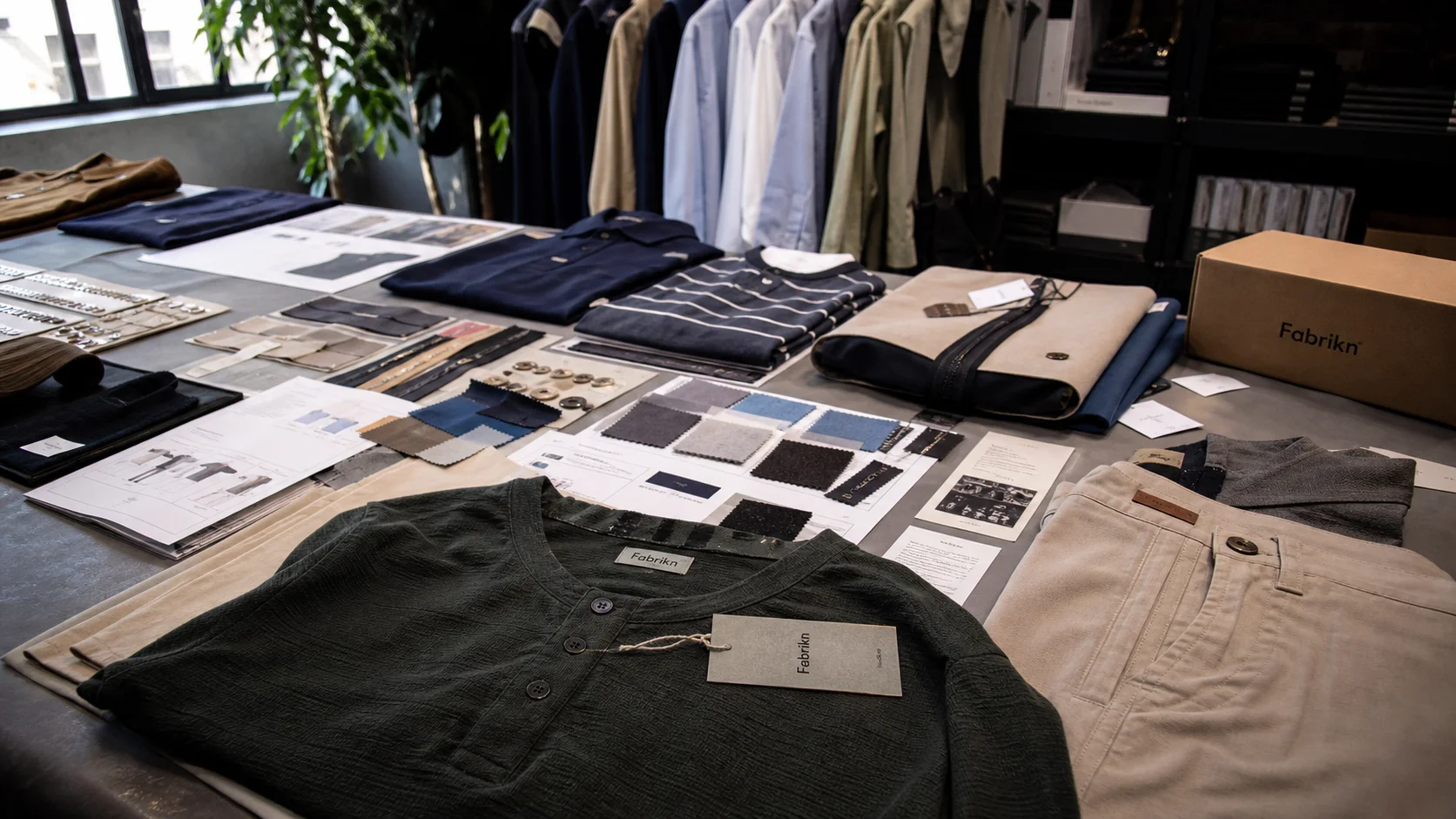
Eco Friendly Packaging Ideas for Fashion Ecommerce with checks for samples, fit, MOQ, QC evidence, pricing terms, and delivery risk.
Fast answer: Eco Friendly Packaging Ideas for Fashion Ecommerce should be judged by production evidence, not by a generic sourcing promise. The buyer needs sample proof, cost breakdowns, QC checkpoints, and delivery buffers in writing.
Ask for recent sample photos, measurement tolerances, fabric or print test assumptions, decoration test notes, packing examples, and a named inspection checkpoint. These details show whether the team can repeat an approved sample at bulk volume.
Separate garment cost, decoration, labels, packaging, sampling, testing, freight, and rush charges. When every cost line is visible, it becomes easier to reduce colorways, adjust size depth, or reserve more time for sampling.
Eco Friendly Packaging Ideas for Fashion EcommerceFashion ecommerce has changed the way people shop, but it has also increased the amount of packaging used to move garments from warehouse to doorstep. Customers now expect their orders to arrive quickly, safely, and in packaging that reflects the values of the brand they are buying from. For many shoppers, sustainability is no longer a nice-to-have. It is part of the purchasing decision.
Eco friendly packaging ideas for fashion ecommerce are not just about reducing waste. They can improve brand perception, strengthen customer loyalty, reduce shipping inefficiencies, and support long-term business goals. In a category where presentation, unboxing, and repeat purchases matter, packaging is a direct extension of the brand experience.
For fashion brands, sustainable packaging also sends an important message. It shows that the company is considering the full lifecycle of its products, from production to delivery. This is especially relevant when brands are working to appeal to environmentally conscious consumers, wholesale partners, and investors who care about ESG performance.
Before choosing materials or packaging formats, it helps to understand the basic principles of eco friendly packaging. These principles make it easier to balance sustainability with durability, branding, and cost.
The most sustainable package is often the one that uses the least amount of material while still protecting the product. This means avoiding oversized boxes, unnecessary inserts, and extra layers that do not add value.
Materials that can be easily recycled or composted help reduce waste and simplify disposal for customers. The easier the end-of-life process, the more practical the packaging becomes.
Packaging made from multiple bonded materials can be difficult to recycle. Whenever possible, choose single-material solutions or design components so they can be separated easily.
Using recycled paper, recycled cardboard, or plant-based alternatives can reduce the demand for virgin raw materials. This is one of the most effective ways to make packaging more sustainable without changing the entire fulfillment process.
Reusable packaging can work well for premium fashion labels, subscription models, and return-friendly ecommerce brands. Even small reuse opportunities can lower waste over time.
Below are practical eco friendly packaging ideas for fashion ecommerce brands that want to lower environmental impact without sacrificing style or customer experience.
Recycled cardboard mailers are one of the most popular sustainable options for apparel shipping. They are sturdy, lightweight, and widely recyclable. For brands shipping folded t-shirts, leggings, accessories, or lightweight garments, this is often a smart first step.
Mailers made from post-consumer recycled content help reduce the need for virgin fiber. They can also be printed with minimalist branding to keep the visual experience clean and premium.
Kraft paper boxes are a classic choice for eco conscious fashion packaging. Their natural look communicates simplicity and sustainability, while the box structure offers strong protection during transit. They work especially well for premium clothing, gift orders, and multi-item purchases.
Uncoated kraft boxes are typically easier to recycle than heavily laminated or glossy alternatives. If you want a more elevated look, you can use subtle embossing, one-color printing, or a recyclable paper sleeve instead of full box coverage.
For soft goods that do not require rigid protection, compostable mailers can be a strong alternative to conventional plastic mailers. These mailers are often made from plant-based materials designed to break down under specific composting conditions.
Brands should be careful to communicate disposal instructions clearly, since compostability depends on the right facility and conditions. If you use this option, include simple customer guidance so the sustainability benefit is actually realized.
Tissue paper is often used for presentation, but it does not need to be wasteful. Recycled tissue paper lets fashion brands maintain a premium unboxing experience while reducing material impact. It can be printed with water-based inks or left unprinted for a minimal look.
Use tissue paper to wrap garments neatly rather than overpacking the box. A clean fold and a branded sticker can create a refined impression with less material than layered inserts or plastic wrap.
Traditional plastic garment bags are being replaced by paper-based versions in many fashion operations. These are especially useful for hanging garments, outerwear, and retail-to-ecommerce fulfillment models. Paper garment bags protect clothing from dust and moisture while offering better recyclability than single-use plastic alternatives.
For luxury brands, paper garment bags can be customized to look polished and high-end without adding unnecessary environmental burden.
Packaging tape is often overlooked, but it matters. Switching to paper-based tape or using less tape overall can make boxes easier to recycle. Minimalist branded tape also reinforces identity without requiring full box printing.
When the tape itself is recyclable or fiber-based, the package stays cleaner from a sustainability standpoint. It also reduces the visual clutter that can make a package feel less premium.
Reusable cotton, organic cotton, or recycled fabric drawstring bags can work well for premium apparel, accessories, or special collections. These bags extend the life of the packaging beyond the original shipment and can be reused for storage, travel, or returns.
This option is particularly effective for brands that want packaging to double as a keepsake. It is not always the cheapest route, but it can increase perceived value and encourage repeat use.
If your products need internal support, choose corrugated paper inserts, molded pulp, or paper dividers instead of foam or plastic fillers. These options protect items during shipping while remaining more recyclable and often easier to source sustainably.
Fashion brands shipping shoes, accessories, gift sets, or delicate garments can benefit from inserts that prevent movement without creating waste.
Printing can undermine the sustainability of packaging if it relies on heavy ink coverage, plastic coatings, or harsh finishing. Water-based inks and simple print layouts help lower environmental impact while keeping visuals sharp and tasteful.
Using fewer print colors can also reduce production complexity and cost. In many cases, a clean logo and short brand message are enough to create a premium presentation.
One of the easiest eco friendly packaging ideas for fashion ecommerce is right-sizing. This means choosing packaging that closely matches the dimensions of the product or order. Right-sized packaging reduces void fill, lowers material usage, and can cut shipping costs because smaller parcels often weigh less and take up less space.
It also improves the customer experience. A package that fits the product well feels more intentional and professional than one that is far too large.
Fashion ecommerce often includes returns, so packaging should support the return process without generating additional waste. A return-ready design can make it easier for customers to send items back using the original packaging.
This might include resealable adhesive strips, durable mailers, or box designs with a second seal. Making returns simpler can increase buyer confidence while reducing the need for extra packaging materials.
A modular approach uses a few standardized packaging components for multiple product types. Instead of having a different box for every item, you can create a flexible system with one outer mailer, one tissue wrap, and one insert format that works across categories.
This reduces sourcing complexity, simplifies inventory management, and can help minimize waste from over-customized packaging runs. Modular systems are especially useful for growing fashion ecommerce brands that want consistency at scale.
Many fashion brands worry that eco friendly packaging will look plain or less luxurious. In reality, sustainability and premium presentation can work together very well. The key is thoughtful design.
Instead of relying on expensive finishing or excessive packaging layers, focus on the tactile and visual details that matter most: texture, color, typography, and structure. Natural materials often create a more authentic and refined impression than glossy, overdesigned packaging.
Luxury often comes from restraint. When the packaging feels intentional and refined, customers notice the quality without needing excess material.
If your brand is working on a larger packaging strategy, it may help to explore manufacturing support through Fabrikn services to align product quality with packaging presentation from the start.
One reason brands hesitate to switch to sustainable packaging is cost. However, eco friendly packaging does not always mean higher spending. In some cases, it can reduce costs by lowering shipping weight, minimizing material usage, and simplifying logistics.
It is also important to look at total cost, not just purchase price. A slightly more expensive mailer may save money through reduced damages, lower return rates, and better customer retention.
Operationally, sustainable packaging should be easy for warehouse teams to assemble and ship. If packaging is complex, it can slow fulfillment and increase labor costs. Simplicity is often the most scalable option.
Choosing the right material is one of the most important decisions in packaging design. The best material depends on the product, shipping distance, brand positioning, and customer expectations.
For most fashion ecommerce brands, paper-based options are the easiest to adopt because they are familiar, recyclable, and versatile. If you want to reduce environmental impact while maintaining a polished look, paper and recycled fiber materials are usually a strong starting point.
Brands with premium positioning may also benefit from custom garment packaging solutions that combine sustainable materials with tailored construction. This is where working with an experienced manufacturing partner can make a major difference.
Even well-intentioned sustainable packaging programs can fail if they are not designed carefully. Here are some common mistakes to avoid.
Some materials are marketed as eco friendly but still create problems at disposal time. Coated papers, mixed plastics, and hard-to-separate components can reduce recyclability. Always verify end-of-life claims.
Too much packaging defeats the purpose of sustainability. Extra tissue, oversized boxes, and decorative inserts may look attractive, but they increase waste and add cost.
Sustainability should not make the package feel cheap or careless. If the package arrives damaged or messy, the customer experience suffers. Sustainable design should still protect the garment and present it well.
If customers do not know how to recycle or compost the packaging, the sustainability benefits may be lost. Simple printed instructions can improve proper disposal.
Switching packaging materials, sizes, inserts, and printing all at once can make it difficult to control quality and cost. It is often better to test one change at a time.
Rolling out eco friendly packaging ideas for fashion ecommerce is easier when you use a structured approach.
List every material you currently use, from mailers and boxes to tape and inserts. Identify where waste is highest and where packaging can be simplified.
Are you trying to reduce waste, lower shipping costs, strengthen branding, or meet sustainability commitments? Clear goals make it easier to choose the right materials.
Order samples and test them with real products. Check durability, weight, appearance, ease of packing, and customer reaction.
Your fulfillment team should be involved early. If packaging is awkward to assemble or slows operations, it may create more problems than it solves.
Once you choose your packaging, make sure your website, product pages, and inserts explain your sustainability approach clearly. Transparency builds trust.
Track damage rates, shipping costs, customer feedback, and repeat purchase behavior. Sustainable packaging should deliver practical benefits, not just visual appeal.
If you are planning a larger brand or packaging refresh, the team at Fabrikn can help you align product manufacturing and presentation. You can also reach out through our contact page to discuss custom solutions.
At Fabrikn, we understand that packaging is part of the garment experience, not an afterthought. Fashion ecommerce brands need packaging that supports product protection, brand storytelling, and sustainability goals all at once.
Whether you are launching a new collection, refining your fulfillment process, or upgrading to more responsible materials, choosing the right packaging partner matters. With the right support, you can create a packaging system that feels premium, functions reliably, and aligns with your environmental values.
If you want to learn more about our background and approach, visit our about page. If you need help with production, sourcing, or custom apparel solutions, explore our services.
Eco friendly packaging ideas for fashion ecommerce are not limited to one material or one aesthetic. The best solutions combine thoughtful design, efficient logistics, and responsible material choices. From recycled mailers and kraft boxes to reusable bags and right-sized packaging, there are many practical ways to reduce waste while enhancing your brand.
For fashion ecommerce businesses, sustainable packaging is both a customer expectation and a competitive advantage. It helps communicate brand values, supports better operations, and creates a more memorable unboxing experience. When done well, it proves that sustainability and style can go hand in hand.
Get a free quote from Fabrikn — your trusted B2B clothing manufacturer with 10+ years of experience. MOQ as low as 200 pieces.
Get a Free Quote →The most eco friendly option is usually the one that uses the least material while still protecting the product. For many fashion brands, recycled cardboard mailers, kraft boxes, and recycled tissue paper are effective choices.
Compostable mailers can be better than conventional plastic mailers if customers have access to proper composting facilities and disposal instructions are clear. If not, recyclable paper-based alternatives may be more practical.
Use clean design, quality paper-based materials, subtle branding, and restrained printing. Premium packaging does not require excessive layers; it requires thoughtful presentation.
Not always. Right-sized and lightweight packaging can actually lower shipping costs. Costs depend on material choice, order volume, and package dimensions.
Return-ready mailers or resealable boxes are ideal for fashion ecommerce. They allow customers to reuse the original packaging, which reduces waste and improves convenience.
Check the material composition and whether the package uses coatings, adhesives, or mixed materials that may complicate recycling. When in doubt, ask your packaging supplier for clear recyclability guidance.