
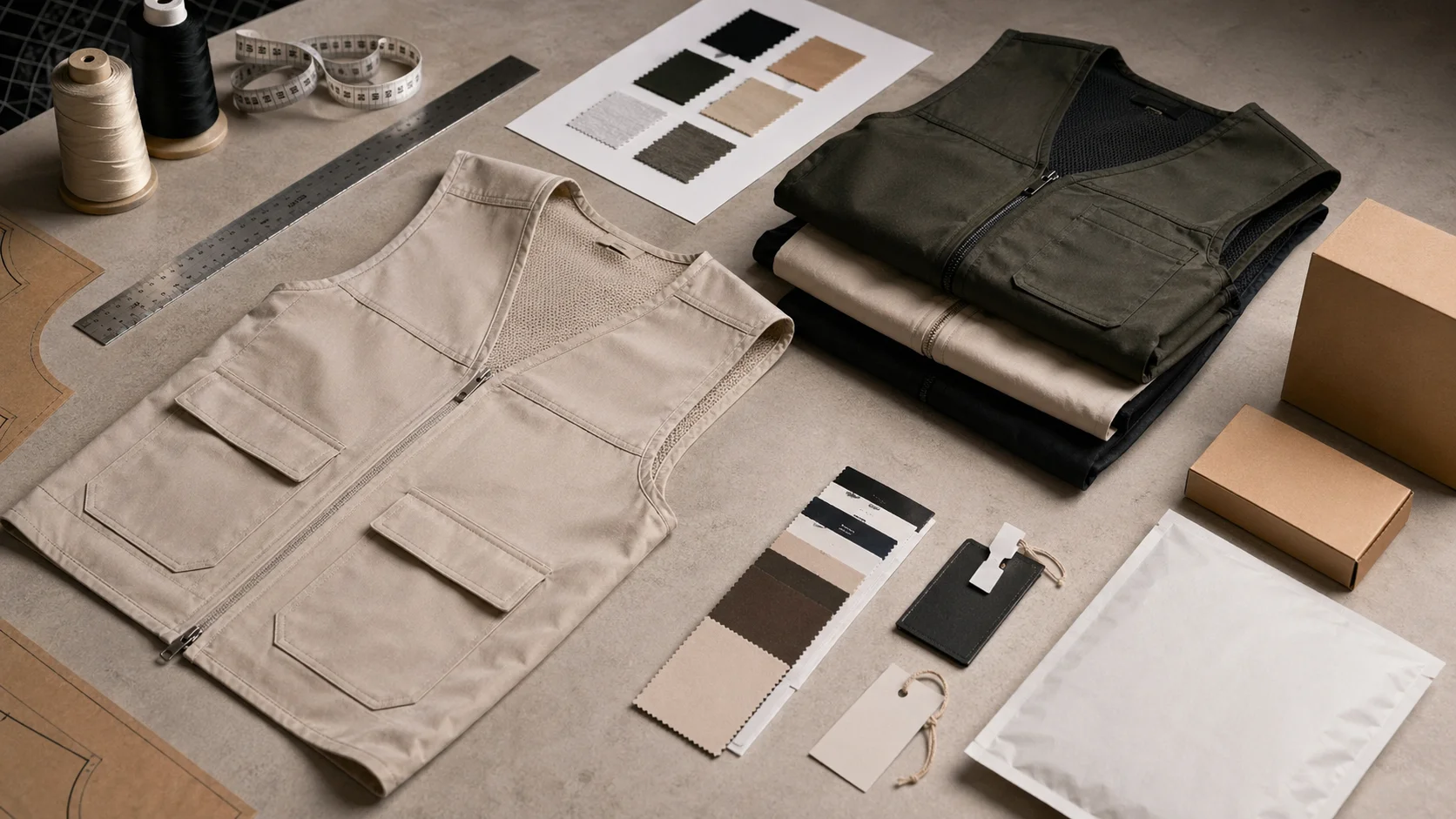
Factory Lead Time for Bulk Jackets with checks for samples, fit, MOQ, QC evidence, pricing terms, and delivery risk.
Fast answer: Factory Lead Time for Bulk Jackets: Planning Production should be judged by production evidence, not by a generic sourcing promise. The buyer needs sample proof, cost breakdowns, QC checkpoints, and delivery buffers in writing.
Ask for recent sample photos, measurement tolerances, fabric or print test assumptions, decoration test notes, packing examples, and a named inspection checkpoint. These details show whether the team can repeat an approved sample at bulk volume.
Separate garment cost, decoration, labels, packaging, sampling, testing, freight, and rush charges. When every cost line is visible, it becomes easier to reduce colorways, adjust size depth, or reserve more time for sampling.
For clothing brands seeking to launch or grow their outerwear line, especially jackets, understanding factory lead time is critical. Factory lead time refers to the duration between confirming a purchase order and the shipment of finished garments. This timeframe includes steps such as fabric sourcing, pattern development, cutting, sewing, quality inspection, and packaging. When working with a manufacturing partner like Fabrikn, planning around factory lead time ensures that bulk jacket orders are completed on schedule without compromising on quality or compliance.
Beyond simple scheduling, factory lead time impacts inventory turnover, cash flow, and the ability to respond to demand fluctuations. For a brand launching seasonal collections, it is essential to stack these timelines against seasonal promotions, trade shows, and retail launch dates. Bulk jacket orders are a commitment from both brand and factory, requiring precise coordination from the initial design concept through to final delivery.
The fabrics, trims, and hardware required for jackets often have longer lead times than the manufacturing process itself. Specialty performance fabrics or sourced eco-friendly materials might take weeks or even months to procure, depending on demand and global supply chain conditions. Jacket linings, zippers, buttons, and fills like insulation are all parts that need to be coordinated with suppliers ahead of production to minimize delays.
Complex jacket silhouettes, intricate quilting, or custom hardware add to the timeline. Each additional feature usually requires more samples, prototypes, and sometimes specialized machinery or skilled labor. Brands that opt for elaborate detailing should account for extra rounds of fittings and refinement. Working with a partner like Fabrikn, which has experience handling custom outerwear, means built-in project managers can help mitigate these complexities by sequencing tasks optimally.
Factories schedule capacity months in advance, particularly for apparel and outerwear. A bulk jacket order’s size directly impacts available capacity. Large orders might require reserved production lines, which should be booked well ahead of time. Conversely, smaller-volume specialty collections may be easier to insert into existing schedules, but lead time can still stretch if the timing coincides with peak manufacturing seasons.
Developing a bulk jacket involves one or more sample rounds. The proto sample validates fit and construction, while pre-production samples are approved right before bulk cutting. Sampling isn’t optional; it is critical to keep quality consistent and minimize rework. However, each sampling round extends overall lead time. A well-organized sampling process with clear approvals, timely feedback, and constructive collaboration usually results in faster progression into mass production.
Compliance with industry standards and brands’ own quality benchmarks takes time. Fabrikn ensures that materials meet regulatory requirements and that garment construction passes rigorous quality inspections. Compliance documentation, lab testing (for flammability, colorfastness, etc.), and final quality checks can add days or weeks to lead time but they protect your brand’s reputation and reduce costly recalls.
Once jackets are manufactured, shipping to distribution centers or retailers adds another layer. Lead time figures should always include first-mile movement from the factory. The location of the manufacturing facility influences logistics. If the factory is located offshore, brands must consider sea freight schedules, customs clearance, and inland transport, all of which can inflate lead time if not anticipated properly.
Production for bulk jackets should follow a timeline with defined milestones. After design sign-off and material sourcing, set dates for proto sample delivery, fit approvals, fabric arrival, cutting, mid-line checks, finishing, packing, and shipment. A detailed timeline helps marketing, sales, and fulfillment teams align their efforts. It also highlights potential bottlenecks early enough to resolve them proactively.
Jacket launches often hinge on seasonal demand. If you intend to release a winter collection, work backward from your target launch date, factoring in pre-launch marketing and retail placement. Incorporating the full lead time for bulk jackets—often 90 to 120 days depending on complexity—ensures that product hits shelves in time for key sales periods. Also, build in a buffer for unexpected delays.
Demand forecasting helps determine how many jackets to order. Too many can drain working capital, while too few can limit growth. Forecasting should consider historical data, marketing plans, and market trends. Brands can work with Fabrikn’s advisory teams to translate forecasts into viable production plans, ensuring the requested lead time matches the desired order volume.
An agile production plan relies on transparent communication. Regular check-ins with factories help identify potential hiccups early. Response time from the brand impacts how quickly the factory can progress past approvals and adjustments. Using collaborative tools like shared production schedules and digital tech packs makes communication streamlined. Efficient dialogue between the brand and the factory will help maintain the timeline for bulk jacket production.
Fabrikn’s structure as a B2B clothing manufacturer is built to support brands through every phase of the production lifecycle. From early concept validation to final packaging, the Fabrikn team helps brands understand lead time implications and maintain high standards. By working directly with experienced production coordinators, designers, sourcing specialists, and QA teams, brands can optimize their bulk jacket manufacturing schedule.
Fabrikn provides transparent visibility into each lead time component. Through project dashboards, brands can view milestone status updates, material procurement progress, and shipping readiness. This transparency allows for intelligent decision-making and reduces surprises, especially when dealing with larger bulk orders where even small delays can ripple through the entire production calendar.
Whether your brand is launching 500 jackets or 5,000, Fabrikn scales accordingly by adjusting production cell sizes and allocating the right workforce. Leveraging advanced manufacturing systems and continuous improvement partnerships ensures consistent output without sacrificing quality. Brands can plan their lead times confidently knowing that Fabrikn can adapt to their volume requirements.
Pre-production is often the most time-consuming stage, particularly for customized jackets. Fabrikn streamlines this stage through thorough tech-pack reviews, digital fittings, and mock-ups. The goal is to iron out any issues before mass production begins, shortening lead time during the later stages. Efficient pre-production also mitigates the risk of costly rework that could derail the schedule and increase lead time.
Jacket fit is one of the most critical quality attributes, as it directly impacts customer satisfaction. Fabrikn’s fit labs expedite sample approvals by providing precise fit feedback and leveraging digital tools to simulate adjustments before physical samples are produced. By rotating sampling rounds logically and ensuring quick sign-off windows, lead time for bulk jackets can stay within projected timelines.
Brands seeking to learn more about Fabrikn’s offerings can explore the comprehensive services page for insight into how the company supports apparel production from design to delivery. The transparent information on the site supports planning and decision-making.
Every clothing brand balances speed to market with quality expectations. Rushing the production of bulk jackets can lead to problems like inconsistent stitching, color bleeding, or construction defects, which damage the brand’s credibility. Conversely, taking too long can cause inventory backlogs and missed retail opportunities. The key is to strike a balance informed by data and experience.
Outerwear, especially jackets with insulation, multiple layers, or technical features, requires additional scrutiny. Reasonable lead time expectations might range from 10 to 16 weeks, depending on the complexity and the brand’s level of customization. Fabrikn enforces quality checkpoints at every step, ensuring that the timeline includes necessary inspections and avoids last-minute rushes.
Brands can optimize lead time by focusing on critical touchpoints. For instance, expediting material approvals and sample reviews can shave several weeks off total lead time. Fabrikn’s teams help prioritize these areas and offer recommendations. Expediting should still align with the brand’s overall quality framework to ensure performance standards are met.
Digital tools such as PLM systems, collaborative tech packs, and digital fittings enhance efficiency while preserving detail. They reduce manual back-and-forth and minimize human error. Fabrikn integrates these technologies into its workflows, which translates into tighter schedule control and shorter timelines without sacrificing craftsmanship.
After production ends, jackets must move through logistics. Many brands overlook this portion of lead time, yet it is essential for a reliable launch. Fabrikn assists with distribution strategies, ensuring shipping arrangements are coordinated with production completion dates.
Domestic fulfillment is generally faster, consuming a few days to a couple of weeks, depending on distance and freight method. International shipping, particularly via sea freight, can add several weeks. Brands should choose logistics partners with experience handling apparel shipments to minimize delays. For expedited needs, options like air freight are available but come at higher cost, which should be factored into the timing decision.
When shipping across borders, customs clearance can extend lead time if documents are incomplete. Fabrikn’s logistics coordinators ensure that paperwork is accurate, and products are correctly classified to avoid hold-ups. Clear communication on customs documentation from your side is critical; providing detailed commercial invoices and certificates expedites the clearance process.
With longer lead times, brands must think ahead for distribution. Consider whether jackets are going directly to direct-to-consumer fulfillment centers, retail partners, or pop-up events. Aligning logistics with promotional calendars requires precise delivery timing. Fabrikn helps coordinate shipping windows and provides updates so your inventory team knows when to expect goods.
Even with meticulous planning, unexpected changes occur. Successful brands build flexibility into their production schedules, allowing for adjustments while keeping lead times manageable.
While it’s tempting to plan with exact dates, adding buffer time to critical milestones buffers allows for unforeseen changes. For example, if sampling is expected to take two weeks, planning for three provides headroom for revisions. Fabrikn advises brands to build these allowances proactively, reducing stress and preserving relationship quality.
Market demand can fluctuate, so brands should be prepared to scale production up or down within reason. Working with Fabrikn enables dynamic adjustments, as the factory can re-prioritize jobs and reallocate resources when feasible. While large shifts may impact lead time, transparent communication ensures both parties align on new expectations.
Contingency planning includes preparing alternate materials, backup shipping methods, and flexible staffing in the factory. Materials can sometimes be sourced from multiple suppliers to avoid single points of failure. With Fabrikn’s established supplier network, brands benefit from contingency resources, helping maintain lead times even when issues arise.
A strategic production calendar maps orders, marketing launches, and supply touchpoints. Fabrikn can collaborate with brands during calendar planning phases to visualize how jacket production fits into the larger business timeline. Taking this macro view preempts conflicts and ensures all stakeholders are aligned on the lead time expectations.
Get a free quote from Fabrikn — your trusted B2B clothing manufacturer with 10+ years of experience. MOQ as low as 200 pieces.
Get a Free Quote →What is the typical lead time for producing bulk jackets?
Lead time varies by complexity but generally ranges from 90 to 120 days, including sourcing, sampling, manufacturing, quality checks, and shipping. Fabrikn provides detailed milestones to help you plan.
How can I reduce lead time without compromising quality?
Expedite critical approvals, streamline sample reviews, use established fabrics and trims, and maintain clear communication with your manufacturing partner. Fabrikn supports this through collaborative tools and proactive production coordination.
What should I do if there's an unexpected delay?
Communicate immediately with your Fabrikn team so they can adjust the production plan and re-align logistics. Having buffers and contingencies in place also helps minimize the impact.
Can Fabrikn handle large bulk orders for jackets?
Yes, Fabrikn scales production based on order size while maintaining quality standards. Visit the about-us page to learn more about the company’s capabilities.
How do I start a production project with Fabrikn?
Reach out via the contact-us page to share your project details. Fabrikn’s team will guide you through the process, from initial sourcing to final delivery.