
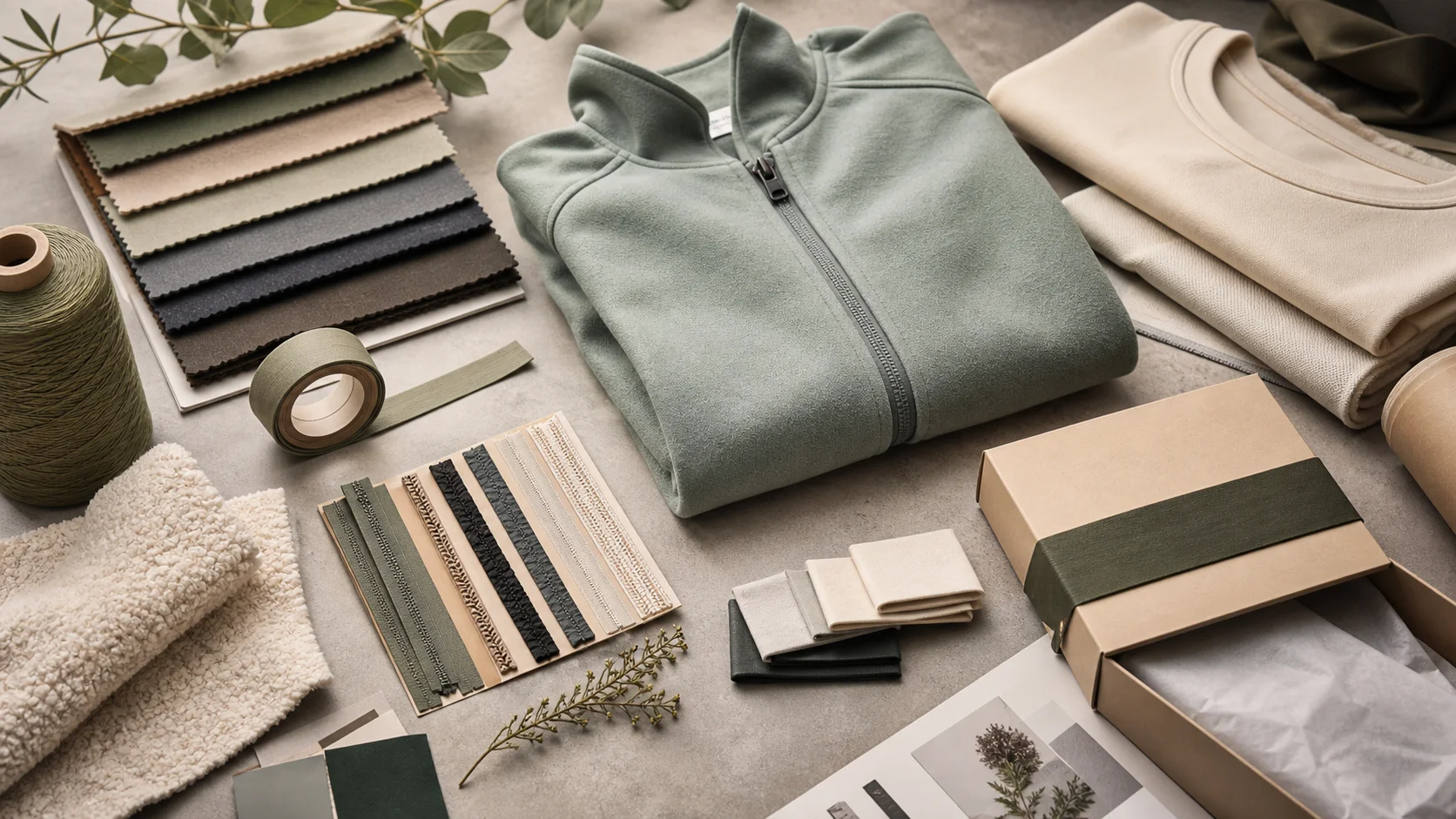
Fashion Brand Brand Positioning Framework with checks for samples, fit, MOQ, QC evidence, pricing terms, and delivery risk.
Fast answer: Fashion Brand Brand Positioning Framework: A Practical should be judged by production evidence, not by a generic sourcing promise. The buyer needs sample proof, cost breakdowns, QC checkpoints, and delivery buffers in writing.
Ask for recent sample photos, measurement tolerances, fabric or print test assumptions, decoration test notes, packing examples, and a named inspection checkpoint. These details show whether the team can repeat an approved sample at bulk volume.
Separate garment cost, decoration, labels, packaging, sampling, testing, freight, and rush charges. When every cost line is visible, it becomes easier to reduce colorways, adjust size depth, or reserve more time for sampling.
In the crowded fashion industry, having great product ideas is not enough. Consumers are exposed to thousands of brands across social media, retail, marketplaces, and direct-to-consumer channels. What makes one fashion label memorable while another gets overlooked often comes down to one thing: positioning.
A fashion brand brand positioning framework gives you the structure to define who you are, who you serve, what you stand for, and why shoppers should choose you over competitors. It helps fashion founders, product teams, and marketers make better decisions across design, pricing, branding, messaging, and manufacturing. When used well, it becomes the foundation for stronger differentiation and long-term growth.
For clothing brands, positioning is not just a marketing exercise. It affects collection planning, product quality, packaging, supplier selection, sustainability claims, and even how your garments are presented online. A clear framework makes your brand easier to recognize and easier to trust.
In this guide, we’ll break down the fashion brand positioning framework in practical terms and show how to use it to create a stronger market identity.
A fashion brand positioning framework is a structured approach to defining how your brand is perceived in the market. It outlines the key elements that shape your identity and communicate your unique value to customers.
Instead of trying to appeal to everyone, positioning helps you focus on a specific audience and market space. It answers important questions such as:
For a fashion label, this framework can guide decisions about silhouettes, fabric choices, fit, price point, sustainability, brand voice, and visual identity. Without it, brands often drift into vague messaging or inconsistent product direction.
If you are building or refining a clothing business, positioning should sit at the center of your overall strategy. It influences everything from sampling to selling. Working with the right partner can also support this process. Learn more about our apparel production capabilities on our services page.
Fashion is one of the most competitive consumer categories. Trends move quickly, customer expectations are high, and brand loyalty is hard to earn. In this environment, a weak positioning strategy can lead to confusion, price pressure, and inconsistent growth.
There are countless brands offering similar products: T-shirts, denim, athleisure, dresses, outerwear, and basics. Strong positioning helps your brand claim a distinctive space instead of competing only on price or aesthetics.
When your brand consistently communicates a clear identity, customers begin to associate you with specific values, quality levels, and style preferences. Over time, this builds trust and familiarity.
Positioning acts like a filter. It helps determine whether a product idea fits your brand or distracts from it. That means fewer off-brand launches and more coherent collections.
A brand with a clear position can create more targeted campaigns, sharper messaging, and more relevant content. Instead of speaking broadly, you can speak directly to the needs and aspirations of your audience.
Fashion brands with strong positioning can justify higher prices because they offer a clear promise and a specific point of difference. Customers are often willing to pay more when they understand what makes the brand special.
In short, brand positioning helps fashion businesses become more memorable, more desirable, and more profitable.
A practical positioning framework should include the following core elements. Together, they give your fashion brand a clear identity and strategic direction.
Who are you designing for? This goes beyond age and gender. Consider lifestyle, values, shopping behavior, fashion preferences, spending habits, and pain points. A premium workwear brand for urban professionals will position differently from a streetwear label for Gen Z creatives.
Define the category your brand belongs to. Are you in luxury fashion, contemporary casualwear, performance activewear, modest fashion, sustainable basics, or niche occasionwear? Category definition helps customers quickly understand what you offer.
This is the core outcome or emotional benefit customers can expect from your brand. For example, your promise may be comfort with sophistication, expressive self-confidence, elevated essentials, or sustainable style without compromise.
What makes your brand meaningfully different? This could be your fabric innovation, fit expertise, design aesthetic, ethical sourcing, price-value ratio, or community-driven approach. The best differentiation is both relevant to the customer and difficult for competitors to imitate.
Your brand personality gives your company a human tone. Is it bold, minimalist, playful, refined, rebellious, inclusive, or technical? Personality influences visual identity, copywriting, packaging, and social media tone.
Claims need support. If you position your brand as premium, sustainable, or highly technical, you need proof such as material certifications, craftsmanship, fit testing, manufacturing standards, or design expertise.
You need to understand where your brand sits relative to competitors. What are other brands saying? Where are the gaps? Which positioning spaces are crowded, and which are open?
Once these elements are defined, your positioning framework becomes a practical tool rather than a theoretical statement.
Creating a strong fashion brand positioning framework requires research, clarity, and discipline. Here is a step-by-step process you can use.
Start with customer insight. Interview shoppers, analyze reviews, study social media behavior, and identify recurring needs or frustrations. Ask what they value most: fit, comfort, exclusivity, affordability, sustainability, versatility, or style leadership.
Look for patterns in how your audience shops and what triggers purchase decisions. This will help you understand what positioning messages resonate most.
Review direct and indirect competitors. Study their product assortments, price points, visual identity, messaging, and customer reviews. Identify the themes they use repeatedly. Are they all talking about premium quality? Sustainability? Trends? Comfort?
Your goal is to find a white space or a differentiated angle that your brand can own. This could be a specific audience segment, a unique value proposition, or a distinct emotional benefit.
Your brand essence is the central idea that captures what your brand stands for. It should be simple, memorable, and authentic. For example:
This step is about refining the emotional and strategic core of the brand.
Positioning territory refers to the space you want to own in the customer’s mind. Examples include luxury minimalism, inclusive luxury, functional fashion, eco-luxury, elevated basics, or fashion-forward utility.
The territory must align with your capabilities. Don’t claim a space you cannot support through product quality, pricing, and brand experience.
Your value proposition explains why customers should buy from you. It should combine practical benefits and emotional benefits. A strong value proposition answers the question: “Why this brand, and why now?”
For fashion brands, value often comes from a combination of design, fit, fabric quality, versatility, and brand meaning.
Once the framework is defined, translate it into your website copy, social media voice, campaign themes, and product descriptions. Every touchpoint should reinforce the same brand story.
Consistency matters. If your positioning says premium and refined, your visuals, language, and packaging must reflect that standard.
One of the biggest mistakes fashion brands make is creating a positioning statement that cannot be delivered operationally. If you promise premium fit, your pattern development and sampling must support it. If you promise sustainable fashion, your sourcing and production processes must align.
This is where strategic manufacturing partnerships matter. The right production team helps bring your brand promise to life. If you’re developing or scaling a clothing line, you can explore support through Fabrikn’s services or reach out via our contact page.
To make the framework more concrete, here are a few positioning examples that show how different fashion brands can occupy different market spaces.
A women’s fashion brand may position itself around timeless silhouettes, elevated fabrics, and clean design. The target customer values versatility, understated sophistication, and wardrobe longevity. The brand promise might be “effortless polish for modern life.”
Key proof points could include Italian fabrics, careful tailoring, and limited seasonal collections. This brand should avoid overly trendy styling that weakens its minimalist identity.
A basics brand may position around comfort, transparency, and eco-conscious materials. The audience may care about responsible consumption and long-term wear. The brand promise might be “better essentials for a lower-impact wardrobe.”
Here, proof points may include organic cotton, certified factories, and transparent sourcing. Messaging should emphasize practicality, durability, and environmental responsibility.
An athleisure or hybrid fashion brand may combine technical functionality with modern style. The target customer wants clothing that transitions from workouts to daily wear. The brand promise could be “style that keeps up with your day.”
Proof points may include stretch performance fabrics, moisture management, and tested durability. Visual branding should feel energetic, clean, and urban.
A fashion brand focused on inclusivity might position around fit, representation, and confidence. The audience may be underserved by standard sizing or traditional fashion imagery. The brand promise could be “fashion that fits real people and real lives.”
This positioning should be reflected in size ranges, model diversity, fit consistency, and community-focused messaging.
Even strong fashion concepts can fail if positioning is unclear or inconsistent. Avoid these common mistakes:
In fashion, consistency is a major asset. Brands that remain clear over time tend to build stronger recognition and loyalty.
Many fashion founders think positioning begins and ends with branding. In reality, manufacturing plays a huge role in whether positioning feels credible.
If your brand is positioned as premium, the materials, stitching, finishing, and packaging must reflect that level. If your brand claims sustainability, sourcing and production transparency must support it. If your brand focuses on fit, technical development and sampling become essential.
Production quality influences how customers experience your brand. One weak garment can undermine a strong brand story. That is why many brands look for manufacturing partners who understand strategic goals, not just technical output.
At Fabrikn, we work with fashion businesses that want more than basic production support. A good manufacturing partner helps translate brand positioning into tangible product standards. To learn more about our company and approach, visit our about us page.
Once your framework is defined, the next challenge is execution. Many fashion brands create a strong strategy document but fail to apply it consistently. To avoid this, make positioning part of your daily operations.
Every new collection should be reviewed against your framework. Does it fit the target audience? Does it strengthen the brand promise? Does it support your desired price point and market category?
Your photography, styling, website design, color palette, and social media content should reflect your positioning. A brand positioned as refined and premium should look and sound very different from one positioned as youthful and expressive.
Everyone involved in the business should understand the brand position. This includes designers, marketers, sales teams, customer service, and operations staff. When the entire team speaks the same language, the brand feels more cohesive.
Positioning is not static. Track how customers respond through engagement, conversion rates, repeat purchases, reviews, and feedback. If your intended positioning is not landing, refine the message or the offer.
Customers remember patterns. If your brand promise changes every season, trust weakens. Strong brands reinforce the same core idea while evolving their creative execution over time.
When done well, positioning becomes a growth engine. It shapes not just how your brand is perceived, but how efficiently your business operates.
A fashion brand brand positioning framework is one of the most valuable strategic tools you can build. It gives your business clarity, direction, and differentiation in a highly competitive market. Instead of relying on trends alone, you create a brand identity that customers can understand, remember, and trust.
By defining your audience, value proposition, differentiation, proof points, and market territory, you can make smarter decisions across design, marketing, and production. The result is a stronger, more coherent brand that has a better chance of standing out and scaling.
If you are developing a clothing line and want a manufacturing partner that understands brand strategy as well as production quality, explore our services or contact us to discuss your project.
Get a free quote from Fabrikn — your trusted B2B clothing manufacturer with 10+ years of experience. MOQ as low as 200 pieces.
Get a Free Quote →It is a structured method for defining how a fashion brand is perceived in the market, including its audience, value proposition, differentiation, and brand personality.
It helps brands stand out, attract the right customers, improve marketing clarity, support pricing, and create consistent product and brand decisions.
Start by researching your audience and competitors, then define your brand promise, point of difference, market category, and proof points. Make sure your products and operations support the positioning.
Difference can come from design style, fit, quality, sustainability, price level, customer experience, niche audience focus, or brand storytelling.
Yes. A capable manufacturer can help ensure your product quality, materials, and production standards align with the brand position you want to communicate.
Review positioning regularly, especially when launching new collections, entering new markets, or seeing changes in customer behavior. The core position should remain stable, but execution may evolve.