
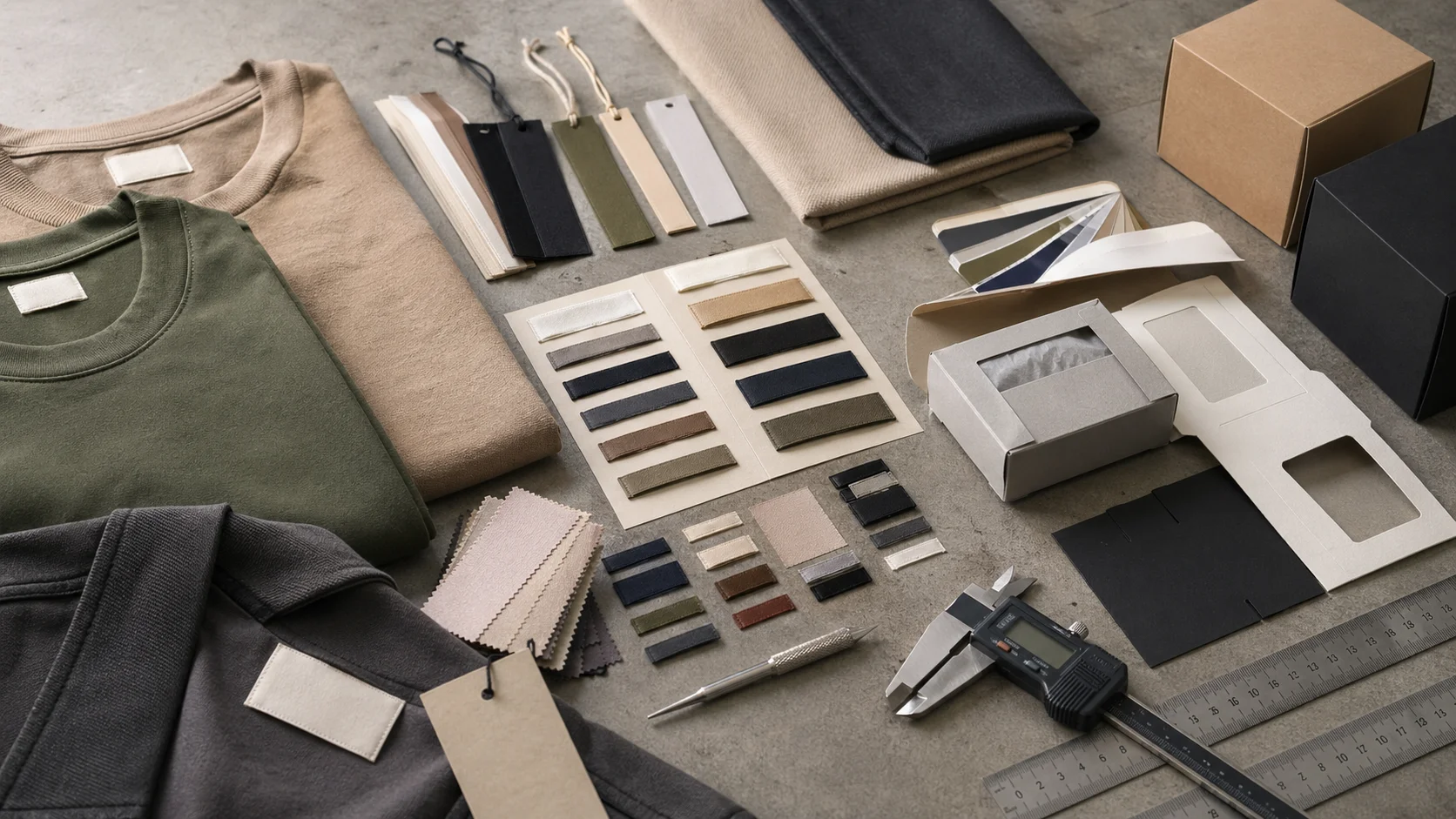
Fashion Brand Content Marketing Plan compared by sample evidence, fabric or trim specs, MOQ, AQL terms, cost lines, delivery timing, and rework responsibility.
Fast answer: Fashion Brand Content Marketing Plan: Tech Pack, Sample Gate, MOQ, and QC Terms should be judged by production evidence, not by a generic sourcing promise. The buyer needs sample proof, cost breakdowns, QC checkpoints, and delivery buffers in writing.
Ask for recent sample photos, measurement tolerances, fabric or print test assumptions, decoration test notes, packing examples, and a named inspection checkpoint. These details show whether the team can repeat an approved sample at bulk volume.
Separate garment cost, decoration, labels, packaging, sampling, testing, freight, and rush charges. Clear cost lines make it easier to reduce colorways, adjust size depth, or reserve more time for sampling.
If you are building a fashion label in a crowded market, a strong product alone is not enough. Today’s buyers discover, compare, and fall in love with brands through content. From social posts and lookbooks to email campaigns and blog articles, content is what helps a fashion brand tell its story, build trust, and turn attention into sales. That is why a clear fashion brand content marketing plan is essential for long-term growth.
In this guide, we will walk through how to create a content marketing plan for a fashion brand step by step. You will learn how to define your audience, choose the right content channels, build a calendar, measure results, and connect content with sales. Whether you are launching a new label or scaling an established fashion business, this framework will help you create content that supports brand awareness, engagement, and revenue.
Fashion is a visual and emotional industry. Customers do not simply buy clothing; they buy identity, lifestyle, and confidence. A content marketing plan helps you communicate all of that in a strategic way. Instead of posting randomly, you create intentional content that supports business goals.
Here is why it matters:
For fashion brands, content marketing is not just about visibility. It is about shaping perception, increasing demand, and building a repeatable path to revenue. If your brand is still developing its production and launch strategy, working with a reliable manufacturing partner can also help you support content with strong product quality. Learn more about Fabrikn services for fashion brands.
The first step in creating your fashion brand content marketing plan is defining what success looks like. Your content should support measurable business goals, not just vanity metrics like likes and impressions.
Ask yourself what you want content to achieve. Common goals for fashion brands include:
Once you know your goal, turn it into a SMART objective. For example:
Clear goals help you choose the right content formats, channels, and performance indicators. Without goals, your content strategy will lack direction.
A successful fashion brand content marketing plan is built around your target audience. You need to know exactly who you are speaking to, what they care about, and where they spend time online.
Start by creating detailed buyer personas. Consider factors such as:
For example, a premium streetwear brand may target fashion-conscious Gen Z shoppers who care about exclusivity, limited drops, and cultural relevance. A sustainable womenswear label may focus on eco-aware professionals who want timeless pieces and ethical production.
Understanding your audience also means understanding their customer journey. A person discovering your brand for the first time needs different content than someone who is ready to buy. Awareness-stage content might include styling inspiration, trend insights, or brand story posts. Consideration-stage content might include product comparisons, fit guides, or customer reviews. Purchase-stage content might include offers, restock alerts, and strong calls to action.
The better you understand your audience, the easier it becomes to create content that feels personal and relevant.
Fashion is highly visual, but voice matters just as much. Your tone, message, and visual style should be consistent across every channel. This creates a recognizable identity and makes your brand feel more professional.
Ask these questions:
Your brand identity should appear in your content through color palette, photography style, typography, and language. For example, a luxury fashion brand may use refined language and polished imagery. A youth-focused streetwear brand may use informal language, bold visuals, and culturally relevant references.
Consistency is especially important when a customer sees your brand across multiple touchpoints. If your Instagram feels modern and edgy but your website feels generic, the brand experience becomes confusing. Strong identity builds confidence and makes customers more likely to buy.
Content pillars are the main themes your brand talks about regularly. They give structure to your content and help you stay consistent without sounding repetitive.
Most fashion brands can build their content strategy around 4 to 6 core pillars. Examples include:
Content pillars help you balance promotional and value-driven content. If every post is a sales pitch, your audience will tune out. If every post is educational with no commercial angle, you may not drive enough revenue. A healthy content strategy includes both.
Not every fashion brand needs to be active on every platform. The right channel mix depends on your audience, product type, and internal resources. Choose a few core platforms and use them well instead of spreading yourself too thin.
Here are the main channels fashion brands often use:
Your content plan should also connect your website and social media. Social platforms are valuable for reach, but your website is where conversion happens. If you need help building your fashion business from concept to production, you can also connect with the team through the Fabrikn contact page.
A content calendar turns strategy into action. It helps you plan content in advance, keep a consistent posting schedule, and align your efforts with launches, holidays, and campaigns.
Your calendar should include:
Plan around key fashion moments such as seasonal launches, fashion weeks, holidays, sales periods, and collection drops. If you are preparing a new collection, your content calendar should start weeks before launch with teaser content, followed by reveal content, launch-day posts, and post-launch styling ideas.
A good calendar also helps you repurpose content. For example, one blog article can become:
Repurposing saves time and keeps your messaging consistent across channels.
Fashion content must be visually strong and strategically written. Poor lighting, weak copy, or inconsistent formatting can reduce credibility quickly. The goal is to create content that looks premium and communicates value.
Focus on these content best practices:
For fashion brands, storytelling matters. Instead of only saying “new dress available,” explain why the piece matters. Is it designed for easy layering? Is it made from a special fabric? Does it solve a common fit problem? These details make content more compelling and more persuasive.
Behind-the-scenes content is especially powerful because it shows the craftsmanship behind the brand. Buyers are increasingly interested in how products are made, who makes them, and what the brand stands for. If your brand is still shaping its production process and story, learning more about Fabrikn about us can help you understand the values behind a trusted manufacturing partner.
Creating content is only half the job. To get results, you need a distribution plan. Many brands publish content and hope people find it, but proactive promotion is what drives visibility.
Ways to distribute fashion content include:
Influencer partnerships can be especially effective in fashion because customers often trust style recommendations from creators they follow. Micro-influencers, in particular, can provide strong engagement and niche relevance.
Email marketing remains one of the highest-converting channels for fashion brands. Use email to announce drops, promote editorial content, and nurture buyers with styling recommendations and exclusive offers.
To make your fashion brand content marketing plan effective over time, you need to track results regularly. Analytics show what is working, what is not, and where to improve.
Key metrics to monitor include:
Look for patterns. Which topics drive the most traffic? Which posts lead to the most sales? Which platforms attract the best audience? Use this data to refine your strategy. Strong content marketing is never static; it improves through testing and iteration.
You may also want to test different headlines, image styles, calls to action, posting times, and content lengths. Small optimizations can create major improvements in engagement and conversions over time.
Even strong fashion brands make content marketing mistakes. Avoid these common issues:
Another common mistake is treating content and commerce as separate. In fashion, content should support the shopping experience. That means linking storytelling directly to product pages, collections, and CTAs wherever appropriate.
A fashion brand content marketing plan is one of the most valuable tools for growing awareness, trust, and sales. When you define your goals, understand your audience, build a consistent brand voice, and create content with purpose, you create a system that can support your business month after month.
The best fashion content does more than attract attention. It tells a story, builds desire, and guides customers toward action. With the right mix of creativity and strategy, your content can become a major driver of brand growth.
If you are developing a fashion brand and need support with production, brand development, or next steps, explore Fabrikn’s services, learn more about us, or contact us to start the conversation.
Get a free quote from Fabrikn — your trusted B2B clothing manufacturer with 10+ years of experience. MOQ as low as 200 pieces.
Get a Free Quote →A fashion brand content marketing plan is a structured strategy for creating, publishing, and promoting content that helps a fashion business attract an audience, build trust, and generate sales.
The best content for fashion brands usually includes product photography, styling tips, lookbooks, behind-the-scenes videos, customer stories, trend insights, and short-form social media content.
There is no universal rule, but consistency matters. Many brands post several times per week on social media, publish blog content regularly, and send at least one email campaign per week or month depending on their launch schedule.
Instagram and TikTok are often the strongest platforms for fashion marketing because they are visual and discovery-driven. However, the best platform depends on your audience and goals.
Content marketing increases sales by educating buyers, building trust, showcasing product value, creating desire, and guiding people toward purchase with clear calls to action.
Yes. Small fashion brands often benefit the most from content marketing because it helps them compete with larger labels, build community, and grow organically with limited budgets.