
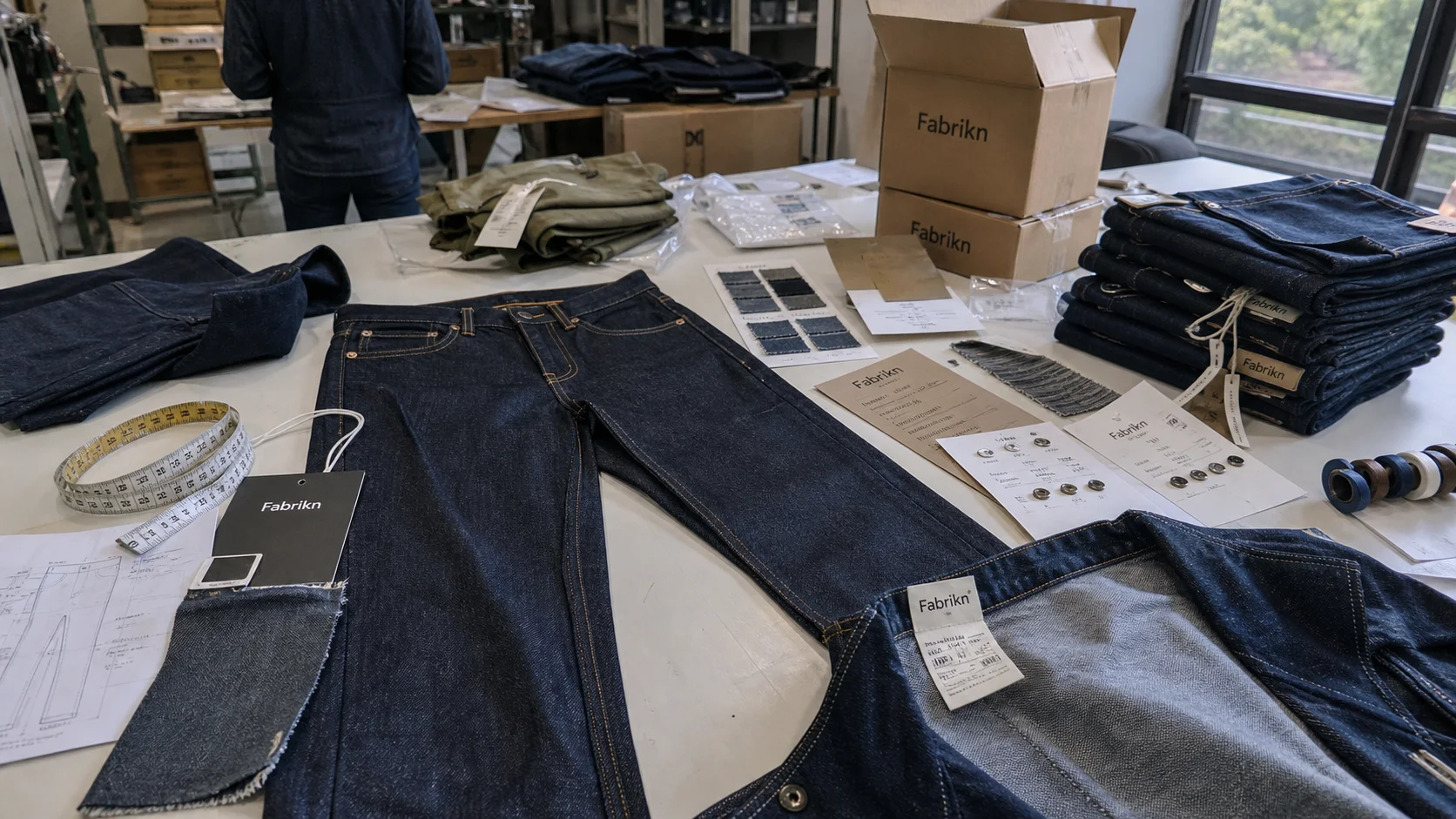
Fashion Brand Content Pillars compared by sample evidence, fabric or trim specs, MOQ, AQL terms, cost lines, delivery timing, and rework responsibility.
Fast answer: Fashion Brand Content Pillars: Tech Pack, Sample Gate, MOQ, and QC Terms should be judged by production evidence, not by a generic sourcing promise. The buyer needs sample proof, cost breakdowns, QC checkpoints, and delivery buffers in writing.
Ask for recent sample photos, measurement tolerances, fabric or print test assumptions, decoration test notes, packing examples, and a named inspection checkpoint. These details show whether the team can repeat an approved sample at bulk volume.
Separate garment cost, decoration, labels, packaging, sampling, testing, freight, and rush charges. Clear cost lines make it easier to reduce colorways, adjust size depth, or reserve more time for sampling.
Fashion brand content pillars are the foundation of a focused, effective content strategy. For fashion labels, apparel startups, and growing clothing brands, content is more than promotion—it is the way you communicate your identity, build trust, and guide customers from awareness to purchase. When your content is built around a few strong pillars, every post, campaign, product story, and social caption works together to reinforce the same brand message.
In a crowded and highly visual industry like fashion, consistency matters. Customers do not just buy clothing; they buy into a brand’s style, values, and point of view. That is why fashion brand content pillars are so important. They help you stay recognizable, create content faster, and build a stronger connection with your audience over time.
In this guide, we will explain what fashion brand content pillars are, why they matter, how to build them, and how to use them across your marketing channels. Whether you are launching a new fashion label or refining an established brand, this article will help you create a content strategy that supports growth, engagement, and long-term brand equity.
Fashion brand content pillars are the main themes or content categories that guide everything your brand publishes. Instead of creating random posts or campaigns, you organize your messaging around a few strategic topics that reflect your brand identity, audience needs, and business goals.
For example, a sustainable fashion brand might build content pillars around ethical sourcing, style inspiration, product education, and behind-the-scenes craftsmanship. A streetwear label might focus on culture, drops, styling tips, collaborations, and community.
These pillars act as a framework. They make it easier to plan content, maintain consistency, and ensure your brand voice stays aligned across social media, email, blogs, lookbooks, and website pages.
Fashion marketing is fast-moving and visual, but that does not mean it should be chaotic. Content pillars bring structure to your communication and help your brand stand out in a saturated market.
When your audience sees a clear pattern in your content, they begin to recognize your brand faster. Consistent themes build familiarity, and familiarity builds trust. This is especially important in fashion, where style, tone, and aesthetics strongly influence buying decisions.
With clear content pillars, your team does not need to brainstorm from scratch every time. You already know the categories you should be creating content around, which makes calendar planning much easier and faster.
Every fashion brand has a story, whether it is about craftsmanship, innovation, sustainability, heritage, or self-expression. Content pillars help you communicate that story in a repeatable and compelling way.
Different pillars can speak to different stages of the buying process. Some content builds awareness, some educates, and some drives conversions. A balanced strategy helps move people from discovering your brand to becoming loyal customers.
When your website content is organized into thematic pillars, search engines can better understand your expertise. This can improve topical authority, especially when your blog, service pages, and product content all support the same core themes.
Every fashion brand is different, but most effective content strategies are built from a mix of these pillar types. The best structure depends on your brand personality, target audience, and business model.
This pillar focuses on who you are as a brand. It includes your mission, values, origin story, design philosophy, and unique point of view. Brand story content helps customers understand what makes your label different.
Examples include:
Product education helps customers understand what you make, how it is made, and why it is valuable. This pillar is particularly useful for brands selling premium apparel, technical fabrics, sustainable collections, or custom garments.
Examples include:
Fashion is visual, and many consumers look for inspiration before they buy. This pillar helps your audience imagine how to wear your pieces and how your brand fits into their lifestyle.
Examples include:
Customers are increasingly interested in how fashion products are developed. This pillar shows your audience the craftsmanship, effort, and decisions behind your collections. It helps build authenticity and trust.
Examples include:
People trust other people. Social proof content shows that your products are loved and worn by real customers, creators, and partners. This pillar helps turn your audience into a visible community around your brand.
Examples include:
This pillar connects your clothing brand to a broader worldview or way of life. It is especially important for brands that want to stand for more than just products. Lifestyle content gives your brand emotional depth.
Examples include:
Creating effective content pillars requires a strategic approach. You want pillars that reflect your brand and are useful to your audience. The process below can help you define the right structure.
Start by clarifying what your fashion brand stands for. Ask yourself: What makes us different? What do we want to be known for? Who are we trying to reach? What type of feeling should our brand create?
If your brand positioning is not clear, your content pillars will feel generic. Your messaging should reflect your unique value, whether that is luxury craftsmanship, streetwear culture, inclusive sizing, sustainability, or technical performance.
Your content should solve problems, answer questions, and inspire your audience. Build customer profiles based on demographics, buying behavior, style preferences, and pain points. Then identify what type of content would help them move forward.
For example, if your audience is made up of wholesale buyers or fashion startups, they may care about product quality, customization options, minimum order quantities, and production timelines. If you are speaking to consumers, they may want styling inspiration and fit guidance.
Look at what you already publish on your website, blog, social channels, and email campaigns. Identify which topics perform best and where your content feels repetitive or unfocused. This will show you what themes are already resonating and where there are gaps.
Most fashion brands do best with a small number of strong pillars rather than too many categories. If you try to cover everything, your messaging becomes diluted. A focused approach makes your brand easier to remember.
A sample set of pillars might include:
Once your pillars are set, break each one into smaller topic ideas. This gives your team a practical content bank for planning weekly or monthly campaigns.
For example, under product education, you could create posts about fabric benefits, garment care, size guides, and seasonal wearability. Under behind the scenes, you could share sampling updates, supplier stories, or design development.
Not every content pillar serves the same purpose. Some build awareness, some generate engagement, and others drive sales. Assign a goal to each pillar so your strategy stays balanced.
For example:
Fashion brand content pillars are most effective when they are used across your full marketing ecosystem. Your website, email, social media, and sales assets should all support the same content themes.
Your website should reflect your pillars through collection pages, blog content, brand story pages, and educational resources. Search-friendly articles around your key themes can help you build authority and attract organic traffic.
For example, if one pillar is product education, you can create blog posts about fabric selection, fit, and garment care. If one pillar is brand story, your About page can strengthen that message. You can explore more about how Fabrikn works on our About Us page.
Social platforms are ideal for visual storytelling. Use your content pillars to structure posts, reels, carousels, and stories so your feed feels cohesive. A content mix might alternate between styling tips, founder insights, customer content, and product features.
Email is a strong channel for nurturing customer relationships. Content pillars can shape your newsletters, launch announcements, educational sequences, and retention campaigns. When emails are tied to a clear pillar, they feel more valuable and less promotional.
If you sell B2B or wholesale, your content pillars should also influence lookbooks, line sheets, presentations, and outreach materials. This is especially important for brands working with manufacturing partners. If you need support with apparel production, you can learn more about our services.
Here are a few example frameworks to help you imagine what content pillars can look like in practice.
Even strong fashion brands can weaken their content strategy by making a few common mistakes. Avoiding these issues will help your pillars remain effective and relevant.
If your pillars are too general, they will not guide content well. For example, “fashion” is not a pillar. “Sustainable fabric education” is much more strategic and usable.
Your content should not only reflect what your brand wants to say. It should also address what your audience wants to know, feel, or solve. Good content sits at the intersection of brand goals and customer interests.
If every post is a sales post, your audience will lose interest. The strongest fashion brands use content pillars to balance promotion with value, education, and storytelling.
Content pillars only work if they are used consistently. A strong content system requires regular execution, not occasional theme-based posts.
As your brand grows, your content pillars may need to evolve. Revisit them periodically to make sure they still align with your business goals, product direction, and customer behavior.
At Fabrikn, we understand that a strong fashion brand needs more than quality garments. It also needs the right foundation to grow, communicate, and stand out in the market. That includes thoughtful production support, dependable service, and a clear understanding of how clothing brands operate.
If you are building a fashion label and want a manufacturing partner that supports your vision, visit our Contact Us page to start the conversation. You can also explore our services to see how we help brands bring their ideas to life.
When your brand has a clear content strategy and a reliable production partner, it becomes much easier to build trust, scale efficiently, and create a recognizable identity in the fashion market.
Fashion brand content pillars are one of the most effective ways to create a stronger, more recognizable brand. They bring clarity to your marketing, improve your content planning, and help you communicate your value in a way that feels consistent and compelling. In a competitive industry where style alone is not enough, a clear content strategy can be a major differentiator.
By defining a small number of strategic pillars and using them across your website, social platforms, and email campaigns, you can create content that does more than fill space. You can build trust, educate your audience, strengthen your brand identity, and support long-term growth.
Whether your focus is storytelling, product education, styling inspiration, or community building, the key is to stay intentional. Strong content pillars help fashion brands stay focused, relevant, and memorable.
Get a free quote from Fabrikn — your trusted B2B clothing manufacturer with 10+ years of experience. MOQ as low as 200 pieces.
Get a Free Quote →Fashion brand content pillars are the main themes that guide a brand’s content strategy. They help organize posts, blogs, emails, and campaigns around consistent topics that reflect the brand’s identity and audience interests.
Most fashion brands do well with 3 to 6 content pillars. This is enough to create variety without making the strategy too broad or difficult to manage.
Content pillars improve brand consistency, make planning easier, support SEO, and help fashion brands communicate their story more effectively. They also help guide customers through the buying journey.
Yes. Content pillars make social media planning more structured and balanced. They help brands create a recognizable feed, maintain consistency, and produce content that is more useful and engaging for followers.
Yes. As your brand evolves, your pillars may need to shift with your product line, audience, and goals. Reviewing your content strategy regularly ensures it stays relevant and effective.
Start by defining your brand positioning, understanding your audience, reviewing existing content, and selecting a few core themes that support your goals. Then break each pillar into smaller content ideas for ongoing use.