
Fashion Ecommerce Return Policy Practices with checks for samples, fit, MOQ, QC evidence, pricing terms, and delivery risk.
Fast answer: Fashion Ecommerce Return Policy Practices: Samples, Cost Lines, QC, and Delivery Risk should be judged by production evidence, not by a generic sourcing promise. The buyer needs sample proof, cost breakdowns, QC checkpoints, and delivery buffers in writing.
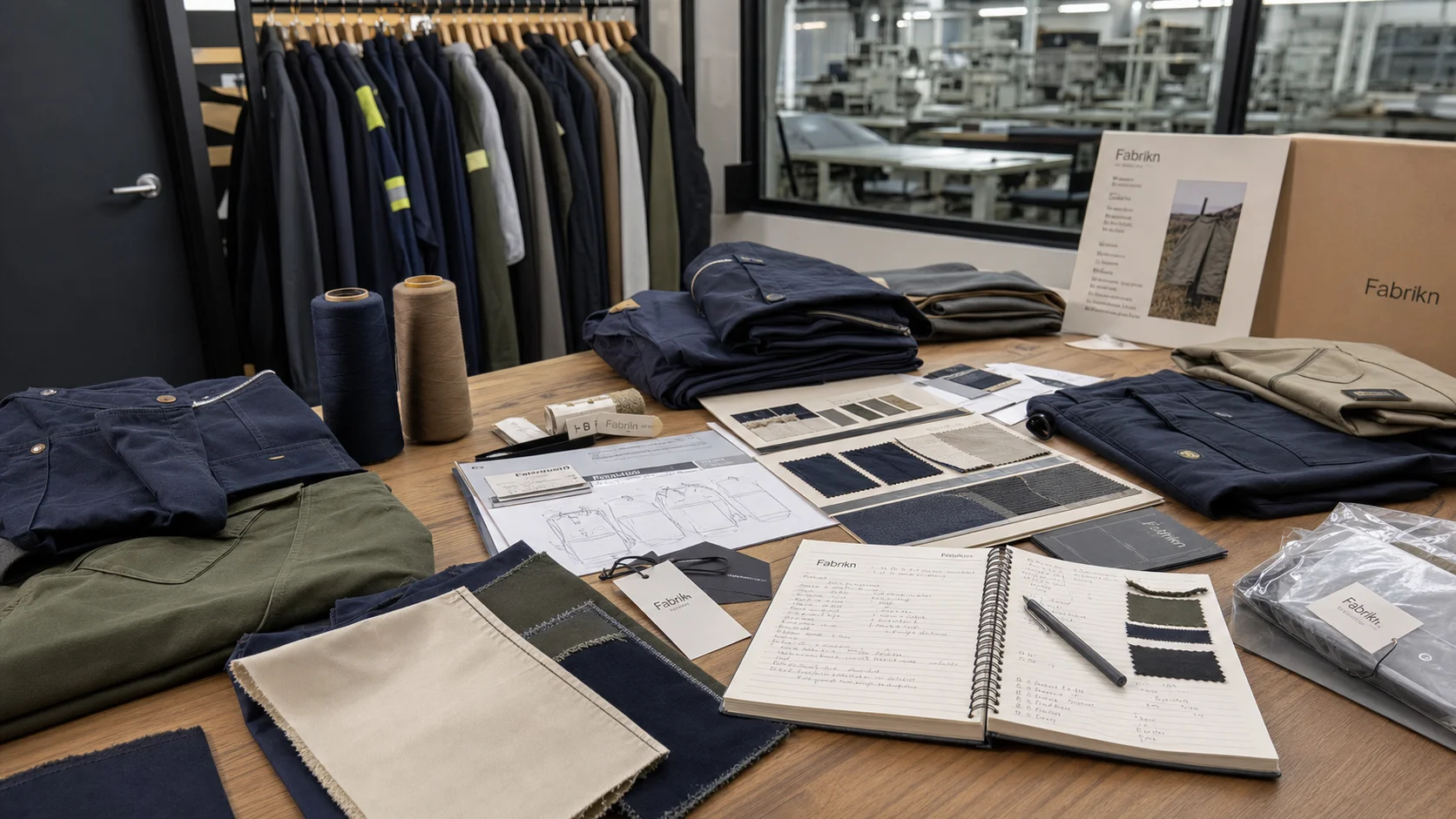
Ask for recent sample photos, measurement tolerances, fabric or print test assumptions, decoration test notes, packing examples, and a named inspection checkpoint. These details show whether the team can repeat an approved sample at bulk volume.
Separate garment cost, decoration, labels, packaging, sampling, testing, freight, and rush charges. When every cost line is visible, it becomes easier to reduce colorways, adjust size depth, or reserve more time for sampling.
Category: Business Tips
Fashion ecommerce return policy best practices are more than a legal or customer service detail. In apparel, footwear, and accessories, returns directly affect profit margins, inventory planning, customer satisfaction, and long-term brand loyalty. A weak return policy can create confusion, increase operational costs, and discourage repeat purchases. A clear, customer-friendly policy can do the opposite: reduce friction at checkout, build trust, and support sustainable growth.
For fashion brands, returns are especially important because shoppers cannot try products on before buying. Size uncertainty, fabric expectations, fit preferences, and styling differences all contribute to higher return rates than in many other ecommerce categories. That means brands need a return policy that is both commercially smart and customer-focused.
This guide explains how fashion ecommerce businesses can design return policies that reduce costs while improving trust. Whether you are a growing DTC label, a wholesale-to-retail brand, or a private label business looking to optimize operations, these best practices will help you create a stronger customer experience and a more profitable return process. If you need support developing products and merchandising strategies that reduce return pressure from the start, explore Fabrikn’s services.
Returns are one of the most expensive aspects of ecommerce, especially in fashion. Every return can trigger reverse logistics costs, restocking labor, quality checks, customer service time, payment processing complications, and potential markdowns if items cannot be resold at full price.
At the same time, customers expect flexible and transparent return options. Shoppers often compare policies before buying, and a restrictive or confusing policy can reduce conversion rates. In fashion, the return policy often acts as a trust signal. If customers feel they can return an item easily, they are more likely to place an order in the first place.
This creates a balancing act. Brands must protect profitability while still giving customers enough confidence to buy. The best return policies are not simply generous or restrictive. They are designed strategically around customer behavior, product type, and business goals.
In other words, a well-designed return policy is a business tool, not just a customer service document.
Before writing the policy itself, fashion brands should define the principles behind it. These principles guide every decision, from return windows to refund methods.
Customers should not need legal expertise to understand how returns work. Avoid vague language, hidden conditions, or long blocks of text. Use simple wording and organize the policy in a logical structure.
Not all fashion products carry the same return risk. Stretch basics, seasonal occasionwear, swimwear, intimate apparel, premium tailoring, and made-to-order pieces may require different rules. A one-size-fits-all policy often creates problems.
Customers appreciate flexibility, but unlimited freedom can lead to excessive costs and abuse. The right policy gives reasonable support while setting boundaries for timing, condition, and eligibility.
A good policy is only useful if the operations team can handle it efficiently. Brands should ensure that return workflows, warehouse processes, and customer communications are designed to match the policy.
Return data reveals product and merchandising issues. High return rates in a certain style, size, or color may signal fit inconsistency, inaccurate photos, poor quality, or weak product descriptions. Brands that learn from returns improve future sales and reduce future costs.
Fashion ecommerce return policy best practices start with the structure of the policy itself. A strong policy should cover all major customer questions before they need to ask them.
State how many days customers have to initiate a return after delivery or purchase. Many brands use 14, 30, or 60 days depending on product category and market position. Shorter windows can reduce costs, while longer windows can improve conversion and trust.
Clearly define what can and cannot be returned. Common exclusions include worn items, washed items, custom pieces, final sale items, undergarments, and products without original tags.
Explain the exact condition items must be in to qualify for return. For example, items should be unworn, unwashed, unaltered, and returned with tags, packaging, and accessories intact. If the item is inspected upon arrival, say so.
Tell customers how they will receive their money back. Will it be returned to the original payment method, store credit, or exchange-only? Many fashion brands use store credit or exchanges strategically to preserve revenue and improve retention.
Some brands encourage exchanges rather than refunds, especially for size-related issues. If exchanges are available, explain how customers can request them and whether they are free.
Make it clear who pays for return shipping. Free returns may boost trust, but they can also increase costs significantly. Some brands offer free returns only for first-time customers, premium tiers, or faulty items.
Customers should always know what happens if they receive the wrong size, damaged product, or defective item. These cases should be handled differently from normal preference-based returns.
Let customers know how long it takes to approve, inspect, and refund a return. Transparency helps reduce support tickets and frustration.
If you sell globally, explain whether international returns are accepted, who pays duties and shipping, and whether the process differs by region.
Reducing returns does not mean making the policy harsh. The goal is to reduce avoidable returns and handle necessary returns more efficiently.
One of the best ways to reduce returns is to improve the information customers see before they buy. Include detailed size charts, model measurements, fabric descriptions, care instructions, fit notes, and multiple images from different angles.
Where possible, add fit guidance such as “runs small,” “relaxed fit,” or “true to size.” The more accurate the product page, the less likely customers are to order the wrong item.
Inconsistent sizing is a major driver of apparel returns. Brands should work closely with product development and manufacturing teams to maintain pattern consistency across styles. Fit testing and sample revisions are essential. If you need a manufacturing partner that supports quality and consistency, learn more about Fabrikn’s services.
When customers need a different size or color, an exchange is often better than a refund for the brand. It preserves the sale and often satisfies the customer more quickly. Make exchanges easy to request online and consider promoting them as the first option.
Store credit can reduce cash outflow and encourage repeat purchases. Some brands offer bonus credit for choosing store credit over a refund, such as an additional 10 percent value. This can improve retention while keeping customers happy.
Markdown and outlet products often need different return rules. Final sale policies can reduce losses, but they should be used carefully. If a product is final sale, make that extremely clear before checkout to avoid frustration.
Free returns are attractive, but they can encourage serial buying and high-volume returns. Brands can reduce costs by using methods such as free exchanges, prepaid labels for defective items only, return fees for preference-based returns, or free returns above a certain order value.
Track return reasons by SKU, size, color, and season. If a specific dress is returned often due to fit, that item may need re-cutting or revised product copy. If a color returns heavily because it looks different online, improve photography and descriptions.
Bracketing happens when customers order multiple sizes or colors with the intention of returning most of them. This behavior is common in fashion ecommerce. Brands can discourage it through better fit guidance, loyalty-based policies, or restrictions on excessive return behavior.
Trust is one of the biggest reasons to invest in return policy best practices. Customers are more likely to buy from a brand when they know the return experience will be fair and simple.
Do not hide your return policy in a footer link. Display key terms on product pages, checkout pages, and confirmation emails. Transparency reduces surprises and signals that the brand is confident in its products.
Instead of legal jargon, write in a customer-first tone. For example, say “Returns accepted within 30 days of delivery” rather than “Returns shall be initiated within thirty calendar days subject to inspection and approval.”
Customers value speed. Automated return portals, instant approvals for standard cases, and clear update emails can make the process feel professional and reliable.
Occasionally, customers have special circumstances: wrong shipping address, gift orders, delay issues, or damaged packaging. A flexible but structured exception process can preserve goodwill without undermining the entire policy.
A strong return policy should be paired with visible quality control. If customers believe the brand stands behind the product, they are more comfortable buying. This is especially important for premium apparel, where fit, finish, and fabric expectations are higher.
When customers need help, they should be able to reach a real person or an effective support team. Linking directly to your contact us page can reduce friction and improve confidence in the brand.
Even a great policy can fail if the back-end process is slow or disorganized. Efficient operations protect margin and improve the customer experience at the same time.
Self-service return portals reduce customer service workload and speed up processing. Customers can check eligibility, print labels, choose exchanges, and track their request without waiting for email support.
Every returned item should be checked against the same criteria. Create a simple inspection checklist for warehouse staff so decisions are consistent and disputes are reduced.
For low-risk, standard returns, automation can reduce labor costs. Refunds can be triggered after tracking confirmation or warehouse receipt depending on the brand’s risk tolerance.
Returned fashion items lose value quickly if they are not processed fast. Warehouse teams should sort items by condition, then route them to full-price resale, outlet, liquidation, repair, or disposal as needed.
Monitor key metrics such as return rate, exchange rate, reason codes, days to refund, cost per return, and resale recovery value. These metrics reveal whether the policy is helping or hurting profitability.
Inventory visibility matters after a return is received. If stock updates lag behind reality, brands can oversell or miss sales opportunities. Tight system integration improves forecasting and replenishment decisions.
Support staff should understand the policy in detail and know how to explain it clearly. They should also know when to escalate cases and how to preserve the customer relationship during difficult conversations.
Many return problems come from policy mistakes rather than customer misuse. Avoid these common issues:
Another major mistake is treating returns as a purely defensive function. The best brands use returns to improve product development, customer messaging, and assortment planning. That mindset shift can reduce losses over time.
If your current return policy needs improvement, use a structured process rather than guessing. Start by reviewing data, customer feedback, and competitor benchmarks.
Look at return rate by product category, SKU, region, channel, and customer segment. Identify where costs are highest and where customer complaints are most frequent.
Read support tickets, reviews, and exit feedback to understand what is confusing or frustrating. Often, the biggest pain points are not the policy terms themselves but the way they are communicated.
Study return windows, shipping rules, refund methods, and exchange offers from competing fashion brands. This helps you stay competitive without copying blindly.
Return policy improvements often need to happen alongside product improvements. If sizing, quality, or fabric expectations are causing returns, your supply chain and product teams must be part of the solution. Fabrikn’s about us page explains the value of working with a manufacturing partner focused on consistency and business growth.
Consider piloting changes on a subset of products or regions before rolling them out company-wide. Measure the effects on conversion, return rate, customer satisfaction, and net revenue.
When you update a return policy, announce it in a clear and positive way. Focus on customer benefits, not just restrictions. If the changes include more flexible exchanges, faster refunds, or clearer instructions, make that visible.
Fashion ecommerce return policy best practices are about more than minimizing losses. The best return policies reduce operational waste, protect margins, and create a trustworthy shopping experience. For fashion brands, this is a strategic advantage because fit, style, and tactile expectations naturally create more uncertainty than in many other product categories.
A strong return policy should be clear, fair, and easy to execute. It should support the customer while also protecting the business from unnecessary cost. That means improving product information, reducing sizing problems, encouraging exchanges, tracking return data, and building efficient operations behind the scenes.
When done well, your return policy becomes part of your brand promise. It tells customers that you stand behind your products and respect their buying experience. And in a crowded fashion market, that kind of trust can be a powerful growth driver.
If you are developing apparel products and want support from an experienced B2B clothing manufacturer, explore Fabrikn’s services or contact us to discuss your project.
Get a free quote from Fabrikn — your trusted B2B clothing manufacturer with 10+ years of experience. MOQ as low as 200 pieces.
Get a Free Quote →There is no single best answer, but many fashion brands use 14 to 30 days. The right window depends on product type, price point, customer expectations, and return costs.
Free returns can increase trust and conversion, but they also raise costs. Many brands use a selective approach, such as free exchanges, free returns on defective items, or free returns only above a certain order value.
Policies that clearly define eligible items, require original condition, set a reasonable return window, and monitor excessive return behavior are better at preventing abuse. Automated portals and consistent enforcement also help.
Improve fit consistency, provide detailed size charts, include model measurements, add fit notes, and collect return data by SKU. Better product development and better product pages both make a difference.
A strong policy should cover the return window, item eligibility, condition requirements, refund method, exchange options, return shipping responsibility, defective item handling, processing timelines, and international return rules if applicable.
Returns influence trust because they show how a brand behaves after the sale. A transparent, easy, and fair return process gives customers confidence to buy and return if needed without fear of being treated unfairly.
Manufacturers help by delivering consistent sizing, better construction, accurate samples, and reliable quality control. Fewer product issues mean fewer returns and less customer dissatisfaction.