
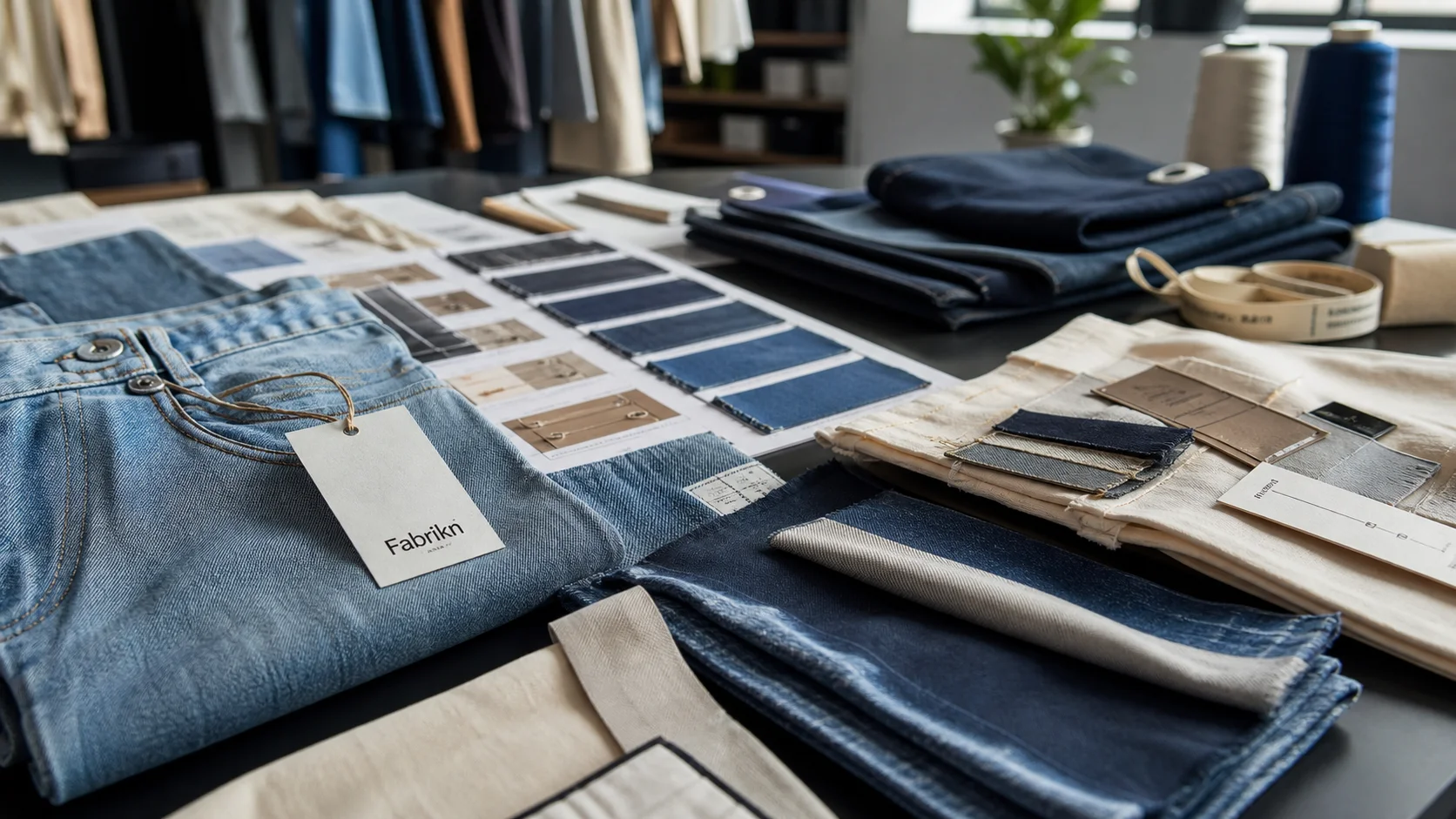
Fashion Ecommerce Returns Policy Examples compared by sample evidence, fabric or trim specs, MOQ, AQL terms, cost lines, delivery timing, and rework...
Fast answer: Fashion Ecommerce Returns Policy Examples: Tech Pack, Sample Gate, MOQ, and QC Terms should be judged by production evidence, not by a generic sourcing promise. The buyer needs sample proof, cost breakdowns, QC checkpoints, and delivery buffers in writing.
Ask for recent sample photos, measurement tolerances, fabric or print test assumptions, decoration test notes, packing examples, and a named inspection checkpoint. These details show whether the team can repeat an approved sample at bulk volume.
Separate garment cost, decoration, labels, packaging, sampling, testing, freight, and rush charges. Clear cost lines make it easier to reduce colorways, adjust size depth, or reserve more time for sampling.
Returns are one of the biggest friction points in fashion ecommerce. Customers want confidence before they buy, and they often judge a brand by how easy it is to send something back. A clear, fair, customer-friendly returns policy can improve conversion rates, reduce purchase anxiety, and protect your brand reputation.
For fashion brands, the challenge is balancing customer convenience with operational costs, inventory management, and fraud prevention. The best returns policies are not just legally compliant; they are easy to understand, easy to find, and aligned with how your business actually works.
In this guide, we will look at practical fashion ecommerce returns policy examples, explain what makes a strong returns policy, and show you how to create one that supports customer trust and long-term growth.
Fashion ecommerce has a unique returns challenge. Unlike many other product categories, apparel and accessories are highly dependent on fit, feel, color accuracy, and personal style. Customers often order multiple sizes or colors with the intention of returning part of the order.
That behavior is not necessarily a problem. In fact, a thoughtful returns policy can make shoppers more willing to buy. When customers know they can return an item if it does not fit or meet expectations, they are more likely to complete the purchase.
A strong returns policy also helps reduce customer service issues. If your policy is difficult to find or unclear, customers may contact support repeatedly, dispute charges, or leave negative reviews. A transparent policy reduces confusion and supports a smoother post-purchase experience.
For growing brands, the returns policy is also a strategic business tool. It affects:
For more support on building a scalable clothing brand, you can explore Fabrikn’s services page or learn more about the company on the about us page.
A customer-friendly returns policy should answer the most common questions before the customer has to ask them. The more clearly you explain your process, the fewer disputes you will have later.
Specify how many days customers have to initiate a return. Common examples include 14, 30, or 60 days from delivery date or purchase date. The delivery date is often better for ecommerce because it reflects when the customer actually received the item.
State which products are returnable. Many fashion brands exclude final sale items, intimate apparel, swimwear, earrings, personalized products, and items without original tags.
Explain the condition items must be in. Most brands require unworn, unwashed, unaltered merchandise with tags attached and original packaging where applicable.
Tell customers how they will be refunded. Will they receive a refund to the original payment method, store credit, or exchange? Be specific about timing and processing steps.
Many shoppers prefer an exchange if the size or color is wrong. If you offer exchanges, make the process simple and clear.
State who pays for return shipping. Some brands offer free returns, others deduct a label fee, and some require the customer to cover shipping unless the item is defective.
Explain how you handle damaged, defective, or incorrect products. These cases should usually have a more customer-friendly process than standard returns.
Include the exact steps. Customers should know whether they need to log into an account, fill out a return form, email support, or use a self-service portal.
Set expectations for how long refunds or exchanges take after the return is received and inspected.
Note any circumstances where a refund may be reduced or denied, such as missing tags, signs of wear, or items returned outside the allowed time frame.
Below are several common fashion ecommerce returns policy examples you can use as inspiration. These are not legal templates, but they illustrate different approaches based on business goals.
This is ideal for smaller or newer fashion brands that want to keep the policy easy to understand.
Why it works: it is straightforward and easy to operate. Customers know what to expect, and the brand limits unnecessary complexity.
This policy is designed to maximize trust and reduce buying hesitation.
Why it works: free returns can boost conversion, especially in competitive fashion categories. The downside is higher reverse logistics costs, so this approach is best when margins and fulfillment systems can support it.
Some fashion brands use store credit to retain revenue while still giving customers flexibility.
Why it works: it gives customers options and helps the brand keep revenue in-house. This can be effective for repeat-purchase fashion businesses with strong brand loyalty.
Luxury or high-end apparel brands often use a more controlled returns structure.
Why it works: premium brands need tighter control over product condition and authenticity. The policy protects brand value while still offering reasonable flexibility.
Fashion brands with frequent size-related returns may encourage exchanges instead of refunds.
Why it works: it reduces refund leakage and supports a better fit experience. This is especially useful for brands with detailed size ranges or activewear.
A good returns policy should serve both the customer and the business. Here is how to build one that is fair, clear, and sustainable.
Look at your return reasons. Are customers returning items because of size issues, quality concerns, color mismatches, or style preferences? Your policy should reflect the most common reasons without becoming overly generous in areas that create excessive cost.
Customers do not want legal jargon. Use short sentences, clear headings, and plain language. If the policy is buried in a footer or written in dense legal text, customers may assume the process is difficult.
Inconsistent return decisions create frustration. If one customer gets a refund after 45 days but another is denied at 32 days, your support team will face complaints. Use clear internal rules so customers receive the same experience every time.
Not every return needs to be a refund. Offering exchanges or store credit can create a better customer experience while helping your business retain revenue.
Customers are more accepting of restrictions when they are clearly stated upfront. Final sale, hygiene-sensitive products, and customized items should be clearly labeled before checkout.
Free returns can be appealing, but they may not make sense for every brand. If your margins are tight, you may offer free exchanges instead of free refunds, or free returns above a certain cart value.
If you are developing a fashion label and need a manufacturer that understands product quality and customer expectations from the ground up, Fabrikn’s contact us page is a good place to start a conversation.
Even strong brands make mistakes with returns policies. Avoid these common problems if you want a smoother customer experience.
Phrases like “must be in acceptable condition” are too open to interpretation. Define what acceptable means with specific examples.
If customers cannot find the returns policy before purchasing, they may feel misled after checkout. Put it in the footer, on product pages, and in the checkout flow where appropriate.
If your policy is overly strict, customers may hesitate to buy. In fashion ecommerce, a policy that is too rigid can lower conversions and hurt repeat purchases.
Defective merchandise should have a separate process. Customers should not be forced to follow the standard returns rules when the issue is your responsibility.
Customers need to know when the return period starts, how long processing takes, and when they can expect their refund.
A policy that is too generous without operational planning can drain profit. Make sure your shipping, warehousing, and customer service workflows can support the promise you make.
To create a competitive returns policy, focus on clarity, convenience, and brand fit.
Brands that treat the returns process as part of the overall customer journey often see better retention and stronger word-of-mouth. A smooth post-purchase experience can be just as important as a smooth checkout.
A returns policy is not only a customer-facing document. It also affects inventory, quality control, fulfillment, and finance.
For example, if you allow easy returns but do not have a fast inspection and restocking workflow, products may sit in limbo and become harder to resell. If your policy allows exchanges, your inventory system must be able to track replacement items quickly. If you offer prepaid labels, your team needs a process to automate approval and shipping updates.
This is why many fashion brands work closely with production and supply chain partners to improve quality consistency from the start. Better product construction, accurate sizing, and tighter quality control can reduce returns before they happen.
That is one reason Fabrikn supports brands not only with manufacturing, but also with the operational mindset needed to build reliable fashion businesses. Learn more about production capabilities on the services page.
If you want a simple structure to follow, use this format:
This structure makes it easy for customers to find what they need and for your team to keep the policy updated as your business grows.
Get a free quote from Fabrikn — your trusted B2B clothing manufacturer with 10+ years of experience. MOQ as low as 200 pieces.
Get a Free Quote →A good fashion ecommerce return policy is clear, fair, and easy to use. It should explain the return window, item condition requirements, refund method, shipping costs, and how customers start the process. Most brands aim for a balance between customer convenience and operational control.
Many fashion brands use 30 days from delivery as a standard return window. Some premium or seasonal brands use shorter windows like 14 or 21 days, while customer-first brands may offer 60 days or more.
Free returns can improve trust and conversions, but they also increase costs. Whether to offer them depends on your margins, average order value, return rate, and fulfillment capacity. A strong alternative is free exchanges or free returns only on defective items.
Common non-returnable items include final sale products, intimate apparel, swimwear, custom items, altered garments, and accessories with hygiene concerns. These exclusions should be stated clearly before checkout.
Improve size guides, show accurate product photos, provide better product descriptions, use fit notes, and strengthen quality control. A better manufacturing process and more detailed product information can significantly reduce avoidable returns.
Your returns policy should be visible in the footer, on product pages, in the checkout area, and in order confirmation emails. Customers should be able to find it easily before and after purchase.
Yes, many brands do. However, if you charge return shipping, be transparent about it. Some brands deduct a label fee from the refund, while others only cover return shipping for defective or incorrect items.
A customer-friendly returns policy can be a major competitive advantage in fashion ecommerce. When done well, it builds trust, supports conversions, and reduces post-purchase frustration. The best policies are not just generous; they are clear, consistent, and designed to fit your business model.
If you are building or scaling a fashion brand and want support with manufacturing, product development, or brand operations, Fabrikn is here to help. Visit the contact us page to start the conversation.