
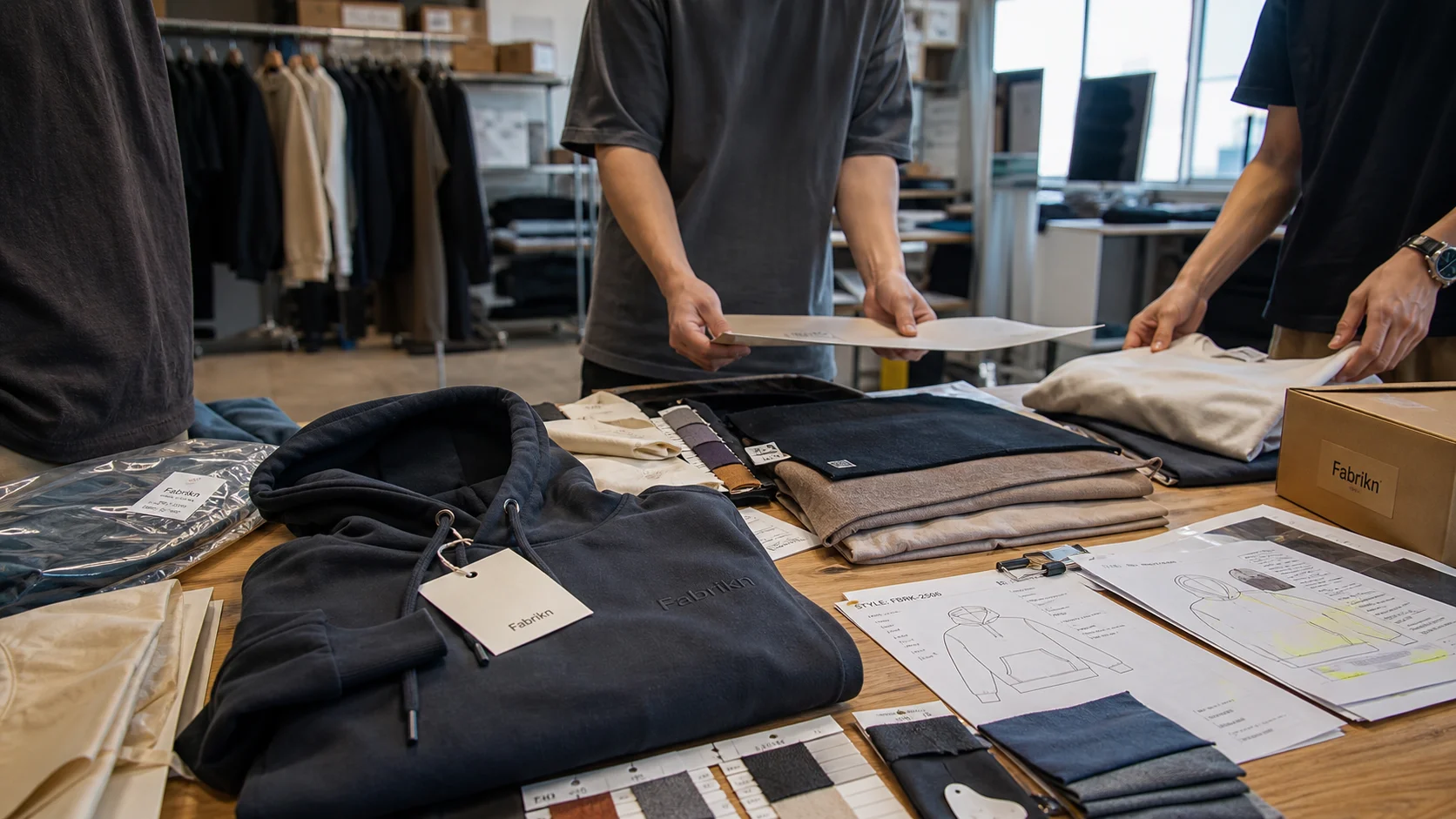
Prioritizing Fast Sample Factories for Fashion Brands with checks for samples, fit, MOQ, QC evidence, pricing terms, and delivery risk.
Fast answer: Prioritizing Fast Sample Factories for Fashion Brands should be judged by production evidence, not by a generic sourcing promise. The buyer needs sample proof, cost breakdowns, QC checkpoints, and delivery buffers in writing.
Ask for recent sample photos, measurement tolerances, fabric or print test assumptions, decoration test notes, packing examples, and a named inspection checkpoint. These details show whether the team can repeat an approved sample at bulk volume.
Separate garment cost, decoration, labels, packaging, sampling, testing, freight, and rush charges. When every cost line is visible, it becomes easier to reduce colorways, adjust size depth, or reserve more time for sampling.
For fashion brands navigating the fast-paced industry landscape, the ability to obtain quick and accurate samples can make or break seasonal launches and key collaborations. Rapid sample turnaround allows design teams to iterate more efficiently, test consumer concepts, and ensure that garments not only meet aesthetic expectations but also comply with technical specifications. When fashion calendars tighten and competitors push ahead with agile product launches, brands that prioritize fast sample factories gain a decisive edge. This is not merely about speed; it is about responsiveness, strategic alignment, and the capacity to move from concept to production without costly delays.
Fashion brands often face pressure from retailers, influencers, and end consumers who demand constant novelty and flawless execution. Prioritizing sample factories with fast turnaround times enables brands to respond to market signals promptly, refine fit and finish, and refine manufacturing instructions before bulk production begins. These streamlined processes help reduce lead times, protect margins, and build a reputation for reliability and innovation. A sample factory that can deliver precise prototypes in days, rather than weeks, becomes a true partner in bringing creative vision into reality.
The fashion industry’s seasonality, influenced by runway trends, retail cycles, and cultural moments, leaves little room for lag. Brands are expected to pivot quickly, align with global supply chains, and deliver seasonal collections that resonate with the shifting tastes of consumers. Now more than ever, fast sample turnaround is not an optional luxury—it is a competitive necessity. Retailers demand proof-of-concept garments, stylists need samples for stories, and buyers require tangible pieces to approve orders. Brands that delay at the sample stage risk missing shipment windows, encountering costly reworks, or losing out on wholesale collaborations.
Prioritizing factories with quick sample capabilities means that fashion houses can move beyond traditional hurdles. It allows for more dynamic design processes, with teams able to physically assess multiple iterations within a compressed timeframe. This agility enhances risk mitigation and accelerates the decision-making cycle. Emphasizing speed in the sample phase also ensures that brands have more runway for critical steps such as fabric testing, wear trials, and compliance checks before committing to mass manufacturing.
Brands seeking fast sample production must adopt a strategic framework for evaluating factories. Prioritization should focus not only on turnaround times but also on reliability, quality, and alignment with the brand’s long-term goals. The most effective approach combines quantitative metrics—such as average sample delivery times and defect rates—with qualitative insights derived from partnerships. Consider the following essential factors when prioritizing factories capable of rapid sample fabrication:
Turnaround time is the core metric. Brands should define target timelines for sample completion according to their design calendars—this may range from three to ten days, depending on complexity. When discussing expectations with factories, inquire about their average turnaround time for similar projects, how they manage priority orders, and whether they offer expedited options for urgent needs. A factory that promises a quick sample must demonstrate consistency through historical performance data, transparent scheduling, and a proactive approach to handling delays.
It is also helpful to understand the factory’s production volume and resource allocation. A facility overloaded with bulk orders might struggle to meet accelerated sample timelines, even if it has the technical capability. Thus, the chosen factory should have dedicated resources, such as a specialized sampling team, to ensure that fast sample orders do not get deprioritized. Prioritizing this specialization within the factory’s workflow provides greater assurance that speed will not compromise craftsmanship.
Speed loses its value if samples fail to meet the brand’s quality standards. Fashion brands must ensure that fast sample factories maintain rigorous quality control protocols, even when working with compressed timelines. Evaluate the factory’s inspection procedures, finishing standards, and fabric handling techniques. Brands should request samples of past work, ideally across multiple categories, to observe how consistent quality is under time constraints.
Also, manufacturers should be adept at replicating complex embellishments, tailoring lines, and technical garments without errors. Quick sample factories often rely on experienced pattern makers, skilled seamstresses, and modern equipment to uphold high quality. Prioritizing factories with internal expertise ensures that expedited sampling does not come at the expense of accuracy. Brands can enhance confidence further by approving small fit sessions or digital prototypes before finalizing critical deliveries.
Fast sample factories must be available and responsive. A factory that proactively communicates, seeks clarifications, and shares progress updates reduces ambiguity and builds trust. Prioritizing factories that view sample work as a collaborative process—rather than a mere technical task—means the brand can benefit from problem-solving insights and expertise during iterations. Evaluate how the factory integrates with your design team, how it handles feedback loops, and whether it offers a single point of contact for sample coordination.
Collaboration also extends to the factory’s understanding of your brand’s language, fit preferences, and premium positioning. Factories that align with a brand’s aesthetic sensibilities are more likely to anticipate adjustments and tailor their sampling process accordingly. Brands should look for a factory that values partnership, is open to experimentation, and quickly adapts to shifting creative briefs.
After identifying desired qualities, fashion brands must conduct a thorough evaluation of potential factories. This involves site visits (virtual or in-person), auditing sample preparation facilities, and assessing how well-equipped the factory is for fast-paced work. A factory’s infrastructure should support agility, integration, and transparency so that accelerated sampling does not sacrifice oversight.
Fast sample factories typically invest in specialized equipment that can expedite pattern cutting, stitching, and finishing processes. Laser cutters, digital plotters, and automated sewing machines can significantly reduce manual labor time, enabling quicker trial garments without losing detail. Brands should ask about their factory’s technology stack, whether it includes rapid prototyping tools, and how these assets are managed during sample production. Likewise, knowledgeable pattern makers and skilled fit technicians create a dependable foundation for quick sampling.
Beyond machines, the workforce’s expertise matters immensely. A dedicated sampling team with experience handling expedited projects can streamline the workflow, maintain consistency, and proactively resolve issues. When evaluating a factory, brands should inquire about staff tenure, training programs, and the balance between automation and artisanal craftsmanship. This combination supports fast sample completion while retaining the bespoke feel required by premium fashion pieces.
Effective sample management depends on robust systems for planning, order tracking, and materials procurement. Factories should have digital portals to share status updates, manage deadlines, and alert brands when inputs are required. Prioritizing factories with such infrastructure enables smoother coordination, as you can visualize progress in real-time and flag any potential roadblocks.
Material sourcing is another critical aspect. Fast sample factories are adept at maintaining material inventories or quickly sourcing fabrics and trims upon request. This agility prevents delays that commonly occur when waiting on specialized textiles. Brands should assess how the factory handles supply chain disruptions, whether they offer fabric libraries for quick access, and how they manage color matching or custom dye requests. A factory equipped with responsive sourcing capabilities can dramatically shorten the sample timeline.
To prioritize a factory confidently, transparency in operations is a must. This includes clear documentation of processes, real-time updates, and easy access to fit notes and quality reports. Brands should look for factories that provide comprehensive sample trackers and a standardized feedback loop. Transparent reporting helps brands identify patterns, optimize future requests, and foster trust.
Compliance should not be overlooked either. Fast sample factories must adhere to regulatory standards, ethical labor practices, and environmental guidelines. Brands need assurance that accelerated timelines do not override compliance protocols. Verifying certifications, understanding social responsibility initiatives, and confirming safe working conditions are all part of a thorough evaluation. Factories that align with a brand’s values become reliable long-term partners in the sampling stage and beyond.
Effective communication is the bedrock of prioritizing fast sample factories. A factory that delays responses or misinterprets specs will undermine even a technically capable sampling operation. Brands should establish clear channels for collaboration, including dedicated project managers, standardized documentation, and milestone reviews.
Setting expectations at the project outset is critical. Provide detailed tech packs, fit preferences, reference images, and any other context that can reduce ambiguity. Fast sample factories appreciate thorough guidance, allowing them to align resources and timelines accordingly. When initiating a sampling project, clearly define deliverable dates, acceptance criteria, and review checkpoints.
Brands should also establish preferred methods of communication. Whether through email, project management tools, or teleconferences, choose a format that supports rapid feedback. Some factories offer digital platforms where brands can leave comments directly on tech packs or share visual notes, which accelerates the revision cycle. Remember that responsiveness is a two-way street; prompt replies from the brand’s team help maintain momentum and prevent production stalls.
Incorporating structured feedback loops is essential to refining samples rapidly. After each sample review, provide specific notes referencing measurements, construction details, and any design adjustments. Prioritizing fast sample factories means both parties must be comfortable with iterative processes, where one or two days between reviews can still lead to meaningful improvements.
Use documented fit sessions, video calls, or annotated images to highlight issues and direct the next iteration. This level of detail reduces guesswork and avoids misinterpretations. Fast sample factories that excel in communication will also provide their own observations and suggest alternatives when feasible. This open dialogue helps you refine garments more efficiently, even when juggling multiple styles per season.
Technology plays an increasingly significant role in accelerating the sampling process. Fashion brands that prioritize factories adopting digital tools can shorten feedback cycles, improve accuracy, and reduce the need for repeated physical samples. Consider how technology can enhance each stage of sampling from design transfer to final presentation.
Fast sample factories often leverage 3D prototyping tools to preview garments before physical production. These digital replicas allow designers to assess drape, fit, and proportions, reducing the number of physical iterations required. Brands can prioritize factories that balance tactile samples with digital previews, thereby expediting the initial review phase.
Further, 3D tools can highlight technical issues that might be costly to fix later. For instance, visualization software demonstrates how fabrics behave under movement, how seams align, and how color plays across textures. Factories that provide these digital services not only shorten the sample cycle but also support sustainability by limiting waste. Prioritize factories that integrate digital renderings within their sample packages, so your team gains earlier insights and confidence before approving physical garments.
Implementing real-time collaboration platforms makes coordination easier. These platforms allow design, production, and sourcing teams to view updates, comment on progress, and download revisions instantly. Prioritize factories that embrace such tools. Look for partners that offer shared dashboards, automated notifications, and accessible document repositories.
These systems reduce delays caused by miscommunication. When brands can view the status of samples, download precise measurements, or watch construction videos, the need for endless email threads drops significantly. Fast sample factories that use technology to surface issues early can counterbalance the typical back-and-forth cycle. This environment empowers faster approval and smoother handoffs to bulk production.
To illustrate how prioritizing fast sample factories transforms operations, consider scenarios where brands reduced their sample-to-production timelines and accelerated market readiness. These case studies reflect the tangible value of investing in fast, reliable sampling partners and highlight actionable takeaways for other fashion businesses.
A contemporary womenswear label partnering with a fast sample factory experienced a dramatic shift in its approach to seasonal launches. By selecting a factory dedicated to swift sampling, the brand reduced its average sample cycle from three weeks to nine days. The strategic shift enabled designers to explore more silhouettes, finalize fit adjustments quicker, and gather market feedback ahead of wholesale deadlines.
Key actions included pre-planning sampling windows, aligning internal and factory teams on decision timelines, and maintaining open lines for rapid feedback. The factory utilized a focused sample team, digital tracking tools, and prioritized communications. As a result, the brand not only launched on schedule but also increased its wholesale fill rate by 22 percent, thanks to refined fit and faster approvals.
An emerging streetwear label needed to scale quickly for a high-profile collaboration. Prioritizing a factory known for quick sample delivery allowed the brand to iterate multiple capsule pieces alongside the partner’s creative team. The partnership included dedicated contact points, clearly defined expectations, and mutual trust. By fast-tracking samples, the brand met the collaboration deadline while ensuring each silhouette aligned with the partner’s aesthetic and technical standards.
The factory’s ability to source unique trims, maintain color fidelity, and provide transparent updates proved essential. The collaboration garnered strong press attention, resulting in a sold-out capsule. This success highlighted how fast sample turnaround can expand a brand’s capacity for trepidation-free experimentation and timely launches.
To fully leverage fast sample factories, fashion brands should adopt standardized practices that reinforce speed, clarity, and mutual accountability. Consider these actionable strategies:
Also, plan for contingencies. Even the fastest factories may encounter delays if materials lag or if modifications exceed expectations. Establish clear escalation protocols so the sample team can flag issues immediately, allowing you to make informed decisions quickly. Regularly reviewing sample performance data helps you identify patterns, adjust timelines, and continually enhance your prioritization strategy.
Integrating factories that share your sense of urgency and commitment to quality is a strategic advantage. By prioritizing fast sample factories, brands position themselves to respond effectively to market demands, maintain consistent innovation, and deliver compelling, on-trend collections ahead of competitors. Fabrikn’s approach to manufacturing emphasizes collaboration and transparency—visit our services page to explore how we support speedy sampling and tailored production solutions.
Whether you need guidance on designing for efficiency, managing complex fit requirements, or scaling a collection with precision, Fabrikn is ready to collaborate. Reach out through our contact us page to discuss how we can align our sample and production practices with your brand’s goals. Learn more about our journey and capabilities on our about us page.
Fashion brands that prioritize factories capable of delivering quick, reliable samples gain a strategic advantage in an increasingly competitive industry. Fast sample turnaround reduces lead times, enhances creative flexibility, and supports timely market engagement. By evaluating factories based on turnaround metrics, infrastructure, communication clarity, technology integration, and collaborative mindset, brands can identify partners equipped to keep pace with their vision and seasonal demands.
Ultimately, speed must align with quality. The most effective sample factories blend agility with craftsmanship, offering transparent processes, dedicated teams, and technology that accelerates decisions without sacrificing detail. By adopting best practices, maintaining open feedback loops, and nurturing long-term relationships with trusted factories, brands can ensure their sampling phase remains a source of strength rather than a bottleneck. Prioritizing fast sample factories is a forward-thinking decision that enables fashion brands to remain responsive, innovative, and fully prepared for every launch opportunity.
Get a free quote from Fabrikn — your trusted B2B clothing manufacturer with 10+ years of experience. MOQ as low as 200 pieces.
Get a Free Quote →Fast sample turnaround enables faster decision-making, quicker iterations, and more reliable launches. It ensures brands can respond to seasonal demands, maintain relevance in competitive markets, and reduce costly delays during the design-to-production phase.
Brands should work with factories that maintain rigorous quality controls, have specialized sampling teams, and use advanced equipment. Providing clear documentation, conducting structured fit sessions, and allowing for feedback loops help maintain quality even under tight timelines.
Effective communication ensures clarity around expectations, rapid coordination, and timely problem-solving. Brands should establish dedicated contact points, share detailed tech packs, and leverage digital tools for real-time updates to ensure swift and accurate sample production.
Look for factories with dedicated sample teams, transparent turnaround data, supportive technology, and testimonials or case studies highlighting fast delivery. Visiting facilities and asking detailed questions about scheduling, materials sourcing, and follow-up processes can reveal their readiness for expedited work.