
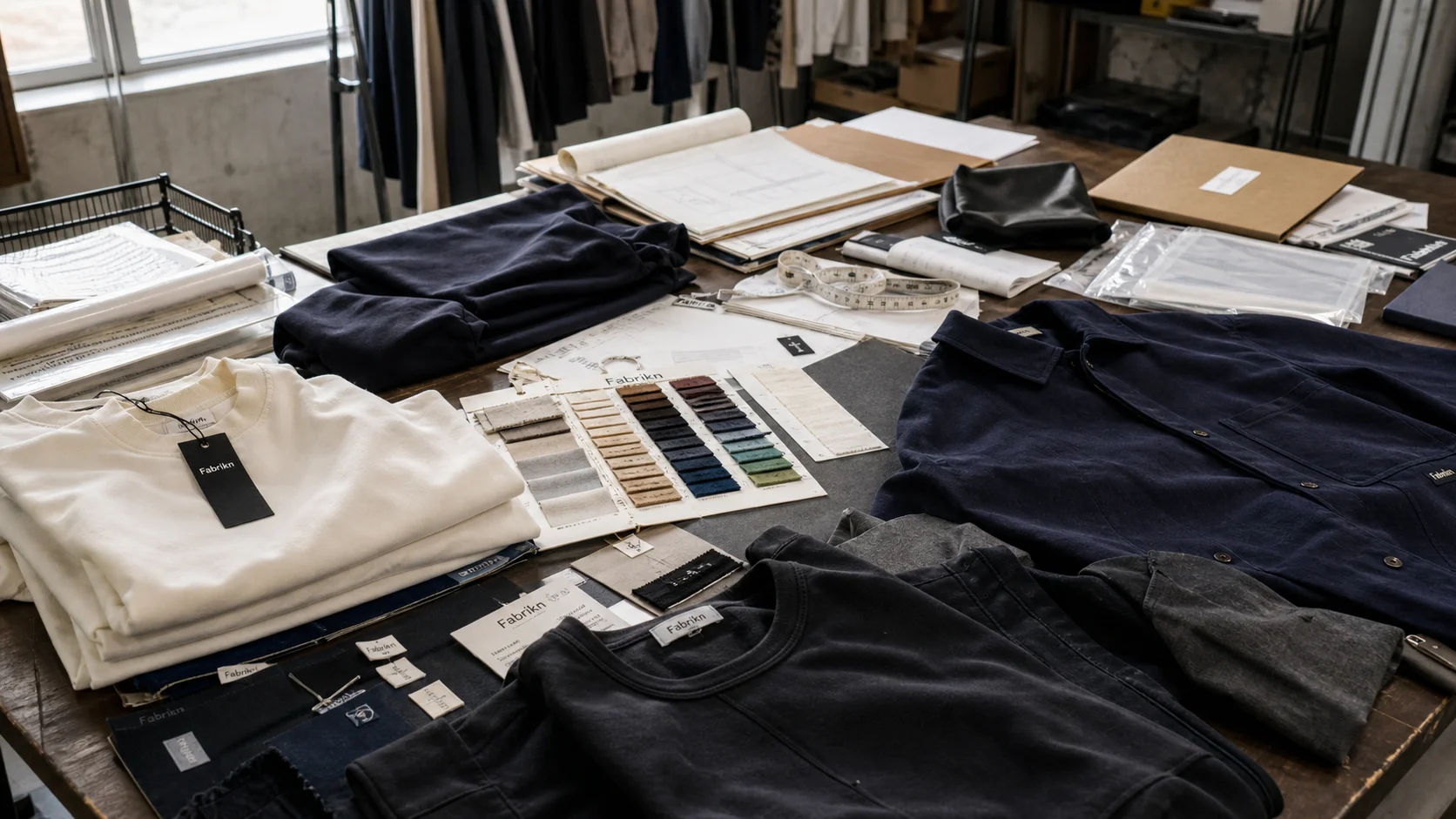
Many Samples Before Bulk Production compared by sample evidence, fabric or trim specs, MOQ, AQL terms, cost lines, delivery timing, and rework responsibility.
Fast answer: Many Samples Before Bulk Production: Sample Evidence, MOQ, Capacity, and Rework Terms should be judged by production evidence, not by a generic sourcing promise. The buyer needs sample proof, cost breakdowns, QC checkpoints, and delivery buffers in writing.
Ask for recent sample photos, measurement tolerances, fabric or print test assumptions, decoration test notes, packing examples, and a named inspection checkpoint. These details show whether the team can repeat an approved sample at bulk volume.
Separate garment cost, decoration, labels, packaging, sampling, testing, freight, and rush charges. Clear cost lines make it easier to reduce colorways, adjust size depth, or reserve more time for sampling.
When navigating the manufacturing process for a new clothing line, one of the most common questions brands face is how many samples before bulk production are necessary. This question is more than just logistical—it touches on quality assurance, control of costs, timeline certainty, and ultimately, brand reputation. For many designers and apparel brands, the sample phase is where ideas are tested, iterations are made, and crucial decisions are taken before committing to large volume orders.
Sampling allows you to evaluate fit, fabric behavior, construction techniques, trims, and the overall craftsmanship of the garment. While some brands may assume a single prototype is enough to move forward, the reality is that such an approach can lead to missed issues, unexpected production delays, and increased costs. As a clothing manufacturer, Fabrikn works closely with clients to determine the optimal number of samples needed based on design complexity, fabric selection, and market goals.
Understanding the answer to "how many samples before bulk production?" depends on what stage your product is in, how confident you are in your specs, and how much risk you are willing to accept. By creating a structured sampling roadmap, you minimize surprises and gain a clear line of sight into what comes next.
Before jumping into bulk production, it’s important to recognize the different sample types that serve distinct purposes throughout the development process. Each serves as a checkpoint that helps ensure quality, alignment, and readiness.
This initial sample stage involves creating physical interpretations of your concept sketches and technical specifications. Often referred to as a concept sample, this version verifies that the garment can be constructed as envisioned. At this point, focus is placed on silhouette, construction feasibility, and the accuracy of trim placement.
Once the prototype matches the design, a fit sample is produced using a muslin or cheaper fabric. The goal here is to assess the fit on model bodies or mannequins, check seams, and fine-tune measurements. Depending on how precise your grading or pattern adjustments need to be, you might go through several fit iterations—each resulting in a new sample until the desired fit is achieved.
For garments with complex color stories or special textile requirements, fabric swatch samples allow you to confirm the dye lot, print placement, and colorfastness. If your design uses multiple fabrics, each must be evaluated to ensure they work cohesively in the final garment. Suppliers often send color cards, but physical samples are essential for final approvals.
The Pre-Production Sample is the most critical sample before bulk. This sample mirrors your final production run as closely as possible, using the exact fabrics, trims, stitching methods, and finishing techniques. Approving the PPS means you are ready to proceed to bulk manufacturing. It's typically produced after all earlier stages have been signed off and after final adjustments. Many factories insist on this step to certify that every detail has been accounted for.
In many cases, brands request size set samples to evaluate grading consistency across multiple sizes. This is key when you are targeting a wide size range. Seeing or trying on sizes such as XS, M, L, and XL helps identify grading issues that could impact fit in actual wear.
Also known as presentation samples, these are created for marketing or buyer pitches. While not directly part of the technical approval process, they often stem from earlier approved samples and reflect the desired final product.
The sequencing of samples and the timing between them is crucial. The general timeline for developing a garment before bulk production typically follows these stages:
This timeline can vary depending on the complexity of the garment, the number of revisions required, and the communication efficiency between your team and the manufacturer. In some instances, simpler designs might move through this cycle more quickly, while highly technical garments require more iterations.
It's essential to build buffer time into your schedule. A rushed sampling process risks overlooking garment flaws and may lead to costly rework after bulk production has started.
Even after multiple samples are approved, knowing that you’re ready for bulk production involves more than just fit and aesthetics. Below are the critical decision points you and your manufacturer should consider:
Has the fabric been sourced and pre-ordered for the bulk run? If not, quantities in sample runs may not match actual bulk lot availability. Confirm that the mill can supply the required yardage and that the color/print is consistent across the planned quantity.
Ensure all trims, buttons, labels, and hardware are finalized. Small changes to trims after bulk production begins can introduce delays and extra costs. Samples should demonstrate how these trims integrate, and approvals must include trim spec sheets.
The pattern should be finalized and graded for all planned sizes before committing to production. Sample iterations often uncover pattern flaws that need correction. If grading has not yet been confirmed, consider additional size set samples.
Hold a review meeting with your manufacturing partner to go through every aspect of the garment. Every stakeholder should agree that the Pre-Production Sample reflects the final garment. Once this alignment is achieved, bulk production can proceed with confidence.
Quality assurance isn't just about surface-level inspections. The sample phase allows you to test every detail. Here’s how robust sampling improves quality:
Manufacturers like Fabrikn emphasize open dialogue during sampling so that quality expectations are crystal clear. Communication on tolerance levels, defect allowances, and acceptable finishing quality helps avoid surprise mismatches once production scales up.
Producing samples incurs costs, so brands often wonder how many samples before bulk production strike the right balance between thoroughness and budget control. Here’s how to approach the trade-off:
If your product is highly technical or uses innovative materials, increasing sample iterations may be wise. It’s an investment in minimizing costly errors later. For less complex garments, fewer samples might be acceptable while ensuring essential details are covered.
If you’re producing multiple colorways or trims that share the same base garment, consider consolidating sampling efforts. Approve one colorway first, then replicate with minor adjustments for others. Discuss with your manufacturer to determine if a single sample can represent the entire range with slight modifications.
Using 3D prototyping tools can reduce some sampling needs. These technologies allow you to visualize fit, drape, and fabric behavior virtually before the first physical sample is made. While not a full replacement, they can help narrow down choices and limit the number of costly physical samples.
Include sample expenses in your budget early. Sample approval contributes to faster time to market and fewer production reworks. Allocate funds for at least 3-5 samples per style depending on complexity, and work closely with your manufacturer to optimize delivery times.
Leading clothing manufacturers follow these best practices when advising clients on how many samples before bulk production are necessary:
A precise tech pack reduces guesswork. Include detailed measurements, fabric references, trim placement, and stitching instructions. When everyone is working from the same documentation, sample iterations go faster.
Document each sample iteration. Include notes about what changed, why, and who approved the adjustments. This log becomes a reference during production and helps prevent repeating past mistakes.
Create a pre-bulk checklist covering fit approval, fabric confirmation, trim sign-off, washing tests, and labeling. Completing the checklist with your manufacturer ensures nothing is missed.
Engage with your manufacturing partner from the planning stage. Fabrikn’s team collaborates closely with each brand to map a suitable sampling schedule and identify how many samples before bulk production are appropriate for their line. This collaborative approach promotes transparency and mutual accountability.
Remember that sample production itself takes time. Shipping between countries or across continents adds days or even weeks. Build this into your launch timeline, especially if you need to present samples to retailers or buyers before final approval.
Approved samples can be repurposed for photo shoots, influencer campaigns, and press previews. This way, the time and money invested into sampling also support marketing efforts.
Get a free quote from Fabrikn — your trusted B2B clothing manufacturer with 10+ years of experience. MOQ as low as 200 pieces.
Get a Free Quote →A strong brief makes the supplier's job narrower and the quote more reliable. For how many samples before bulk production? clothing manufacturer’s, include the target customer, sales channel, expected order quantity, size range, decoration needs, packaging requirements, and delivery market. Then call out the details most likely to affect the result, especially calendar buffer, sample owner, and revision limit.
The brief should also explain what cannot change. Some brands care most about hand feel, some about price, some about launch timing, and some about retail compliance. When those priorities are not written down, suppliers tend to optimize for whatever is easiest to quote. Clear priorities help the factory make better tradeoffs before the first sample is cut or printed.
Ask the supplier to respond with assumptions, not just a price. A useful reply states MOQ, sample route, production capacity, inspection plan, packing method, and freight handoff. If the answer is vague, the project may still work, but it needs a tighter pre-production stage before money and calendar pressure build up.
The best time to catch problems is before the pre-production sample is approved. Check measurements, color, placement, material behavior, shrinkage, construction, labels, and packaging in the same review instead of approving each item in isolation. Many bulk issues are not caused by one dramatic mistake; they come from several small unchecked assumptions.
For how many samples before bulk production? clothing manufacturer’s, pay special attention to sign-off date, launch channel, and freight handoff. These details often look minor in an email but become expensive once cutting, printing, sewing, packing, or shipping begins. A simple checklist with owner, due date, and approval status keeps the brand team and factory aligned.
Bulk production should not start until the supplier can explain how the approved sample becomes a repeatable production standard. That means reference sample storage, line instructions, inline checks, final inspection, and defect handling. A factory that can describe this process clearly is usually safer than one that only promises speed.
Price differences are useful only when the quotes cover the same work. Compare sample cost, material source, trims, decoration, packaging, testing, inspection, and freight assumptions. A low unit price can become expensive if it excludes items the brand needs before launch.
Timeline promises deserve the same scrutiny. Ask what happens if the first sample needs revision, whether materials are in stock, when the production slot is reserved, and how export packing is handled. The most reliable supplier is often the one that gives a realistic calendar instead of the fastest optimistic answer.
Q: How many samples are typically necessary before bulk production?
A: While it varies by design complexity, most brands benefit from at least three to five samples: initial prototype, fit iterations, fabric/color validation, and a final Pre-Production Sample. More intricate garments may require more iterations.
Q: What happens if the Pre-Production Sample isn’t approved?
A: If the Pre-Production Sample doesn’t meet expectations, adjustments are made and a revised PPS is produced. Bulk production should only begin once the PPS fully aligns with your quality standards.
Q: Can digital samples replace physical ones?
A: Digital sampling tools can complement physical sampling by helping to visualize designs and fit before making physical prototypes. However, physical samples remain essential for testing fabrics, trims, and construction in real-world conditions.
Q: How do I manage sample costs?
A: Optimize the number of iterations by grouping similar styles, using precise tech packs to prevent misunderstandings, and scheduling fit sessions efficiently. Regular communication with your manufacturer helps avoid redundant samples.
Q: Where can I learn more about Fabrikn’s sampling and production services?
A: Visit Fabrikn’s services page to understand our full manufacturing workflow, including sampling strategy. For partnership inquiries, reach out via contact us or read more about our mission and capabilities on the about us page.
Prepare target quantity, product specs, size range, artwork, packaging expectations, delivery market, and a realistic launch date. Include calendar buffer and sample owner so suppliers can quote the real job instead of guessing.
Look for clear sample steps, capacity limits, QC checkpoints, and a willingness to discuss risks early. Strong suppliers can explain what they control, what they outsource, and where delays usually happen.
Use a written brief, a pre-production sample, and a final checklist for measurements, materials, trims, packaging, and inspection. That creates a reference both sides can use during production.