
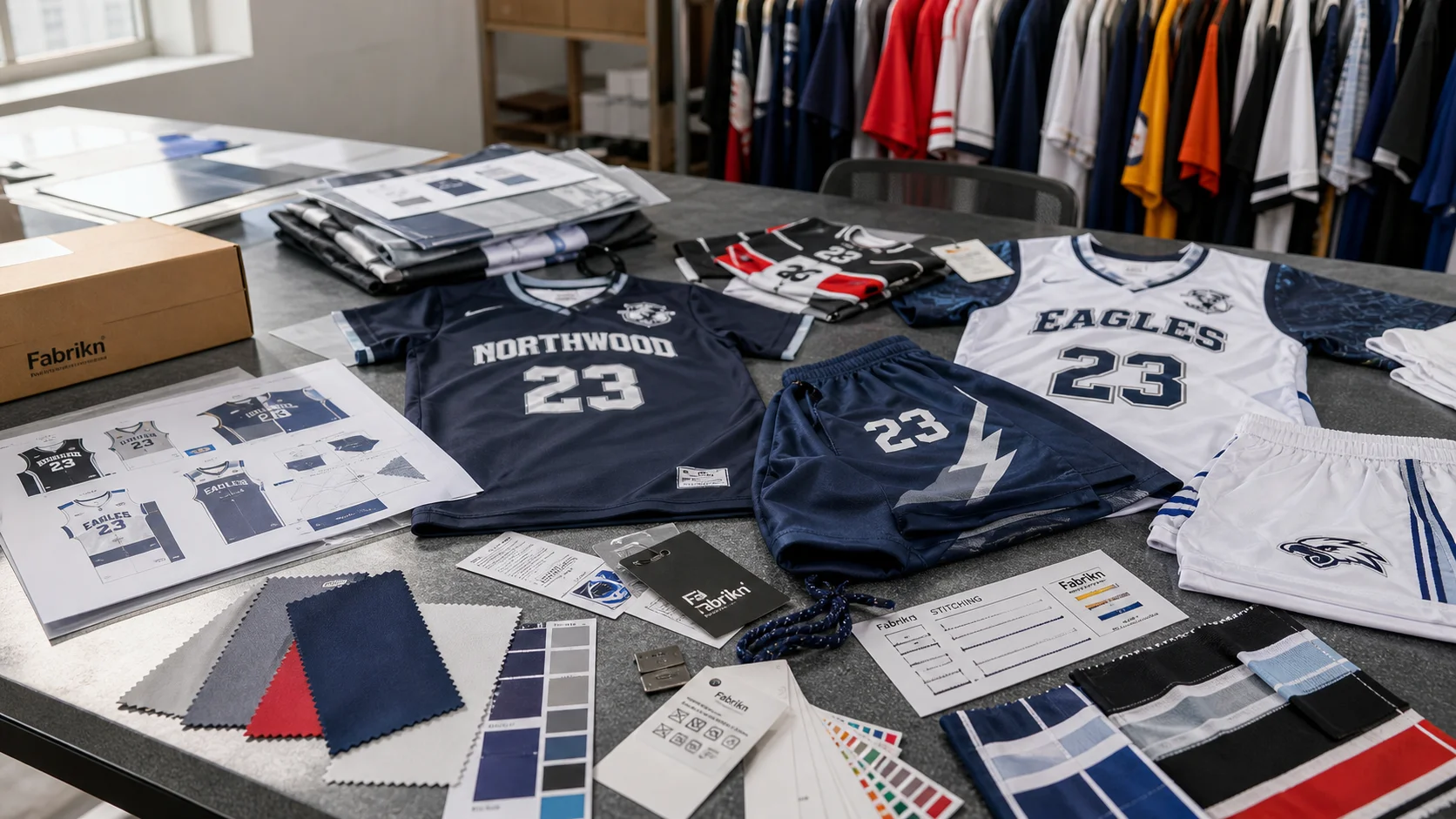
Build Wholesale Relationships Repeat Orders compared by sample evidence, fabric or trim specs, MOQ, AQL terms, cost lines, delivery timing, and rework...
Fast answer: Build Wholesale Relationships Repeat Orders: Tech Pack, Sample Gate, MOQ, and QC Terms should be judged by production evidence, not by a generic sourcing promise. The buyer needs sample proof, cost breakdowns, QC checkpoints, and delivery buffers in writing.
Ask for recent sample photos, measurement tolerances, fabric or print test assumptions, decoration test notes, packing examples, and a named inspection checkpoint. These details show whether the team can repeat an approved sample at bulk volume.
Separate garment cost, decoration, labels, packaging, sampling, testing, freight, and rush charges. Clear cost lines make it easier to reduce colorways, adjust size depth, or reserve more time for sampling.
In wholesale, the first order is only the beginning. The real growth comes from building strong, reliable relationships with buyers that lead to repeat business, larger purchase volumes, and long-term partnerships. For clothing manufacturers and apparel suppliers, learning how to build wholesale buyer relationships is one of the most effective ways to create stability in a competitive market.
Wholesale buyers are not just looking for products. They want partners they can trust to deliver consistent quality, clear communication, on-time production, and flexibility when market demand shifts. If you can become a dependable solution for their business, you dramatically increase the chances of turning one-time customers into repeat buyers.
In this article, we’ll break down practical strategies for how to build wholesale buyer relationships that drive repeat orders, improve retention, and strengthen your brand reputation in the B2B space.
Wholesale relationships are built on more than pricing alone. While cost matters, buyers also evaluate dependability, communication, product consistency, and how easy it is to work with a supplier over time. A strong relationship reduces friction during the buying process and creates confidence in every reorder.
For manufacturers, repeat orders are especially valuable because they lower acquisition costs, improve production forecasting, and create a more predictable revenue stream. Instead of constantly chasing new customers, you can invest in account growth, product expansion, and long-term contract opportunities.
Strong buyer relationships also support brand resilience. When market conditions change, buyers are more likely to stay loyal to a supplier they trust. That loyalty can be the difference between retaining accounts and losing them to competitors.
If you want to explore how a reliable manufacturing partner supports buyer retention, you can learn more about our services and how they help brands and businesses scale with confidence.
The foundation of any good wholesale relationship is understanding the buyer’s business. A retail store, online seller, distributor, or private-label brand each has different priorities. Some may care most about fast turnaround times, while others need custom designs, lower minimums, or stable replenishment schedules.
To build a strong relationship, take time to learn:
When you understand these details, you can recommend products and solutions that fit their real needs. This positions you as a strategic partner instead of just another vendor.
Asking thoughtful questions during onboarding and follow-up conversations helps you uncover opportunities for repeat orders. For example, if a buyer is struggling with stockouts, you can suggest reorder planning. If they are launching new collections, you can help them anticipate production timelines.
Clear communication is one of the most important factors in wholesale buyer retention. Buyers want to know where their order stands, what to expect next, and how quickly you will respond if something changes.
To strengthen relationships, establish a communication process that includes:
Consistency matters as much as speed. A buyer should feel that your team is organized, professional, and dependable at every stage. When communication is smooth, it reduces uncertainty and builds confidence in future orders.
It is also important to align communication channels with the buyer’s preferences. Some wholesale buyers prefer email, while others may want quick updates via phone or messaging platforms. Matching their style can improve the working relationship and make collaboration easier.
In wholesale, quality is not optional. A great relationship can be damaged quickly by inconsistent garments, inaccurate sizing, poor stitching, or late deliveries. Buyers need to know that every reorder will meet the same standard as the first one.
Quality consistency builds trust because it reduces risk for the buyer. If your clothing products arrive as expected, they can confidently sell or distribute them to their own customers without worry.
To maintain quality over time:
If you manufacture apparel for wholesale buyers, consistency in production is a major competitive advantage. Buyers are more likely to reorder from suppliers who deliver the same fit, finish, and fabric quality every time.
One of the easiest ways to improve buyer relationships is to remove friction from the ordering process. The simpler it is for buyers to place orders, track progress, and reorder products, the more likely they are to continue working with you.
An efficient process should include:
When buyers have to repeat information, wait too long for updates, or navigate confusing paperwork, they may begin looking elsewhere. A streamlined process saves them time and positions your business as easy to work with.
This is also where strong operational support matters. If your internal systems are organized, your buyers will feel more confident placing additional orders. For businesses exploring a manufacturing partnership, our contact us page is a good starting point for discussing order requirements and production needs.
Wholesale buyer relationships become stronger when you offer value beyond the item itself. Buyers appreciate suppliers who help them make better decisions, reduce operational stress, and grow sales.
Some ways to add value include:
When buyers see that you understand their business, they are more likely to view you as a long-term partner. This kind of relationship is especially powerful in B2B clothing manufacturing, where product strategy and timing can have a direct impact on sales performance.
If you want to learn more about Fabrikn’s background and approach, you can also visit our about us page.
Trust is the foundation of repeat wholesale orders. Buyers need honest information about pricing, lead times, production capacity, and potential risks. Overpromising may win a first order, but transparency is what keeps buyers coming back.
To build trust, be upfront about:
If a delay happens, communicate it early and explain the solution. Buyers are often more forgiving when they feel informed and respected. In contrast, surprises damage credibility and make it harder to secure future business.
Transparency also includes being honest about whether your products are the right fit for the buyer’s goals. A supplier that says “no” when necessary can earn more trust than one that accepts every request without the ability to deliver well.
Even in wholesale, personalization matters. Buyers want to feel recognized as individual business partners rather than generic accounts. A tailored approach shows that you value the relationship and pay attention to details.
Personalization can include:
Small gestures often make a big impact. A buyer who feels understood is more likely to return for future orders and recommend your company to others in their network.
For clothing manufacturers, personalization is especially important because fit, fabric, and branding needs vary widely across buyers. A tailored service model can significantly improve retention.
No supplier gets everything right every time. What matters most is how you handle problems when they arise. Buyers are more likely to continue working with a vendor who responds quickly and takes responsibility than with one who avoids the issue.
When there is a problem, follow this approach:
Professional problem-solving can actually strengthen a relationship. Buyers remember suppliers who handle challenges with honesty and accountability. In many cases, a well-managed issue can build more trust than a smooth transaction with no communication at all.
The key is to avoid defensive language and focus on outcomes. Buyers want solutions, not excuses.
Repeat orders often happen because a supplier stays top of mind. If you disappear after the first sale, the buyer may move on to another vendor. A thoughtful follow-up strategy helps keep the relationship active and encourages reorders at the right time.
A strong follow-up process may include:
Timing matters. Follow up too early and it may feel pushy. Follow up too late and the buyer may have already found another supplier. The best approach is to understand the buyer’s ordering rhythm and stay relevant without being intrusive.
Automated reminders can help, but personal outreach is often more effective for high-value wholesale accounts. A quick conversation about performance, demand trends, or upcoming plans can open the door to a new order.
To improve wholesale buyer relationships over time, you need to track what is working. Measuring the right metrics can reveal whether your efforts are turning into long-term business growth.
Useful indicators include:
These numbers can help you identify at-risk accounts, successful communication patterns, and opportunities for upselling or cross-selling. If a buyer has not reordered in a while, it may be time for a tailored outreach campaign.
Tracking performance also helps you refine internal processes. If repeat orders improve when timelines are shorter or communication is more frequent, you can make those practices standard across the business.
Learning how to build wholesale buyer relationships is one of the most important skills in B2B sales and manufacturing. Repeat orders do not happen by chance. They are the result of trust, consistency, clear communication, and a strong understanding of the buyer’s business.
When you focus on delivering quality, simplifying the ordering process, offering value beyond the product, and following up at the right time, you create the conditions for long-term loyalty. That loyalty translates into more predictable revenue, stronger account growth, and a more resilient wholesale business.
For clothing manufacturers and apparel brands, the opportunity is even greater. Buyers who trust your production and service are far more likely to reorder, expand product lines, and build an ongoing partnership with your company.
If you are ready to work with a manufacturing partner that understands wholesale relationships, explore our services or reach out through our contact us page.
Get a free quote from Fabrikn — your trusted B2B clothing manufacturer with 10+ years of experience. MOQ as low as 200 pieces.
Get a Free Quote →The best way is to combine reliable product quality, clear communication, transparency, and consistent follow-up. Buyers stay loyal to suppliers who make their jobs easier and their inventory more dependable.
Repeat orders come from trust and value. Deliver quality on time, understand the buyer’s needs, and follow up with relevant reorder reminders or new product suggestions.
Buyers often switch because of inconsistent quality, poor communication, late deliveries, pricing issues, or a supplier that does not understand their business needs.
Follow-up timing depends on the buyer’s order cycle. A good approach is to check in after delivery, then again when they are likely to need replenishment or seasonal planning support.
A trustworthy supplier is transparent about timelines, honest about capabilities, consistent in quality, and responsive when issues come up. Reliability is the key trust signal in wholesale relationships.
Yes. Personalized service helps buyers feel understood and valued. Tailored recommendations, reorder reminders, and account-specific support can significantly improve retention.