
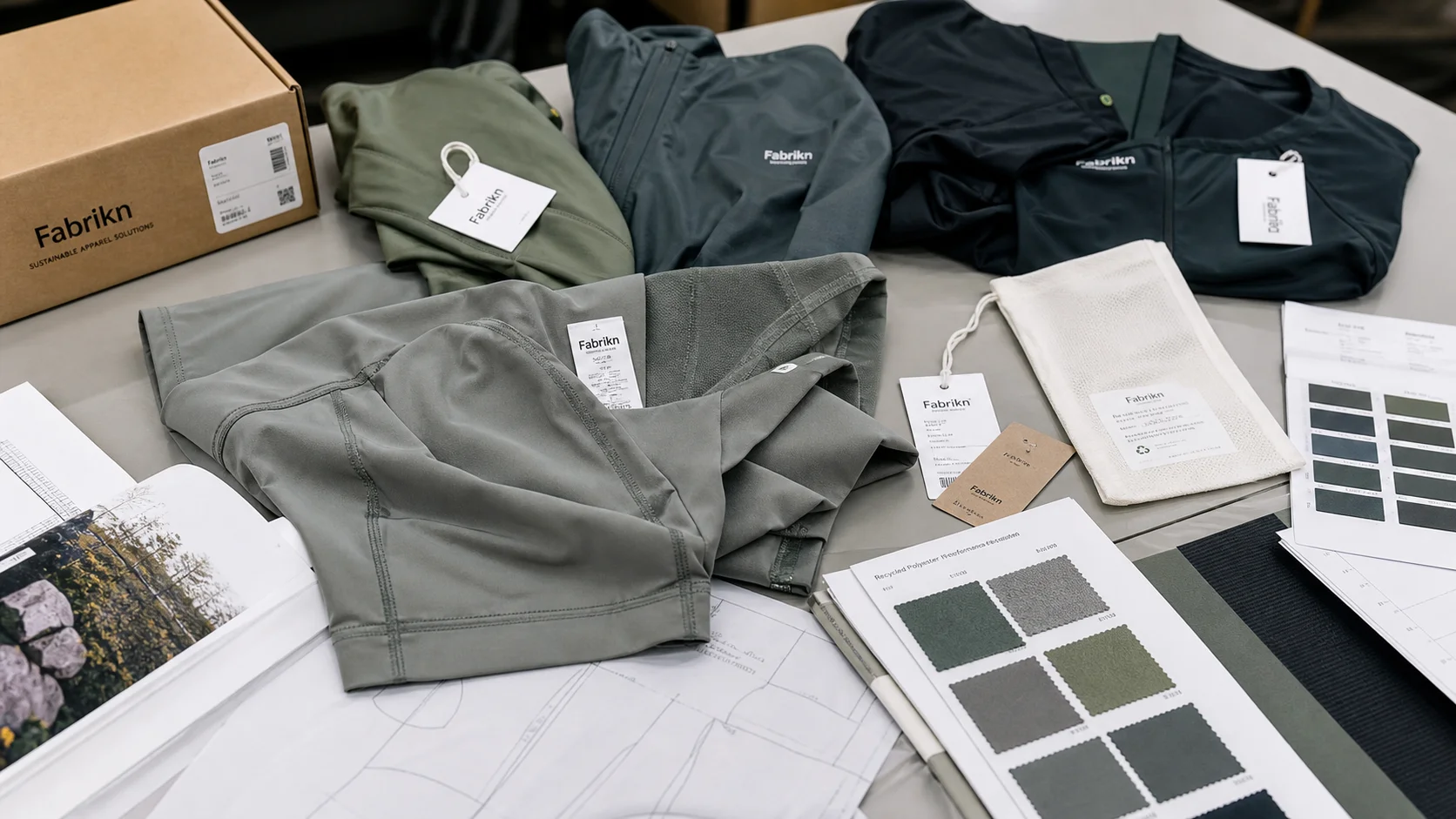
Wholesale for Your Clothing Brand compared by sample evidence, fabric or trim specs, MOQ, AQL terms, cost lines, delivery timing, and rework responsibility.
Fast answer: Wholesale for Your Clothing Brand: Tech Pack, Sample Gate, MOQ, and QC Terms should be judged by production evidence, not by a generic sourcing promise. The buyer needs sample proof, cost breakdowns, QC checkpoints, and delivery buffers in writing.
Ask for recent sample photos, measurement tolerances, fabric or print test assumptions, decoration test notes, packing examples, and a named inspection checkpoint. These details show whether the team can repeat an approved sample at bulk volume.
Separate garment cost, decoration, labels, packaging, sampling, testing, freight, and rush charges. Clear cost lines make it easier to reduce colorways, adjust size depth, or reserve more time for sampling.
For a clothing brand, wholesale can be one of the fastest ways to scale revenue, increase visibility, and build credibility. But not every wholesale buyer is a good fit. The wrong buyer can damage your pricing structure, create fulfillment headaches, stretch your production capacity, and weaken your brand positioning.
Choosing wholesale buyers for your clothing brand is not just about getting orders. It is about finding retail partners who understand your value, support your growth, and represent your brand in the right way. A well-matched buyer can help you expand into new markets, strengthen your reputation, and create consistent demand. A poor fit can lead to returns, low sell-through, payment delays, and brand dilution.
In business-to-business clothing manufacturing, the best wholesale relationships are built on mutual fit, trust, and long-term potential. Whether you are selling to boutiques, department stores, online retailers, or multi-brand concept shops, the decision should be strategic. If you are still refining your production and wholesale approach, you can explore our services to see how a manufacturer can support brand growth from sampling to production.
Before you start pitching buyers, define exactly who your ideal wholesale customer is. This will save time, improve conversion rates, and help you focus on the partners most likely to succeed with your collection.
Your wholesale buyers should match your brand’s aesthetic, price point, and customer expectations. A luxury streetwear brand will not be well suited to a budget-focused discount retailer. Similarly, a premium sustainable label should seek buyers who value quality, storytelling, and ethical sourcing.
Think about where your products sell best. Common wholesale channels include:
Each channel has different expectations around pricing, volume, styling, merchandising, and turnaround time. A clear channel strategy helps you avoid buyers who are not aligned with your operational model.
Wholesale buyers purchase with their own customers in mind. If you know the demographics, lifestyle, and shopping behavior of your end consumer, you can identify buyers serving the same audience. Ask yourself:
The more clearly you define your consumer, the easier it becomes to spot the right wholesale buyers.
Brand fit is one of the most important factors when choosing wholesale buyers for your clothing brand. Even a high-volume buyer is not valuable if they do not align with your brand values or market positioning.
Look at the products they already stock. Do they carry brands similar in style, quality, and price? If your brand sits at a premium level, does the buyer already support premium labels? If you specialize in sustainable basics, do they feature eco-conscious brands or transparency-focused collections?
A buyer’s assortment tells you a lot about their customer base, merchandising strategy, and willingness to support a new label.
Wholesale buyers need to be able to retail your product at a healthy margin. This means your wholesale pricing must fit their retail model without forcing them into discounting too quickly. If your pricing is too high for their market, your products may not sell through. If it is too low, your brand may appear less desirable or may leave too little margin for them to promote it properly.
Location matters. A buyer in a warm climate may need different fabrics, categories, or delivery timing than one in a cold-weather market. International buyers may also require more planning around lead times, duties, and shipping.
For seasonal collections, ask whether the buyer’s selling calendar matches yours. A mismatch can create missed opportunities and inventory pressure.
One of the biggest risks in wholesale is delayed or unpaid invoices. Before committing to a buyer, assess their financial stability and payment history. This does not mean you need to become a credit analyst, but you should take reasonable steps to protect your business.
Look for signs of business stability. How long have they been operating? Do they have a solid retail presence? Are they actively promoting and replenishing inventory? Have they expanded successfully over time?
A store or retailer that looks active and healthy is generally less risky than one with unclear operations or frequent closures.
Always define payment terms in advance. Common terms include prepaid orders, net 30, or net 60 depending on the relationship and buyer profile. If you are early in your wholesale journey, you may want to start with more secure terms until trust is established.
Using written agreements helps reduce misunderstandings and gives both sides clarity about deposits, shipping schedules, returns, and claims.
If a buyer is resistant to discussing terms, asks for unusually long payment windows, or has a history of late payments, proceed carefully. A wholesale partnership should support your cash flow, not create stress around production and payroll.
Not all wholesale buyers are valuable for the same reasons. Some bring large initial orders but little follow-up. Others start smaller but grow steadily and become long-term accounts. When choosing wholesale buyers for your clothing brand, look at both current order size and future potential.
Large orders can be exciting, but they can also strain your manufacturing capacity. Make sure your production setup can handle the order without sacrificing quality, delivery timelines, or service to existing customers. If you need support scaling production or improving consistency, a manufacturer relationship can be essential. Learn more about our company on the about us page.
The best wholesale buyers are those who can reorder. A smaller account that replenishes regularly may be more profitable than a one-time large purchase. Ask how they manage inventory, how often they reorder, and what sell-through performance they expect before buying again.
A strong buyer may start with one category, one region, or one store, but later expand to more locations or product lines. If they have a growth mindset and a strong merchandising team, they may become a strategic long-term partner for your clothing brand.
Wholesale relationships work best when both sides can operate efficiently together. Even a buyer with strong sales potential may not be ideal if your processes do not align.
Ask how they place orders, how far in advance they plan, and what systems they use. Some buyers prefer seasonal line sheets and manual purchase orders. Others work through digital ordering platforms or require EDI integration. Knowing this upfront helps you decide whether you can support their workflow.
Your business should have clear minimum order quantities, minimum opening orders, and reorder requirements if needed. If a buyer cannot meet your minimums, the relationship may not be financially worth it. At the same time, if your minimums are too high, you may exclude smaller but promising accounts.
Different buyers have different delivery expectations. Some need strict ship windows. Others require split deliveries or international shipping arrangements. Make sure you can meet these demands without creating extra cost or complexity.
Operational compatibility is especially important in clothing manufacturing because lead times, fabric sourcing, and quality control all affect final delivery. A buyer who understands production realities is often easier to work with over time.
Wholesale is not a one-time transaction. It is an ongoing business relationship. That means communication style, responsiveness, and professionalism matter a great deal.
Pay attention to how quickly and clearly a buyer communicates during the sales process. Do they answer questions directly? Do they follow through on commitments? Do they respect timelines?
Prompt communication during the buying process often reflects how they will behave after the sale as well.
Buyers who can confidently present your brand to their customers are much more valuable than those who simply purchase products. The right buyer should understand your differentiation, whether that comes from fit, fabric, design, sustainability, or craftsmanship.
Brands that need strong storytelling should seek buyers who can communicate product value, not just move inventory.
The best wholesale buyers work as partners. They share feedback, discuss merchandising ideas, and stay open to optimizing the assortment. This kind of collaboration can improve sell-through and help your brand perform better across retail channels.
Knowing how to choose wholesale buyers for your clothing brand also means knowing what to avoid. Here are some common warning signs:
One red flag does not always mean you should walk away immediately, but multiple warning signs should make you pause. A strong wholesale partner should help your business grow, not put it at risk.
To choose wholesale buyers consistently, create a repeatable process. This prevents emotional decisions and makes it easier to compare opportunities objectively.
Use a simple scoring system to rate potential buyers based on key criteria such as:
Assign each category a score and use the total to guide your decision.
When speaking with potential buyers, ask questions that reveal how they work and what they value. Examples include:
If you are unsure about a buyer, begin with a smaller test order. This gives both sides a chance to evaluate quality, communication, product performance, and repeat potential before making a bigger commitment.
A wholesale policy helps you stay consistent and protects your brand. It can cover pricing, discounts, payment terms, returns, shipping, and minimums. Having a clear policy also makes your business appear more professional and easier to work with.
If you are ready to discuss manufacturing support for wholesale growth, you can contact us to explore how Fabrikn can help bring your collection to market.
Choosing the right wholesale buyers is only the beginning. Once you have the right accounts, the goal is to keep them successful. This means supporting them with strong product, timely communication, and reliable replenishment.
Ask buyers for performance feedback when appropriate. Understanding which styles sell well helps you refine future collections and improve order planning.
Provide product descriptions, photography, sizing details, and brand information to help buyers sell your clothing effectively. The easier you make it for them to market your products, the more likely they are to reorder.
Wholesale partners value reliability. Deliver quality products on time, keep your pricing structure consistent, and communicate early if any issues arise. Consistency builds trust and makes your brand easier to scale.
As your brand becomes more established, it may be tempting to say yes to every opportunity. However, selective growth is usually healthier than rapid expansion through the wrong accounts. Focus on the buyers who protect your image, support your margins, and align with your long-term goals.
Choosing wholesale buyers for your clothing brand is one of the most important decisions you can make in your business growth journey. The right buyers do more than place orders. They strengthen your brand, help you reach the right customers, and create long-term revenue opportunities. The wrong buyers can hurt your pricing, overwhelm your operations, and dilute your identity.
By defining your ideal buyer profile, evaluating brand fit, reviewing financial reliability, checking operational compatibility, and paying attention to communication and growth potential, you can build a wholesale channel that supports your brand instead of holding it back.
At Fabrikn, we understand that wholesale success starts with the right foundation. If you need a trusted manufacturing partner to help you prepare for wholesale growth, production scaling, or brand expansion, explore our services, learn more about our company, or reach out through our contact page.
Get a free quote from Fabrikn — your trusted B2B clothing manufacturer with 10+ years of experience. MOQ as low as 200 pieces.
Get a Free Quote →Look for brand alignment, financial reliability, strong communication, appropriate order volume, and a customer base that matches your target market. The buyer should also be able to support your price point and retail positioning.
Review their current product assortment, pricing level, customer demographic, ordering process, and reputation. If their business model and audience match your brand, they may be a strong fit.
It depends on your goals, production capacity, and brand positioning. Small boutiques are often easier to enter and can help you build credibility, while larger retailers can bring more volume but may require stricter operational standards.
The most common mistakes are choosing buyers based only on order size, ignoring brand fit, failing to check payment reliability, and not having clear terms in writing.
Yes. In fact, it is often better to say no to the wrong account than to accept a relationship that could damage your brand or create operational problems.
There is no single correct number. Start with the number you can serve well based on your production capacity, inventory, and sales support. It is usually better to manage a smaller number of strong accounts than too many weak ones.
Prepare a line sheet, wholesale price list, product details, brand story, size charts, order terms, and a clear wholesale policy. These materials help buyers evaluate your brand quickly and professionally.