
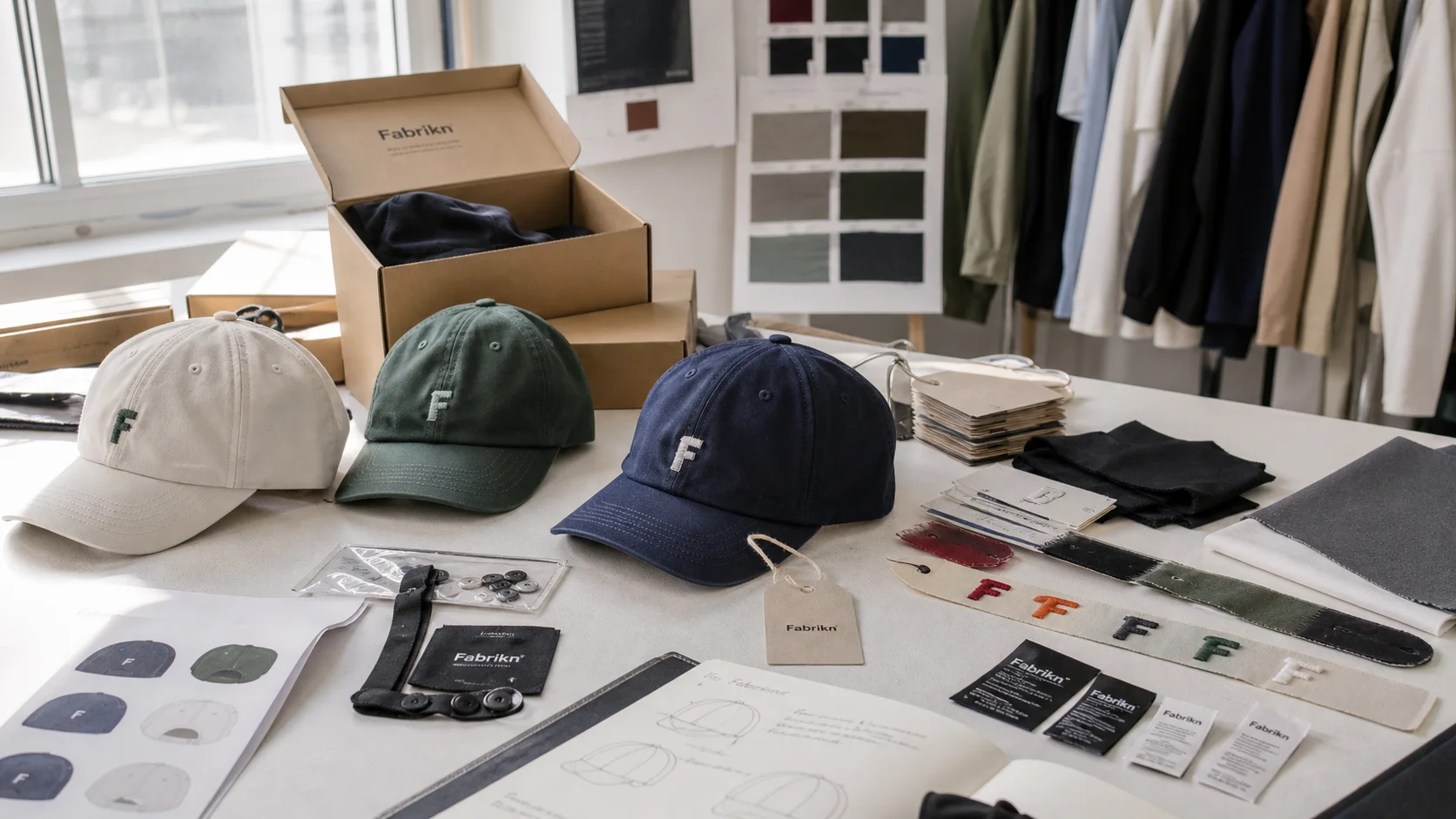
Garment Vendor Comparison Part 2 with checks for samples, fit, MOQ, QC evidence, pricing terms, and delivery risk.
Fast answer: Garment Vendor Comparison Part 2: Samples, Cost Lines, Service, and Risk should be judged by production evidence, not by a generic sourcing promise. The buyer needs sample proof, cost breakdowns, QC checkpoints, and delivery buffers in writing.
Ask for recent sample photos, measurement tolerances, fabric or print test assumptions, decoration test notes, packing examples, and a named inspection checkpoint. These details show whether the team can repeat an approved sample at bulk volume.
Separate garment cost, decoration, labels, packaging, sampling, testing, freight, and rush charges. When every cost line is visible, it becomes easier to reduce colorways, adjust size depth, or reserve more time for sampling.
Choosing the right clothing supplier for bulk orders is one of the most important decisions a brand, retailer, or startup can make. The lowest quote is not always the best deal, and the highest price does not always guarantee better quality. To make a smart decision, you need a clear method for comparing suppliers beyond the initial number on the quotation sheet.
This guide explains how to compare clothing suppliers for bulk order pricing in a practical, business-focused way. You will learn what affects bulk pricing, how to evaluate quotes fairly, what hidden costs to watch for, and how to choose a supplier that supports your long-term growth. Whether you are sourcing T-shirts, hoodies, uniforms, activewear, or private-label apparel, these steps will help you make a confident purchasing decision.
Bulk clothing orders can involve large financial commitments, tight production timelines, and brand-critical quality requirements. A small difference in unit price may look insignificant at first, but over hundreds or thousands of pieces, it can dramatically affect your margins.
However, price alone does not tell the full story. Two suppliers may quote the same garment at different rates, but one may include better fabric, more consistent stitching, lower defect rates, and faster turnaround. Another may appear cheaper but add fees later for packaging, labeling, sampling, shipping, or revisions.
Comparing suppliers properly helps you:
If you are still exploring manufacturing support, you can review Fabrikn’s services to understand how a structured production partner can help simplify your sourcing process.
Before you compare suppliers, it is important to understand what actually drives bulk pricing. Without this context, you may compare quotes that are not truly equivalent.
Most clothing suppliers offer lower per-unit prices as order volume increases. This is because setup costs, fabric sourcing, cutting, and production planning get spread across more units. A quote for 500 pieces will usually be much higher per item than a quote for 5,000 pieces.
When comparing quotes, make sure the order quantity is identical or clearly adjusted. A supplier offering a lower price at a smaller quantity may not actually be the better option.
Fabric selection has a major impact on cost. Premium cotton, organic materials, performance blends, and heavyweight fabrics generally cost more than basic stock fabrics. Even within the same category, differences in thread count, GSM, finish, and dye process can change the price significantly.
A simple basic T-shirt is cheaper to produce than a hoodie with embroidery, printed labels, custom panels, or special stitching details. More complex patterns, trims, zippers, and embellishments increase labor and production time.
Bulk orders with custom features such as screen printing, embroidery, woven labels, hangtags, special packaging, or private labeling often cost more. Some suppliers include certain customization steps in their base quote, while others charge separately. This is one of the most common areas where quotes become difficult to compare.
If you need pre-production samples, tech pack adjustments, or pattern development, these may be billed separately. Some manufacturers credit sample costs back against the bulk order, while others do not.
Where a supplier manufactures garments affects labor cost, lead times, duties, and freight. A lower factory price in one country may become more expensive after you add shipping and import costs. Always evaluate landed cost, not factory cost alone.
The best way to compare clothing suppliers is to create a standardized checklist so every quote is measured using the same criteria. Otherwise, you may compare apples to oranges.
Send each supplier the same product brief. Include garment type, fabric composition, weight, colors, size range, printing or embroidery details, labeling requirements, packaging needs, target quantity, and delivery deadline. The more precise your specifications, the more accurate the quote comparison will be.
Ask suppliers to provide a clear unit price and, if possible, a price breakdown showing what is included. This helps you identify whether the quote includes only the garment itself or also setup, decoration, packaging, and freight.
Minimum order quantity can heavily influence pricing. A supplier may offer a competitive rate only after a certain volume threshold. Compare the MOQ carefully because a low price that requires a much larger commitment may not fit your business.
Sample policies vary widely. Some suppliers charge for every sample, while others offer free samples or deduct sample fees from bulk production. Since sample development affects both cost and time, include this in your decision-making process.
Lower prices often come with longer lead times. If you need products quickly for a season launch, retail event, or inventory restock, a slightly higher price may be worth it if the supplier can meet your deadline reliably.
Fast and clear communication saves time and reduces costly errors. A supplier that responds slowly or gives vague answers may create production problems later. Quote comparison should include responsiveness and professionalism, not just numbers.
One of the biggest mistakes buyers make is choosing a supplier based on a low initial quote without checking what is excluded. Hidden costs can eliminate expected savings very quickly.
Ask whether the quote includes domestic freight, international shipping, customs clearance, or delivery to your warehouse. Shipping costs can be significant for bulk apparel.
Some suppliers charge for prototypes, fit samples, or pre-production samples. Confirm whether these fees are refundable or deductible from the final order.
If your brand requires custom colors, there may be additional charges for dye matching or lab dips. These costs can be overlooked if not discussed early.
Printing and embroidery often involve setup charges. Screen preparation, digitizing, and design revisions may not be included in the base quote.
Woven labels, printed neck labels, hangtags, polybags, cartons, and custom packaging can all carry extra fees. These are essential for many private-label brands, so confirm whether they are part of the quotation.
Some suppliers include basic inspection, while others charge extra for third-party QC or special testing. If product quality is critical, factor this into your comparison.
Bulk order pricing should never be reviewed in isolation from quality. A low-cost garment that shrinks, fades, or develops stitching issues can cost you far more in returns, complaints, and brand damage.
When comparing suppliers, assess quality in practical terms:
Request samples before placing a large order whenever possible. A physical sample gives you a realistic view of the supplier’s workmanship, fabric quality, and attention to detail. If you are evaluating a full production partner, you can also learn more about Fabrikn’s background on our about us page.
Even if two suppliers offer similar pricing, their capabilities may differ significantly. The right supplier should be able to support your current order and future growth.
Can the supplier handle your volume without delays? A factory that is too small may struggle with large seasonal orders, while a supplier with strong capacity can better support your expansion.
Some suppliers specialize in basics, while others focus on fashion items, sportswear, uniforms, or promotional apparel. A supplier with relevant experience is more likely to understand your product requirements and avoid costly mistakes.
Ask how quality is checked during production. Strong quality control reduces defect rates and improves consistency across large orders.
If your brand relies on private labeling or unique packaging, choose a supplier that understands branding details. The ability to manage multiple customization steps efficiently adds value beyond the unit price.
Business needs can change. A reliable supplier should be able to handle reorder adjustments, color changes, size mix updates, and production planning when possible.
To compare suppliers accurately, ask each one the same set of questions. This keeps your evaluation objective and helps uncover differences in pricing structure and service quality.
These questions help you compare not just the cost, but the overall reliability and suitability of each supplier.
Some supplier warning signs are easy to miss when you are focused on pricing. Watch out for these red flags during your comparison process.
If a supplier refuses to break down costs or explain what is included, you may face unexpected charges later.
Extremely low prices can indicate lower fabric quality, inconsistent production, hidden fees, or weak quality control.
Delays in replying, unclear answers, or inconsistent information may signal future production problems.
A supplier unwilling to provide samples may not be suitable for customized or brand-sensitive products.
If a supplier cannot clearly explain its production process, materials, or timelines, that is a concern.
A comparison matrix can simplify the decision by organizing key details in one place. Use the same columns for each supplier so you can score them fairly.
You can assign points from 1 to 5 for each category and total the results. This makes the final decision more objective and easier to explain to your team.
When comparing clothing suppliers, the cheapest price can be tempting, especially for startups and growing brands working within tight budgets. But bulk ordering is not just a one-time transaction. It is the beginning of a supply relationship that may affect future reorders, product development, and brand consistency.
A supplier that provides stable quality, dependable communication, and fair pricing across multiple orders may save you much more over time than a low-cost supplier that creates defects and delays. Long-term value includes trust, consistency, and the ability to scale with your business.
This is especially important if you plan to reorder seasonal items, expand your product line, or build a private-label apparel brand. A reliable production partner helps you stay focused on sales and growth instead of troubleshooting manufacturing issues.
If you are ready to discuss your requirements with a manufacturer, you can reach out through our contact us page.
Comparing clothing suppliers for bulk order pricing requires more than collecting a few quotes. You need to compare the full picture: product specifications, included services, hidden costs, quality standards, communication, lead times, and long-term reliability.
By standardizing your requests, asking the right questions, and evaluating total landed cost instead of just unit price, you can make better sourcing decisions and protect your margins. The right supplier will offer more than competitive pricing. They will help your business grow with dependable production, consistent quality, and transparent communication.
Whether you are buying for a new apparel brand, a corporate uniform program, or a growing retail business, a structured comparison process will help you choose the best supplier for your goals.
Get a free quote from Fabrikn — your trusted B2B clothing manufacturer with 10+ years of experience. MOQ as low as 200 pieces.
Get a Free Quote →Use the same product specifications, order quantity, and customization requirements for each supplier. Then compare unit price, MOQ, sample fees, shipping, and any extra charges to calculate total landed cost.
Quality is usually the most important factor after price. Consistent fabric, stitching, sizing, and finishing can prevent costly returns and protect your brand reputation.
No. The lowest quote may exclude important services or use lower-grade materials. A slightly higher quote may offer better overall value, fewer delays, and stronger quality control.
Landed cost is the total cost of getting the product from the supplier to your location. It includes unit price, shipping, customs, packaging, and other related expenses.
Comparing three to five suppliers is usually a good range. This gives you enough options to evaluate pricing and quality without making the process too complex.
Yes. Fabrikn provides manufacturing support for businesses looking for bulk clothing solutions. Visit our services page to learn more or contact us directly through contact us.