
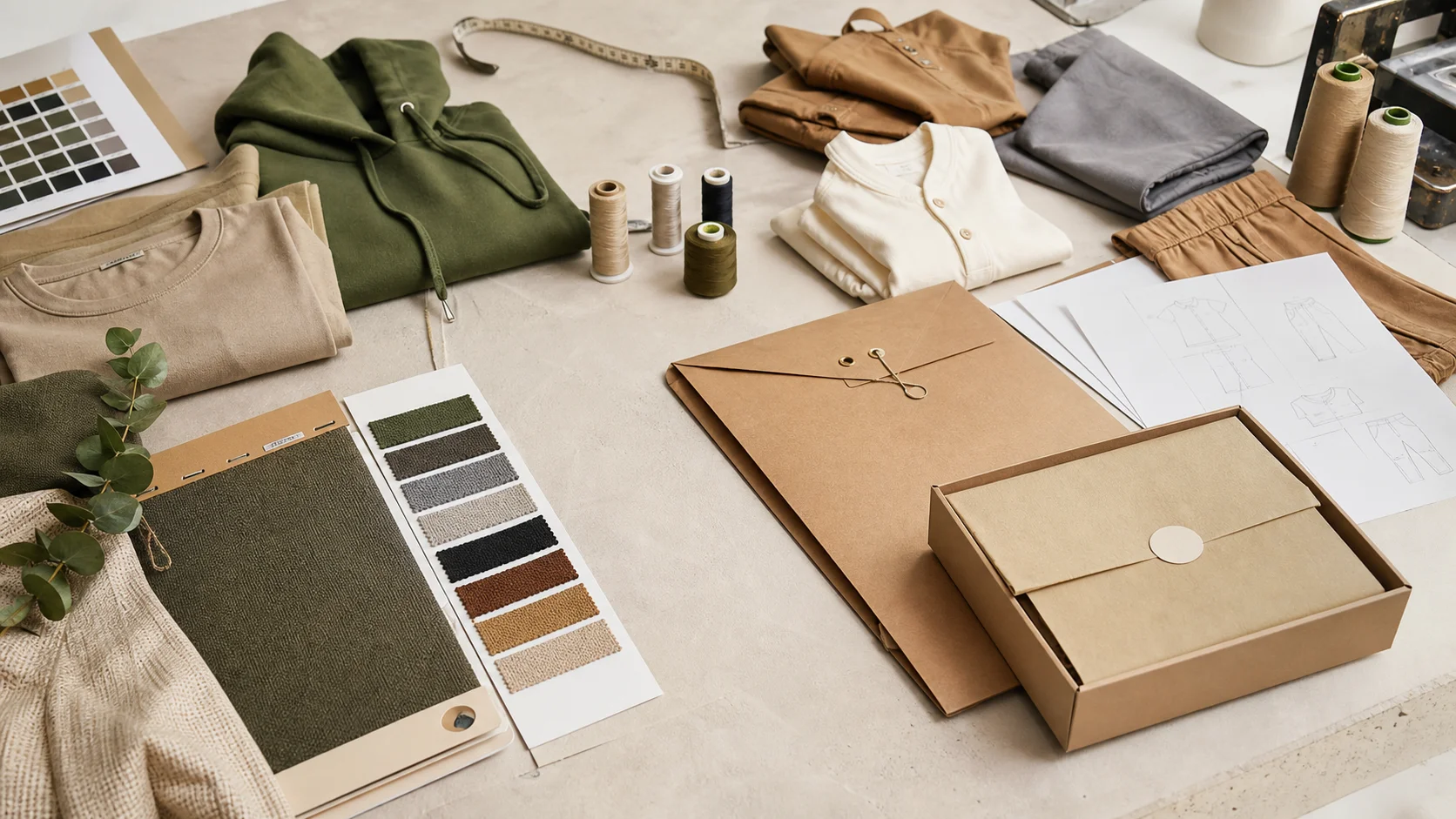
Create A Lookbook for A Clothing Brand compared by sample evidence, fabric or trim specs, MOQ, AQL terms, cost lines, delivery timing, and rework...
Fast answer: Create A Lookbook for A Clothing Brand: Tech Pack, Sample Gate, MOQ, and QC Terms should be judged by production evidence, not by a generic sourcing promise. The buyer needs sample proof, cost breakdowns, QC checkpoints, and delivery buffers in writing.
Ask for recent sample photos, measurement tolerances, fabric or print test assumptions, decoration test notes, packing examples, and a named inspection checkpoint. These details show whether the team can repeat an approved sample at bulk volume.
Separate garment cost, decoration, labels, packaging, sampling, testing, freight, and rush charges. Clear cost lines make it easier to reduce colorways, adjust size depth, or reserve more time for sampling.
A strong lookbook is one of the most effective tools a clothing brand can use to present a collection, define its aesthetic, and turn interest into sales. If you are wondering how to create a lookbook for a clothing brand, the answer goes beyond taking beautiful photos. A successful lookbook combines strategy, branding, styling, content planning, and production details into one polished asset that helps buyers, retailers, and customers understand your collection instantly.
In the fashion industry, a lookbook works like a visual sales story. It shows how your pieces fit together, what mood your brand communicates, and why your collection matters. Whether you are launching a new label, preparing for a seasonal drop, or pitching wholesale accounts, a well-made lookbook can improve your presentation and strengthen your credibility.
This guide walks you through every stage of the process, from planning and concept development to photography, layout, and distribution. If you want a practical, business-focused breakdown of how to create a lookbook for a clothing brand, this article will help you build one that looks professional and performs well.
A lookbook is a visual marketing piece that showcases a clothing collection in a curated, styled format. It is usually made up of high-quality images, short descriptions, and brand messaging that together communicate the identity of the collection. Unlike a catalog, which focuses mainly on product information, a lookbook is designed to inspire emotion and establish a lifestyle around the brand.
For a clothing brand, a lookbook can be used for:
If you work with a manufacturing partner, your lookbook can also support product development and presentation when discussing fabric quality, fits, and design direction. Brands often pair their lookbook strategy with production support from a reliable supplier such as Fabrikn. You can explore our services to see how manufacturing support can align with your brand presentation.
A lookbook is more than a visual asset. It is a sales and branding tool that helps a fashion brand communicate value quickly. In a crowded market, people often decide within seconds whether your brand feels premium, relevant, and trustworthy. A lookbook helps shape that impression.
Here are some of the biggest benefits of creating one:
If you are building a brand from the ground up, a lookbook also helps you establish consistency. That consistency matters because fashion buyers and customers tend to trust brands that present themselves clearly and professionally. If you are still shaping your company identity, it can help to learn more about our background on the about us page.
The first step in learning how to create a lookbook for a clothing brand is deciding what the lookbook should accomplish. Every lookbook should have a specific purpose. Without one, your final result may look attractive but fail to drive action.
Ask yourself what you want the lookbook to do:
The goal will affect the layout, image selection, copy length, styling, and distribution format. For example, a wholesale lookbook should include more product details, while a consumer-facing brand campaign lookbook can focus more on mood and emotion.
Before you design anything, identify exactly who will view the lookbook. A lookbook for wholesale buyers is very different from one aimed at customers or media outlets. The more clearly you understand your audience, the better you can tailor the content.
Common audiences include:
Each audience looks for different information. Buyers want clarity on range, quality, and order potential. Customers want style inspiration and emotional appeal. Press contacts may want a strong story angle and a distinct visual concept. Keeping your audience in mind will help you choose the right tone and content.
A lookbook needs a concept that ties everything together. This is where you define the visual and emotional direction of the shoot. The concept should reflect your brand identity and the message of the collection.
To build a strong concept, consider:
For example, a minimalist streetwear label may choose a clean industrial setting with high-contrast lighting, while a luxury womenswear brand might use natural textures, soft tones, and editorial styling. The concept should not overpower the clothing. Instead, it should support and elevate it.
At this stage, create a mood board with reference images, colors, poses, and styling ideas. This will help guide your photographer, stylist, designer, and marketing team so everyone shares the same vision.
Not every product needs to be in the lookbook. Select the pieces that best represent the collection and support the story you want to tell. A curated selection is usually more effective than trying to include everything.
Choose items that:
If the lookbook is for wholesale, make sure the featured styles include enough variety to demonstrate range. If it is for a launch campaign, prioritize standout pieces and the strongest visuals. The goal is to create a focused narrative, not a product dump.
Styling is one of the most important elements in the lookbook creation process. Even great garments can look flat if they are not styled with intention. Good styling helps shoppers and buyers visualize how the pieces are worn in real life.
Plan your outfits carefully by considering:
It is helpful to create complete looks rather than isolated product shots. Showing a jacket with trousers, a top with a skirt, or a dress with accessories gives the audience a clearer sense of how the collection functions. If your brand offers custom production, the styling can also highlight craftsmanship, construction, and premium fabric choice. Learn more about that on our services page.
The photo shoot is where the lookbook begins to take shape. Because the images carry most of the communication, planning this stage thoroughly is essential. Strong production planning saves time, reduces costs, and improves final quality.
Before the shoot, make sure you have:
Think carefully about the visual tone. Studio shoots often feel clean and commercial, making them ideal for wholesale or e-commerce use. Lifestyle shoots can feel more immersive and emotional, which is useful for brand storytelling. Some brands combine both approaches for a balanced result.
During the shoot, capture a mix of full looks, detail shots, and alternate angles. Close-ups of stitching, textures, labels, and finishes can subtly reinforce product quality and craftsmanship.
Once the images are ready, the design phase turns them into a cohesive story. A good lookbook layout guides the viewer smoothly from one page to the next while keeping attention on the clothes.
Key layout principles include:
The cover should be strong and instantly recognizable. The first few pages should set the tone with a clear opening statement or campaign image. Throughout the layout, ensure that the visual rhythm feels intentional. Repetition, contrast, and sequencing all play a role in making the lookbook feel premium.
If the lookbook is for print, work with a designer who understands formatting, bleed, image resolution, and page flow. If it is digital, optimize the file size without sacrificing image quality. Many brands create both versions so they can use the same asset across multiple channels.
Although lookbooks are highly visual, text still matters. The copy should be concise, purposeful, and aligned with the tone of your brand. Avoid long paragraphs that distract from the imagery. Instead, use short statements that add value and context.
Useful copy elements include:
For wholesale use, include the practical details buyers need, such as SKU, colorway, size range, and pricing if appropriate. For consumer-facing versions, keep the tone aspirational and lifestyle-oriented. The copy should support the visuals, not compete with them.
A modern lookbook often needs to live in multiple formats. You may use it as a printed sales tool, a PDF for email outreach, and a digital asset on your website or social channels. Each format has its own technical requirements.
For print, focus on:
For digital versions, focus on:
A digital lookbook is especially useful when pitching to international buyers or sharing product launches quickly. If you need help turning a concept into production-ready garments that look polished in photography, Fabrikn’s team can support your brand through our contact us page.
Creating the lookbook is only half the job. Distribution is where it starts working for your business. Decide how and where you will share it so it reaches the right audience at the right time.
Distribution channels may include:
When distributing the lookbook, customize your outreach. A buyer may want the wholesale version with product details, while a media contact may prefer a visual PDF with press notes. Make it easy for each audience to act on the information they receive.
Even a visually strong lookbook can fall short if it includes avoidable mistakes. Here are some of the most common issues clothing brands should watch out for:
Another common issue is treating the lookbook like a one-time project instead of an ongoing brand asset. The most effective lookbooks can be repurposed across sales, marketing, PR, and digital campaigns. That makes planning worthwhile.
If you want your lookbook to stand out, keep these best practices in mind:
A good lookbook should feel like an extension of your brand, not a separate marketing document. Everything from image style to typography should reinforce your positioning. If your clothing line is built around quality, durability, and strong construction, make sure the lookbook communicates that visually and verbally.
Learning how to create a lookbook for a clothing brand is really about learning how to tell a strong visual story. A successful lookbook does more than present garments. It communicates identity, builds trust, and helps your audience imagine the value of your collection in the real world.
To recap, the process includes defining your goal, identifying your audience, building a creative concept, selecting the right products, styling them well, planning a professional photo shoot, designing a clean layout, writing short supporting copy, optimizing for multiple formats, and distributing the finished asset strategically.
When done correctly, a lookbook can support nearly every part of your fashion business, from brand awareness to wholesale sales. If you need production support as you grow your collection, Fabrikn is here to help. Learn more about our team and capabilities on the about us page, explore our services, or reach out through our contact us page.
Get a free quote from Fabrikn — your trusted B2B clothing manufacturer with 10+ years of experience. MOQ as low as 200 pieces.
Get a Free Quote →A lookbook is more visual and brand-focused, while a catalog is more product-focused and informational. A lookbook tells a story and creates emotion. A catalog provides detailed product listings, specifications, and ordering information.
There is no fixed rule, but many lookbooks range from 8 to 24 pages depending on the collection size and purpose. Wholesale lookbooks may be longer, while campaign lookbooks are often shorter and more editorial.
A lookbook should usually include a cover, brand or collection introduction, styled images, key product details, and contact or ordering information. The exact content depends on whether it is meant for buyers, customers, or press.
You can, but professional photography usually makes a major difference in quality and brand perception. Since a lookbook is often used to represent your label to buyers and customers, investing in strong visuals is usually worth it.
Ideally, both. A printed lookbook can be effective for meetings, showrooms, and events, while a digital version is easier to share by email and online. Many brands create both formats from the same design file.
Focus on a clear concept, high-quality images, smart styling, and a clean layout. Keep the message consistent with your brand identity and make sure the lookbook is tailored to the audience it is meant to reach.