
Create Luxury Unboxing for Fashion Brands compared by sample evidence, fabric or trim specs, MOQ, AQL terms, cost lines, delivery timing, and rework...
Fast answer: Create Luxury Unboxing for Fashion Brands: Tech Pack, Sample Gate, MOQ, and QC Terms should be judged by production evidence, not by a generic sourcing promise. The buyer needs sample proof, cost breakdowns, QC checkpoints, and delivery buffers in writing.
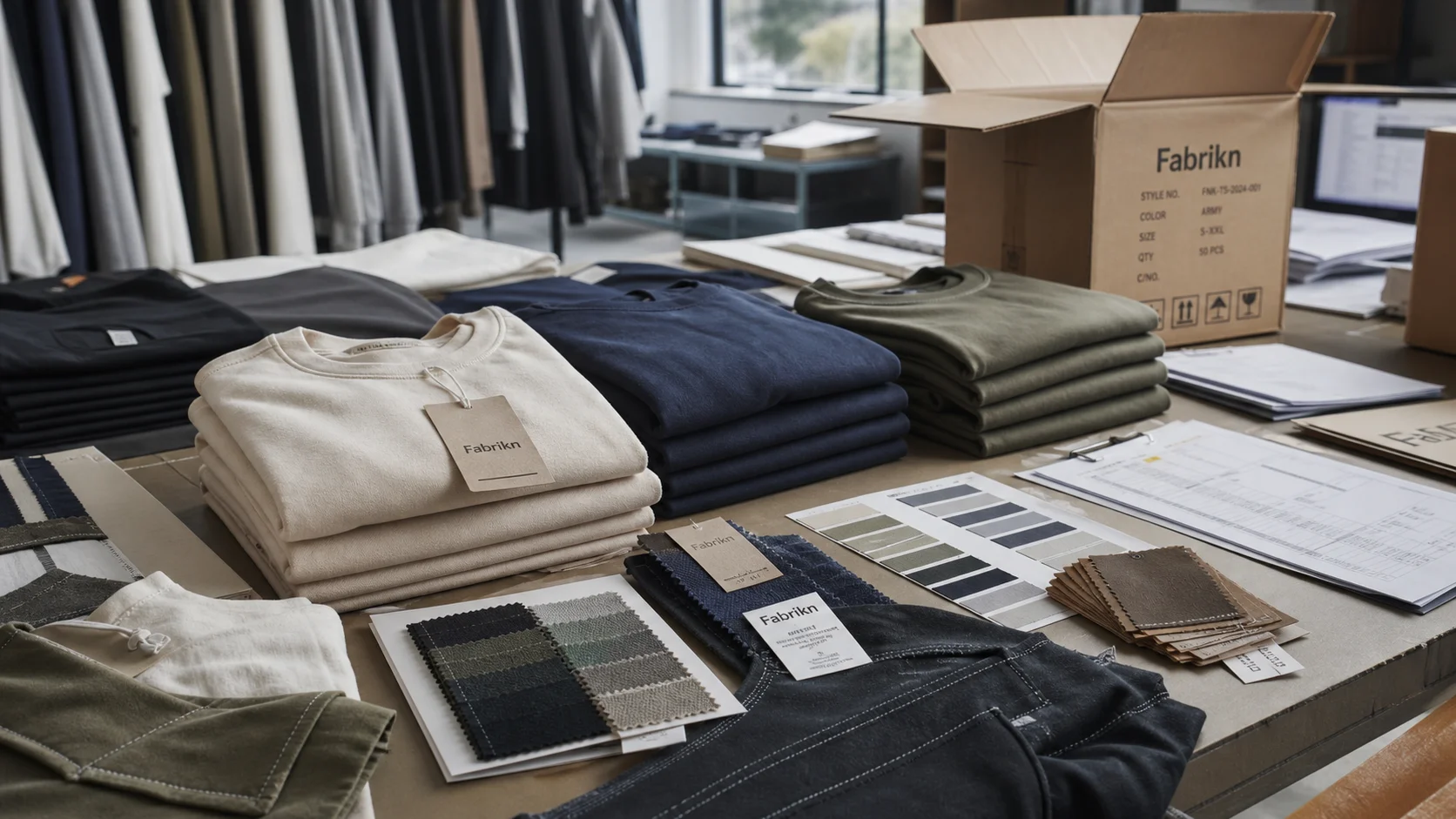
Ask for recent sample photos, measurement tolerances, fabric or print test assumptions, decoration test notes, packing examples, and a named inspection checkpoint. These details show whether the team can repeat an approved sample at bulk volume.
Separate garment cost, decoration, labels, packaging, sampling, testing, freight, and rush charges. Clear cost lines make it easier to reduce colorways, adjust size depth, or reserve more time for sampling.
For fashion brands, packaging is far more than a protective shell. It is the first physical interaction a customer has with your label, and often the moment that shapes how premium your brand feels. A well-designed package can transform a simple delivery into a memorable brand ritual. That is why learning how to create luxury unboxing for fashion brands has become a key part of modern brand strategy.
Luxury unboxing is not just about expensive materials or oversized boxes. It is about creating a thoughtful sequence of anticipation, presentation, and delight. Every detail, from the outer mailer to the final tissue wrap, should reinforce your brand identity and make customers feel that they have received something special.
In a competitive market where consumers share unboxing experiences on social media and expect elevated service from premium labels, packaging has become a powerful marketing tool. Done well, it can increase perceived value, encourage repeat purchases, and strengthen customer loyalty. For fashion businesses, especially those selling online, luxury unboxing can bridge the gap between digital shopping and a high-end retail experience.
If you want to build a packaging system that aligns with your brand values and customer expectations, working with an experienced production partner can help. Fabrikn offers support for clothing brands looking to develop premium garments and branded presentation solutions. Learn more about our services, or get in touch through our contact page.
Luxury unboxing is the designed experience a customer goes through when opening a product package, with the goal of making the interaction feel refined, exclusive, and emotionally rewarding. In fashion, this includes every sensory and visual element: the texture of the box, the way the garment is folded, the scent or feel of the tissue, the placement of inserts, and the overall coherence of the presentation.
It is important to understand that luxury unboxing is not limited to high price points. A brand can create a premium experience even with modest packaging costs if the design is intentional and consistent. The goal is to communicate care, quality, and attention to detail. Customers should feel that the package was prepared specifically for them.
For fashion brands, luxury unboxing helps translate brand values into physical form. Minimalist labels may use understated monochrome packaging with embossed logos. Heritage brands may incorporate rich textures, elegant folds, and classic typography. Streetwear brands may create a bold, collectible unboxing experience with layered inserts and limited-edition details. The format can vary, but the principle remains the same: elevate the moment of opening.
Fashion is highly visual and emotionally driven. Customers buy clothing not only for function but also for identity, status, and self-expression. Because of this, packaging plays a larger role in shaping brand perception than many brands realize. Luxury unboxing supports both immediate satisfaction and long-term brand memory.
First, it increases perceived value. When a package looks and feels premium, customers naturally associate the product inside with higher quality. This is especially important for direct-to-consumer fashion brands that do not have a physical retail presence. Packaging becomes the stand-in for in-store merchandising and service.
Second, it enhances customer retention. A memorable unboxing experience can make the buyer feel appreciated and more likely to reorder. In competitive fashion categories, small emotional details can influence loyalty more than discounts do.
Third, it generates organic marketing. Customers often share beautiful packaging on social media, turning unboxing into free exposure. Luxury packaging that photographs well can extend your reach across Instagram, TikTok, and other visual platforms. This makes packaging a content asset as well as a fulfillment asset.
Finally, luxury unboxing can justify premium pricing. If your products are positioned as high-end, the package should support that position. A mismatch between product quality and packaging can create doubt. Consistent presentation helps confirm that your brand belongs in the premium tier.
To create a successful luxury unboxing experience, fashion brands should think in terms of layers. Each layer has a purpose, and together they guide the customer through a polished reveal.
The outer packaging is the customer’s first visual cue. It should protect the product while introducing the brand’s personality. Premium mailers, rigid boxes, custom shipping cartons, or branded sleeves all work well depending on the product type and shipping needs. The outside should feel strong, clean, and intentional.
The moment the package is opened should feel satisfying and easy. Magnetic closures, tear strips, ribbon pulls, or neatly stacked components can all improve the experience. The opening action itself should feel considered rather than generic.
The way the garment is folded and placed inside the box matters enormously. Wrinkles, loose placement, or inconsistent folding can break the luxury effect. Products should be arranged with care, ideally with protective tissue and shape retention where needed.
Tissue paper, dust bags, belly bands, inserts, and branded seals can add depth to the reveal. These elements should not appear cluttered. Instead, they should create a sense of layered sophistication. Each layer should feel like part of a story.
Luxury unboxing is a strong opportunity to communicate your brand story. A thank-you card, product care guide, authenticity note, or short message from the founder can make the experience feel more personal. Keep the language concise, polished, and aligned with your brand tone.
Luxury is often sensory. Soft-touch finishes, embossed textures, high-quality paper, and even subtle scent branding can create a stronger memory. Fashion brands should aim to engage more than one sense, while still keeping the design elegant and controlled.
Designing luxury unboxing begins with a clear understanding of your brand identity. Before choosing colors or materials, define the emotional response you want to create. Should the package feel modern and minimal, glamorous and bold, or heritage-driven and timeless? Once that is clear, every packaging decision becomes easier.
Start by mapping the customer journey from delivery to reveal. Think through how the package will arrive, how the box opens, what the customer sees first, and how the product is staged. This exercise helps you identify weak points and opportunities for delight.
Next, create a visual hierarchy. The brand logo should be prominent but not overwhelming. Supporting elements such as typography, pattern, and insert cards should guide the eye naturally. Luxury packaging works best when it feels balanced and uncluttered.
Consider using a restrained color palette. Black, white, cream, charcoal, navy, and muted metallics are popular because they communicate sophistication. However, color should always reflect your brand world. A luxury unboxing experience can also be expressive, as long as the palette is cohesive and deliberate.
Design should also support logistics. Packaging must survive transit, open easily, and fit your products efficiently. A luxurious experience loses value if the box arrives damaged or if the garment shifts during shipping. Beauty and function must work together.
The material choice has a major impact on how premium packaging feels. In fashion, the best materials are those that balance elegance, durability, and brand fit.
Construction also matters. A well-built box with crisp edges, accurate sizing, and smooth closure feels more valuable than a decorative box with weak structure. Luxury customers notice precision. Inconsistent seams, poor alignment, or flimsy materials can instantly reduce the premium impression.
When selecting materials, think about touchpoints. The exterior should feel strong, the opening should be satisfying, and the interior should support the garment without creating friction. The customer’s hands should move through the package with ease.
Luxury branding is often about restraint. The most elegant packaging designs do not overwhelm the customer with logos or graphics. Instead, they use refined details that reward attention.
Typography should reflect your brand personality. Clean serif typefaces can suggest sophistication, while modern sans-serif fonts can feel sharp and contemporary. Avoid too many type styles in one package. Simplicity usually reads as more premium.
Logo placement should be intentional. A blind-embossed logo on the box lid, a small foil mark on the inside flap, or a discreet mark on tissue paper can feel more luxurious than a large, repeated logo pattern. The goal is to create confidence, not noise.
Custom inserts also matter. Branded thank-you notes, folded care instructions, size guides, or authenticity cards can make the package feel bespoke. These details help the customer understand that the brand is organized, thoughtful, and committed to quality.
Personalization can further improve the experience. Even simple touches such as handwritten-style notes, order-specific messages, or tailored insert cards can make luxury unboxing more intimate. Customers remember being treated as individuals.
If you are developing a packaging system alongside your product line, Fabrikn can help with production planning and garment presentation alignment. You can also explore more about our background on the About Us page.
Today’s customers increasingly expect premium brands to think responsibly about packaging. Luxury and sustainability are no longer opposites. In fact, many fashion buyers now see thoughtful, low-waste packaging as a sign of modern luxury.
One of the best ways to combine these priorities is to reduce unnecessary layers. Luxury packaging does not have to be excessive. It should be intentional. Eliminate fillers and materials that do not contribute to the experience or protect the product.
Use recyclable, responsibly sourced, or FSC-certified materials where possible. Consider packaging structures that can be reused by customers, such as rigid boxes suitable for storage. When a package has a second life, it feels more valuable and less disposable.
Printing choices matter as well. Avoid overcomplicated finishes that prevent recycling unless they are essential to the brand concept. Instead, choose premium materials that achieve elegance through texture, color, and construction rather than excessive decoration.
Sustainable luxury unboxing can also become part of your brand story. Customers appreciate honesty about materials, sourcing, and design decisions. If your packaging is built to balance elegance and environmental responsibility, say so clearly but modestly.
Even strong brands can weaken their packaging experience by making avoidable mistakes. The most common issue is overdesign. Adding too many colors, graphics, inserts, or decorative layers can make a package feel busy instead of luxurious. Premium presentation is usually calm and controlled.
Another mistake is focusing on aesthetics while ignoring protection. If packaging arrives dented, crushed, or opened in transit, the luxury effect disappears immediately. Always test shipping performance before launching a new design.
Inconsistent folding and packing is another problem. If the inside presentation varies from order to order, customers will notice. Luxury depends on repeatability and standards. The unboxing should feel polished every time.
Brands also sometimes choose materials that look good in photos but feel cheap in hand. The tactile experience is just as important as the visual one. Always sample physical prototypes before final production.
Finally, some brands forget to match packaging to positioning. A minimalist luxury label should not use loud, trend-driven packaging unless it fits the identity. The packaging must reinforce the product story, not compete with it.
Creating luxury unboxing for a small product drop is one thing; doing it consistently across larger volumes is another. To scale successfully, fashion brands need a clear packaging system.
Begin by standardizing key components. Define box sizes, tissue formats, insert card templates, folding methods, and packing procedures. This reduces variation and improves quality control. The more repeatable the process, the more consistent the customer experience.
Next, document your packing workflow. Every team member or fulfillment partner should know how the product should be prepared, layered, and sealed. Luxury unboxing depends on consistency, and clear documentation helps maintain standards.
Coordinate packaging production with inventory planning. If packaging arrives late or in the wrong quantities, the customer experience suffers. Lead times for premium finishes can be longer, so build in enough time for sampling, revisions, and production.
Work with suppliers who understand apparel needs. Fashion packaging is different from general retail packaging because garments are soft goods, often shipped in multiple sizes and formats. A specialist can help you choose materials, structures, and finishes that balance cost, durability, and design goals.
If you are preparing a packaging refresh or launching a new line, it can help to partner with a clothing manufacturer that understands presentation as part of the product experience. Fabrikn supports fashion brands with production-oriented solutions designed to align garment quality with brand perception. Start a conversation through our contact page.
Luxury unboxing is one of the most effective ways for fashion brands to turn packaging into a brand-building asset. It shapes first impressions, reinforces product value, encourages social sharing, and creates an emotional connection that lasts beyond the purchase.
To create luxury unboxing for fashion brands, focus on the full experience, not just the box. Consider the materials, the sequence of the reveal, the tactile details, the brand message, and the practicality of fulfillment. Every element should work together to make the customer feel that the product inside is special.
The best luxury packaging is elegant, consistent, functional, and aligned with the brand story. It feels intentional from the outside in. When done well, it transforms a shipment into a moment, and a moment into a memory.
Get a free quote from Fabrikn — your trusted B2B clothing manufacturer with 10+ years of experience. MOQ as low as 200 pieces.
Get a Free Quote →Luxury unboxing is the curated experience a customer has when opening a fashion product package. It includes the box design, materials, presentation, branding, and sensory details that make the reveal feel premium and memorable.
Focus on simplicity, consistency, and tactile quality. Even without expensive materials, brands can use well-designed tissue paper, clean folding, refined typography, and thoughtful inserts to create a premium experience.
Rigid boxes, soft-touch cartons, textured papers, branded tissue, and embossed or foil-pressed finishes are common choices. The best material depends on your brand identity, product type, and shipping requirements.
Yes. Beautiful packaging often gets shared online, especially on visual platforms like Instagram and TikTok. A memorable unboxing experience can generate user-generated content and brand exposure.
Absolutely. Luxury and sustainability can work together through recyclable materials, reduced excess layers, reusable box structures, and thoughtful design that avoids waste.
Look for a partner that understands fashion, branding, and production quality. They should be able to advise on materials, finishes, structure, and scalability. If you want to discuss a packaging or clothing production project, visit our services page or reach out via contact us.