
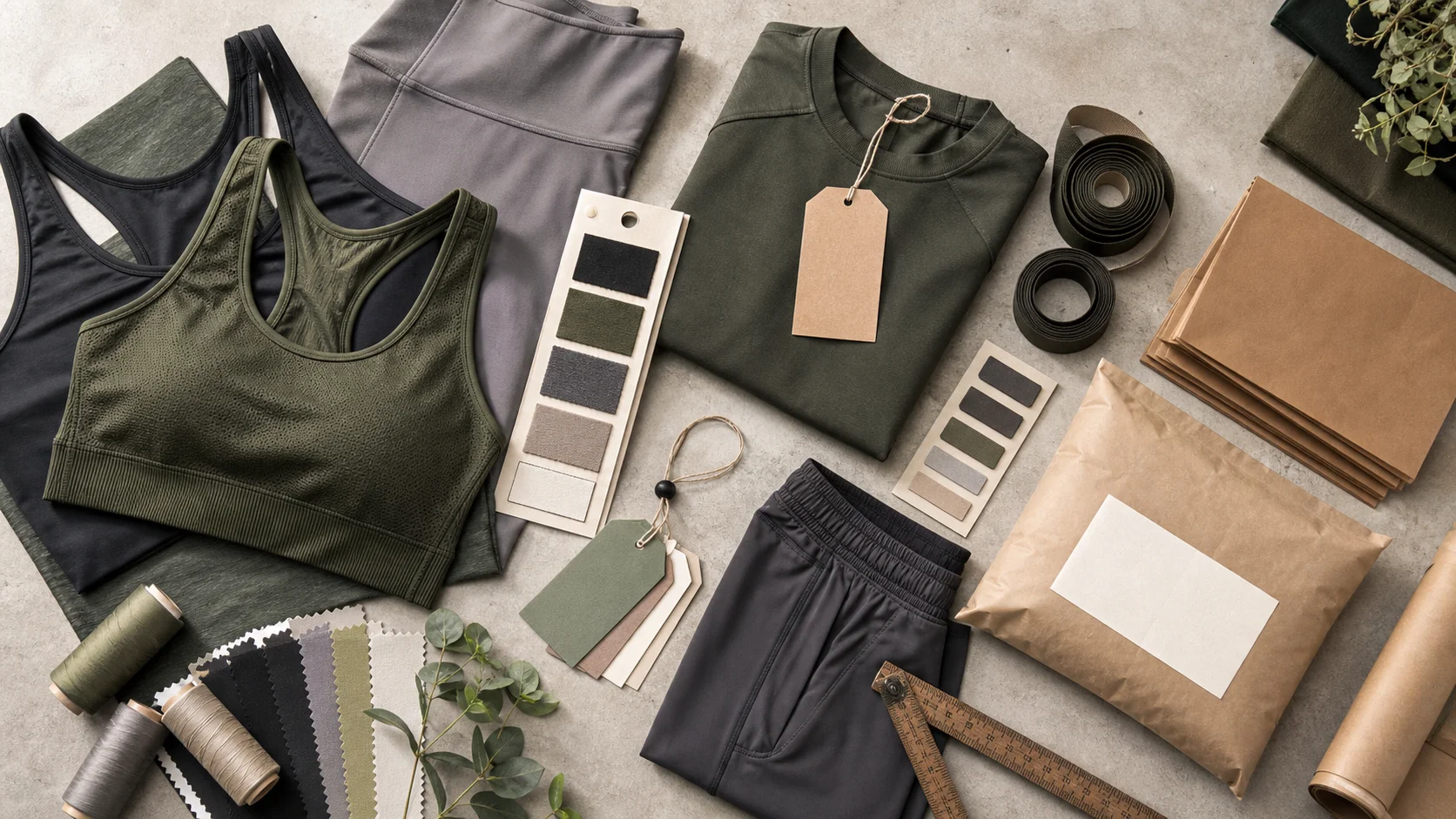
Create Size for Clothing Store with checks for samples, fit, MOQ, QC evidence, pricing terms, and delivery risk.
Fast answer: Create Size for Clothing Store: Samples, Cost Lines, QC, and Delivery Risk should be judged by production evidence, not by a generic sourcing promise. The buyer needs sample proof, cost breakdowns, QC checkpoints, and delivery buffers in writing.
Ask for recent sample photos, measurement tolerances, fabric or print test assumptions, decoration test notes, packing examples, and a named inspection checkpoint. These details show whether the team can repeat an approved sample at bulk volume.
Separate garment cost, decoration, labels, packaging, sampling, testing, freight, and rush charges. When every cost line is visible, it becomes easier to reduce colorways, adjust size depth, or reserve more time for sampling.
A well-built size guide is one of the most important tools in a clothing store’s business strategy. Whether you sell online, in a boutique, or through a wholesale channel, customers rely on your sizing information to make confident purchasing decisions. When size information is unclear, shoppers hesitate, return rates rise, and customer trust drops.
If you are wondering how to create size guide for clothing store operations, start with the business impact. A strong size guide can reduce returns, increase conversion rates, improve brand credibility, and create a smoother customer experience. It also helps your team answer fewer repetitive questions about fit, measurements, and garment dimensions.
For clothing brands and retailers, sizing is not just a product detail. It is part of the buyer journey. A customer may love your design, price point, and brand story, but if the fit is uncertain, the sale may be lost. That is why creating a clear, accurate, and easy-to-read size guide should be treated as a business priority, not an optional add-on.
At Fabrikn, we understand that apparel businesses need reliable product development, consistent manufacturing, and clear customer-facing information. If you want to learn more about our clothing manufacturing capabilities, visit our services page.
The first step in creating a size guide is understanding who your customers are and what you sell. A size guide for women’s fashion will look very different from one for men’s outerwear, kidswear, activewear, or premium tailoring. Your guide should reflect the actual fit expectations of your product range.
Ask these questions:
For example, a streetwear brand may need to explain oversized fits and shoulder drop, while a formalwear label may need to emphasize chest, waist, and inseam precision. An activewear business may need stretch recommendations and fabric recovery details. Each category should have a sizing system that matches the way customers wear the garment.
It is also important to review your return data and customer feedback. If customers frequently exchange size M for L, or say trousers run short, that information should shape your size guide. The goal is not to create a theoretical chart. The goal is to create a practical guide based on real buying behavior.
A professional size guide should be built using actual measurements, not estimates. You need two measurement sets: body measurements and garment measurements. Body measurements help customers understand which size fits their body. Garment measurements show the actual dimensions of the product.
Body measurements usually include:
Garment measurements may include:
For accuracy, measure sample garments from each size. Do not assume that size labels alone tell the full story, because sizing can vary widely between manufacturers and styles. If you produce the garments yourself or work with a manufacturer, establish a measurement spec sheet for each style and size grade. This helps ensure that your final size guide matches production reality.
If your business needs support with product development or manufacturing consistency, you can explore more about Fabrikn and how we support apparel brands through the production process.
Your sizing structure is the framework behind your size guide. This includes the size labels you use, the measurement units you display, and the way you present fit information. A good structure reduces confusion and makes the guide easy to follow.
Choose whether your store will use:
Many stores also need to choose between centimeters and inches. If you sell internationally, it is best to offer both. The same is true for conversion charts. A customer in the United States may expect inches, while a buyer in Europe may prefer centimeters or EU sizing.
Consistency is essential. If one product uses XS to XXL and another uses 30 to 40 waist sizes, the customer may become confused unless you clearly explain the difference. If you sell multiple product categories, consider creating separate size guides for tops, bottoms, dresses, jackets, shoes, or kidswear. One universal chart rarely works well for every item.
The heart of any size guide is the measurement table. This should be simple, easy to scan, and visually clean. Customers should be able to compare their own body measurements to the size chart in just a few seconds.
A strong size table typically includes:
Keep the layout consistent across all product pages. Avoid overly complex tables with too many rows or technical terms that customers may not understand. Use plain language wherever possible. If a measurement is style-specific, note it clearly. For example, “relaxed fit” or “intended to fit loosely at the waist.”
Here is a practical approach:
Example size guide structure:
These are only sample values. Your final size guide should be based on your own garment specifications and target market. Accuracy is key.
Even the best size chart will fail if customers do not know how to measure themselves properly. That is why every size guide should include easy “how to measure” instructions. This reduces errors and helps customers choose the right size more confidently.
At minimum, explain how to measure the following:
Use simple language and avoid jargon where possible. If you can, include diagrams, icons, or photos that visually show where the measuring tape should go. Customers are more likely to trust a guide when it is easy to follow and visually supported.
Also remind customers to measure while wearing lightweight clothing and to keep the tape snug but not tight. Suggest that they compare their measurements to the product dimensions rather than relying only on their usual store size, because sizing can vary from brand to brand.
A size guide is not just about numbers. Fit depends on design, fabric, stretch, and construction. Two garments with the same chest measurement can fit very differently if one is made from rigid denim and the other from a stretchy knit.
When building your size guide, account for:
For example, if a dress uses elastic in the back, the waist measurement may allow more flexibility. If a jacket is meant to be worn over layers, you may want to recommend sizing up. If a fabric is prone to shrinkage after washing, that should be noted in the guide.
This kind of detail can significantly reduce returns and complaints. It also helps your brand appear transparent and customer-focused. The more honest and specific your fit guidance is, the more likely customers are to purchase with confidence.
Once your size guide is published, do not treat it as finished. Test it, monitor customer behavior, and refine it over time. The best sizing systems are improved continuously based on feedback and data.
Here are a few ways to test your guide:
If customers consistently say that a specific product runs large, update the product description and size notes. If certain categories cause confusion, revise the chart layout or add more measurement details. Even small improvements can make a meaningful difference in conversion and retention.
In business, sizing issues often become hidden costs. Time spent processing returns, answering emails, and restocking products can quickly add up. A refined size guide is a simple way to improve operational efficiency while supporting customer satisfaction.
A size guide is only useful if customers can access it easily. Many clothing stores make the mistake of hiding sizing information in a hard-to-find footer link or a separate help page. Instead, place the guide where customers make purchasing decisions.
Best locations for a size guide include:
For ecommerce stores, the ideal setup is often a clickable size guide link directly beside the size options. This minimizes friction and helps customers check fit without leaving the product page. You can also create separate category-based guides for dresses, jeans, tops, and outerwear so the information stays relevant.
If you need a manufacturing partner that understands fit consistency and product presentation, explore Fabrikn’s services for support across apparel production needs. If you are ready to discuss your project, you can also contact us here.
Size guides can also support search visibility and conversion when they are written well. Since many customers search online for sizing help before buying, clear sizing content can improve both discoverability and trust.
SEO and conversion tips include:
You can also add a short explanation of how your brand’s fit differs from standard sizing. For example, if your garments run slightly small, say so clearly. Transparency can help customers choose the right size and feel more confident buying from your brand.
Remember that a size guide is not only an informational asset. It is also a sales tool. When customers feel reassured, they are more likely to complete the purchase and less likely to abandon their cart.
When learning how to create size guide for clothing store success, it is just as important to know what not to do. Many brands make avoidable mistakes that make sizing more confusing instead of clearer.
Common mistakes include:
Another common issue is creating one size chart for every product, even when different categories have different measurements. A size guide should be tailored to the style and construction of each item whenever possible. That extra effort pays off in fewer returns and better customer satisfaction.
Building a reliable size guide is easier when your manufacturing process is consistent from the start. Fabrikn supports clothing businesses with development and production solutions that help brands create better-fitting products and clearer sizing systems. When your product specs, grading, and quality control are handled carefully, your customer-facing size guide becomes more accurate and more effective.
If your business is developing a new apparel line or trying to improve fit consistency across products, our team can help you move from concept to production with greater confidence. Learn more about our company on our about us page, explore our services, or contact us to discuss your project.
Get a free quote from Fabrikn — your trusted B2B clothing manufacturer with 10+ years of experience. MOQ as low as 200 pieces.
Get a Free Quote →A size guide is a chart or reference tool that helps customers choose the correct clothing size based on body measurements, garment measurements, fit type, and product category.
Start by collecting accurate body and garment measurements, choosing a sizing structure, building a clear measurement table, adding “how to measure” instructions, and testing the guide with real customer feedback.
If your customer base is local, use the unit they prefer most. If you sell internationally, it is best to show both inches and centimeters to reduce confusion.
Update your size guide whenever your products, fabric, fit, or grading changes. It is also wise to review it regularly based on return rates, customer feedback, and sales performance.
Yes, in many cases. Tops, bottoms, dresses, outerwear, and kidswear often require different measurement charts and fit notes. Separate guides improve accuracy and reduce returns.
Yes. A clear and accurate size guide helps customers choose the right size more confidently, which can reduce exchange requests, returns, and customer service issues.
A good size guide should include size labels, key body measurements, garment measurements, conversion details if needed, and simple instructions on how to measure correctly.
Fabrikn helps apparel businesses with manufacturing and development support that can improve consistency, quality, and sizing accuracy. If you need help with a clothing project, visit our services page or contact us directly.