
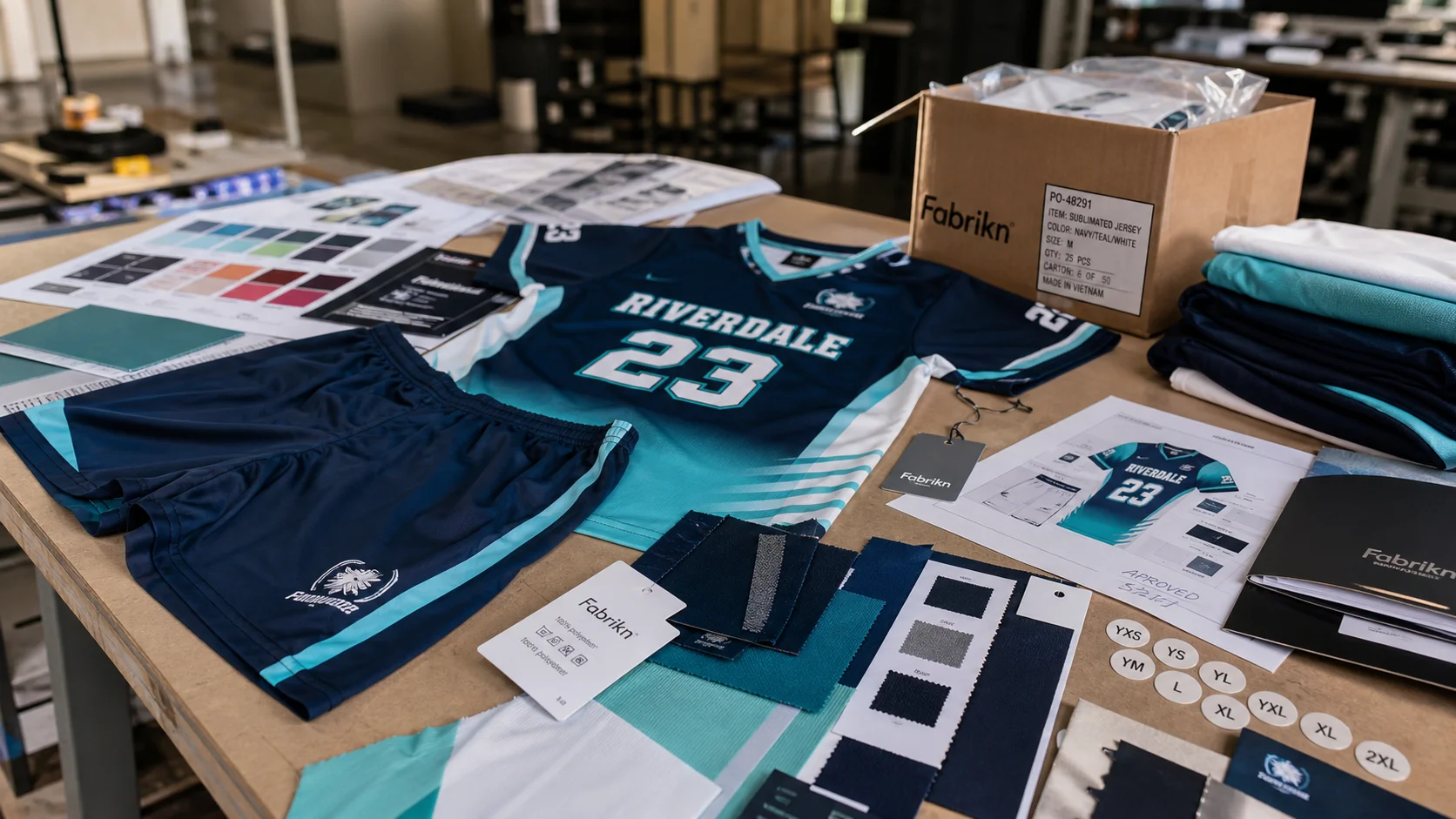
Create A Wholesale Line Sheet That Helps You Win Retail compared by sample evidence, fabric or trim specs, MOQ, AQL terms, cost lines, delivery timing, and...
Fast answer: Create A Wholesale Line Sheet That Helps You Win Retail: Tech Pack, Sample Gate, MOQ, and QC Terms should be judged by production evidence, not by a generic sourcing promise. The buyer needs sample proof, cost breakdowns, QC checkpoints, and delivery buffers in writing.
Ask for recent sample photos, measurement tolerances, fabric or print test assumptions, decoration test notes, packing examples, and a named inspection checkpoint. These details show whether the team can repeat an approved sample at bulk volume.
Separate garment cost, decoration, labels, packaging, sampling, testing, freight, and rush charges. Clear cost lines make it easier to reduce colorways, adjust size depth, or reserve more time for sampling.
If you are trying to sell your clothing line to retail stores, boutiques, or buying teams, one of the most important sales tools you can create is a wholesale line sheet. A well-built line sheet does more than show your products. It helps buyers understand your brand, evaluate your pricing, and make fast purchasing decisions. In wholesale, clarity wins. Buyers are busy, and they want a document that is easy to scan, professionally designed, and packed with the exact information they need.
If you are learning how to create a wholesale line sheet, the good news is that you do not need a complicated pitch deck or a long catalog. You need a strategic one- to two-page sales document that communicates your product assortment, pricing, and brand story in a clean and buyer-friendly way. In this article, we will break down exactly what a wholesale line sheet is, what to include, how to design it, and how to use it to strengthen your wholesale sales process.
Retail buyers use line sheets to decide whether your products fit their store, their customer, and their price points. They are comparing many brands at once, so your line sheet must make their job easier. A strong line sheet answers essential questions immediately:
When this information is easy to find, buyers are more likely to keep reading and place an order. When it is missing or messy, they may move on quickly. A line sheet is not just a product list. It is a sales tool that reflects the professionalism of your clothing brand. If you want to build trust with retail partners, your line sheet must look as polished as your products.
At Fabrikn, we often see that brands invest heavily in product development but underinvest in wholesale materials. That can limit growth. If you are building a wholesale-ready clothing business, your line sheet should work hand in hand with your production capabilities, brand positioning, and sales outreach. For support in building a clothing line that is ready for wholesale, you can explore our services.
Before you start designing, it helps to understand the anatomy of an effective wholesale line sheet. The best line sheets combine visual appeal with practical information. Here are the key elements every line sheet should include.
Place your brand name and logo prominently at the top. Buyers should immediately know who the line sheet belongs to. Keep the branding clean and consistent with your overall identity.
Include the name, email, phone number, website, and ordering contact. If buyers need to get in touch quickly, they should not have to search for your details. Adding a direct contact line also helps reduce friction during the buying process. If you need a brand contact page that aligns with your wholesale sales materials, consider directing buyers to your contact us page.
Clearly label the season or collection name, such as Spring/Summer 2025 or Fall Essentials. This helps buyers understand what they are reviewing and keeps your assortment organized.
Use high-quality product photos that show each item clearly. Ideally, use clean, on-brand images with minimal distractions. Buyers need to see silhouette, fit, and design details. If possible, use consistent lighting and backgrounds across the line sheet.
Each item should have a style name and style number. This makes it easy for buyers to reference specific products when placing orders or asking questions. Style numbers are especially important for avoiding confusion during production and fulfillment.
List all available colors for each style. If the product comes in multiple colorways, present them clearly so buyers can see the options at a glance.
Include fabric details such as material composition, weight, or special finishes if relevant. Buyers often want to know how a product feels, wears, and fits into their store assortment. This is especially important for apparel categories where material quality is a key selling point.
State both the wholesale price and the suggested retail price, if appropriate. Buyers need to understand margin potential quickly. Clear pricing helps them assess whether your line is a good fit for their business model.
Show the size range available for each product. Buyers want to know whether you can meet their customer needs. A clean size chart or concise size list can make this information easy to review.
MOQ is a critical detail in wholesale. Buyers want to know how many units they need to order. If your MOQ varies by style or color, specify that clearly.
Include estimated delivery windows or shipping timelines. Buyers often plan seasonal buys in advance, so timing matters. If your production schedule is flexible, mention that as well.
Tell buyers exactly how to place an order. This might include an email address, line sheet response format, or a link to your wholesale portal. Make the next step obvious.
Now let us walk through the process of creating a wholesale line sheet that is strategic, polished, and buyer-friendly.
Before you design anything, identify the types of retailers you want to reach. Are you selling to boutique fashion stores, department stores, online retailers, or specialty shops? Your target buyer affects everything from your pricing to your product selection and tone.
A boutique owner may care most about brand story, uniqueness, and low order risk. A larger retailer may care more about scalability, consistency, and fulfillment reliability. When you know your audience, you can tailor your line sheet to the buyer’s priorities.
Do not put every product you make on one line sheet if it is not relevant. Choose the styles that best represent the collection and are most likely to sell wholesale. Think about what retail buyers want to see: commercial appeal, clear differentiation, and assortment balance.
Include products that work well together and reflect a cohesive collection. Too much variety can confuse buyers. A strong line sheet is curated, not crowded.
Arrange products in a way that makes sense for buyers. You can group items by category, color, silhouette, or seasonal story. The goal is to help the buyer navigate quickly. If your assortment includes dresses, tops, bottoms, and outerwear, keep each category separate and easy to scan.
Collect every detail you will need before you start laying out the page. This includes style names, style numbers, colorways, sizes, wholesale pricing, MSRP, materials, MOQs, and shipping information. Accuracy is essential. Even small errors can create confusion or lead to order mistakes.
Photography can make or break your line sheet. Use images that show the product clearly and consistently. Buyers should be able to understand the garment without needing to zoom in or guess the fit. If your product has special details such as stitching, trims, or textures, make sure those are visible.
Your layout should prioritize readability. Leave enough white space so the page does not feel overcrowded. Use consistent fonts, spacing, and image sizes. The line sheet should feel organized and easy to navigate.
Do not try to turn it into a lookbook. A line sheet is a sales document first. It should be functional before it is decorative.
Pricing is one of the most important parts of the wholesale line sheet. Make sure your wholesale pricing supports healthy margins for both you and the buyer. If there are tiered price breaks, case pack requirements, or special terms, include them clearly. Buyers appreciate transparency.
At the bottom or on the last page, include a clear call to action. Let buyers know how to place an order, request samples, or ask questions. You can also include your brand website and company overview if needed. For brand background and credibility, a page like about us can support your wholesale story.
Before you send the line sheet to buyers, proofread every detail. Check product names, style numbers, prices, and contact information. Ensure all formatting is consistent and all images are high resolution. A single mistake can make your brand look less professional.
Most line sheets are created as PDFs so they can be easily emailed, downloaded, and printed. Make sure your file size is manageable and the text remains crisp. If you plan to update prices or product availability frequently, keep an editable master file on hand.
Design matters because buyers make quick judgments. A strong visual presentation increases the chance that your products will be taken seriously. Here are the design best practices to follow.
Minimal, clean layouts work best. Avoid overly decorative elements that distract from the products. The point is to sell, not to overwhelm.
Choose one or two fonts and use them consistently throughout the document. Make sure key information like style number, price, and MOQ are easy to spot.
Use size, bolding, and spacing to guide the buyer’s eye. The most important information should stand out first. Usually, that means brand name, product image, style number, and price.
Low-resolution images make your line sheet look unprofessional. Use sharp, properly sized photos that display well in both digital and print formats.
Buyers often skim line sheets before deciding what to review in detail. Organize information into digestible sections and avoid long paragraphs. Bullet points, concise labels, and clean grids are helpful.
Your line sheet should feel like an extension of your brand. If your clothing line is modern and minimalist, your line sheet should reflect that. If your brand is bold and expressive, you can still keep it clean while using colors or styling that match your identity.
Many brands lose buyer interest because their line sheets are unclear, incomplete, or difficult to use. Avoid these common mistakes when creating yours.
Remember, the purpose of the line sheet is to make buying easier. Anything that slows the buyer down works against that purpose.
Today, most wholesale line sheets are shared digitally. That gives you more flexibility and allows buyers to review them quickly on desktop, tablet, or mobile. Digital line sheets are easy to update, email, and share internally with buying teams.
That said, printed line sheets can still be useful in trade shows, showroom appointments, and face-to-face sales meetings. A printed version can support tactile conversations and make your brand feel more polished in person.
In many cases, the best approach is to have both versions available. Your digital line sheet can be used for outreach and follow-up, while your printed version can support in-person presentations. Just make sure the content is aligned across both formats.
Creating the line sheet is only part of the process. You also need to use it effectively in your sales strategy. Here are a few ways to improve your chances of winning retail buyers.
Your line sheet should support a relationship-based sales process. Buyers want reliable brands that understand their business. When your materials are clear, professional, and easy to act on, you create confidence.
If your brand is still building its wholesale capabilities, it may help to work with a manufacturing partner that understands production, sourcing, and scalability. Fabrikn supports fashion brands at different stages of growth through end-to-end apparel manufacturing solutions. Learn more about our services and how we help brands prepare for market.
Knowing how to create a wholesale line sheet is an essential skill for any clothing brand that wants to grow through retail partnerships. A great line sheet does not just list products. It tells buyers what your brand stands for, what you sell, and why your products deserve shelf space. It simplifies the buying decision and helps your brand look professional, organized, and ready for wholesale.
Focus on clear product information, high-quality visuals, accurate pricing, and simple ordering instructions. Keep the design clean and buyer-friendly. Most importantly, think about the line sheet from the buyer’s perspective: what do they need to know in the shortest amount of time?
If you build your line sheet with that mindset, it becomes a powerful tool for opening doors, starting conversations, and turning interest into orders.
Get a free quote from Fabrikn — your trusted B2B clothing manufacturer with 10+ years of experience. MOQ as low as 200 pieces.
Get a Free Quote →A wholesale line sheet is a sales document that helps retail buyers quickly review your products, pricing, sizing, and ordering details. Its purpose is to make buying easier and faster.
Include enough products to show a strong and cohesive collection, but not so many that the document becomes cluttered. For many brands, a curated selection of core styles works best.
Yes, in most cases it is helpful to include both wholesale pricing and suggested retail pricing so buyers can assess their margins.
Not ideally. A lookbook is more visual and brand-focused, while a line sheet is meant to be practical and sales-oriented. You can use both, but they serve different purposes.
Update your line sheet whenever prices, availability, shipping timelines, or product details change. At minimum, review it before each new season or collection launch.
PDF is the most common and practical format because it is easy to email, print, and view on multiple devices.
Fabrikn helps clothing brands with manufacturing and production support so they can create collections that are ready for market. If you are preparing to scale, visit our about us page or reach out through our contact us page.