
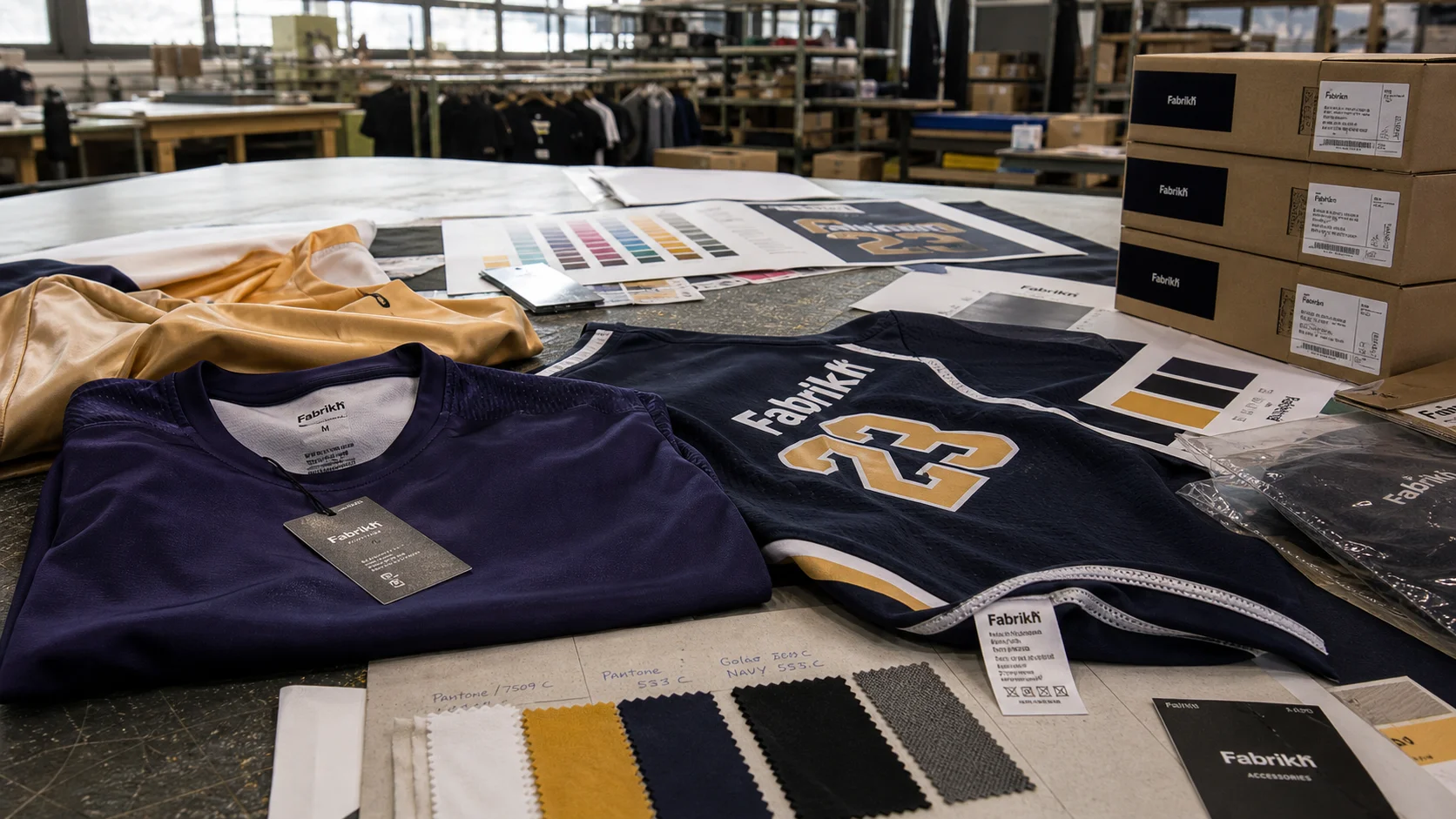
Get Apparel Samples from Factories compared by sample evidence, fabric or trim specs, MOQ, AQL terms, cost lines, delivery timing, and rework responsibility.
Fast answer: Get Apparel Samples from Factories: Tech Pack, Sample Gate, MOQ, and QC Terms should be judged by production evidence, not by a generic sourcing promise. The buyer needs sample proof, cost breakdowns, QC checkpoints, and delivery buffers in writing.
Ask for recent sample photos, measurement tolerances, fabric or print test assumptions, decoration test notes, packing examples, and a named inspection checkpoint. These details show whether the team can repeat an approved sample at bulk volume.
Separate garment cost, decoration, labels, packaging, sampling, testing, freight, and rush charges. Clear cost lines make it easier to reduce colorways, adjust size depth, or reserve more time for sampling.
If you are building a clothing brand, one of the most important early steps is learning how to get apparel samples from factories. Samples help you test design ideas, evaluate fit and construction, check fabric quality, and confirm whether a factory can actually deliver the product you want. For startups and established brands alike, the sampling stage is where concepts become real products.
In this guide, we will walk through the apparel sampling process from start to finish. You will learn how to prepare your tech pack, choose the right factory, request samples efficiently, avoid common mistakes, and use samples to move into production with confidence. If your goal is to build better products while saving time and money, this article will help you do exactly that.
Apparel samples are the bridge between your product idea and mass production. A sketch, mood board, or even a technical drawing can look great on paper, but a sample reveals the real outcome. It shows whether the garment fits correctly, whether the fabric drapes as intended, whether stitching is durable, and whether the finishing details meet your standards.
For brands, samples reduce risk. They help you identify design flaws before placing a large order, which can prevent expensive production mistakes. They also help with internal decision-making. Your team can review the sample, compare options, and make final calls on materials, trims, and sizing.
In short, samples are not just a formality. They are a critical quality control and product development tool.
Before you contact a factory, it helps to understand the different sample stages. Not every project needs every type, but knowing the terminology will make communication easier.
A prototype sample is an early version of the garment used to test the overall concept. It may be made with substitute fabrics or basic trims. The goal is to confirm shape, construction, and design direction.
A fit sample is used to evaluate sizing and silhouette on a body or dress form. This sample focuses on proportions, garment balance, and comfort.
A sales sample is a polished version used for showrooms, wholesale presentations, or marketing. It should look close to the final product.
A pre-production sample, often called a PPS, is made using final materials, final trims, and approved construction methods. This is usually the last sample before bulk production begins.
Size set samples are produced in multiple sizes to confirm grading consistency across the full size range.
This is pulled from the first bulk production run and checked against the approved sample to ensure consistency.
Different factories may use slightly different terms, so always confirm what each sample stage means with the supplier.
If you want a factory to create an accurate sample, you must provide clear product information. The more detailed your request, the fewer revisions you will need later.
A tech pack is the foundation of the sampling process. It should include technical sketches, measurements, fabric details, color references, trims, stitching information, labeling requirements, and construction notes. A complete tech pack helps the factory quote accurately and reduce misunderstandings.
Know exactly what you want. Is it a heavyweight hoodie, a slim-fit t-shirt, a tailored blazer, or a performance legging? Be specific about the intended use, target customer, fit, and style direction.
Photos, screenshots, and inspiration images can help communicate your vision. Include both what you like and what you want to avoid. This helps the factory understand your brand aesthetic.
If you already have fabric preferences, share them. If not, ask the factory for suggestions. You can also send Pantone color references or swatches to improve accuracy.
Factories need to know your target cost so they can recommend suitable materials and production methods. If your budget is too low for the intended product, the factory may suggest adjustments before sampling begins.
Some factories prioritize projects with strong production potential. If you expect to move into bulk orders, mention your estimated quantities and timeline. That can help build trust and improve responsiveness.
Not every factory is a good fit for sampling. Some specialize in mass production only, while others are better at development and small-batch work. Your goal is to find a partner with the right capabilities for your product category.
A factory that makes sportswear may not be the best option for denim or tailored garments. Check whether the factory has experience with your product type, fabric, and construction level.
Good communication is essential. A responsive factory that asks detailed questions is usually a better sign than one that replies quickly but vaguely. Clear communication reduces errors during sampling and production.
Some factories offer full product development support, including pattern making, fabric sourcing, and sample revisions. If you need more than basic manufacturing, look for a factory with strong development services. You can learn more about this kind of support on our services page.
Even if you are only requesting a sample now, you should understand the factory’s MOQ. A factory with an MOQ far above your expected production volume may not be the right long-term partner.
Ask about their location, production capacity, lead times, certifications, and past clients if possible. To learn more about Fabrikn, you can visit our about us page.
Once you have a list of potential factories, you need to make a clear and professional sample request. The way you communicate at this stage can affect how seriously the factory takes your project.
Start with a short introduction. Explain who you are, what your brand makes, and what kind of products you want to develop. Keep it simple but professional.
Attach your tech pack, reference images, sizing information, and material requirements. If you do not have a full tech pack, at least provide detailed sketches and notes.
Request a breakdown of sample costs, including pattern making, fabric sourcing, sample construction, shipping, and revision fees if applicable. This will help you budget properly.
Ask how long the sample will take. Lead times can vary depending on complexity, material availability, and factory workload. Always confirm the estimated delivery date before approving the request.
Find out how many revisions are included and what happens if the sample needs changes. Some factories charge for each revision, while others may include minor adjustments in the original fee.
Once everything is agreed upon, make sure the factory confirms the order details in writing. This should include product description, sample type, cost, delivery time, and any special instructions.
If you are ready to speak directly with a manufacturing partner, you can contact us here.
After the factory receives your request, the process typically moves through several stages.
The factory may review your materials and ask questions. This is normal. They may want to confirm dimensions, fabric weight, trims, or construction details before starting.
If your product requires a new pattern, the factory or pattern maker will create one based on your design spec. The pattern is the blueprint for the sample.
The factory may source fabrics and trims or ask you to approve alternatives. If the exact materials are unavailable, they may suggest close substitutes.
The sample is cut and sewn according to the approved design details. This stage may involve several specialists, including pattern makers, cutters, and sewing operators.
Before shipping, the factory should inspect the sample for construction accuracy, measurements, and visible defects.
The factory sends the sample to your office, studio, or distribution address for review. Make sure you provide complete shipping details to avoid delays.
Receiving the sample is only half the job. You need to evaluate it carefully and provide useful feedback.
Compare the sample against your size specs and fit expectations. Pay attention to sleeve length, body length, neckline shape, waist placement, and overall silhouette.
Look at the hand feel, weight, stretch, recovery, opacity, and durability of the fabric. Does it match your brand standards and customer expectations?
Inspect seams, stitching, hems, labels, zippers, buttons, and other trims. Small details can have a big impact on perceived quality.
If the garment has performance or practical features, test them. Open and close zippers, stretch the fabric, wash the sample if possible, and see how it behaves in real use.
Go line by line through your tech pack and check whether the sample matches it. This is one of the best ways to identify issues objectively.
Give the factory specific notes, not just general comments. Instead of saying “the fit is off,” explain exactly what needs to change, such as “the sleeve is 1.5 cm too long” or “the neckline should sit higher.”
Many brands face delays or disappointing results because they make avoidable errors during sampling. Here are the most common ones.
If you do not provide detailed instructions, the factory must make assumptions. That often leads to revisions and extra cost.
Even experienced factories usually need at least one round of changes. Sampling is an iterative process, especially for new designs.
You may love a certain fabric, but if it cannot be sourced consistently at scale, it can cause production problems later.
A factory may be excellent in general but wrong for your category, budget, or volume. Always match the supplier to your product needs.
Verbal comments can get lost. Always send written feedback, ideally with annotated photos or measurement notes.
Never approve bulk production before the sample is fully confirmed. A rushed decision can lead to expensive mistakes across the entire order.
Sample costs vary depending on product complexity, fabric selection, and the factory’s development process. Simple garments such as t-shirts may cost less than structured jackets or technical sportswear. If the sample requires custom fabric development, embroidery, printing, or special trims, the price will be higher.
Lead times also vary. Basic samples may take one to two weeks, while more complex development can take several weeks or longer. If you need multiple revisions, expect additional time.
When reviewing sample quotes, remember that the cheapest option is not always the best. A well-made sample can save money later by reducing production errors and returns.
If you want consistent quality and smoother sampling in the future, focus on building a professional relationship with your factory.
Factories work with many clients at once. Clear instructions, timely responses, and respectful communication make your project easier to manage.
Paying sample fees on time helps establish trust and professionalism.
If you need fast turnaround or complex development, communicate that early. Being realistic helps both sides plan effectively.
Instead of blaming the factory for every issue, work collaboratively to solve problems. Good partnerships improve with each sample round.
Factories are more likely to prioritize brands that show long-term potential. If you plan to grow, let them know. That can open the door to better support, better pricing, and stronger collaboration over time.
Learning how to get apparel samples from factories is one of the most important skills for any fashion brand. Samples help you validate your ideas, reduce risk, and prepare for production with confidence. The key is preparation: create a strong tech pack, choose the right factory, communicate clearly, and evaluate every sample with care.
When you approach sampling strategically, you do not just get a prototype. You build a better product and a better manufacturing relationship. That foundation can support your brand as it grows from the first idea to a successful collection.
Get a free quote from Fabrikn — your trusted B2B clothing manufacturer with 10+ years of experience. MOQ as low as 200 pieces.
Get a Free Quote →Introduce your brand, share your product brief or tech pack, ask for a sample quote, confirm the timeline, and request the factory’s revision policy. Keep your communication clear and professional.
Yes, most factories charge sample fees because the process involves pattern making, material sourcing, and labor. Some may deduct sample costs from a future bulk order, but this depends on the supplier.
It depends on the product. Simple samples may take one to two weeks, while complex garments may take several weeks. Revisions can add more time.
A tech pack should include technical drawings, measurements, fabric details, trim specifications, color references, stitching notes, label requirements, and construction instructions.
Yes, but the result may be less accurate. If you do not have a tech pack, provide detailed sketches, reference images, measurements, and written instructions to reduce confusion.
It is common to go through at least one or two rounds of revisions, especially for new products. Complex garments may require more than that.
A regular sample is used for development and testing, while a pre-production sample is made with final approved materials and construction methods before bulk production begins.
Look at their product experience, communication style, sampling capabilities, lead times, and MOQ. A good factory should understand your product category and be able to support your growth.