
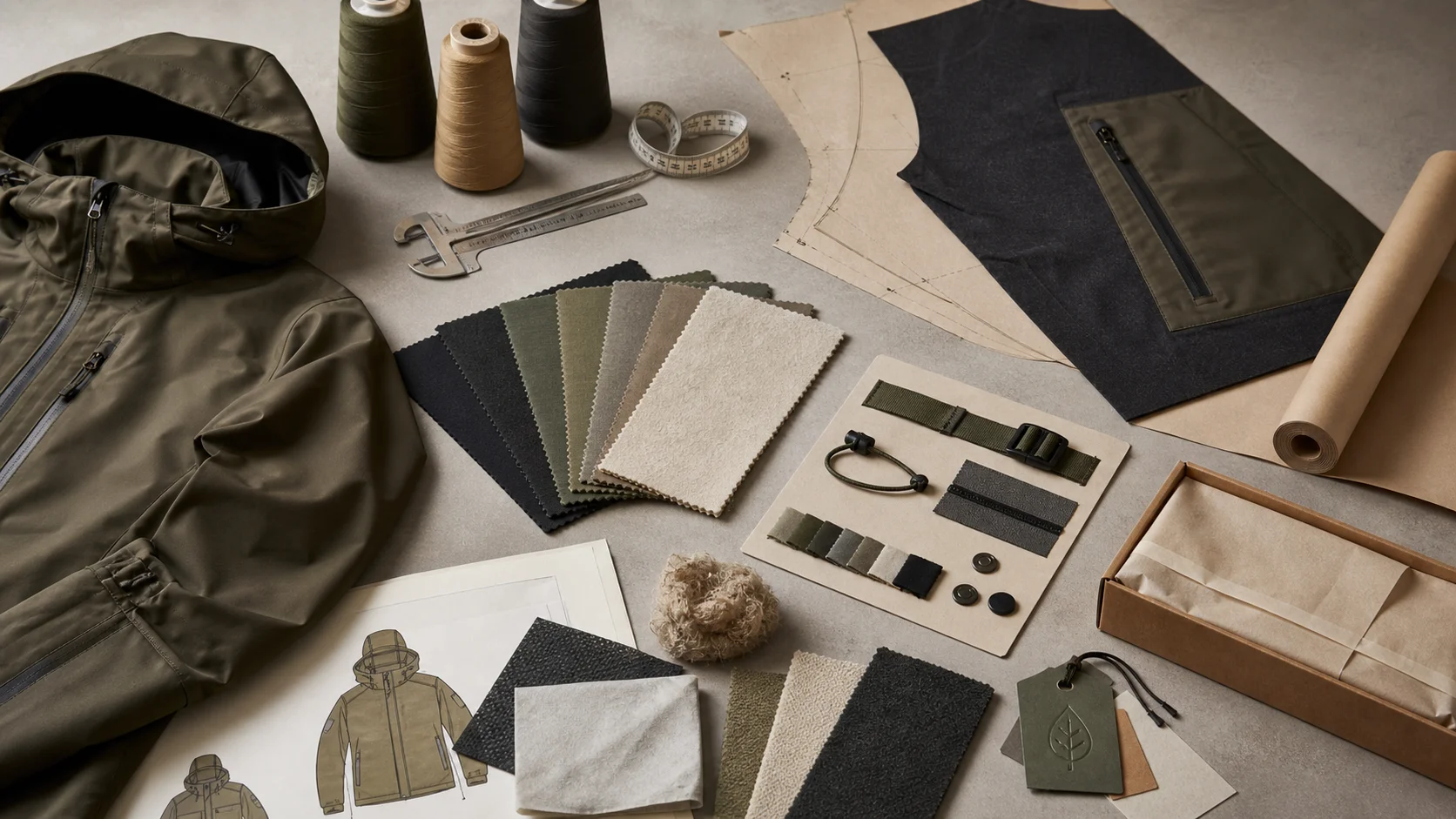
Manage Clothing Brand Returns compared by sample evidence, fabric or trim specs, MOQ, AQL terms, cost lines, delivery timing, and rework responsibility.
Fast answer: Manage Clothing Brand Returns: Tech Pack, Sample Gate, MOQ, and QC Terms should be judged by production evidence, not by a generic sourcing promise. The buyer needs sample proof, cost breakdowns, QC checkpoints, and delivery buffers in writing.
Ask for recent sample photos, measurement tolerances, fabric or print test assumptions, decoration test notes, packing examples, and a named inspection checkpoint. These details show whether the team can repeat an approved sample at bulk volume.
Separate garment cost, decoration, labels, packaging, sampling, testing, freight, and rush charges. Clear cost lines make it easier to reduce colorways, adjust size depth, or reserve more time for sampling.
Returns are a normal part of running a fashion business, but they can quickly become expensive and disruptive if not managed well. For clothing brands, returns affect profit margins, inventory planning, customer satisfaction, and even brand reputation. A single weak point in your return process can lead to lost revenue, negative reviews, and wasted operational time.
In apparel, returns are especially common because fit, fabric feel, color, and style expectations are personal and subjective. Unlike many other product categories, customers often cannot fully evaluate a garment until they try it on. That means even a strong product can generate returns if the buying experience is not supported by the right policies, product information, and manufacturing standards.
Learning how to manage clothing brand returns effectively helps fashion businesses protect revenue while creating a better customer experience. Brands that handle returns well often build more trust, earn repeat purchases, and improve long-term profitability.
Before you improve your return system, it helps to understand why customers send items back. Most apparel returns fall into a few predictable categories.
When you identify the dominant return reasons, you can make targeted improvements. For example, if sizing is the biggest issue, your focus should be on size charts, measurement guidance, and sampling. If defects are driving returns, then production quality control and inspection need attention.
A strong return policy is the foundation of effective returns management. It sets expectations, protects your business from abuse, and reduces confusion during the post-purchase experience. A vague or overly strict policy can frustrate customers, while a policy that is too generous can hurt margins.
Your return policy should be visible before checkout, not hidden in a footer link customers rarely notice. Include it on product pages, in the cart, and in order confirmation emails. The more transparent you are, the fewer disputes you will face later.
Avoid legal jargon wherever possible. Customers should be able to understand the policy in a few minutes. State the return window, item conditions, proof of purchase requirements, and who pays for return shipping.
Specify whether items must be unworn, unwashed, with tags attached, and in original packaging. Apparel businesses often lose money when policies are unclear about worn or altered items.
Different return outcomes can help protect profit. Some brands issue refunds for defective or incorrect items but offer store credit or exchanges for general returns. Choose a structure that fits your margins and customer expectations.
A 14-day, 30-day, or 60-day return window all have different financial impacts. Longer windows may feel more customer-friendly, but they also increase the risk of inventory becoming outdated or unsellable.
If your brand needs help building a more scalable apparel operation, you can explore Fabrikn’s services for support across manufacturing and product development.
An efficient return process reduces customer frustration and lowers the workload for your team. The goal is to make returns simple for the customer while keeping internal costs under control.
A branded return portal allows customers to submit return requests, print labels, and track progress without contacting support for every step. This reduces manual work and speeds up response times.
For eligible cases, automated approval can save time. For example, the system can instantly approve returns within policy, while directing more complicated cases to a human agent.
Prepaid labels are convenient but can become expensive if overused. Some brands offer free return shipping only for defective or incorrect orders, while charging customers for change-of-mind returns.
Once the item is returned, your operations team should have a clear process for receiving, inspecting, categorizing, and updating inventory records. Consistency helps avoid lost products and accounting errors.
Every return should have a status: requested, approved, shipped back, received, inspected, restocked, refunded, or rejected. This tracking reduces confusion and creates data you can use to improve operations.
The best return is the one you never have to process. Reducing returns starts long before checkout and involves product development, content quality, and customer education.
Fit issues are one of the biggest causes of apparel returns. Use detailed size charts, garment measurements, fit notes, and model sizing information. If possible, include examples such as “runs small” or “relaxed fit” so customers can make better choices.
Photos should show the garment from multiple angles, including close-ups of fabric texture, construction details, and true color representation. Product descriptions should explain material composition, stretch, fit, and care instructions in plain language.
Reviews can reduce uncertainty. When customers share whether an item fits true to size, runs large, or feels tight in specific areas, new buyers make better decisions.
Many returns can be prevented with stronger quality checks during production. Consistent stitching, accurate measurements, color matching, and proper finishing reduce the chance of defects reaching customers.
Live chat, style advice, and fit guidance can lower return rates by helping customers choose the right item the first time. This is especially useful for premium or highly technical apparel categories.
When garments are sampled, tested, and revised carefully before launch, the final product is more likely to meet customer expectations. This is one reason many growing brands work closely with experienced manufacturing partners.
To learn more about working with an apparel production partner, visit Fabrikn’s about us page.
Once a return arrives, the item must be checked quickly and accurately. Delays in inspection can tie up inventory and create accounting complications.
Check for wear, washing, stains, odor, damage, missing tags, or packaging issues. Compare the item to the original order and return reason.
Returned items should be scanned back into the system only after they have passed inspection. If you restock too early, you risk selling damaged products to another customer.
Some clothing brands donate damaged items, while others recycle textiles or use them for internal testing. The right approach depends on your brand values, cost structure, and sustainability goals.
Returns are not only an operational issue; they are also a customer service moment. The way your team communicates during the process can determine whether a disappointed buyer becomes a loyal customer or a lost one.
Fast responses reduce anxiety and show professionalism. Customers should know what to expect at every step: approval, label issuance, transit time, refund timing, and final resolution.
Your website, support team, email templates, and return portal should all say the same thing. Conflicting information creates frustration and increases support tickets.
Even if a return is outside policy, a respectful tone matters. Customers are more likely to accept a denied request or partial solution when they feel heard.
Not every case fits neatly into policy. Train your customer service team to recognize common edge cases such as lost shipments, defective batches, or size discrepancies.
Whenever possible, give customers options: exchange, store credit, replacement, or refund. Flexibility can preserve revenue and goodwill.
Return data is one of the most valuable feedback sources in fashion retail. It reveals product and process problems that may not appear in sales numbers alone.
If one style has a much higher return rate than others, it may have a fit issue, quality concern, or misleading product page. SKU-level data helps you identify problem products quickly.
Sometimes returns cluster around specific sizes or colorways. That could signal inconsistent grading, dye variation, or fabric differences between production runs.
A product with strong sales but high returns may not actually be profitable. Evaluate the full picture, including shipping, labor, restocking, and lost resale value.
Return data should not stay in the customer service inbox. Share it with designers, developers, buyers, and manufacturers so future collections improve.
If you update a size chart, revise photos, or change packaging, compare return rates before and after the change. Continuous improvement is the best way to lower return costs over time.
Many brands think returns are only a retail or customer service issue, but in reality, they often start at the manufacturing stage. If product specs are inconsistent or quality control is weak, returns will rise no matter how good your policy is.
Clear technical specifications help production teams create garments that match the intended fit and finish. Inaccurate measurements often lead to returns caused by size variation.
Incorrect fabric choice can lead to shrinkage, poor drape, pilling, or discomfort. Testing materials before mass production helps prevent disappointment after delivery.
Sometimes brands approve samples that do not fully match the final bulk production. That gap can create customer complaints if the finished product feels different from what was approved.
Inline inspection, final inspection, and random audits all help catch problems before shipment. Strong quality control is one of the most effective ways to manage clothing brand returns at the source.
If you are evaluating a production partner for your next collection, you can contact Fabrikn to discuss your project requirements.
Managing clothing brand returns well is not about eliminating returns entirely. It is about creating a process that is transparent, efficient, and customer-friendly while protecting your bottom line. The most successful fashion businesses treat returns as a learning opportunity and use every return to improve sizing, product quality, communication, and operations.
When your return policy is clear, your fulfillment process is organized, your product pages are accurate, and your manufacturing quality is strong, returns become far more manageable. Over time, these improvements can reduce costs, increase customer trust, and support more sustainable growth.
If your apparel brand wants to lower return rates through better product development and manufacturing support, partnering with the right supplier can make a significant difference.
Get a free quote from Fabrikn — your trusted B2B clothing manufacturer with 10+ years of experience. MOQ as low as 200 pieces.
Get a Free Quote →The best way is to combine a clear return policy, an efficient return portal, strong quality control, and detailed product information. Prevention and process should work together.
Brands can reduce returns by improving size charts, using better photography, writing accurate product descriptions, testing samples carefully, and collecting fit feedback from customers.
Not always. Free returns can improve conversion, but they also raise costs. Many brands offer free returns only for defective or incorrect items and charge for change-of-mind returns.
A return policy should include the return window, item condition requirements, refund or exchange options, shipping responsibility, proof of purchase rules, and any exclusions.
Returns can reduce profit through shipping costs, labor, lost resale value, and restocking work. High return rates can also indicate deeper product or quality issues.
Apparel returns are common because fit, feel, and appearance are difficult to judge online. Sizing inconsistency and misleading product presentation are also major factors.
Better sampling, accurate specifications, fabric testing, and strong quality control help ensure that customers receive products that match expectations and are less likely to be returned.