
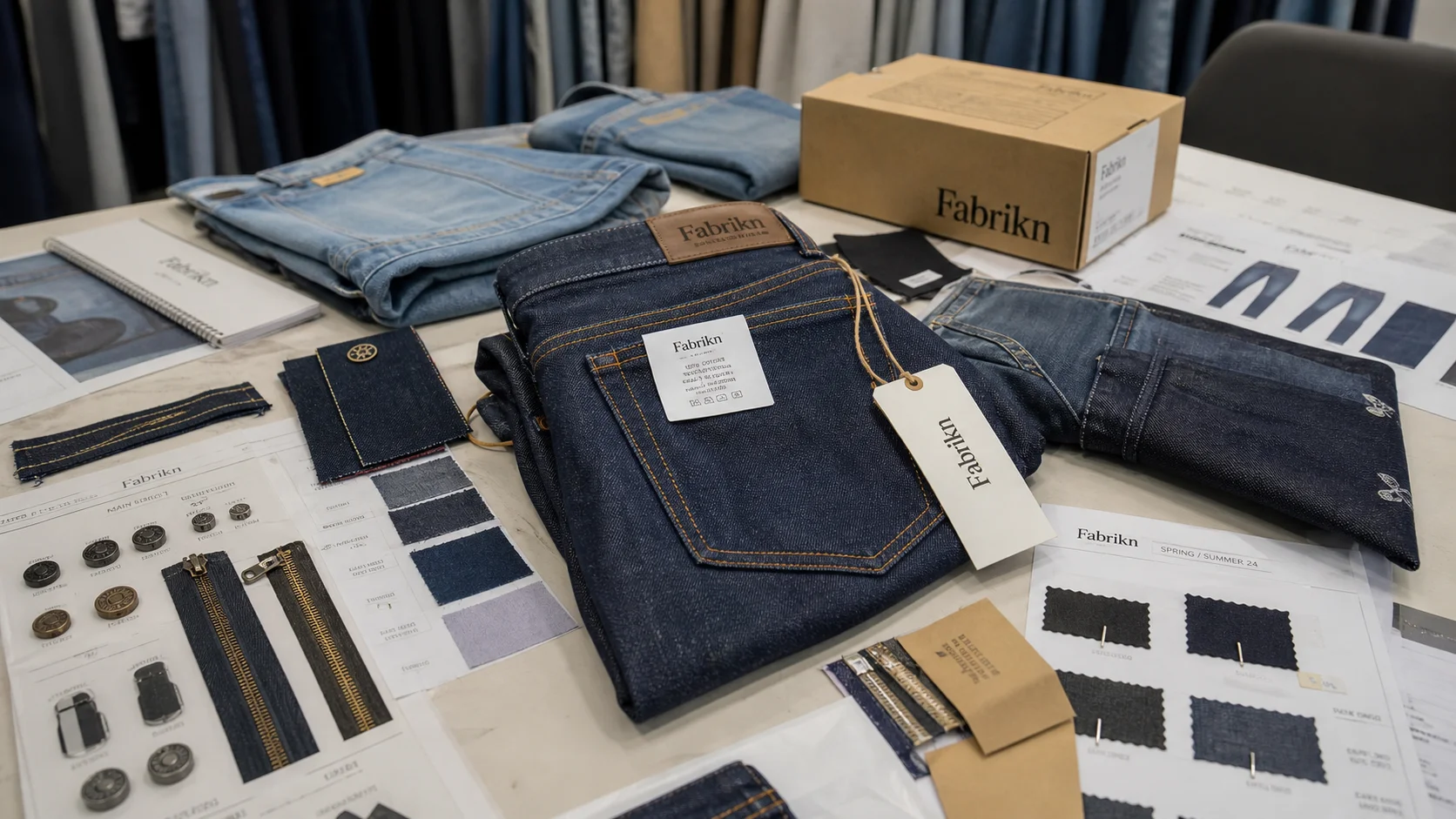
Negotiate Payment Terms with Garment Manufacturers compared by sample evidence, fabric or trim specs, MOQ, AQL terms, cost lines, delivery timing, and...
Fast answer: Negotiate Payment Terms with Garment Manufacturers: Sample Evidence, MOQ, Capacity, and Rework Terms should be judged by production evidence, not by a generic sourcing promise. The buyer needs sample proof, cost breakdowns, QC checkpoints, and delivery buffers in writing.
Ask for recent sample photos, measurement tolerances, fabric or print test assumptions, decoration test notes, packing examples, and a named inspection checkpoint. These details show whether the team can repeat an approved sample at bulk volume.
Separate garment cost, decoration, labels, packaging, sampling, testing, freight, and rush charges. Clear cost lines make it easier to reduce colorways, adjust size depth, or reserve more time for sampling.
When sourcing apparel for a clothing brand, retail business, or private label project, one of the most important conversations you will have with a supplier is about money. More specifically, it is about payment terms. Learning how to negotiate payment terms with garment manufacturers can improve your cash flow, reduce financial risk, and create a more stable production relationship.
For many brands, payment terms are just as important as price, quality, or lead time. Even if a manufacturer offers a strong unit cost, unfavorable payment conditions can create pressure on your working capital and make it harder to scale. On the other hand, well-structured terms can give you breathing room to manage inventory, marketing, and sales more effectively.
In this article, we will explain how payment terms work, what garment manufacturers typically expect, and how to negotiate terms that support both sides. Whether you are launching a new clothing line or expanding an established brand, these business tips will help you build smarter supplier agreements.
Payment terms define when and how a buyer pays a garment manufacturer for goods or services. In fashion and apparel production, these terms can have a major impact on cost control, order planning, and supplier trust. Unlike many off-the-shelf purchasing situations, garment manufacturing often involves custom materials, sampling, labor, and production commitments before final delivery.
Manufacturers usually need to purchase fabric, trims, labels, and packaging before full production is complete. Because of this, they often ask for upfront deposits to reduce risk and cover material costs. From the buyer’s perspective, however, paying too much too early can be risky, especially if there are delays or quality issues.
Good payment terms help balance these concerns. They protect the manufacturer’s production process while also giving the buyer enough flexibility to manage sales cycles and incoming revenue. This balance becomes even more important for startups, seasonal brands, and businesses ordering in larger volumes.
For a deeper look at how Fabrikn supports apparel businesses with manufacturing solutions, you can visit our services page.
Before negotiating, it helps to understand the most common payment structures used in garment manufacturing. Knowing what is standard makes it easier to identify where there is room for flexibility.
This is one of the most common structures. The buyer pays 30% upfront before production begins, and the remaining 70% is paid before shipment or upon completion. This structure allows the manufacturer to cover early production costs while giving the buyer some protection before final payment.
Some manufacturers request 50% in advance and 50% before shipment. This is often seen with smaller manufacturers, custom orders, or new buyers with limited payment history. It gives the manufacturer more security, but it can place more pressure on the buyer’s cash flow.
In some cases, especially with new clients, sample orders, or highly customized products, a manufacturer may ask for 100% payment before production starts. This is the most buyer-unfriendly structure, but it may be acceptable for very small quantities or urgent orders where trust is still being established.
For established relationships, some manufacturers may allow net 15, net 30, or even net 60 terms. This means the buyer pays after receiving the goods. These terms are less common in initial transactions but can be possible for trusted clients with strong order history and stable finances.
Another option is to split payment across project milestones, such as deposit, fabric approval, production start, pre-shipment inspection, and final delivery. This can create a more balanced arrangement for both parties and is especially useful for larger or more complex orders.
Successful negotiation starts before you send your first message. If you want to negotiate payment terms with garment manufacturers effectively, preparation is essential. Manufacturers are more likely to offer flexible terms when they see that you are professional, organized, and low-risk.
Before you negotiate, be clear about what you are ordering. This includes product type, quantity, sizes, materials, color variations, packaging needs, and delivery expectations. A manufacturer is more likely to discuss favorable terms when the order is specific and realistic.
Be honest about what you can afford and when you can pay. If you are launching a brand, your cash may be tied up in marketing, design, and inventory. If you are an established business, your payment cycle may depend on customer collections. Knowing your limits helps you negotiate confidently without overcommitting.
Payment terms vary by supplier size, region, product complexity, and relationship history. Research typical terms in your sourcing market so you know what is reasonable to ask for. This prevents you from making unrealistic demands and helps you identify fair compromises.
Manufacturers want to work with buyers they can trust. If possible, share your business profile, website, product goals, estimated annual volume, and previous sourcing experience. Professional communication can make a big difference, especially if you are asking for more favorable terms.
Negotiation is rarely about getting exactly what you want. Instead, prepare several options. For example, if you cannot get a lower deposit, you might ask for more balance time after shipment, a smaller deposit on repeat orders, or milestone-based payments.
Once you are prepared, you can begin the actual negotiation. The goal is not to push the manufacturer into unreasonable concessions. It is to find a structure that reduces your risk while keeping the relationship profitable for both sides.
Manufacturing is a long-term business. If you approach the discussion as a partnership rather than a transaction, you are more likely to get positive results. Show interest in the factory’s process, ask thoughtful questions, and demonstrate that you value quality and reliability, not just price.
Larger or repeat orders often justify better payment terms. If your first order is small, you may need to accept standard terms. However, you can negotiate a structure that improves as volume grows. For example, you might request a 30/70 split for the first order and better terms after the second or third order.
Some manufacturers will improve terms if they receive a clear benefit. You might offer a slightly larger deposit in exchange for quicker production, better fabric allocation, or lower pricing. This approach works best when both sides can quantify the trade-off.
Instead of paying a large amount at the start, ask whether payment can be tied to production steps. For example, you might pay a deposit after sample approval, a second amount after fabric inspection, and the final balance after quality inspection. Milestone-based payment reduces the chance of paying too much before verifying progress.
If this is your first purchase, accept that the manufacturer may require stricter terms. But once trust is established, ask for better terms on future orders. Repeat business lowers risk for the factory, so it is reasonable to discuss lower deposits, extended balances, or net payment terms later on.
If you can commit to larger volumes, you may have more negotiating power. But do not overpromise. Manufacturers will quickly lose trust if you commit to quantities you cannot actually order. Be transparent about your forecasts and explain how improved terms could support future growth.
Sometimes payment flexibility matters more than a lower unit price. If a supplier cannot reduce cost, they may still be able to improve terms. For example, they may agree to a smaller deposit, delayed balance, or staged payment without changing the product price.
Once you agree on payment terms, make sure they are documented clearly in the purchase order, proforma invoice, or manufacturing agreement. Written terms help avoid misunderstandings and protect both parties if any issue arises later.
To negotiate payment terms successfully, you need to understand the manufacturer’s point of view. Garment manufacturers carry real risk. They buy raw materials, allocate labor, reserve production capacity, and manage quality control long before receiving final payment. If a buyer disappears, delays payment, or changes the order, the factory may lose money.
This is why trust matters. A manufacturer is more likely to offer flexible terms to a buyer who communicates clearly, pays on time, and respects production processes. If you want better terms, focus on becoming a buyer they can rely on.
At the same time, you must protect your own cash flow. Paying too much too early can create problems if your products sell slower than expected or if a production issue delays delivery. The best payment terms are those that reduce exposure on both sides.
A practical strategy is to align payment timing with value creation. For example, deposits may fund materials, milestone payments may fund production progress, and final balances may be due only when goods are ready for shipment. This structure helps balance trust and control.
Even experienced buyers make mistakes when discussing payment terms. Avoiding these errors can help you protect your business and build stronger supplier relationships.
If you demand extremely favorable terms before building any relationship, the manufacturer may see you as high risk. Instead of insisting, ask questions and negotiate respectfully.
Payment terms are important, but they should not distract you from product quality, communication, or production reliability. A low deposit is not worth much if the goods are late or inconsistent.
Some buyers agree to high quantities because they want better terms. This can create inventory problems and cash flow stress later. Only commit to volumes you can realistically sell.
Before negotiating extensively, make sure the manufacturer is legitimate and capable of fulfilling your order. Check company background, production capacity, and communication responsiveness. If you want to learn more about our company values and manufacturing approach, visit our about us page.
Be precise about when each payment is due. Does “before shipment” mean after final inspection, after packing, or before booking freight? Clear definitions reduce disputes.
If your payment plan includes a final balance before shipment, try to include quality inspection or approval checkpoints. This gives you more confidence that the goods meet expectations before the last payment is made.
Here are a few practical ways to frame your negotiation depending on your situation.
You might say: “We understand that as a first-time client, standard terms are expected. Would you consider a 30% deposit and the balance after final inspection, before shipment? We are looking for a long-term partnership and expect repeat orders if this run is successful.”
You might say: “Because this order is larger than our previous purchases, would you be open to reducing the upfront deposit or moving part of the balance to after shipment? We want to make the order easier for both sides to manage.”
You might say: “To support production and maintain our marketing budget, we are hoping to structure the payment in milestones. Could we discuss deposit, pre-production, and final balance timing?”
You might say: “We are looking for a long-term manufacturing partner. If this order goes smoothly, we expect recurring business and larger volumes. Could we explore terms that may improve for future orders?”
At Fabrikn, we understand that payment terms are a critical part of building a successful apparel sourcing strategy. Businesses need more than quality production; they need a manufacturing partner who communicates clearly, understands timelines, and works with them to create practical commercial terms.
If you are looking for a B2B clothing manufacturer that values transparency and partnership, we encourage you to explore our services and learn more about our approach. If you are ready to discuss your project, you can also contact us to start the conversation.
Whether you are producing t-shirts, uniforms, activewear, or custom garments, the right payment structure can support smoother operations and stronger growth. The key is to negotiate from a position of preparation, professionalism, and mutual respect.
Get a free quote from Fabrikn — your trusted B2B clothing manufacturer with 10+ years of experience. MOQ as low as 200 pieces.
Get a Free Quote →The most common terms are 30/70 deposit and balance, 50/50 split, and in some cases full advance payment. Established buyers may also negotiate net terms after delivery.
Yes, especially if you have a repeat order, larger volume, strong business credibility, or a long-term relationship with the manufacturer. New buyers may have less leverage, but it is still worth asking respectfully.
A milestone-based structure or a smaller deposit with the final balance tied to inspection can offer better protection for buyers. The safest structure depends on the order size, supplier trust level, and product complexity.
Not always. Net 30 terms are usually more realistic for established relationships than for first-time orders. If you are new to a supplier, it may be better to focus on a balanced deposit and balance arrangement first.
Be organized, communicate clearly, place realistic orders, pay on time, and show that you are a reliable long-term buyer. Manufacturers are more likely to offer flexibility when they trust you.
The agreement should clearly state deposit amount, balance amount, payment deadlines, payment triggers, currency, bank details, inspection conditions, and consequences of late payment or order changes.